
18 Case Study Ad Examples
Case study ads follow one customer from the problem to the result. Browse the real examples below, then see how brands present the story and what they choose to show as proof.
Niche
Hook
Brand
Status
Type
SortDefault
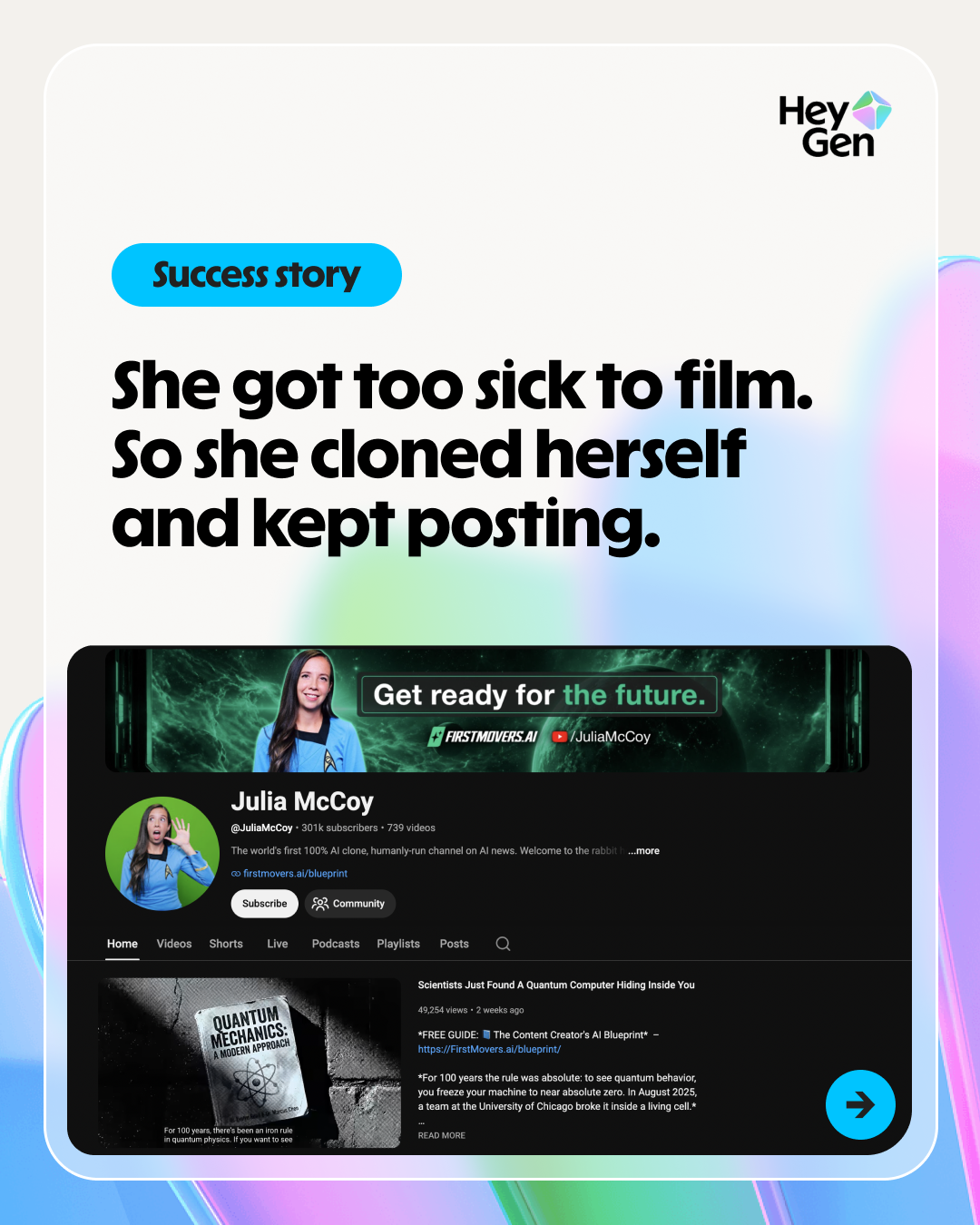
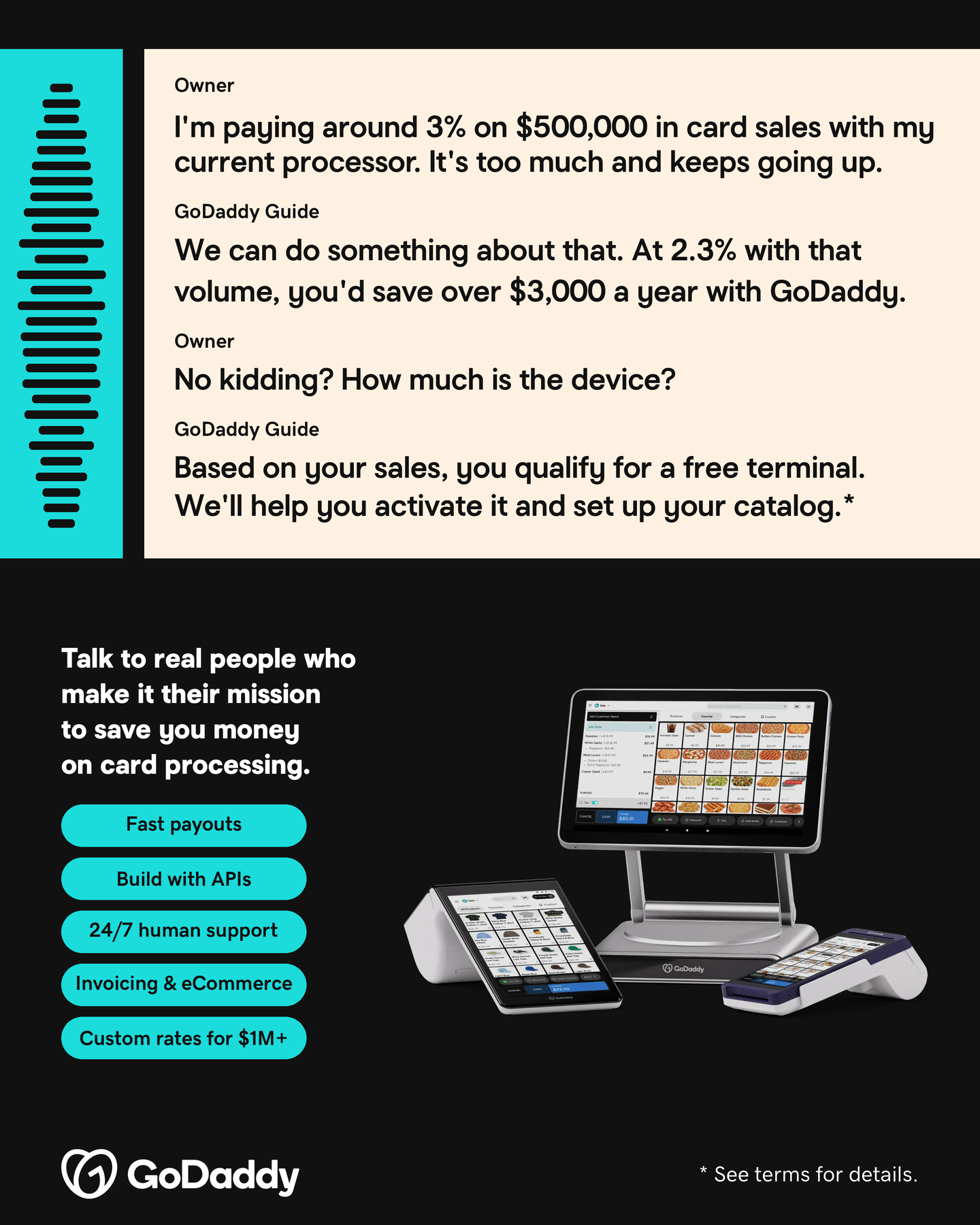
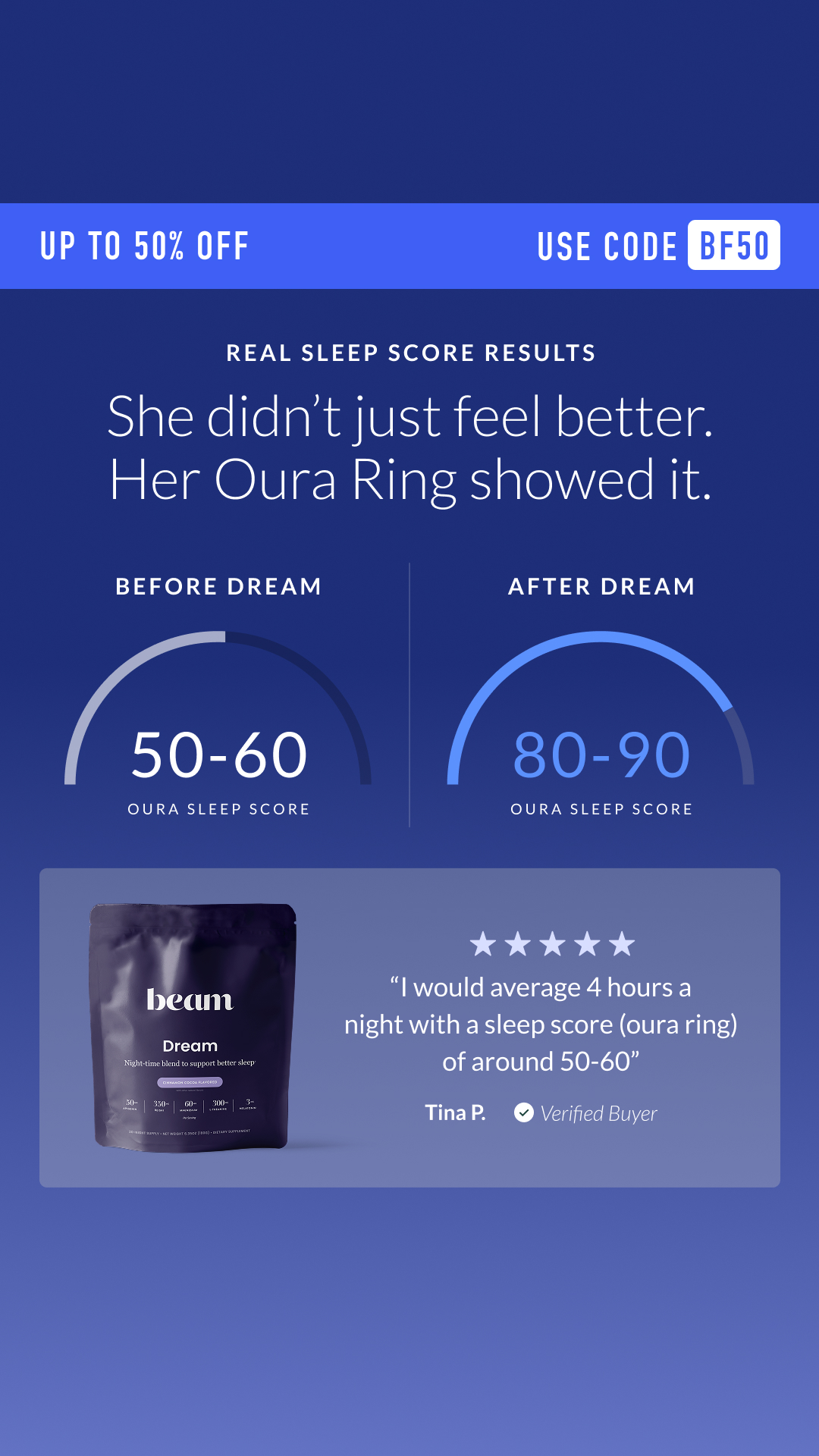




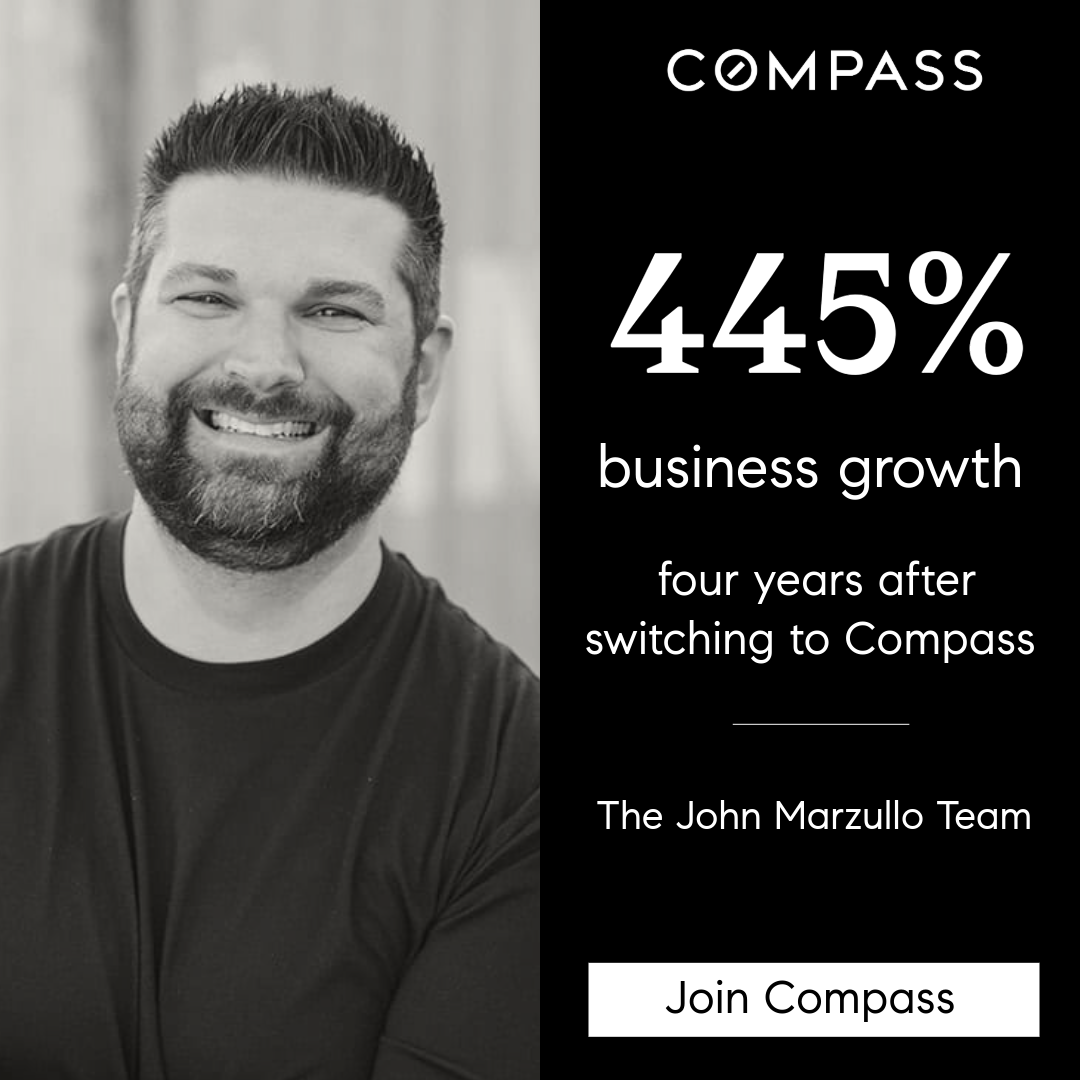






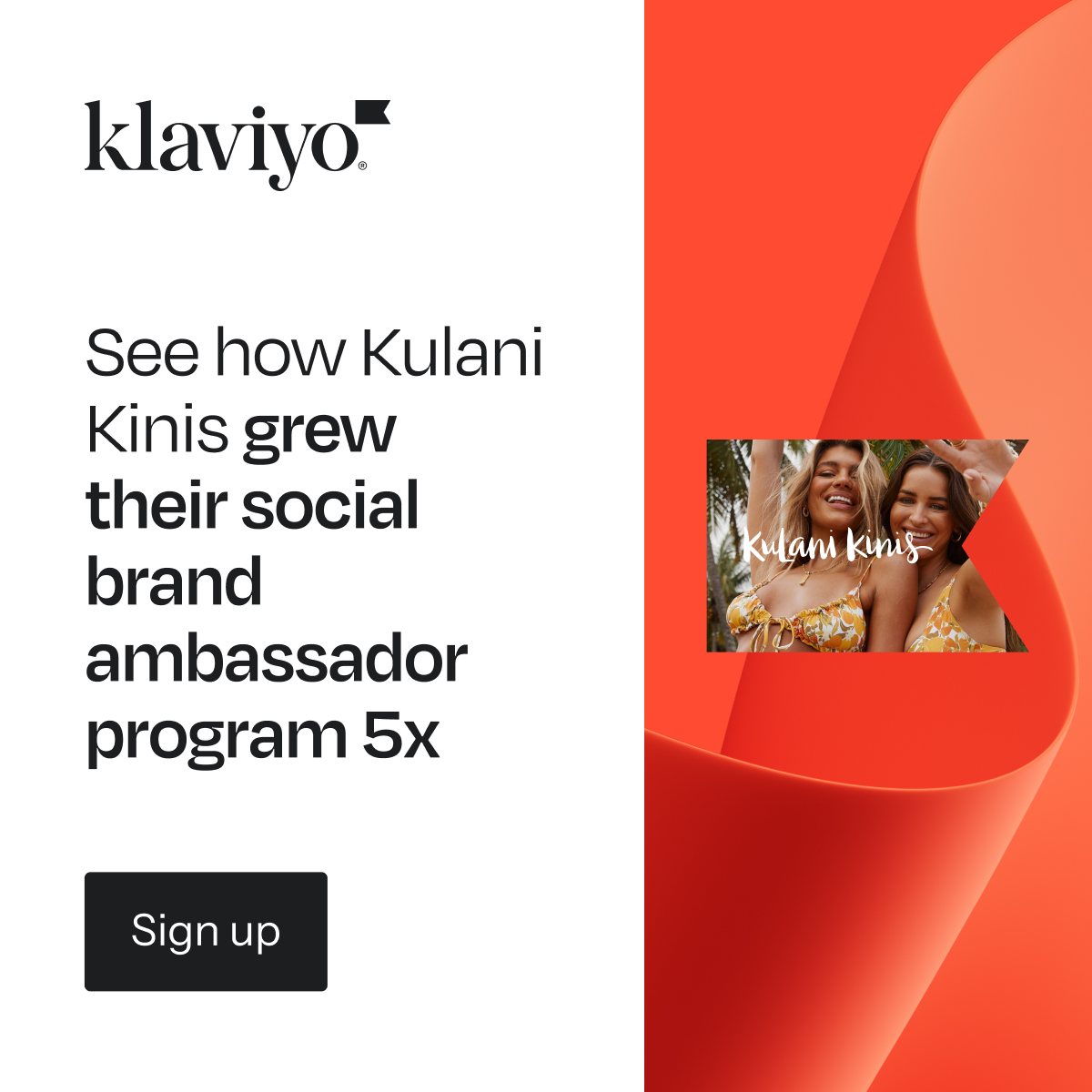
Top brands running Case Study ads
What are Case Study ads?
A case study ad tells one customer's story from start to finish: who they are, what problem they had, what they did with the product and what changed. The creative usually shows a name or a company, a before state and a result, and it may use their numbers, a short quote or a screenshot of the outcome. As a visual format it is about structure, a complete story in a single ad, instead of one quote or one claim. It is different from a testimonial ad, which centres on a customer's own words, and from a review ad, which shows a rating. It suits products with a considered purchase, where the buyer wants evidence from someone in a similar situation.
When to use Case Study ads
- Your product is a considered purchase, such as software or a service, and buyers want to see it work for someone like them.
- You have a customer with a clear before and after that you are allowed to share.
- Your sales team keeps hearing the same objection, and one customer story answers it better than a feature list.
- You sell to businesses, and a named company or role makes the story relevant to the viewer.
- You are retargeting people who visited the site and need proof before they commit.
Case Study ad best practices
Start with a customer the viewer resembles
State who the customer is in the first line, by role, size or situation. The viewer should think that is like me before they read the result.
Show the starting problem plainly
A story with no real problem has nothing to resolve. Describe the situation the customer was in before, in terms the buyer would use themselves.
Use the customer's real figures
Name the result with figures the customer has confirmed, and say what period they cover. Rounded or vague results lower the credibility the format depends on.
Keep the story short enough to read
A single ad has room for the problem, the action and the result. Link to the full story for the detail and keep the creative to the three beats.
Get permission and keep it
Use the customer's name, logo and numbers only with written consent. A story that the customer later disowns damages more than it earned.
Brands running Case Study ads
Niches with the most Case Study ads
Related formats
Related niches
Case Study ads: frequently asked questions
What is a case study ad?
A case study ad tells one customer's story from the problem to the result, usually with a name, a before state and an outcome. It packages a longer case study into a single ad that a prospect can read in moments.
How is a case study ad different from a testimonial ad?
A testimonial ad centres on what the customer says in their own words. A case study ad tells a structured story with a starting point, an action and a result. One ad can use both, with a quote set inside the story.
Which products suit case study ads?
They suit products with a considered purchase, such as software, services and courses, where buyers compare options and look for evidence from a similar customer. Low-cost impulse products rarely need the structure.
Do I need numbers for a case study ad?
Numbers help, but only ones the customer has confirmed. If you cannot share figures, a clear before and after described in plain words can still carry the story.
Where can I find case study ad examples?
The gallery above shows case study ads collected from real Facebook and Instagram advertisers. Sign in for free to open the first 100 ads of every list, or ask your AI agent to pull examples for your niche.
Other formats
- Text Overlay
- Product Image
- Lifestyle Image
- Headline
- Model Shot
- Studio Shot
- Graphic Overlay
- Illustration
- Certification Badge
- Collage
- Branded Asset
- Infographic
- Flatlay
- UGC Selfie
- Split Screen
- UGC Overlay
- UI Mockup
- App Mockup
- Offer-First Banner
- Before and After
- Screen Recording
- Feature Benefit Pointout
- Testimonial
- Cinematic B-Roll
- Editorial
- Review
- Animation
- Demo
- Unboxing
- Frame
- All formats