
87 Meme Ad Examples
A meme ad is an ad built on a meme template people already know, with the text rewritten to sell a product. Below are real meme ads that brands ran on Facebook and Instagram, so you can see what they kept from the joke and what they changed.
Meme ads
87 ads · a new mix each day
Niche, asks you to sign in
Hook, asks you to sign in
Brand, asks you to sign in
Status, asks you to sign in
Type, asks you to sign in
SortDefault, asks you to sign in
Winning means kept running: brands rarely keep paying for ads that lose.
87 ads
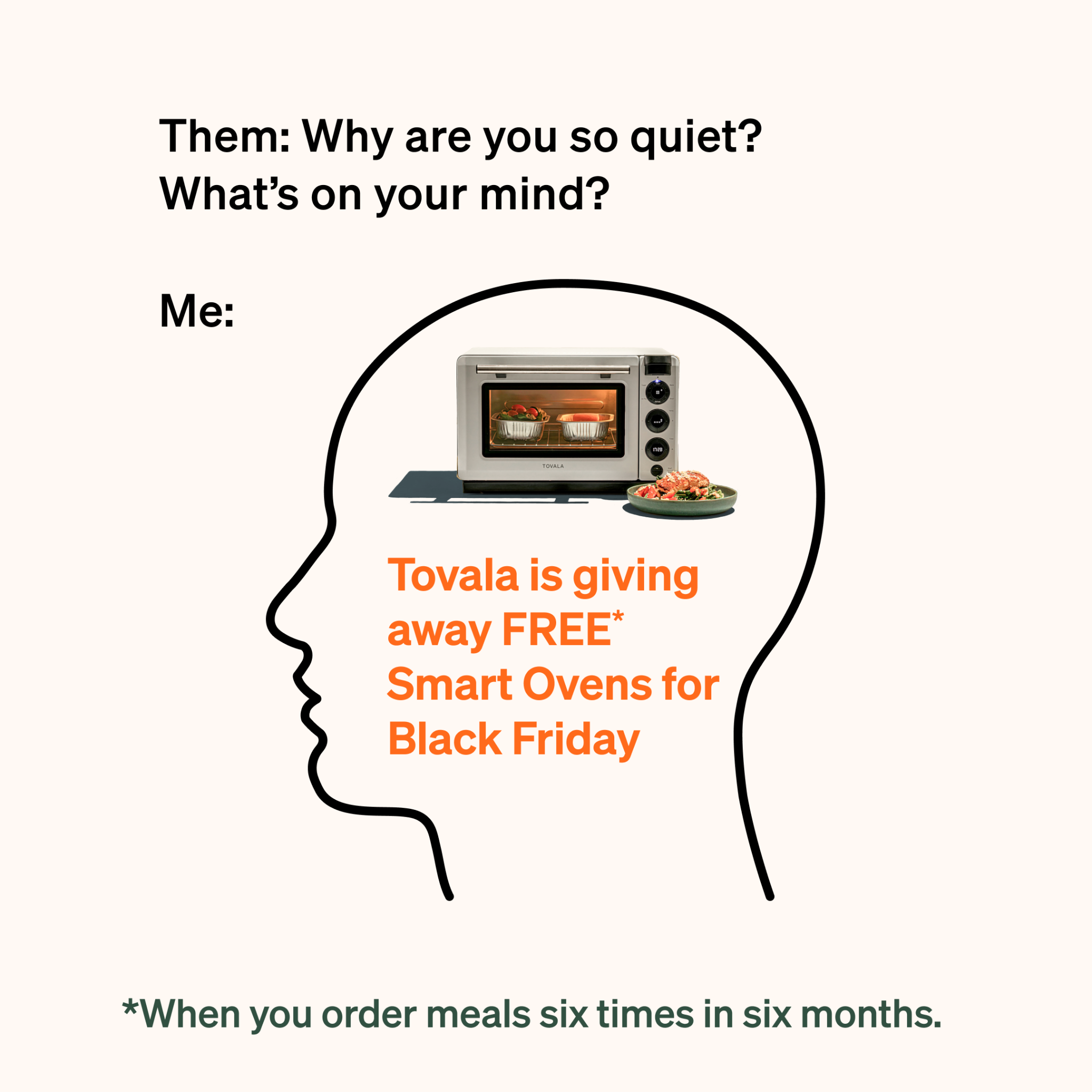
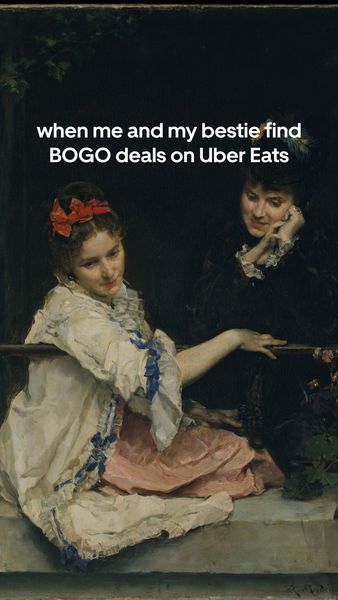

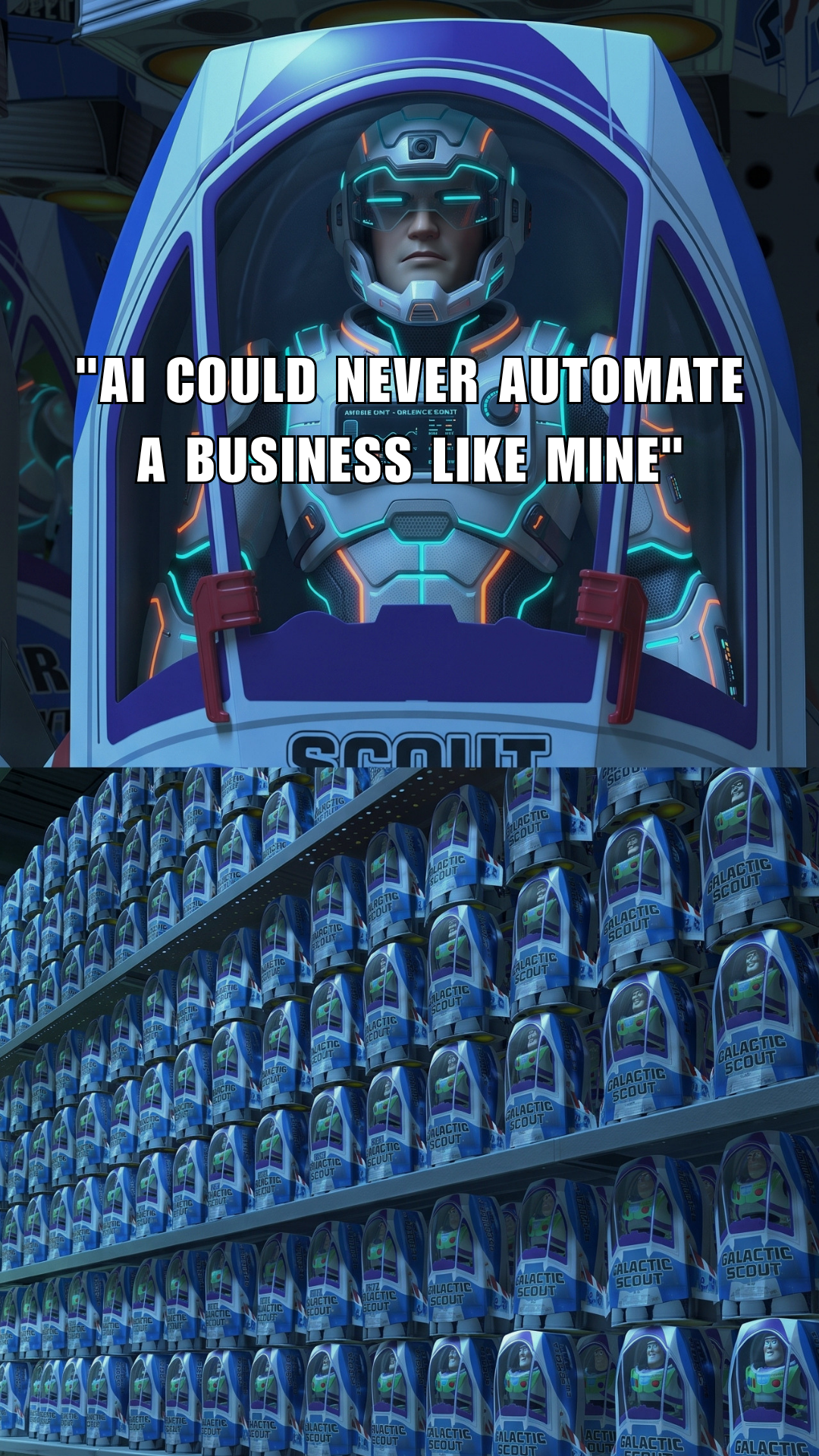
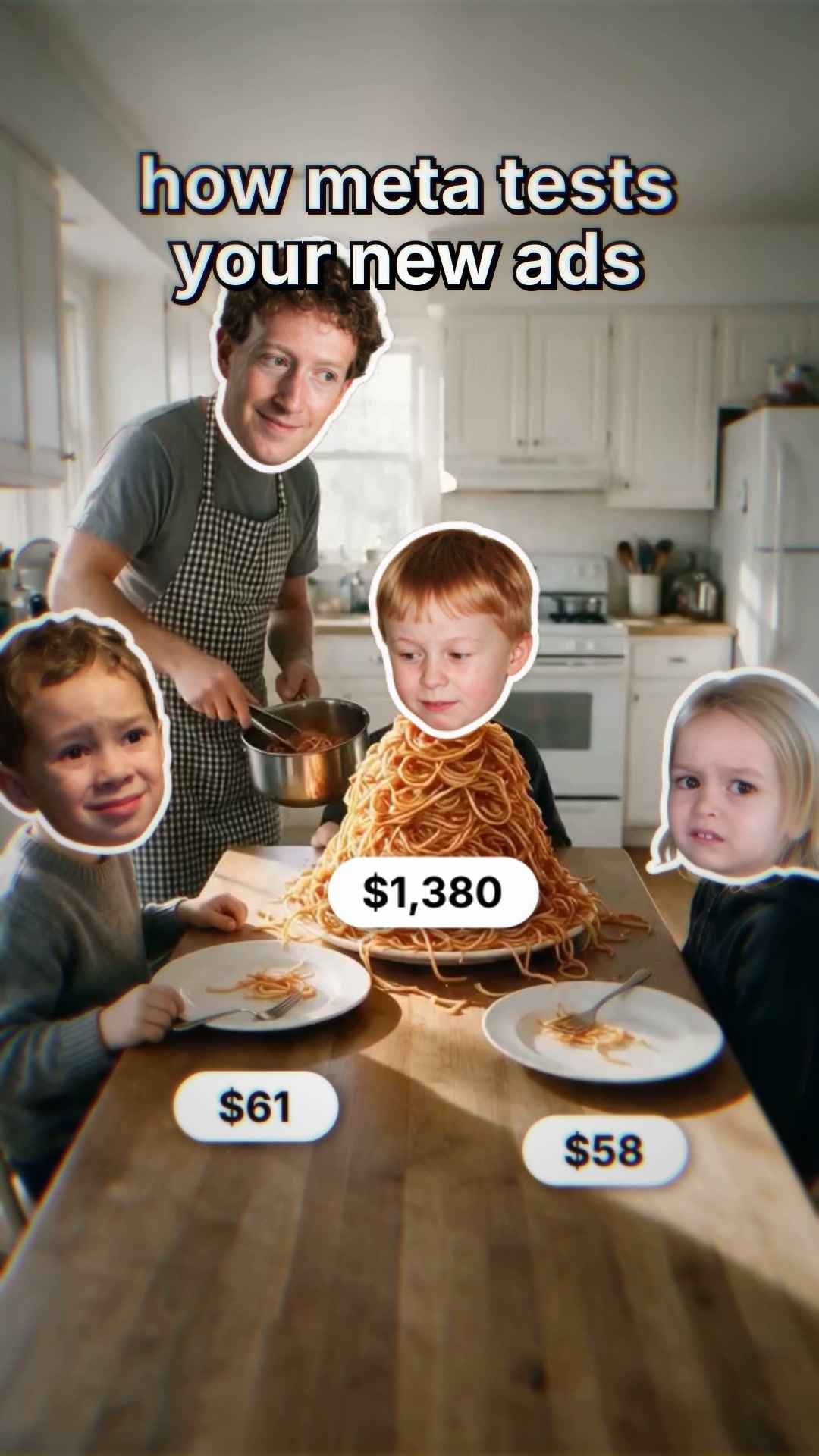
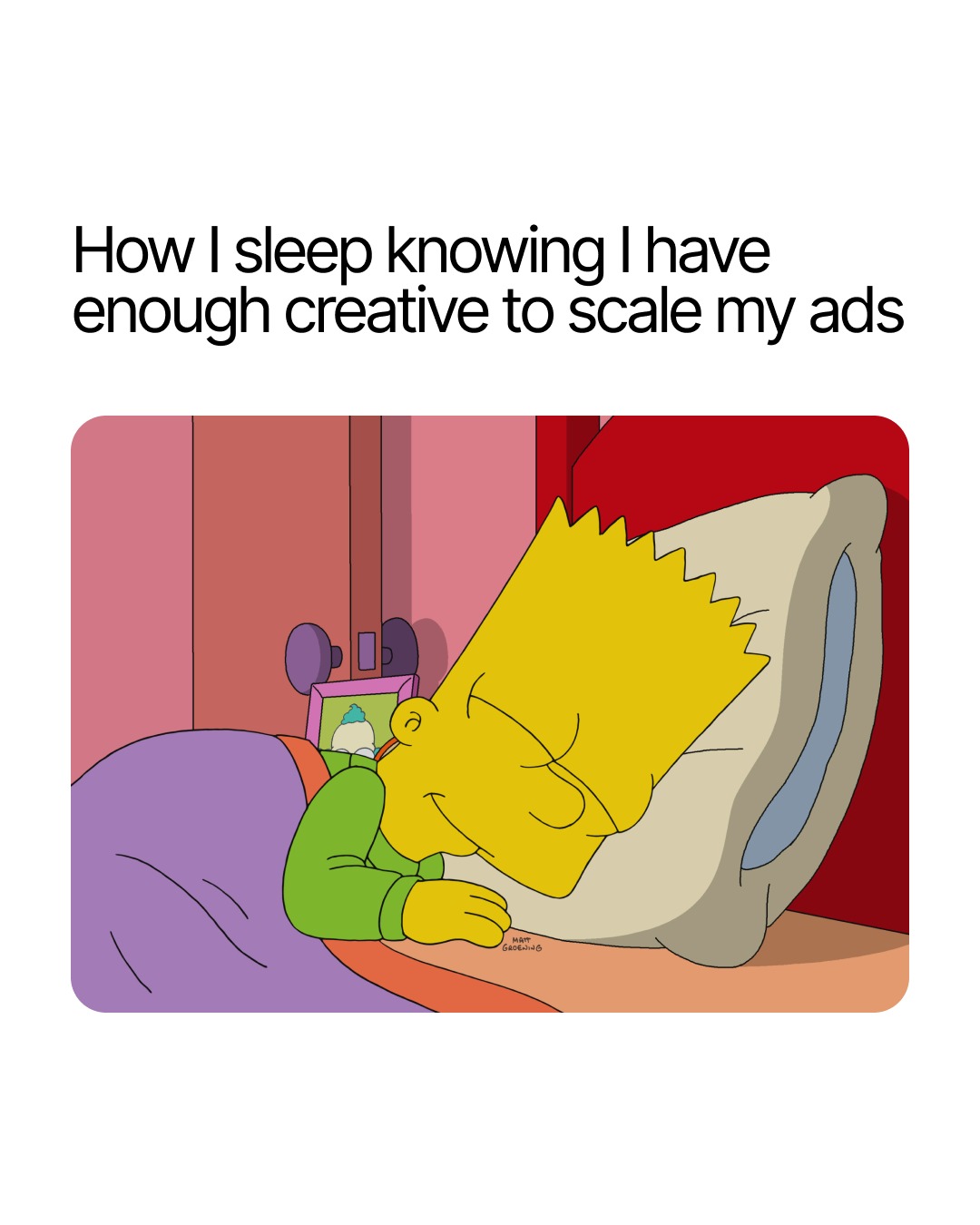
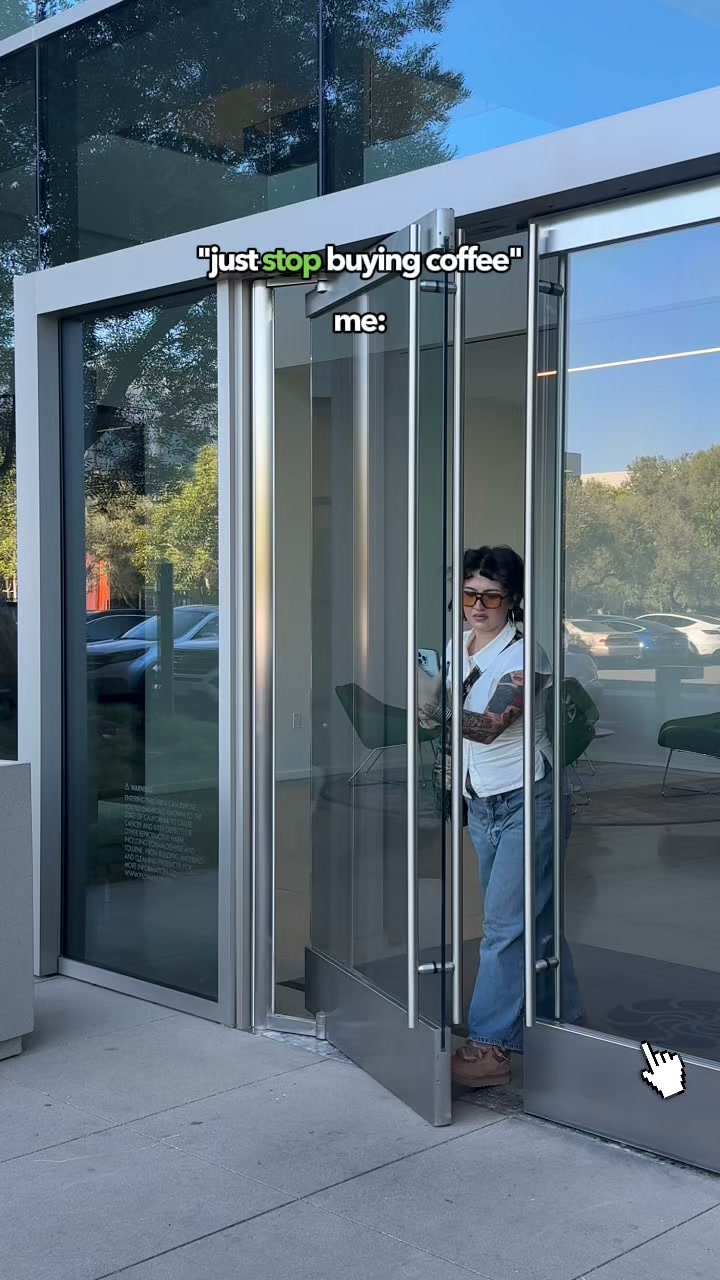

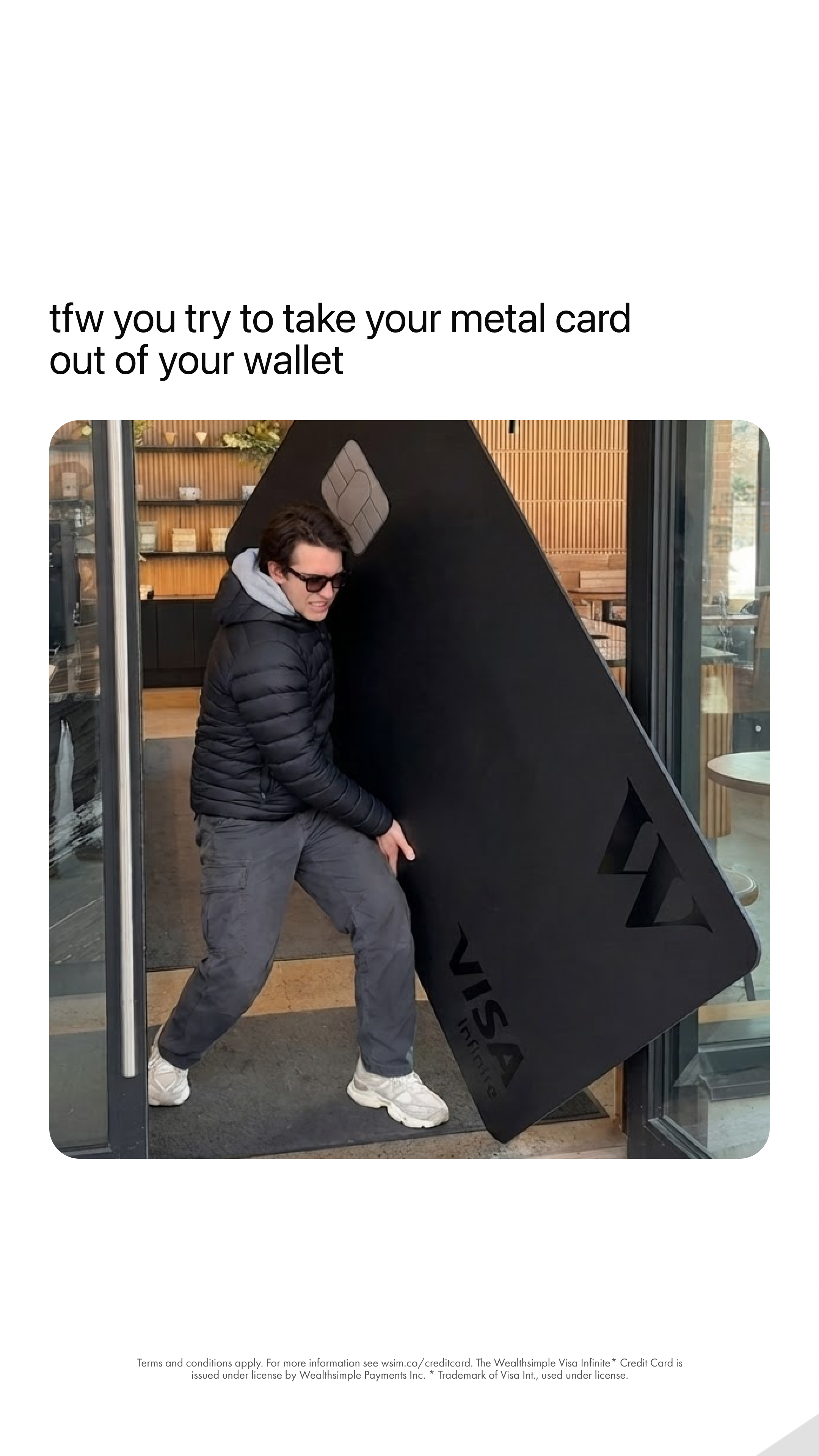
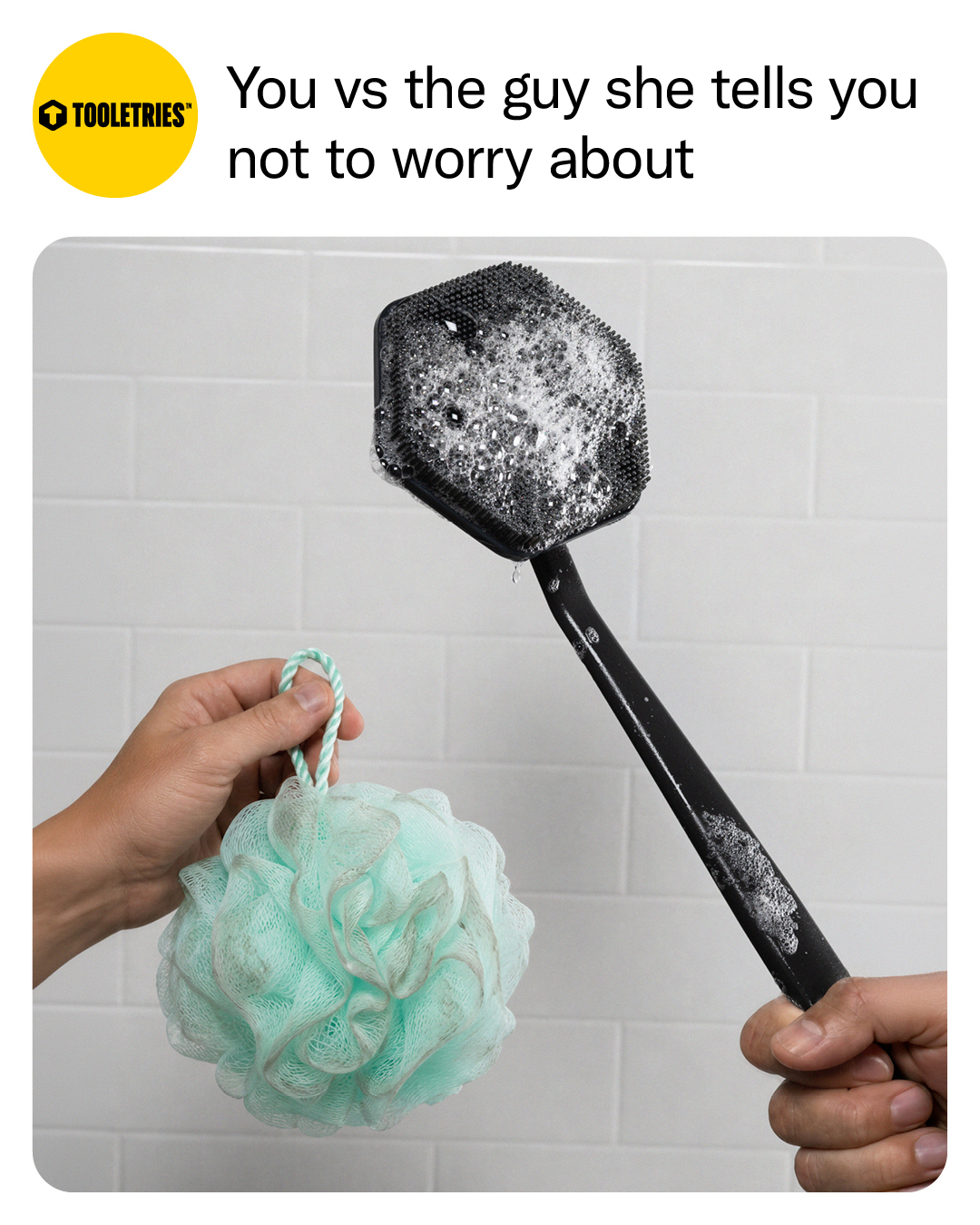
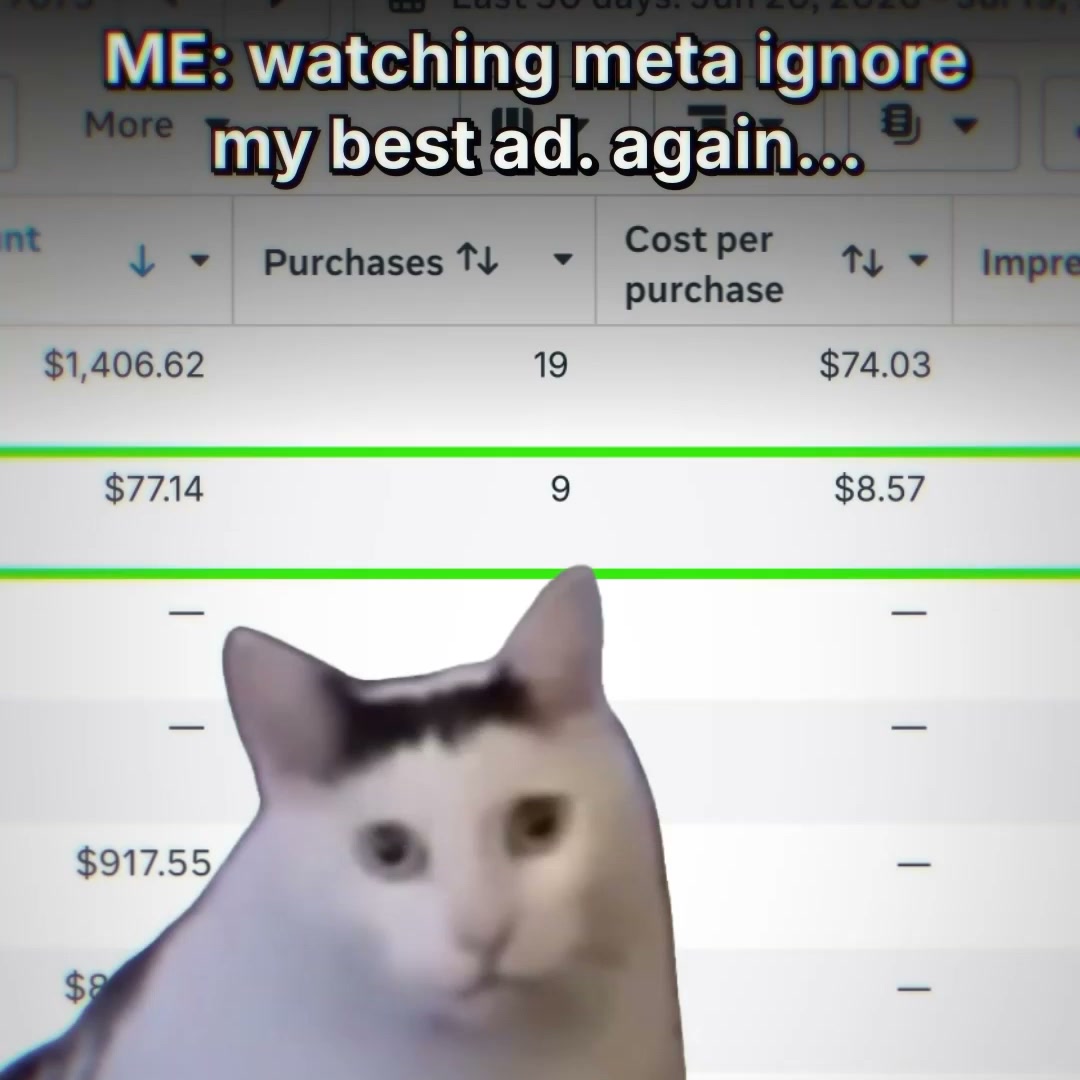
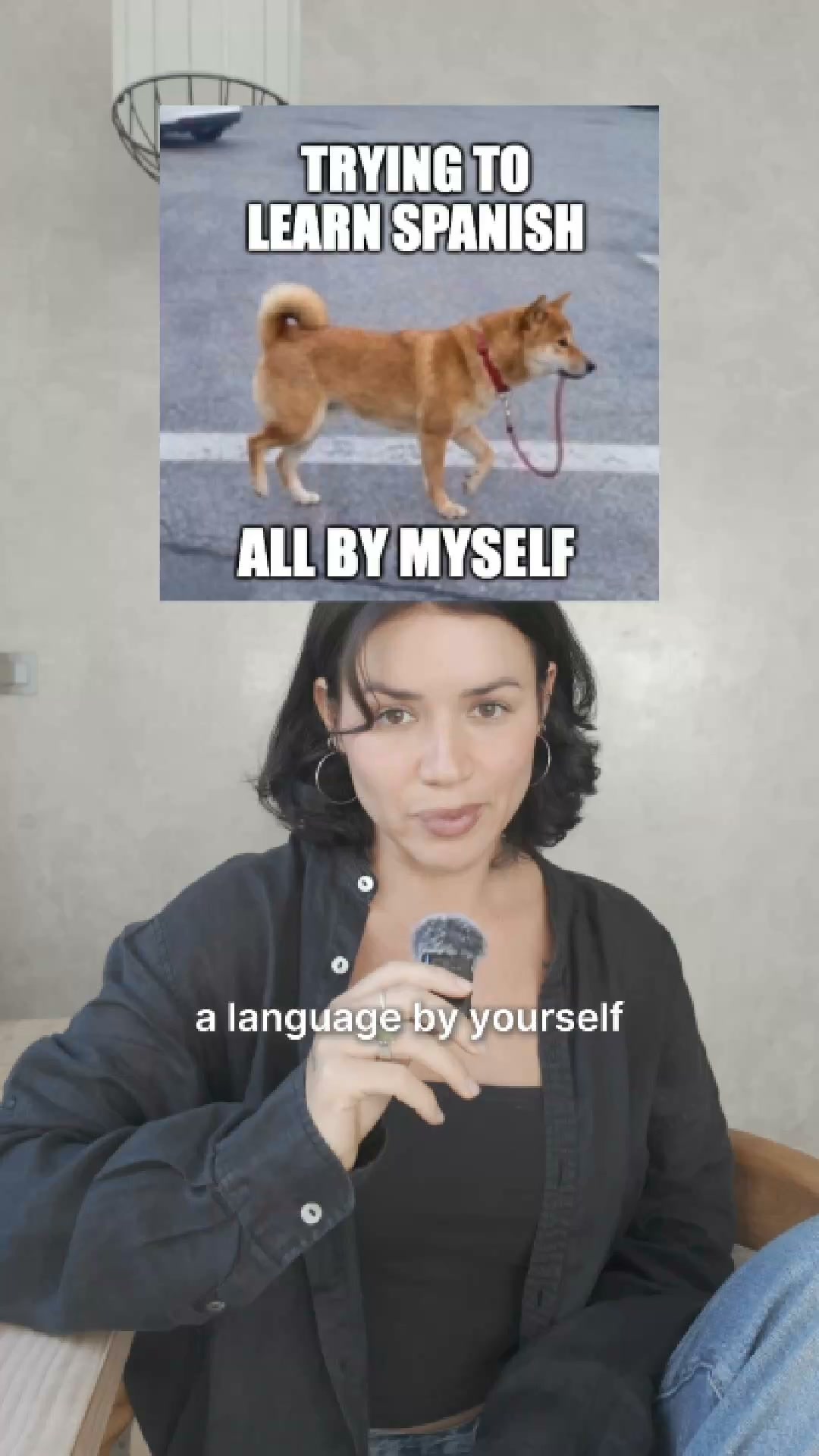

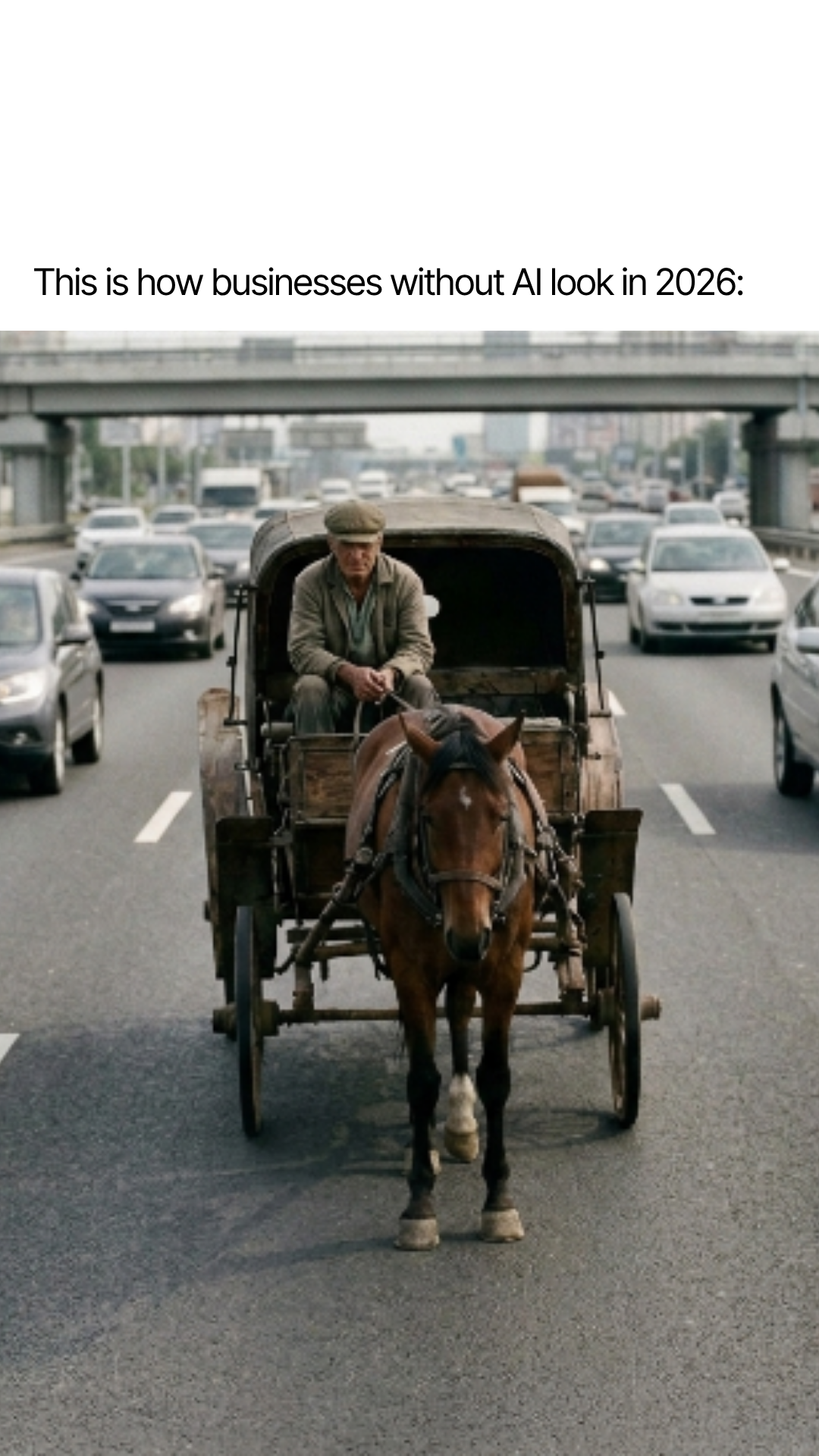
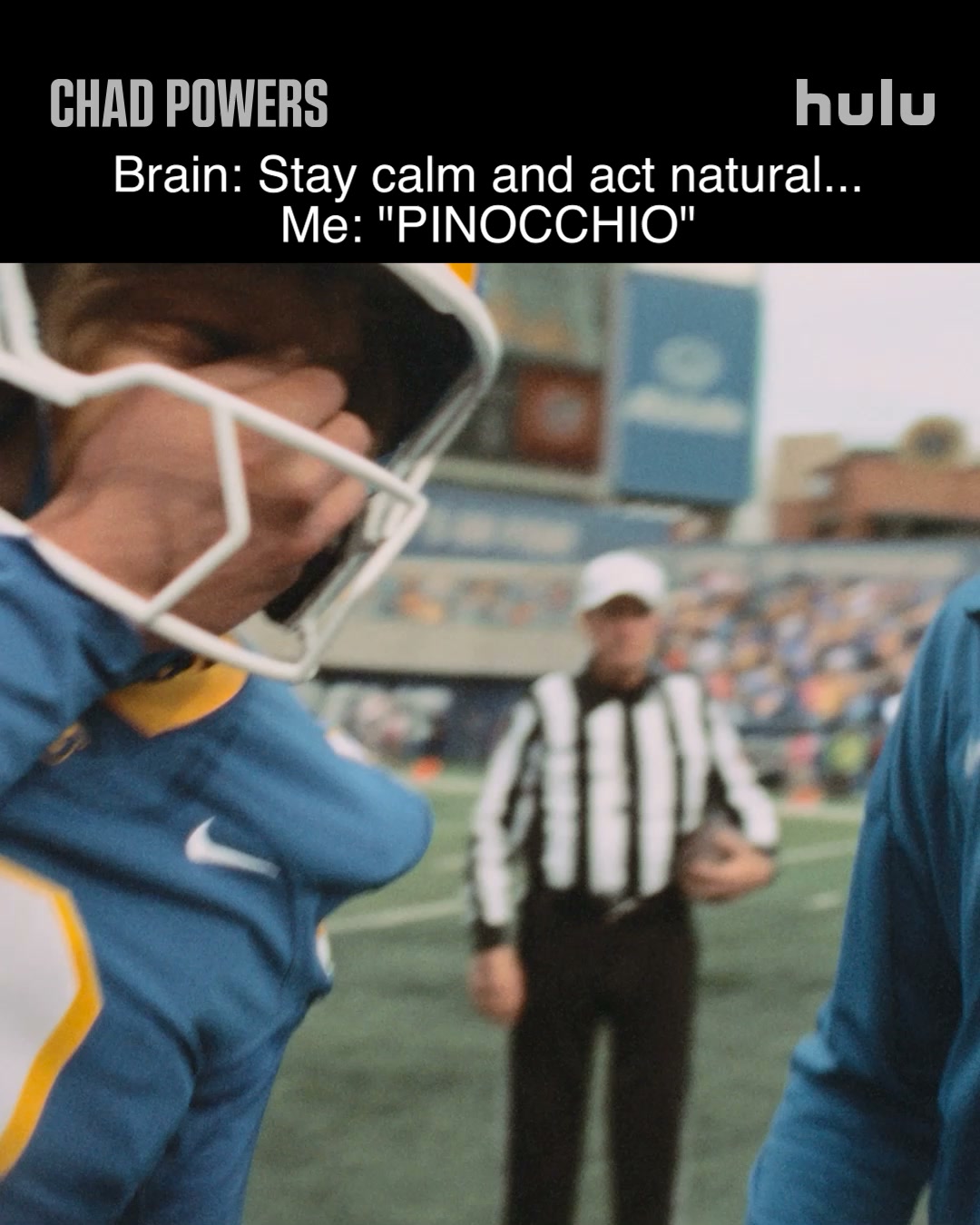
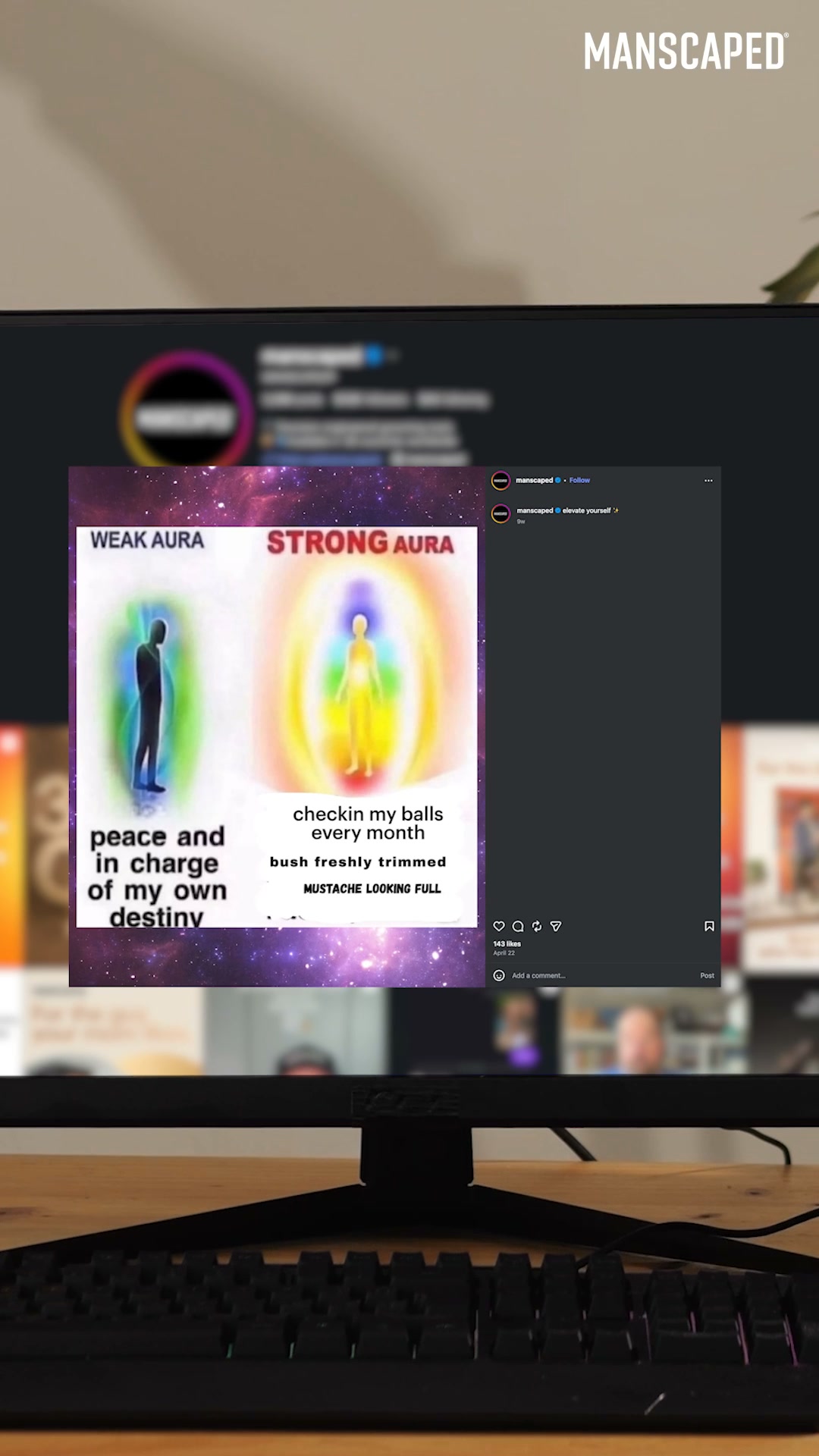

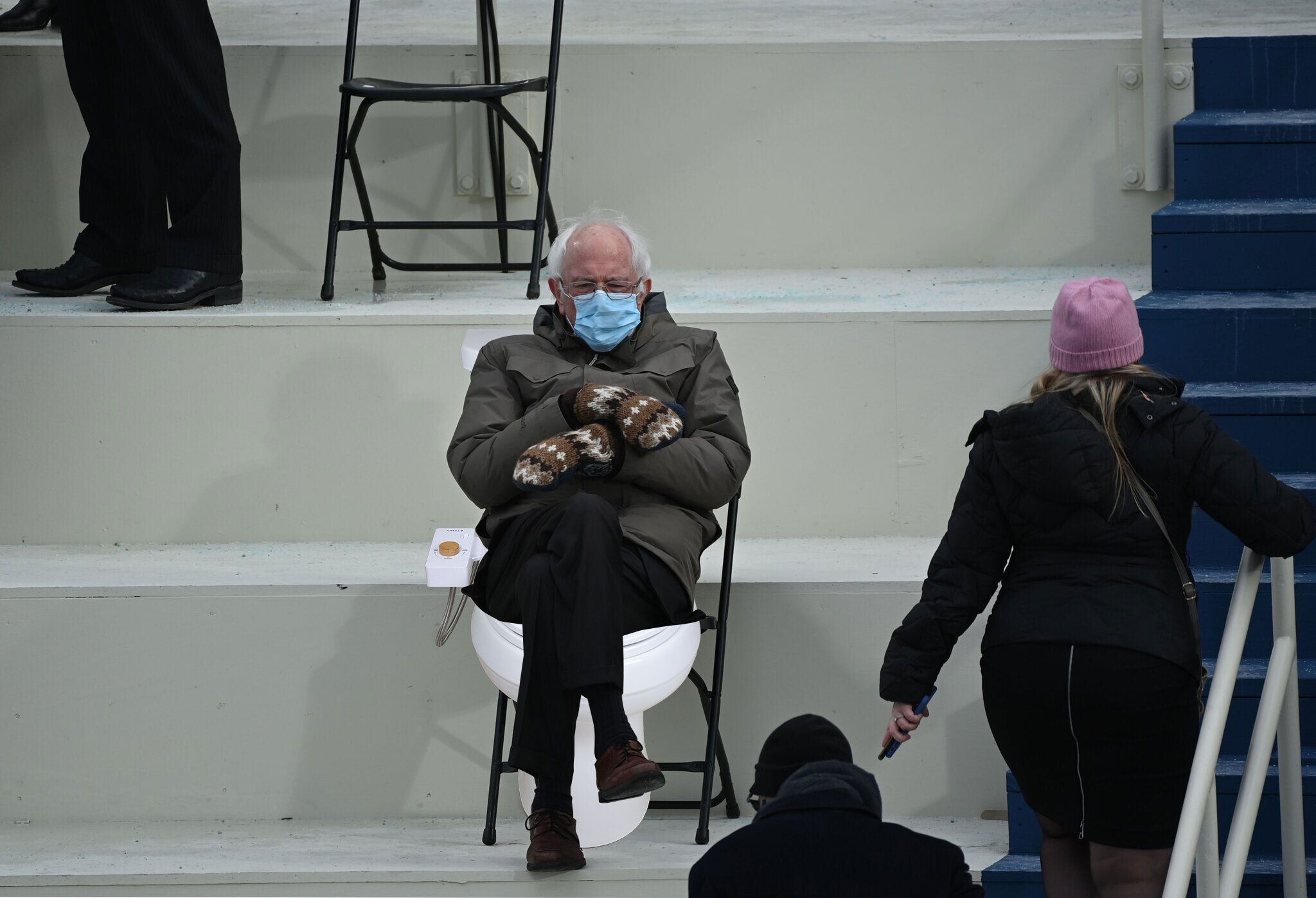
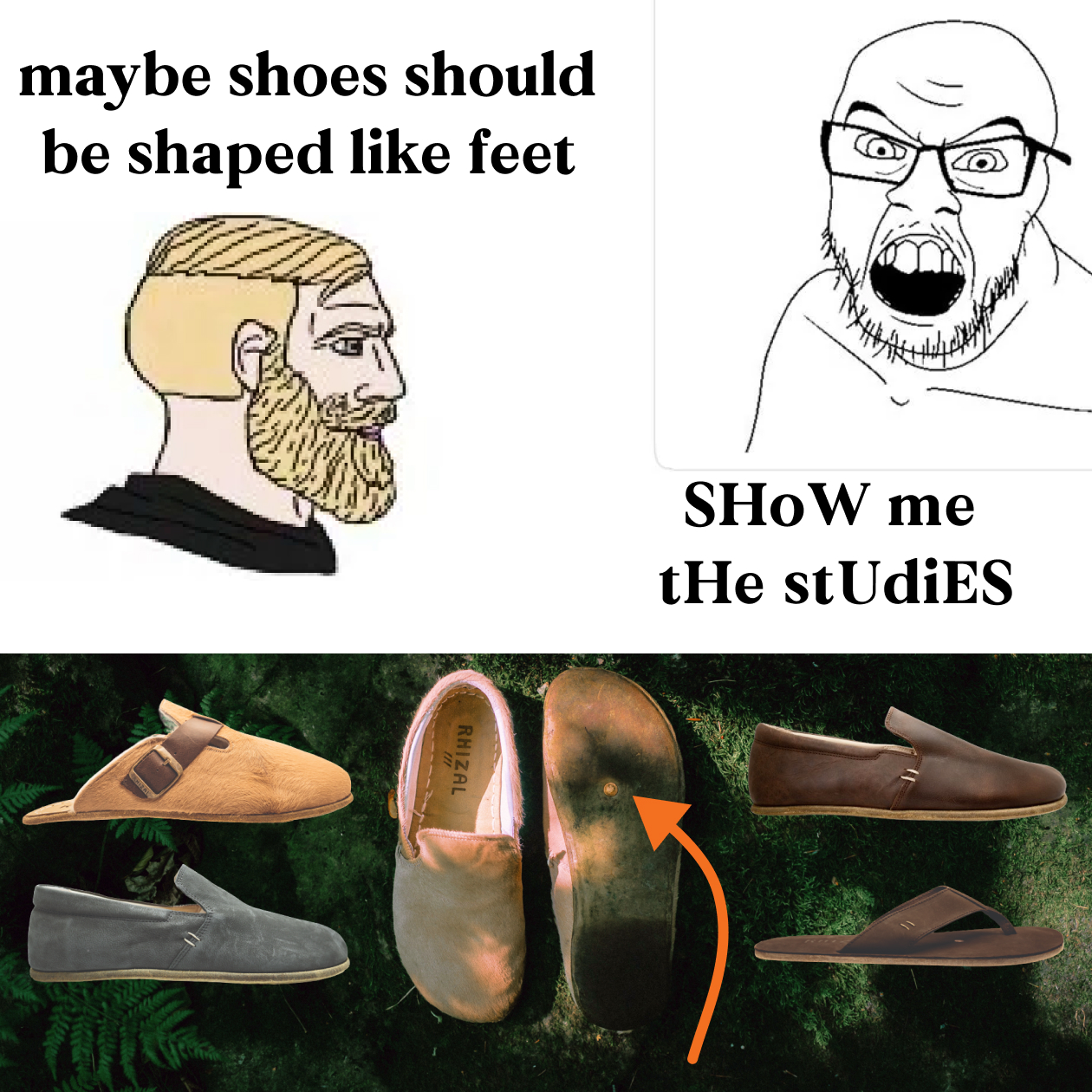
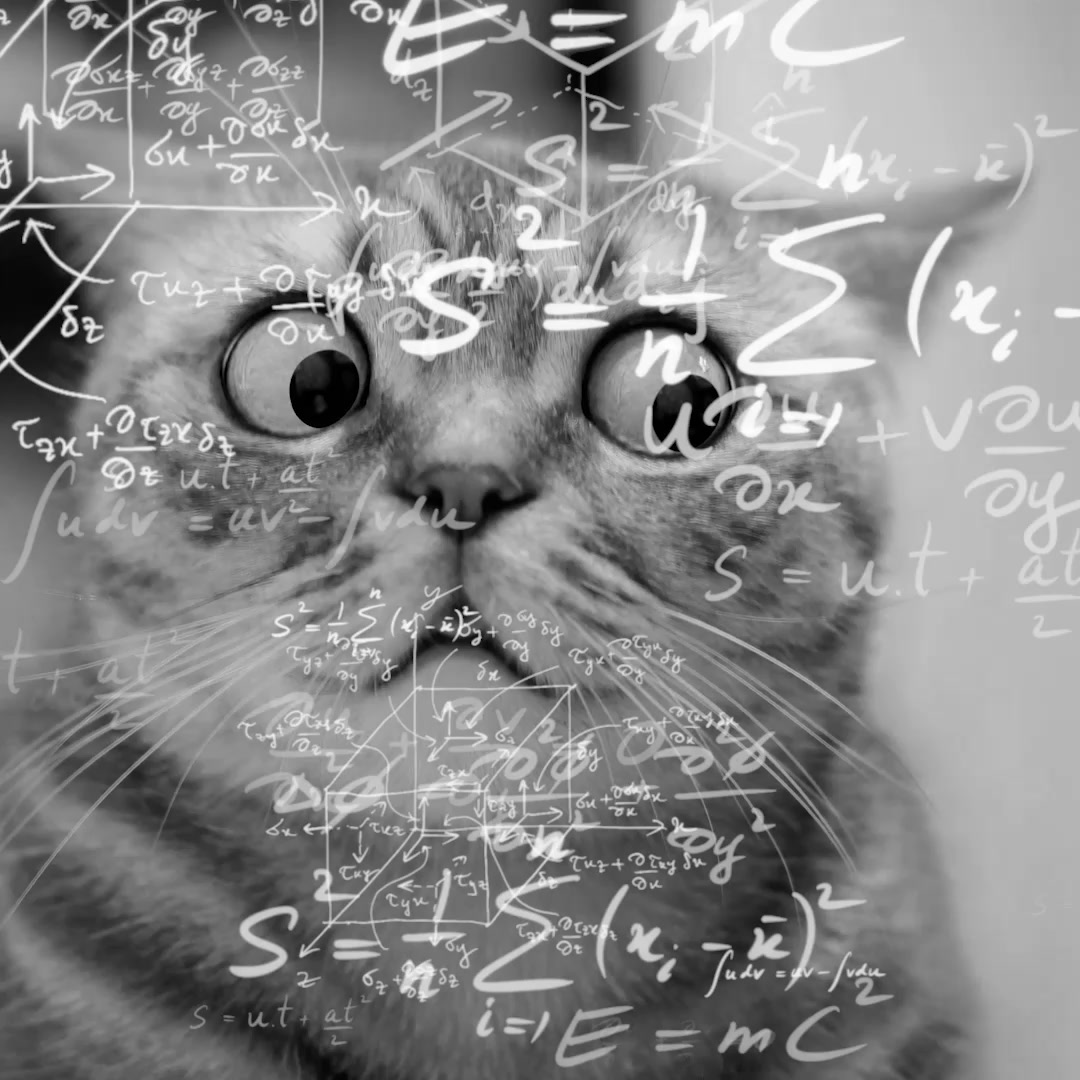
- Ads
- 87
- Top niche
- App and Software
- Top hook tactic
- Relatability
- Most ads from
- Fiverr
- Longest run
- 774 days
How this format is built
Anatomy of a Meme ad
A meme ad uses a recognisable meme template as the creative: a reaction image, a two-panel comparison, a screenshot with a caption, a popular format with the text swapped for a line about the product. The viewer gets the joke before they register that it is an ad, so the format earns attention in a feed where polished creative is easy to scroll past. What makes it a visual format is the borrowed template and the casual, user-made look, not the topic. It is different from humor as a tone, because a funny line on a plain background is not a meme, and different from a trend ad, which rides a current sound or challenge rather than a fixed image template.
Pick a template your buyer actually uses
A meme only works if the viewer recognises it in under a second. Choose templates from the communities your customers read, and drop one that has already gone stale in their feeds.
Rewrite the joke around one product truth
Keep the template's structure and swap in a single, specific pain or benefit. If the caption needs a second line to explain the joke, the joke is not landing.
Keep the look rough on purpose
Heavy polish breaks the illusion that a person made it. Plain fonts, a screenshot crop and uneven spacing read as native, while a branded frame reads as an ad.
Make the product or brand easy to find
The viewer should know who the joke is for after one pass. A small logo, a product in the corner or the brand name in the caption keeps the laugh tied to the offer.
Run several caption variants
The template is the cheap part. Test the same image with different punchlines and different pains, then keep the line that gets the most replies and saves.
It is a Meme ad when
- The creative reuses a meme template people already know: a reaction image, a labelled panel layout or a captioned screenshot.
- The words on it are rewritten so the joke lands on the product, its buyer or the pain it fixes.
- It looks made by a person for a feed, with plain type and little or no brand styling.
Near misses
- A funny line on a plain or branded background with no borrowed template is humor or a headline, not a meme.
- A video riding a sound, dance or challenge of the moment is a trend, even when it is funny.
- A screenshot of real comments or a real post, with no template joke, is social comments or a social media mockup.
Quick test
Would someone who has never seen the product still recognise the template?
Related formats and niches
Ask your AI agent about Meme ads
Claude or ChatGPT searches the 87 Meme ads here and answers with real ads: the hooks, the niches and the brands that kept them running.
Pull the longest-running Meme ads and their hooks
Ranked by how long the brand kept them running on Meta
Write five hooks for my product from these Meme ads
Each with the real ad it learned from
How does Fiverr build its Meta ads?
Formats, hooks and offers across its 10 ads here
Questions about Meme ads
- What is a meme ad?
- A meme ad is an ad whose creative is a meme template, rewritten with a line about the product. The viewer recognises the format first and the sales message second, which is why it can feel less like an ad than a studio-made image.
- Do meme ads work?
- They suit brands that talk to an audience fluent in internet humour and that can joke about a real pain. The format is cheap to make, so it is easy to test several captions on one template. A brand in a serious category, such as health or finance, can still use it, but the template and tone need more care.
- How do you make a meme ad?
- Pick a template your buyers already share, keep its structure and replace the text with one specific pain or benefit of the product. Keep the look rough, put the brand or product where it is easy to spot, and write a few caption variants to test. The gallery above shows what real advertisers kept and changed.
- Can you use a meme in an ad without copyright problems?
- Many meme templates are frames from films, TV or photos that someone owns, so using them to sell is not the same as sharing them for fun. Brands often recreate the layout with their own photo or illustration, or use a text-only format. Check the rights for your market before you run one; this is not legal advice.
- What is the difference between a meme ad and meme marketing?
- Meme marketing is the wider practice: a brand posting memes on its own social accounts, replying to trends and building a voice. A meme ad is one paid placement, such as a Facebook or Instagram ad, whose creative is a meme template with a line about the product.
- Can I see meme ads from real brands?
- Yes. The gallery above lists meme ads collected from real Facebook and Instagram advertisers. Sign in to search and read the copy of the first 20 ads of every list, or start the 7-day trial to open every ad and ask your AI agent to pull them for your next brief.
- What is the difference between Meme ads and Humor ads?
- Humor is a tone, and any layout can carry it. A meme ad needs the borrowed template; take the template away and a funny ad is humor, not a meme.
- What is the difference between Meme ads and Trend ads?
- A trend rides what is moving on the platform right now, a sound or a challenge, and fades with it. A meme template is a fixed image layout that can stay in use for years.
- What is the difference between Meme ads and Text Overlay ads?
- Text overlay is any caption laid over a photo or clip. In a meme the caption only works because the image under it is a known template.