




1,704 Education Ad Examples
Education ads ask people to commit time and money for an outcome that arrives later. The course and learning ads below show how brands make that first step feel safe and worth it.
Education ads
1,704 ads · a new mix each day
Format, asks you to sign in
Hook, asks you to sign in
Brand, asks you to sign in
Status, asks you to sign in
Type, asks you to sign in
SortDefault, asks you to sign in
Winning means kept running: brands rarely keep paying for ads that lose.
1,704 ads






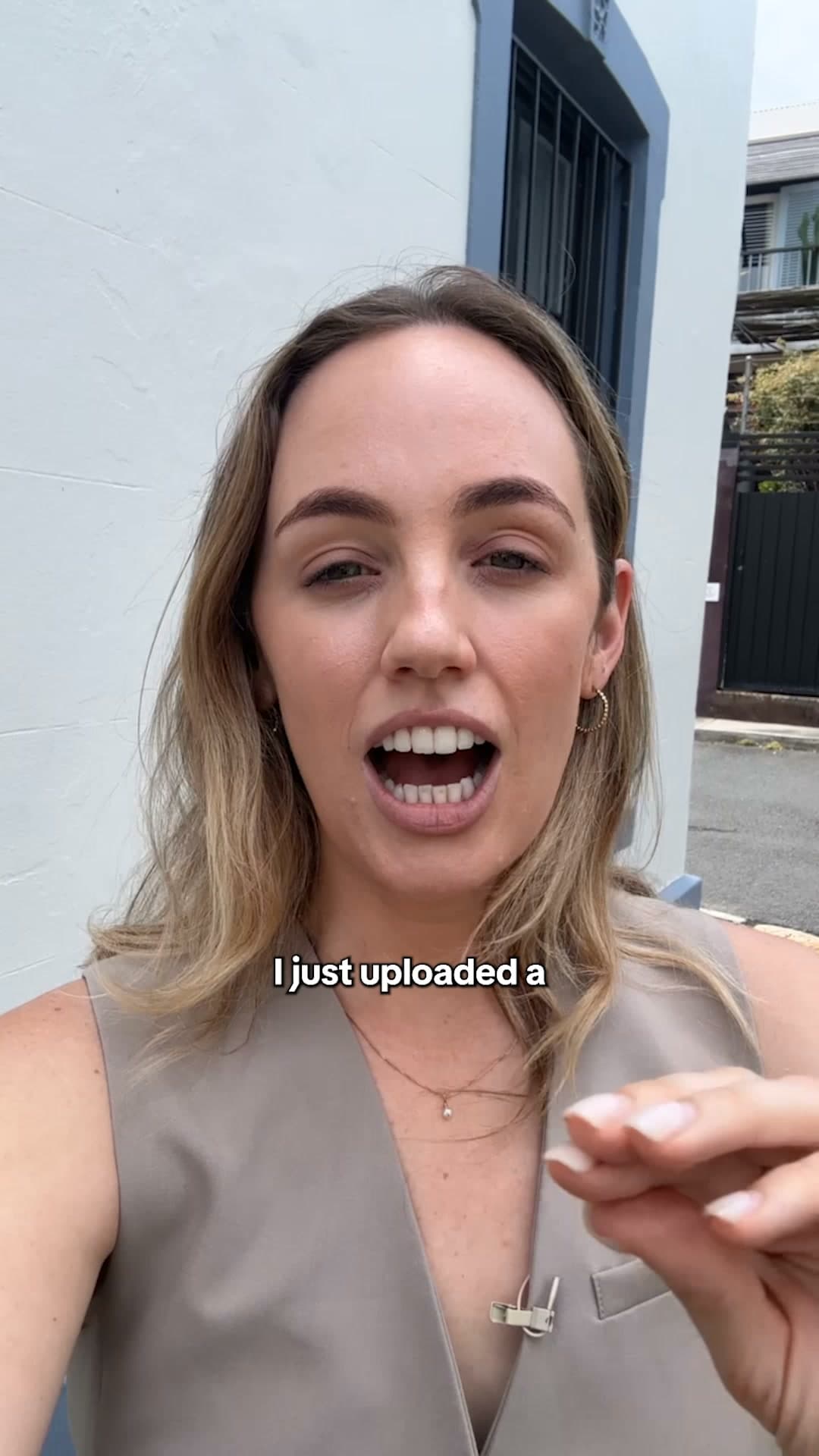

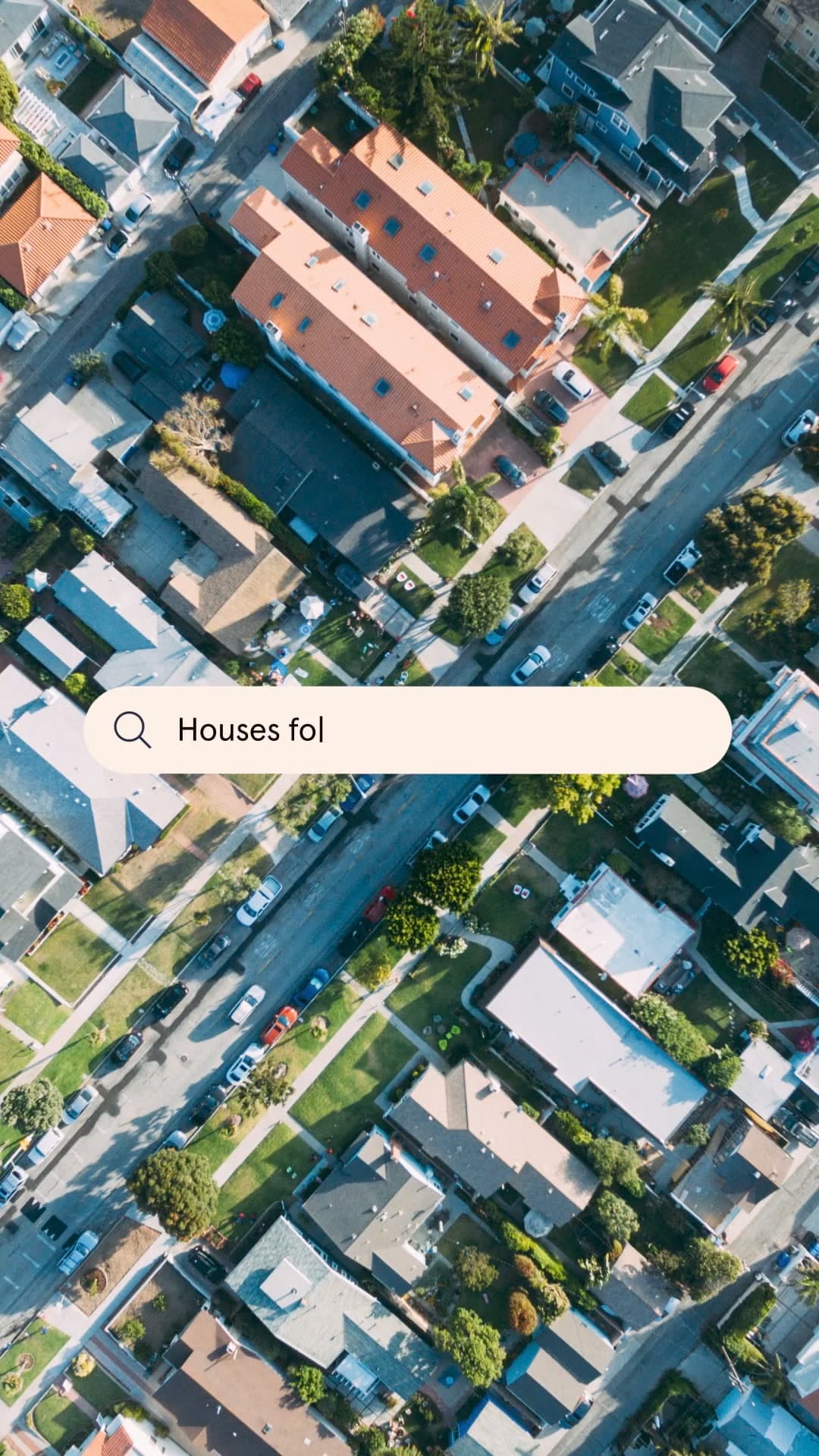
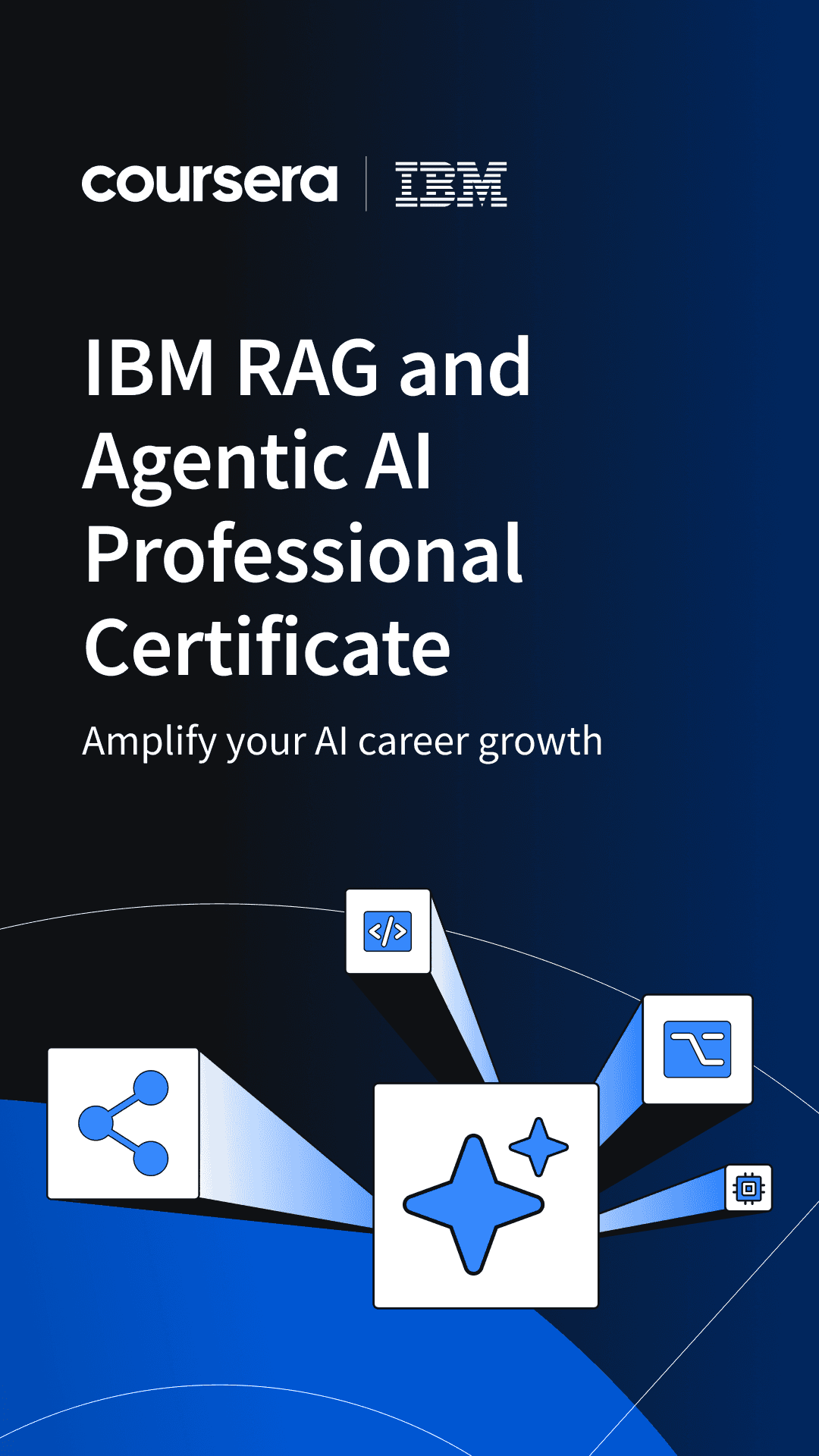
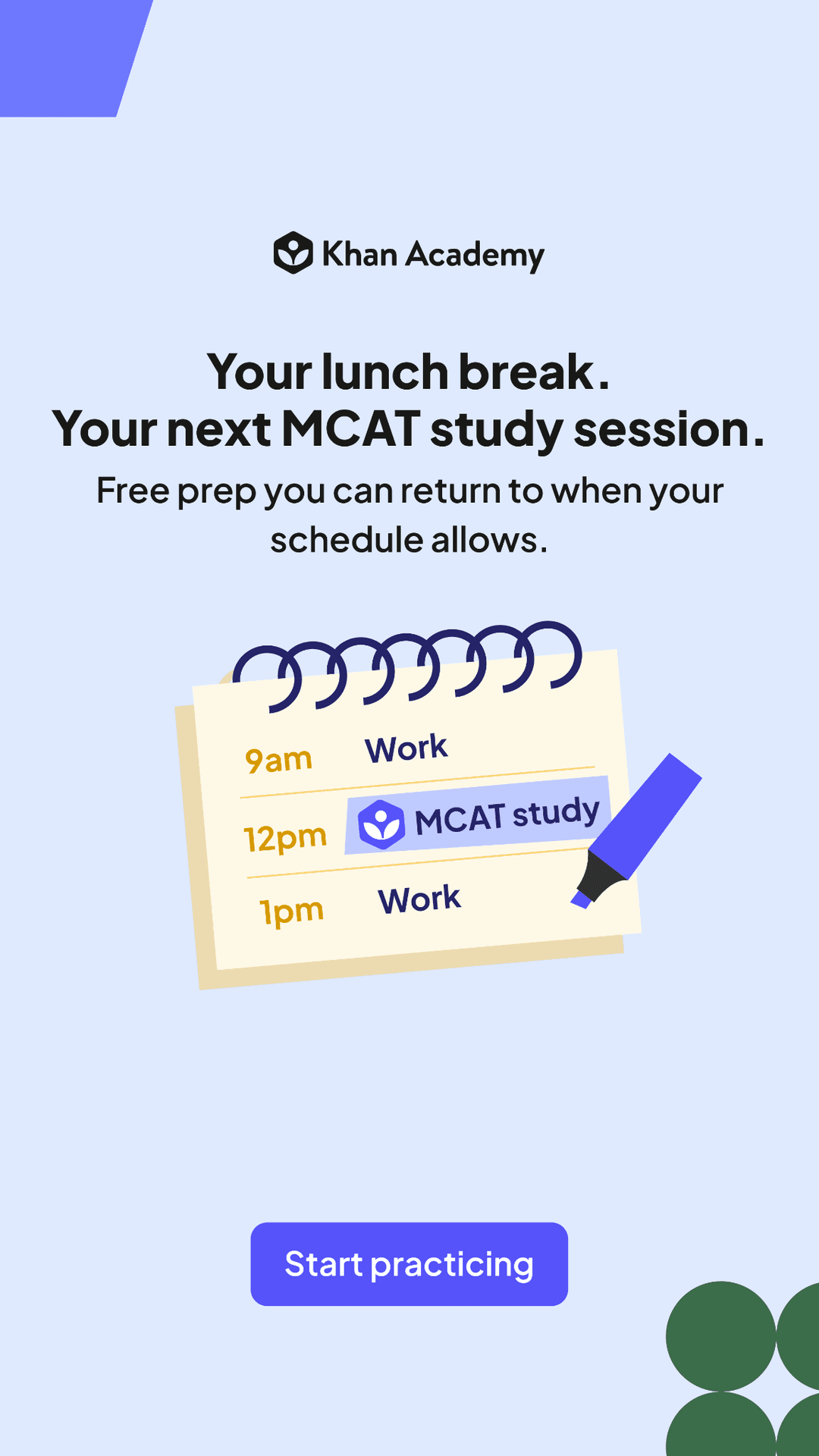


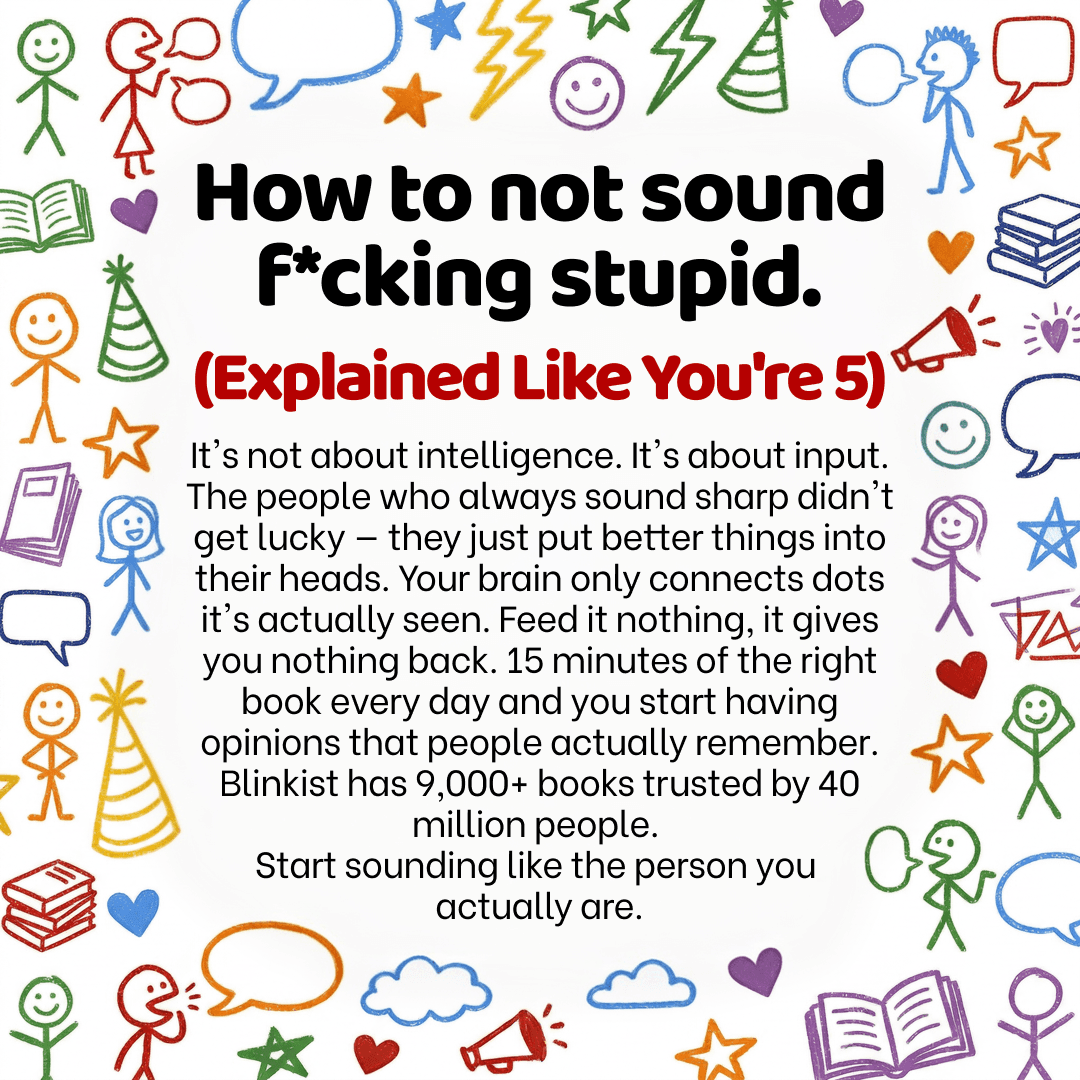
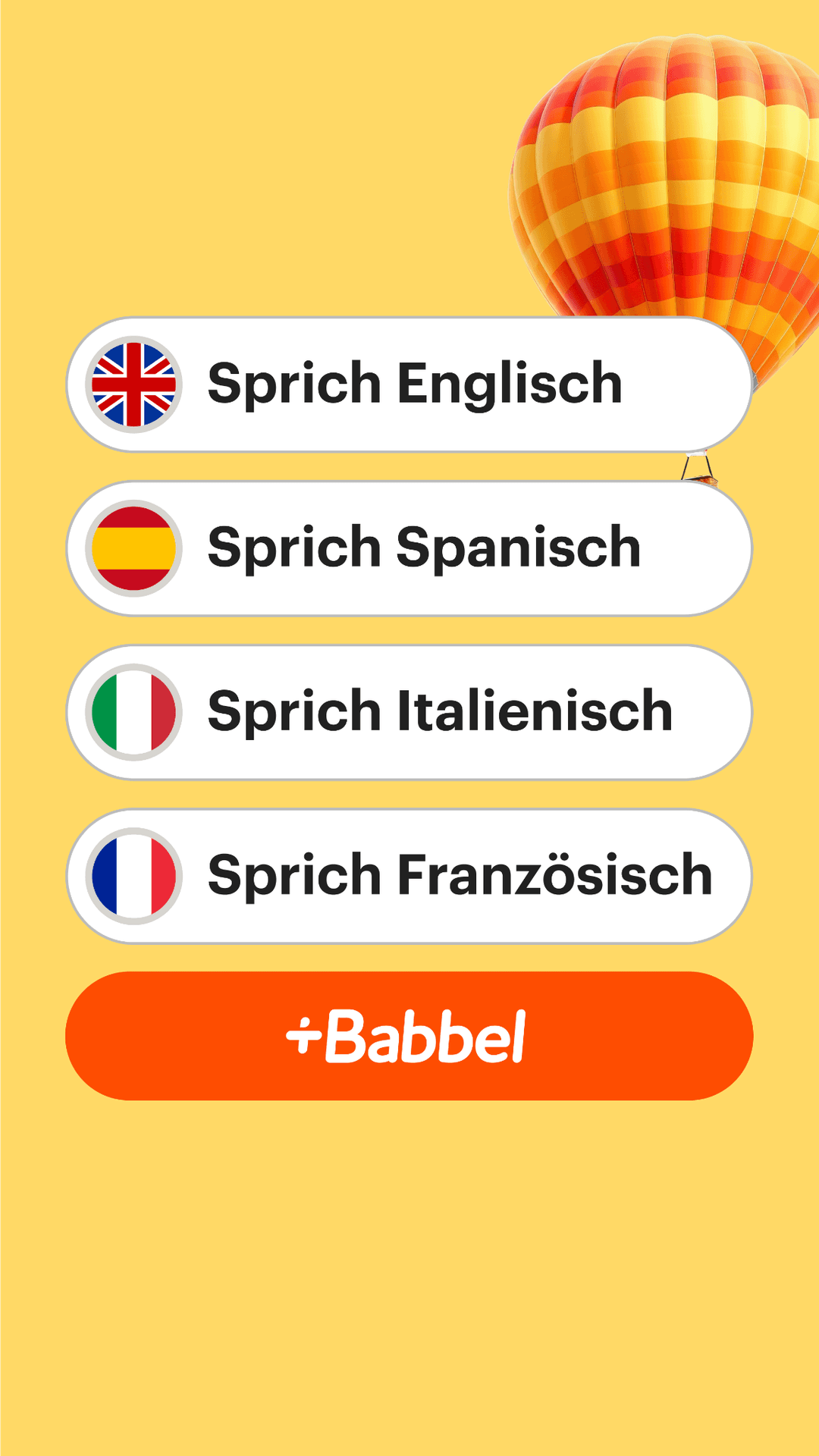
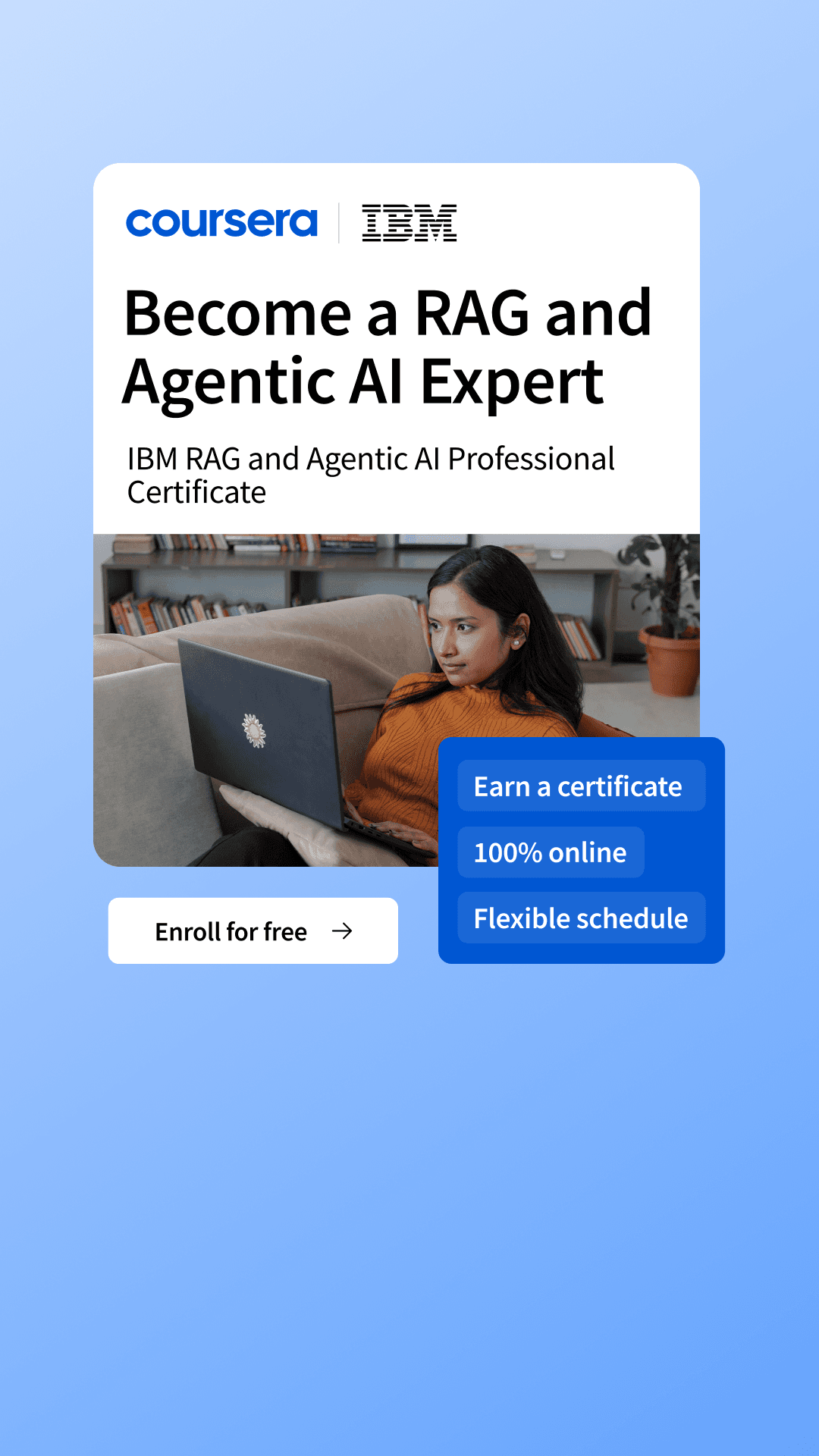
- Ads in this niche
- 1,704
- Most ads from
- Blinkist
- Top visual format
- Text Overlay
- Top hook tactic
- Question
- Longest run
- 863 days
What works in this niche
What the good education ads do
Education advertising covers online courses, bootcamps, universities, tutoring, language apps, test prep and creator-led learning programs. Because the payoff is a skill, a credential or a better job, ads lean on outcomes and proof: student stories, instructor credentials, a syllabus glimpse, a free class or a downloadable guide. Many ads aim for a low-friction first step, such as a webinar, a trial lesson or a quiz, rather than an immediate purchase. Buyers tend to weigh cost, time commitment, credibility and what life looks like after finishing.
- Compare the first step each advertiser asks for, such as a free webinar, a trial lesson, a quiz or a brochure, and note how the button and headline set it up.
- Study how course sellers present instructors and credentials, since trust is the main hurdle in the category.
- Collect student story structures: where they started, what changed, how long it took and what they do now.
- Look at how language apps, tutoring services and universities speak to different audiences, and borrow tone cues that match yours.
- Check how brands handle price, financing, deadlines and enrollment windows, and how urgency is worded without sounding pushy.
Sell the outcome and show the path
Viewers want to know where the course leads, but they also need to see how they get there. Pair the outcome line with a glimpse of the lessons, projects or schedule so the promise feels concrete.
Put the instructor on screen
A real person with a clear background builds trust faster than a stock classroom. Show the teacher in action, explain their experience in one line, and avoid inflated titles you cannot back up.
Be careful with job and income promises
Claims about salaries, job placement or exam results are sensitive and platforms review them under their own policies. State only what you can document, and describe typical paths rather than certain outcomes.
Use a small first commitment
A free lesson, sample worksheet or short quiz lets people test fit without risk. Make that step the focus of the ad, and keep sign-up fields few so the first step does not feel like homework.
Address time and difficulty directly
The unspoken objections are I am too busy and I am not good at this. Answer them in the ad with a realistic weekly time estimate and a line about who the course is built for.
Top visual formats here
Ads in this niche
Top hook tactics here
Ads in this niche
- Question215
- Bold claim188
- Relatability141
- Aspirational117
- Curiosity100
Related niches and formats
Ask your AI agent about education ads
Claude or ChatGPT searches the 1,704 ads in this niche and answers with real ads: the hooks, the formats and the brands that kept them running.
Pull the longest-running education ads and their hooks
Ranked by how long the brand kept them running on Meta
Write five hooks for my product from these education ads
Each with the real ad it learned from
How does Blinkist build its Meta ads?
Formats, hooks and offers across its 183 ads here
Questions about education ads
- What do education ads usually promise?
- Most promise a skill, a credential or a career step, and back it with student stories, instructor credentials or a free first lesson. Language and test prep ads often promise a clear milestone, such as holding a conversation or finishing a practice exam.
- How do online course ads build trust?
- They show real people: the instructor teaching, students describing their journey and screenshots of the actual course. Many also offer a free class or sample so viewers can judge quality before paying. Plain, specific claims tend to read as more credible than big ones.
- Are there rules for education and job outcome claims in ads?
- Ad platforms and local regulators can scrutinise claims about earnings, jobs and qualifications, and the rules differ by region. Check current platform policies and local advertising law, and keep any outcome statement documented and clearly qualified.
- What call to action works for a course or school?
- It depends on how big the commitment is. Higher-priced programs often ask for a webinar signup, a call or a brochure download, while low-cost apps and short courses ask for a trial or purchase. Test the step against your own audience.
- Can I use these education ads for competitor research?
- Yes. Scan the gallery for how rivals frame outcomes, who appears on screen and what they ask people to do first, then note what nobody is saying. The library does not include spend or results, so treat it as a source of ideas to test.