

392 Review Ad Examples
Review ads put a real customer's words or a star rating on the creative itself. Browse the examples below, then see how brands choose the quote and set it so it reads as proof.
Review ads
392 ads · a new mix each day
Niche, asks you to sign in
Hook, asks you to sign in
Brand, asks you to sign in
Status, asks you to sign in
Type, asks you to sign in
SortDefault, asks you to sign in
Winning means kept running: brands rarely keep paying for ads that lose.
392 ads













- Ads
- 392
- Top niche
- Beauty and Personal Care
- Top hook tactic
- Social proof
- Most ads from
- Nurecover
- Longest run
- 363 days
How this format is built
Anatomy of a Review ad
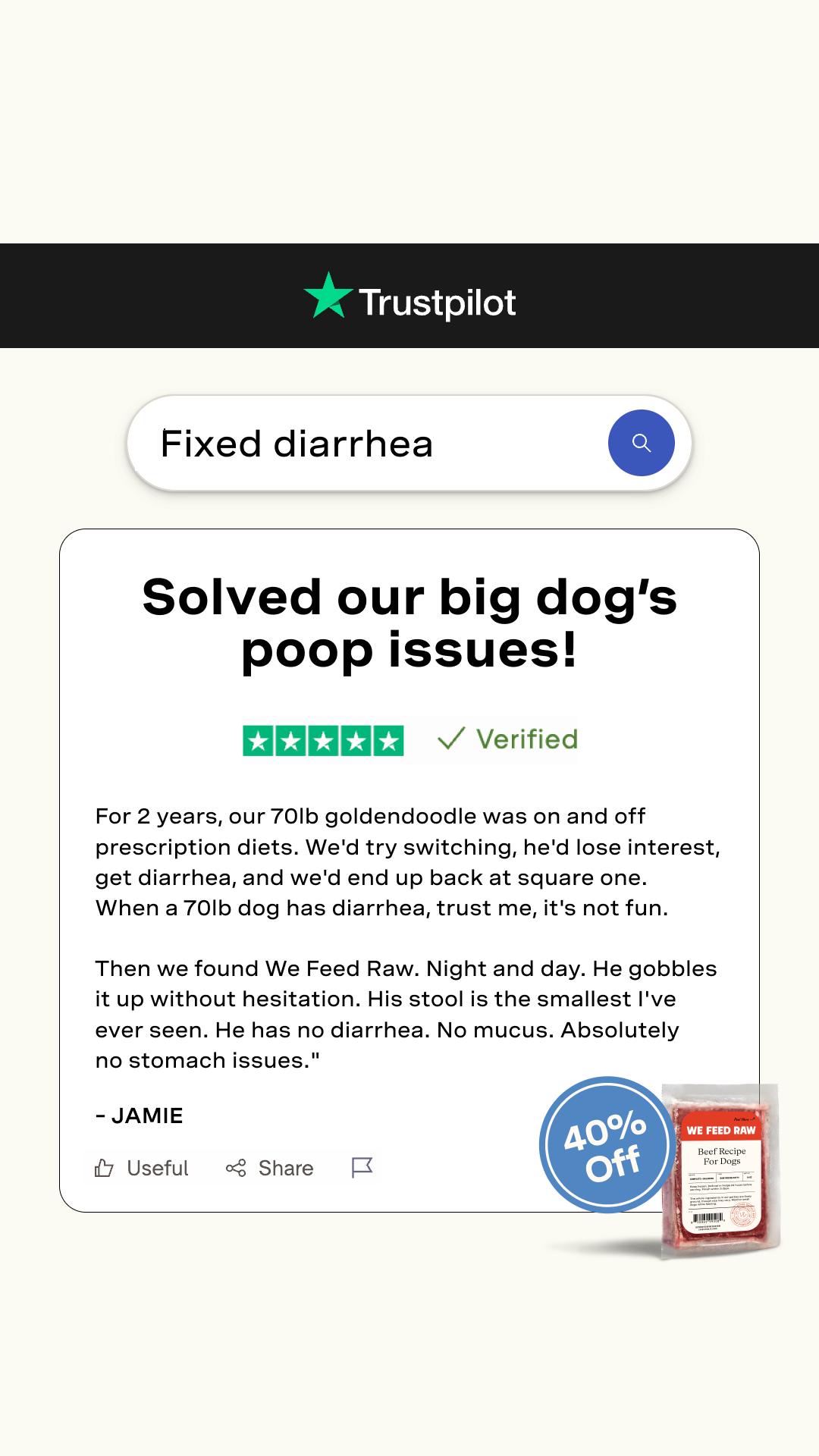
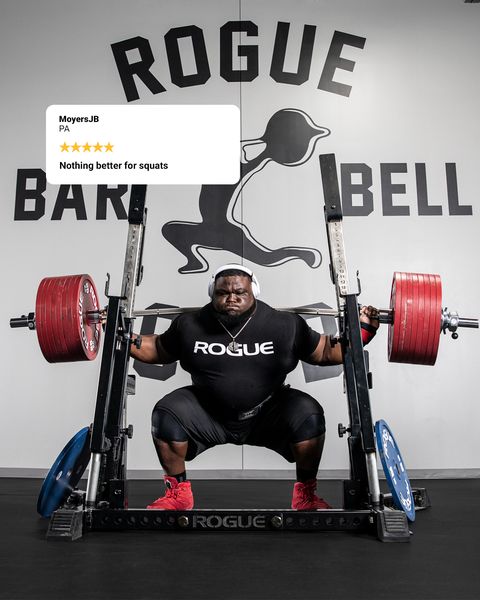
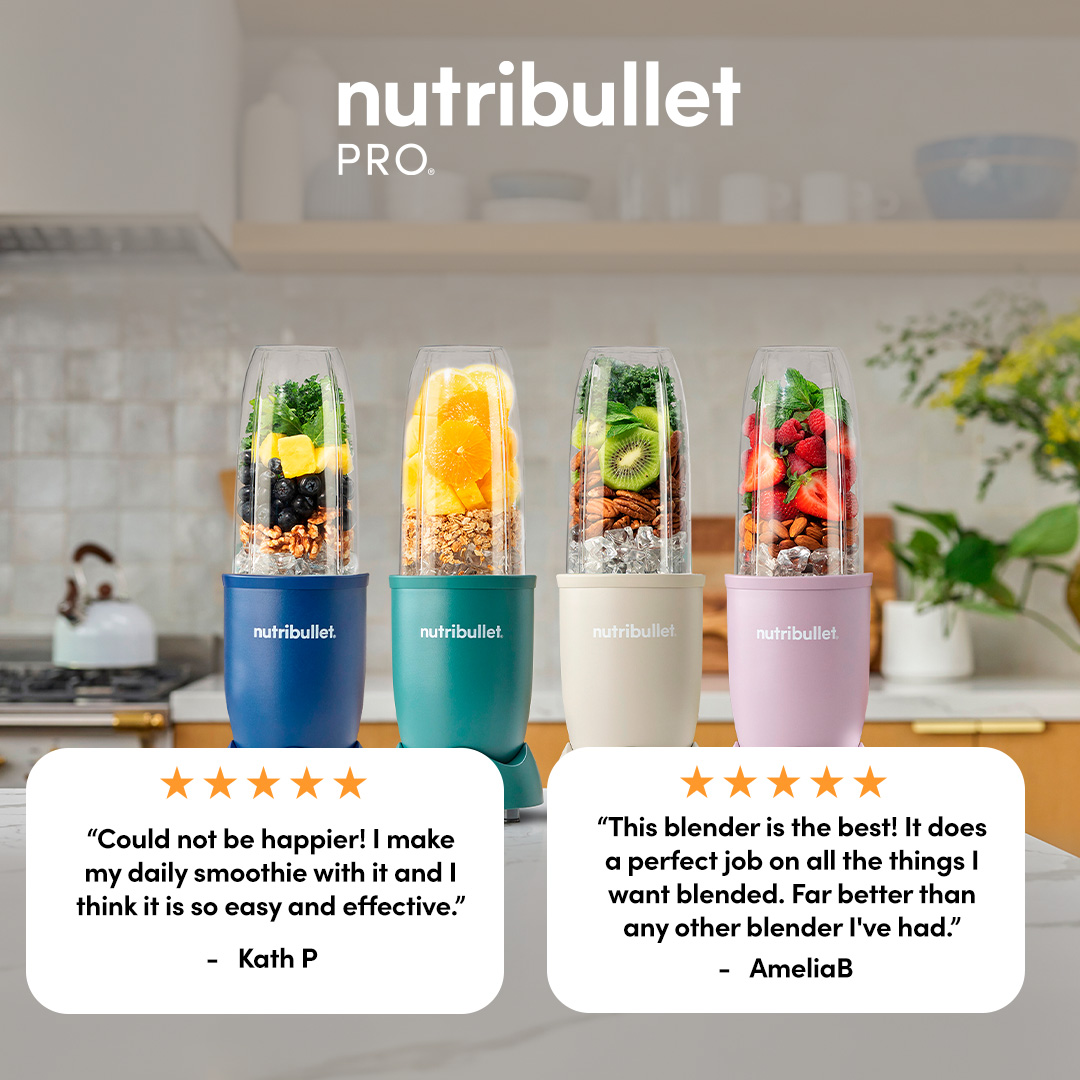
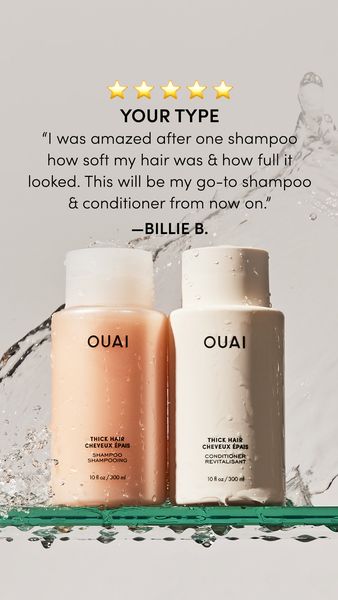
A review ad shows a customer review or star rating as the creative: a quoted sentence, often with five stars, a reviewer's first name and sometimes a screenshot from a store page or app listing. The visual is built around the borrowed voice rather than the product, so the buyer hears from someone like them before hearing from the brand. It is a static or short video format, and it differs from a testimonial video because the words are written, not spoken to camera. The hook is the quote, which is why choosing the line matters more than the design.
Choose the quote that does the selling
A review that says great product tells the buyer nothing. Pick the line that names what changed, what they expected or what nearly stopped them, and cut the rest down to one or two sentences.
Keep the words exactly as written
Trim for length, but never reword a customer's review or merge two into one. Edited quotes erode trust the moment someone compares them with the store page, and they put the brand at risk.
Show the stars and the source
A rating row, a first name and where the review was posted make it feel like evidence rather than a slogan. A screenshot of the real review, cropped tight, often does this best.
Get permission and keep it current
Check that you may reuse a review in advertising and that the product it describes is still the one you sell. Retire quotes that no longer match the offer.
Let the quote lead the layout
Set the review large, with the product small or absent. If the viewer has to find the quote among other elements, the proof has lost its job.
It is a Review ad when
- A customer review or star rating is the creative: a quoted line, stars, a reviewer's name or a store page screenshot.
- The words are written and read on screen, not spoken to camera.
- The review fills the focus of the frame, with the product secondary or beside it.
Near misses
- A customer speaking to camera about what it did for them is a testimonial.
- Real replies under a social post, shown as they appeared, are social comments.
- Many reviews, comments or customers cut together into one piece are a social proof mashup.
Quick test
Is the main thing on screen a written review or a star rating?
Related formats and niches
Ask your AI agent about Review ads
Claude or ChatGPT searches the 392 Review ads here and answers with real ads: the hooks, the niches and the brands that kept them running.
Pull the longest-running Review ads and their hooks
Ranked by how long the brand kept them running on Meta
Write five hooks for my product from these Review ads
Each with the real ad it learned from
How does Nurecover build its Meta ads?
Formats, hooks and offers across its 14 ads here
Questions about Review ads
- What is a review ad?
- A review ad uses a customer review or star rating as its main visual. The quote is set on the creative, often with stars and the reviewer's name, so the viewer reads someone else's verdict before the brand's pitch.
- How is a review ad different from a testimonial?
- A testimonial is usually a person telling their story, often on video. A review ad shows written words, a rating or a screenshot of a review. The two overlap when a video reads a review aloud, and the tags in the library record that.
- Can I use any customer review in an ad?
- Not automatically. Check the terms of the site where the review was posted and get the customer's permission where needed, and use the words as written. Do not invent reviews or attach a rating the customer did not give.
- What makes a review strong enough for an ad?
- Specificity. A line that names a situation, a result or a doubt the buyer shares works harder than praise in general. Short and concrete beats long and glowing.
- Where can I see review ads from real brands?
- The gallery above lists review ads from the ad library, newest first, filed by brand and niche. Ask your AI agent to pull a niche's review ads and group them by the objection each quote answers.
- What is the difference between Review ads and Testimonial ads?
- A testimonial is a customer saying, in their words, what the product did for them, often to camera and often as a story. A review ad shows a written review or star rating as the creative, a quote and stars that read at a glance.
- What is the difference between Review ads and Social Comments ads?
- Social comments are replies under a post, shown in the social app's own interface with names and likes. A review ad shows a rating or a written review, the kind left on a store page or a listing.
- What is the difference between Review ads and Social Proof Mashup ads?
- A social proof mashup cuts many reviews, comments or customers together into one busy piece. A review ad lets one review, or a few, carry the frame, so the chosen line carries the ad.