
5,156 Food and Beverage Ad Examples
Food and drink ads have to make people taste something through a screen. The ads below show the visual and copy moves food and beverage brands rely on to do it.
Format
Hook
Brand
Status
Type
SortDefault
5,156 ads
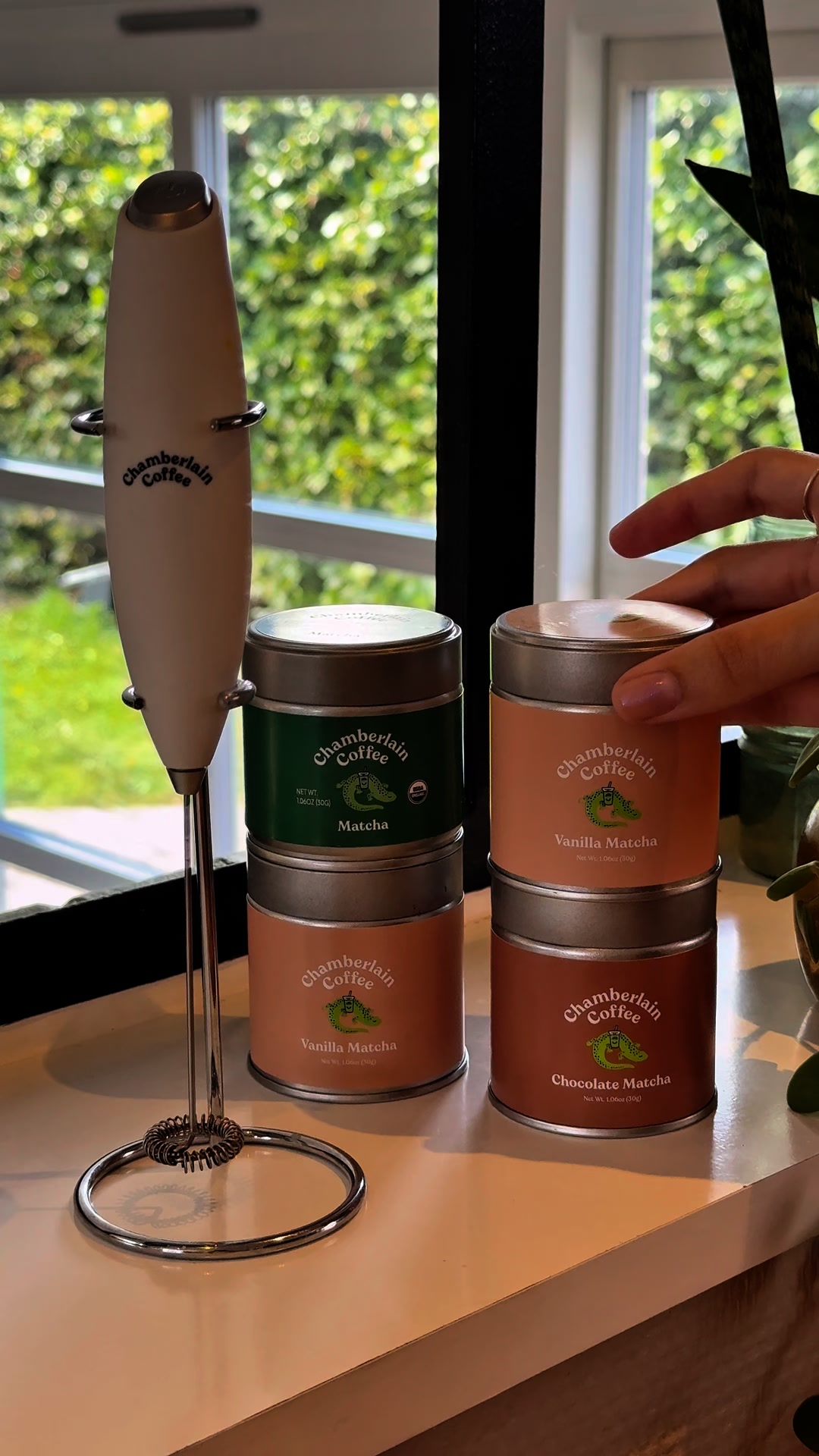
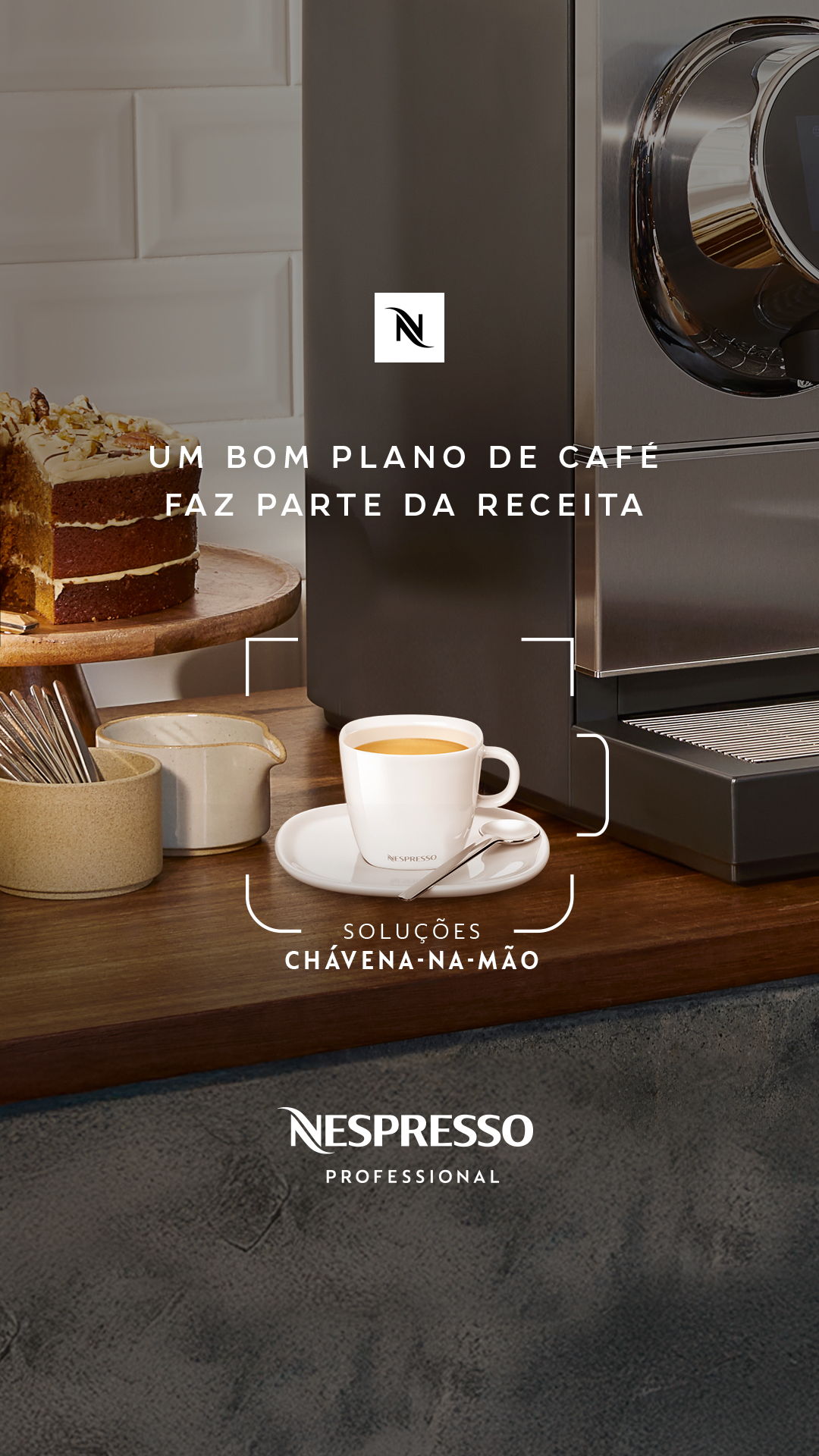
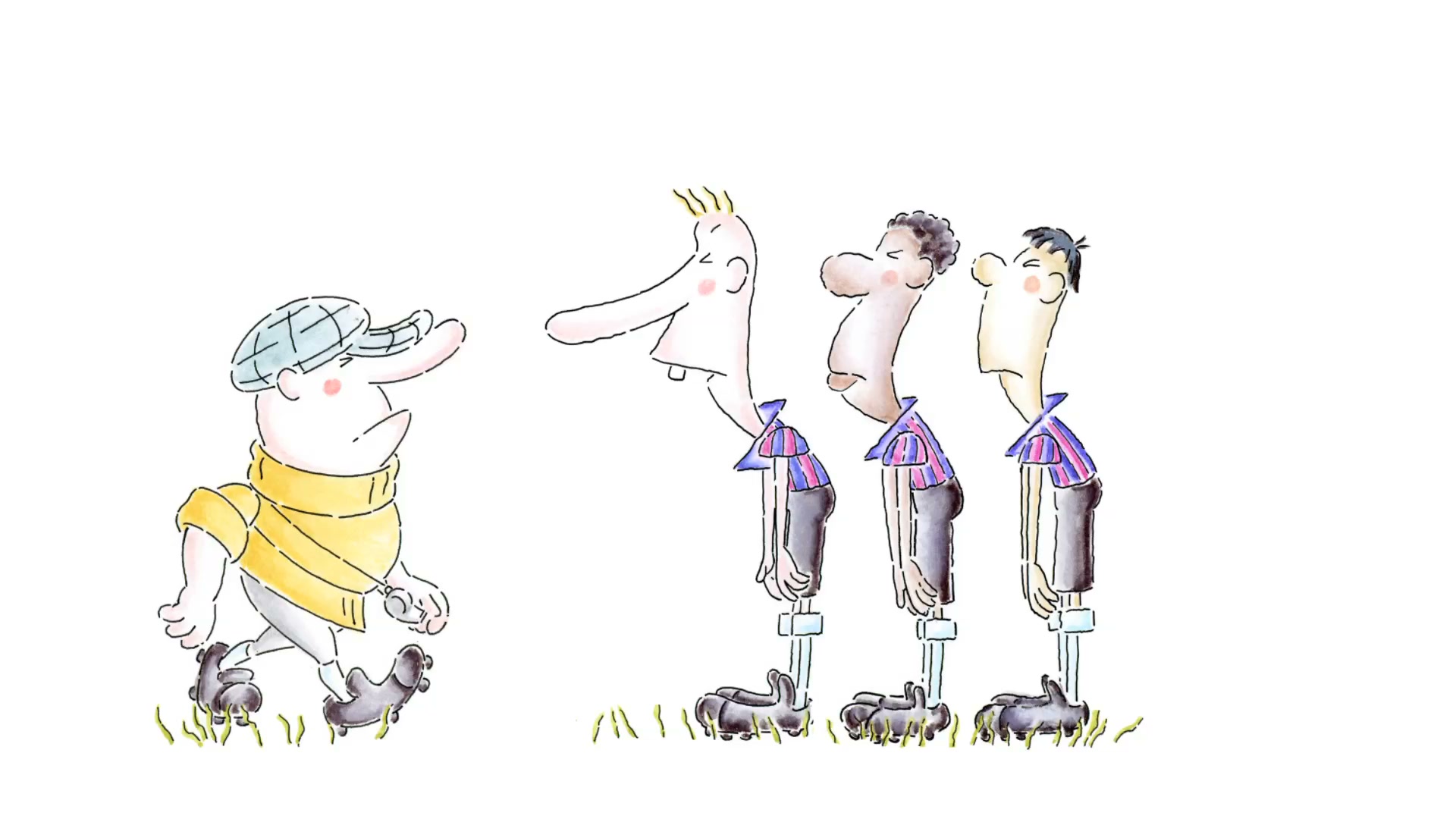
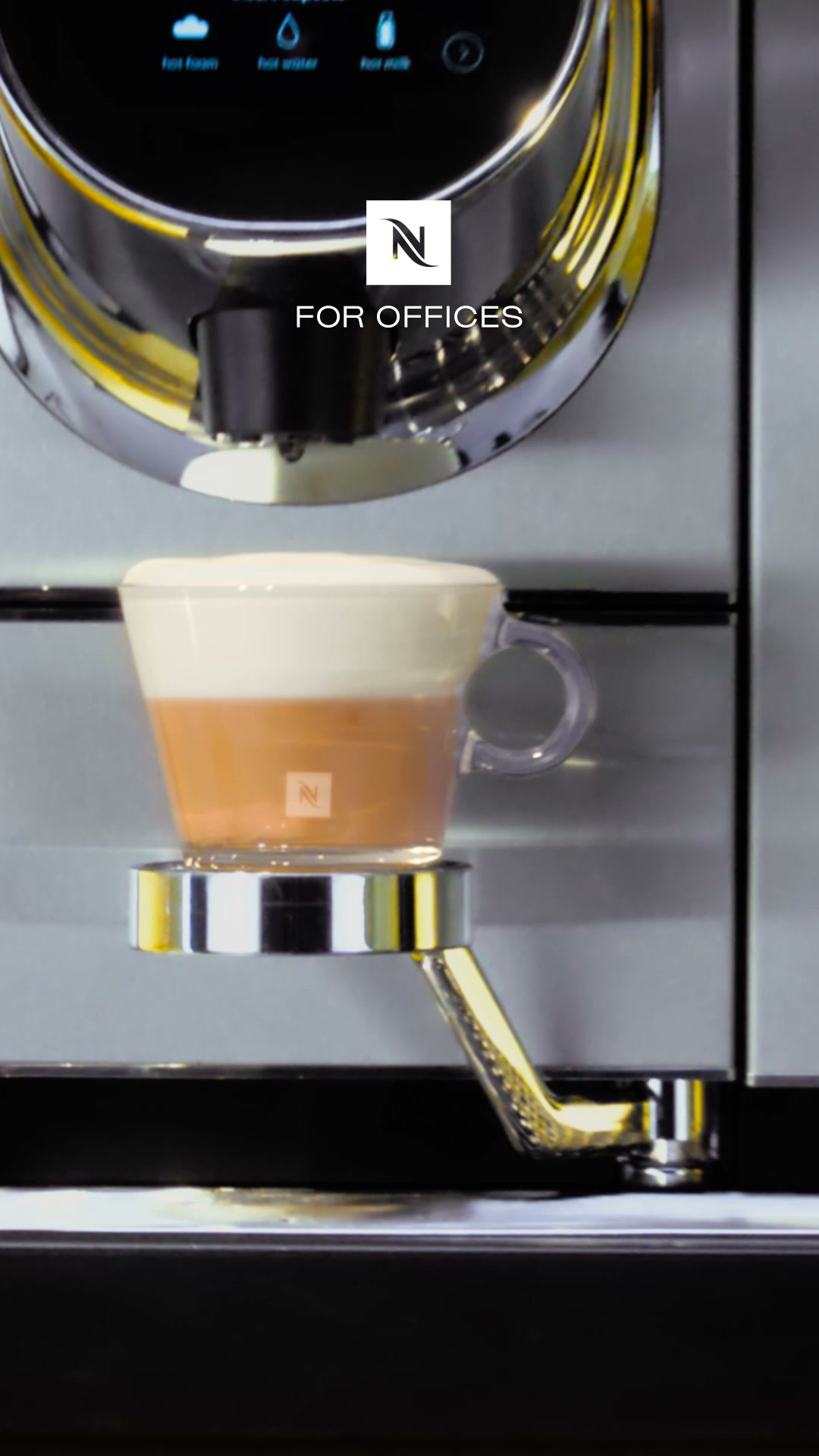
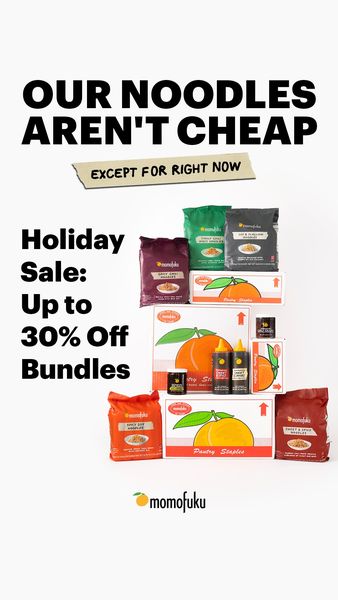
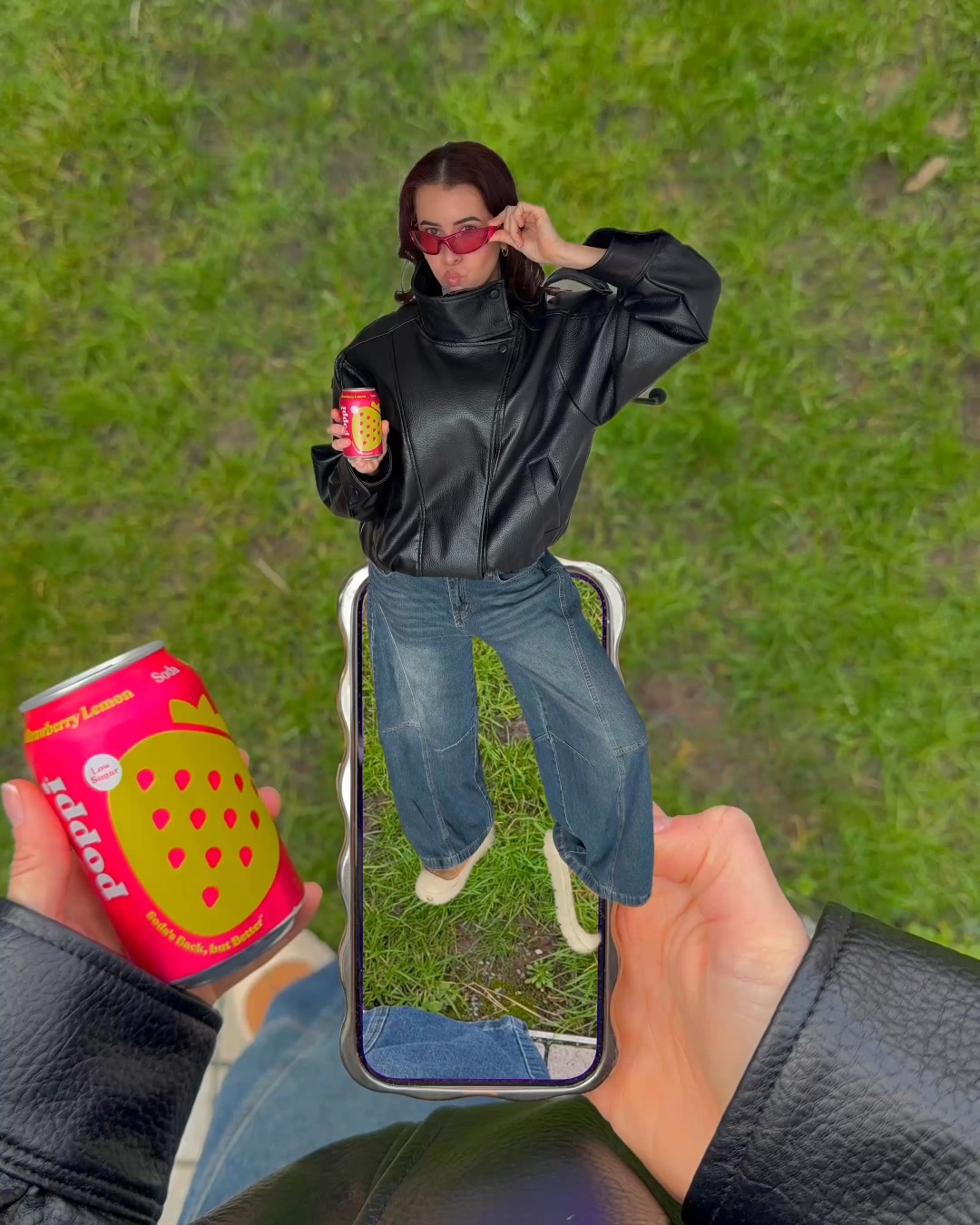

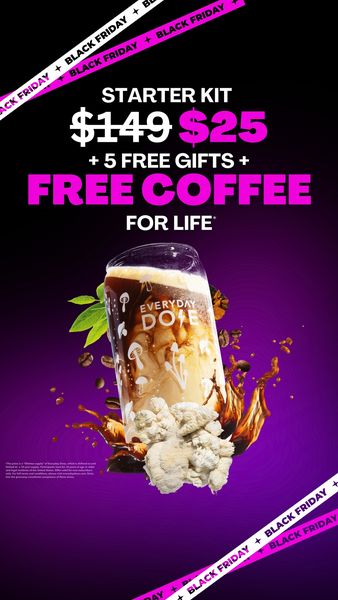

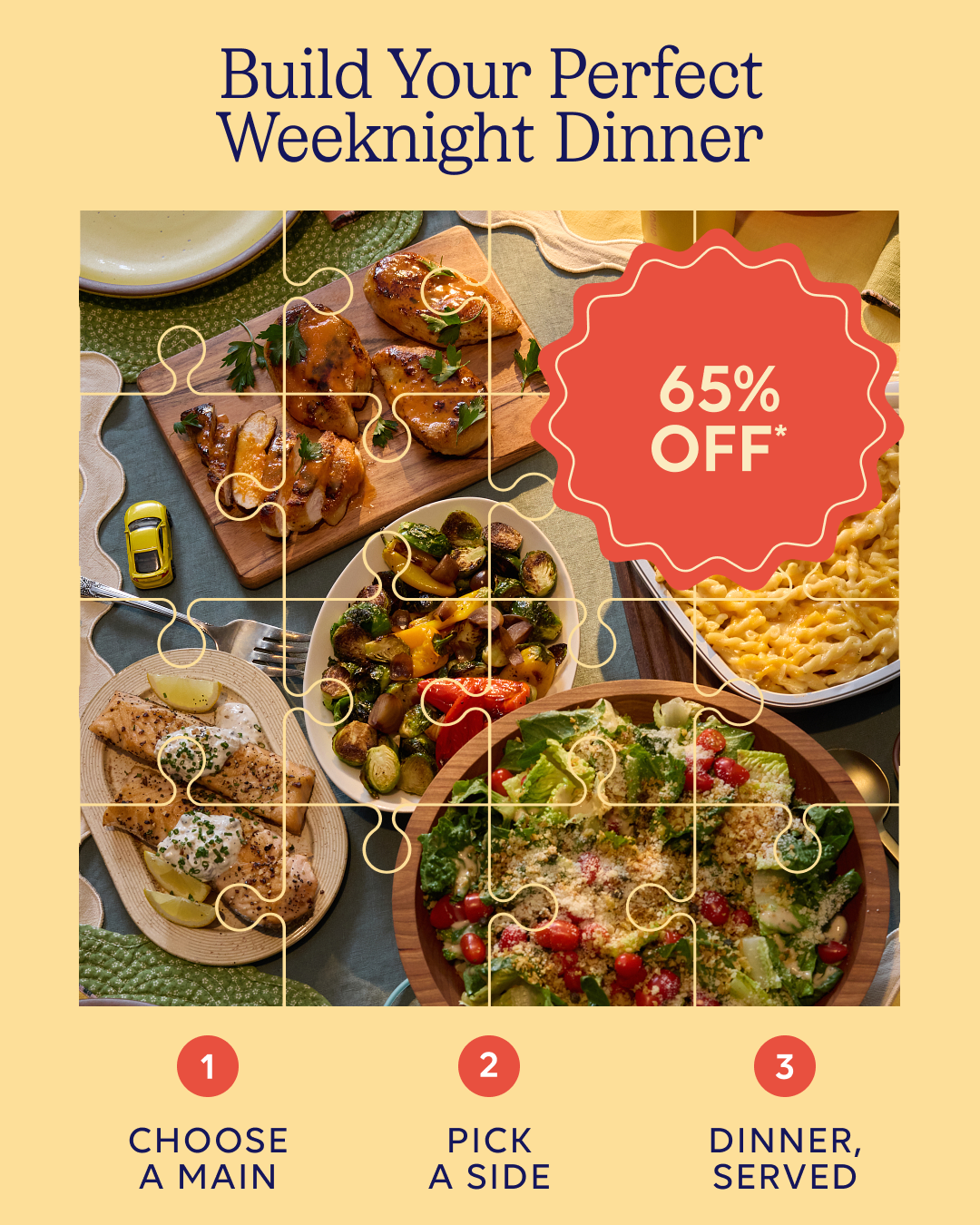
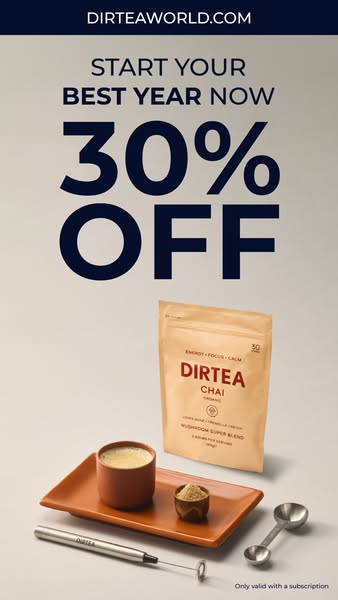
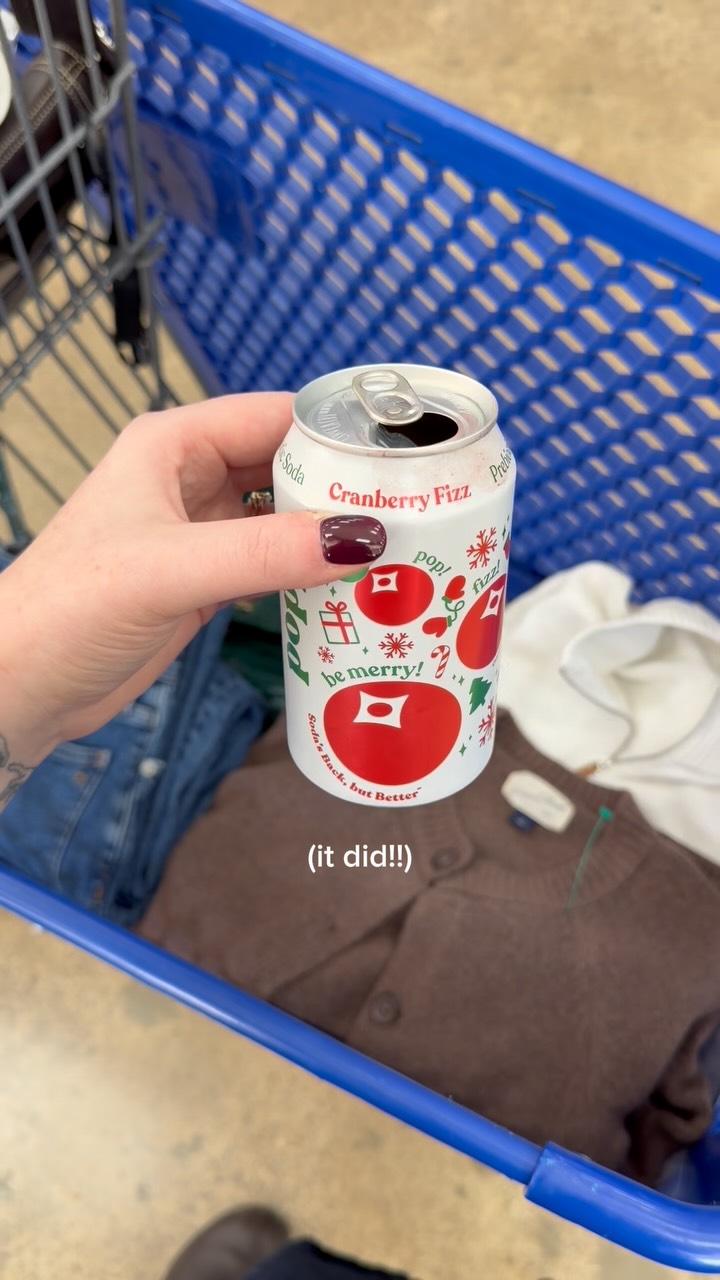
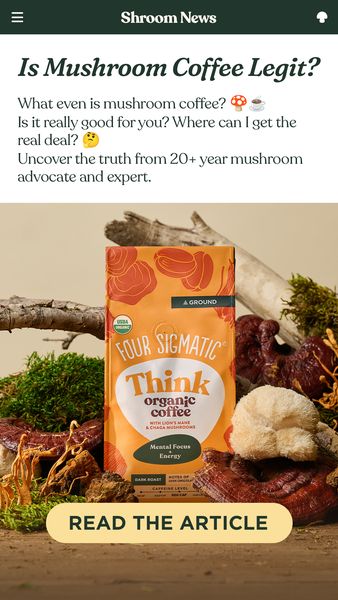
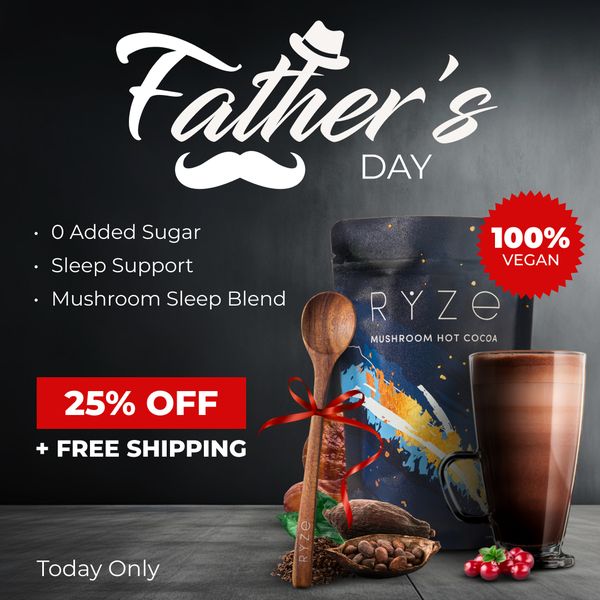

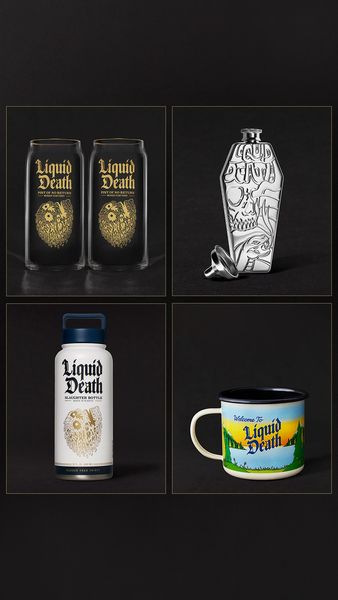
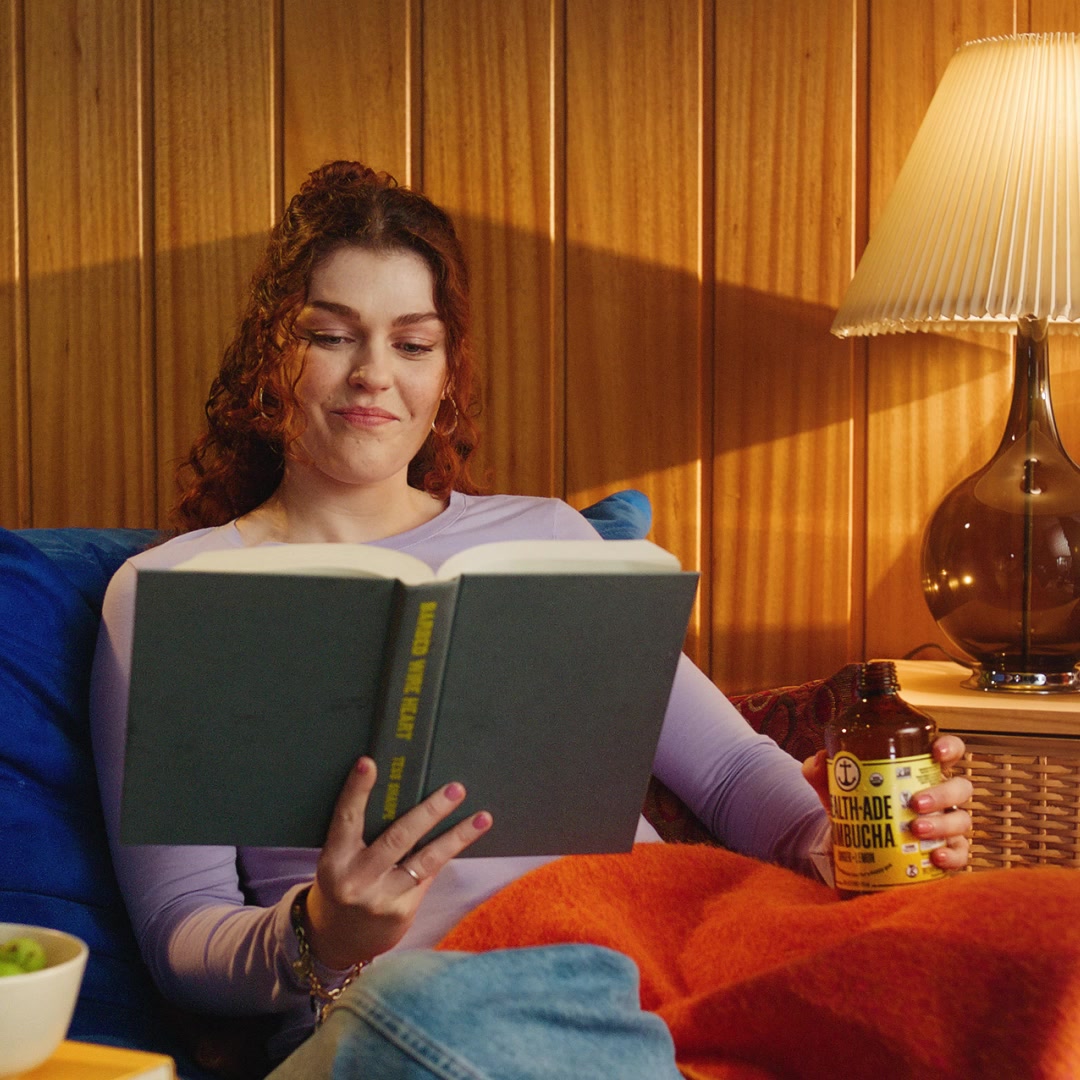
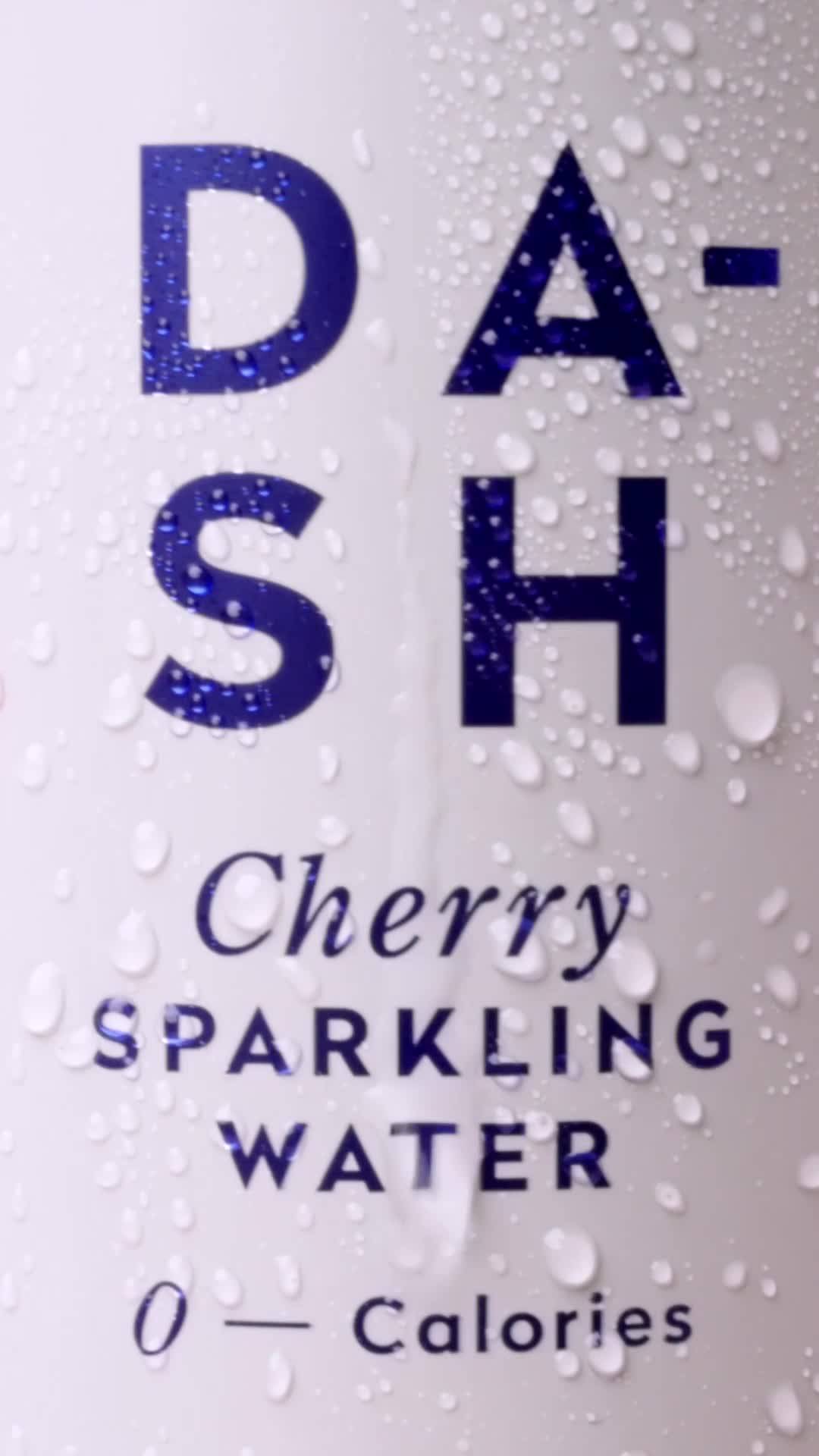
Top brands running Food / Beverage ads
- Factor_275
- ButcherBox258
- Everyday Dose202
- RYZE Superfoods173
- Spacegoods167
- Uber Eats137
- Huel135
- Momofuku117
- True Protein96
- Tchibo94
- Gousto87
- Athletic Brewing84
- Blue Apron82
- DIRTEA81
- Poppi78
- So Yummy75
- My Subscription Addiction73
- Chamberlain Coffee72
- Liquid Death72
- Hint71
- Jimmy Joy71
- Surreal70
- Good Pair Days69
- Mid-Day Squares69
Seasonal ad examples
Food and Beverage advertising at a glance
Food and beverage ads cover snacks, sauces, meal kits, coffee and tea, soft drinks, alcohol-free drinks, frozen meals and specialty or health-focused foods. The creative is built on appetite: steam, sizzle, a pour, a cheese pull, a crunch you can almost hear. Recipes, taste tests and reaction videos are common, as are subscriptions, variety packs and first-order offers. Shoppers weigh flavor, ingredients, dietary fit, convenience and price per serving, and the category sees regional and seasonal rules for what ads can say.
How to use these Food and Beverage ads
- Study the opening shot of each food video, since the first second is usually the money shot, and note which angles and sounds brands choose.
- Compare subscription, variety pack and first-order offers to see how brands lower the risk of trying a new flavour.
- Collect recipe and serving suggestion formats that make a product feel useful in daily cooking.
- Look at how brands speak about ingredients and dietary fit, such as vegan or gluten-free, and check how carefully those words are used.
- Watch how seasonal and holiday campaigns are timed, from summer drinks to festive baking, to plan your own calendar.
Food and Beverage ad best practices
Lead with the appetite shot
Open on the moment people crave: the pour, the bite, the stretch, the steam. Save the logo and the explanation for after that first second has landed.
Use sound and motion on purpose
Crunch, fizz and sizzle do real work on short video, but many viewers watch on mute. Add captions so the ad still lands without sound, and avoid text that covers the food.
Make dietary words precise
Terms like gluten-free, vegan, organic or low sugar can carry legal definitions that vary by market. Use them only where accurate and check local labelling and platform rules before launch.
Lower the risk of trying something new
People are cautious about buying food they have not tasted. Variety packs, small trial sizes, clear return or satisfaction language and honest reviews help the first purchase feel easy.
Give the product a job in the day
A snack for the three o'clock slump or a sauce that rescues a weeknight dinner is easier to picture than a generic flavour list. Pair the product with a moment, not only a description.
Top Food and Beverage advertisers
Most common formats in Food and Beverage ads
Most common hook tactics in Food and Beverage ads
Related formats
Related niches
Food and Beverage ads: frequently asked questions
What makes food ads stop the scroll?
Strong sensory cues: steam, a slow pour, a crunch, a stretch of melted cheese or a vivid cut-open shot. Many food ads open on that moment and add a single line naming the flavour or benefit. Clear lighting and close framing matter more than elaborate sets.
How do meal kit and subscription brands structure their offers?
Many lead with a discount on the first box, a free item or a variety pack, then explain that the plan can be paused or cancelled. The copy tends to address the fear of being locked in, so it is worth noting how each brand words that.
Are there rules for health and diet claims in food ads?
Yes. Terms like organic, gluten-free or low sugar can have legal definitions, and platforms review health and weight claims under their own policies. Rules vary by country, so check current advertising and labelling requirements.
Do recipe videos work as ads for packaged food?
Brands use them to show how a product fits real cooking, which gives it a use beyond the pack. They tend to run as short tutorials with the product visible at the key step. Browse the gallery to compare how closely each one ties the recipe to the product.
Where can I find food and beverage ad examples to study?
This page collects them from real brands on Facebook and Instagram. Signed out you see the newest ads, and a free account opens the first 100 ads of every list. It is a swipe file for ideas and carries no spend or performance data.
Other niches
- App / Software
- Automotive
- Beauty / Personal Care
- Consumer Goods
- Education
- Electronics / Tech
- Fashion
- Finance / Fintech
- Fitness / Wellness
- Footwear
- Games / Toys
- Healthcare
- Home / Garden
- Jewelry / Watches
- Kids / Baby
- Local Services
- Other
- Pets
- Real Estate
- Retail / Marketplace
- Services
- Sports / Outdoor
- Travel / Travel Accessories
- All niches