
1,562 Question Hook Ad Examples
A question hook opens by asking the viewer something they want answered. Browse the ads below, then read how to write a question that earns the next few seconds.
Niche
Format
Brand
SortNewest
1,562 ads
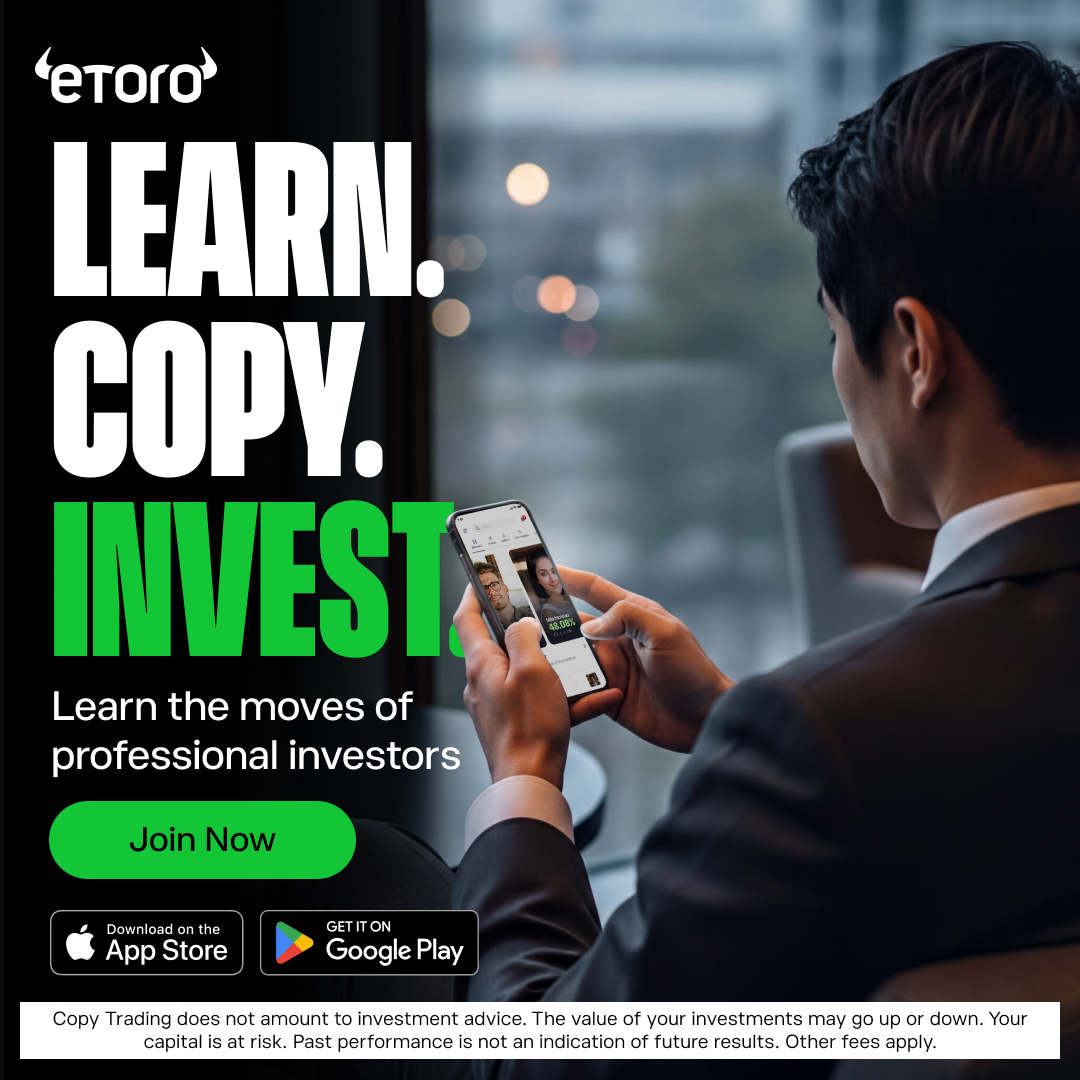
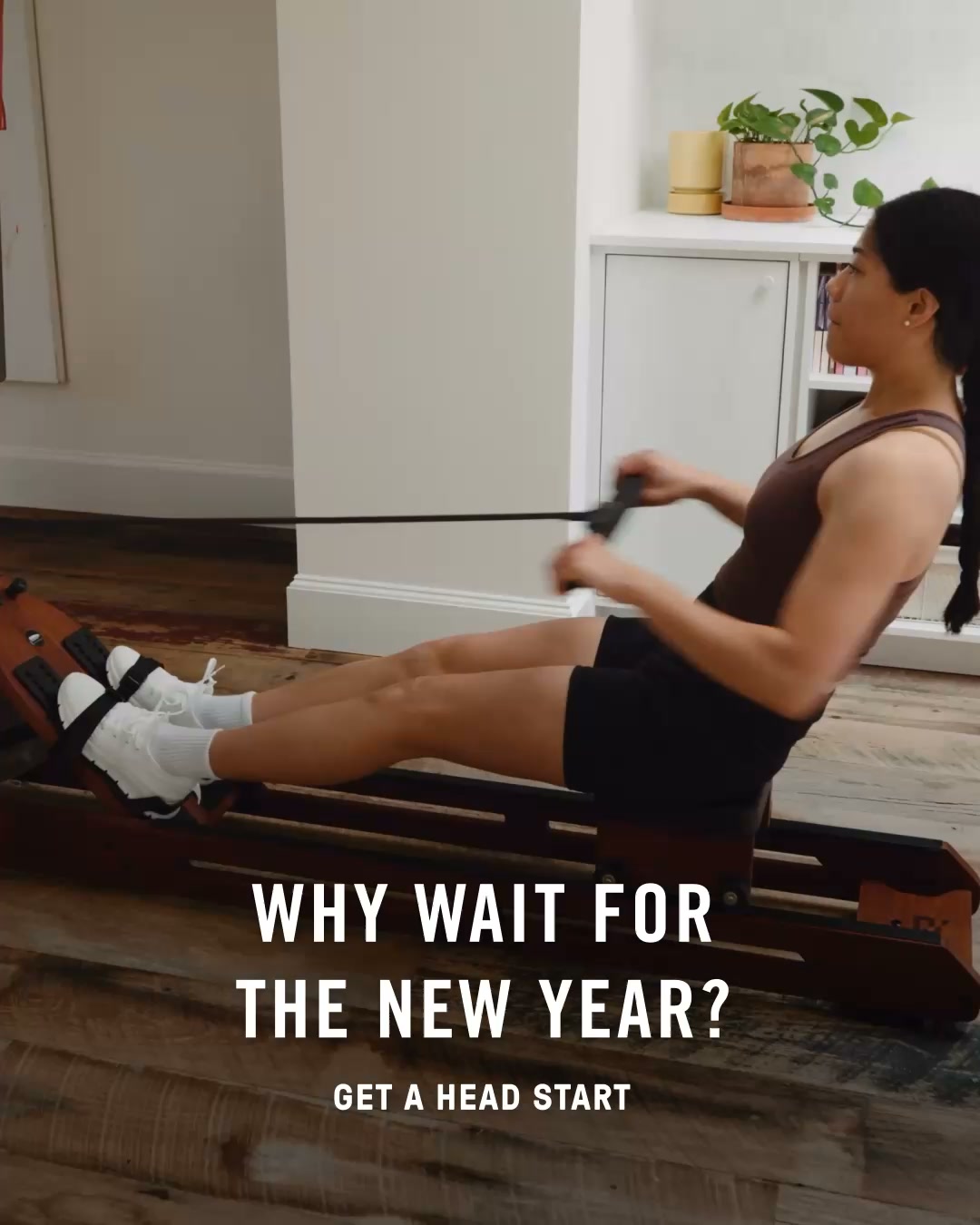
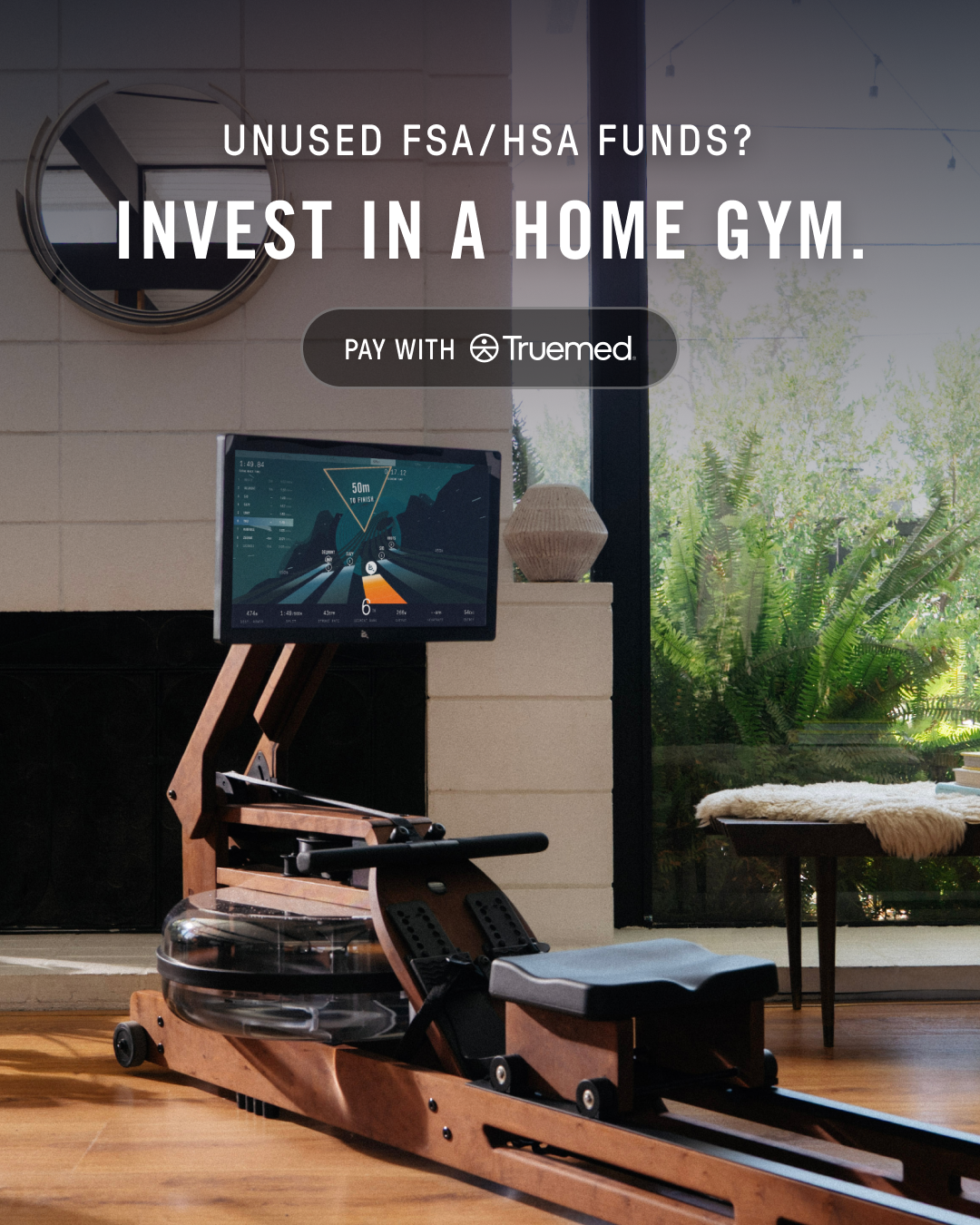

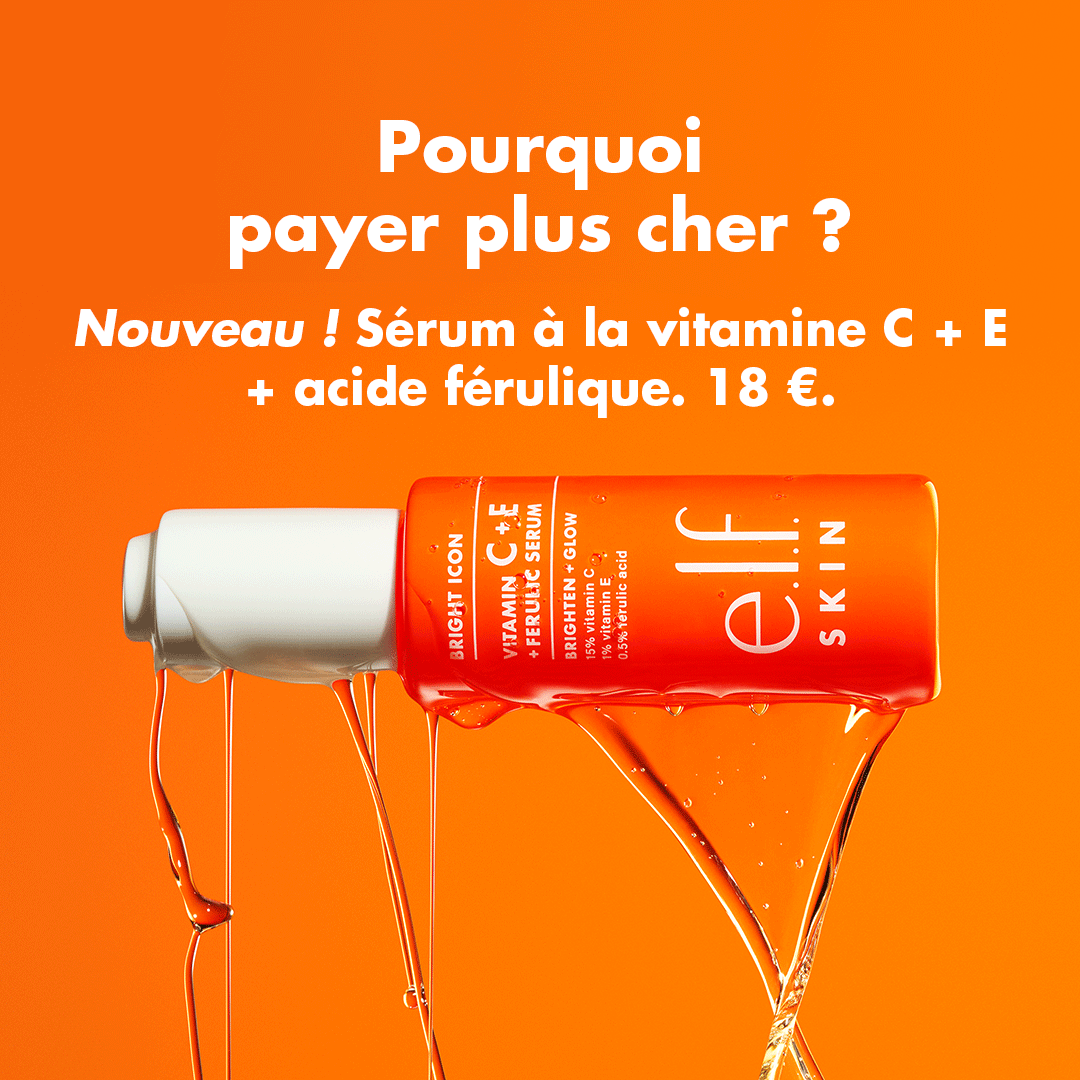
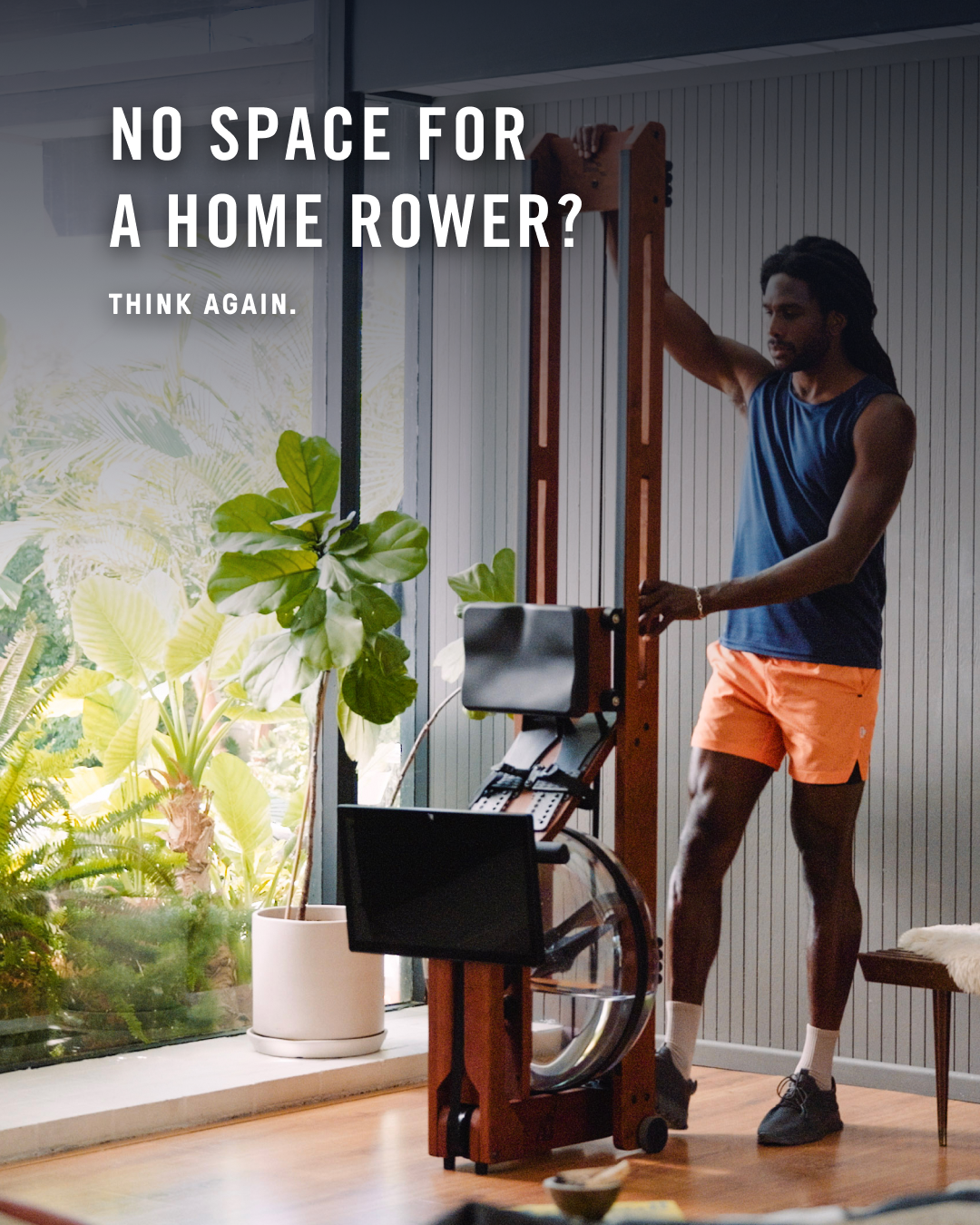
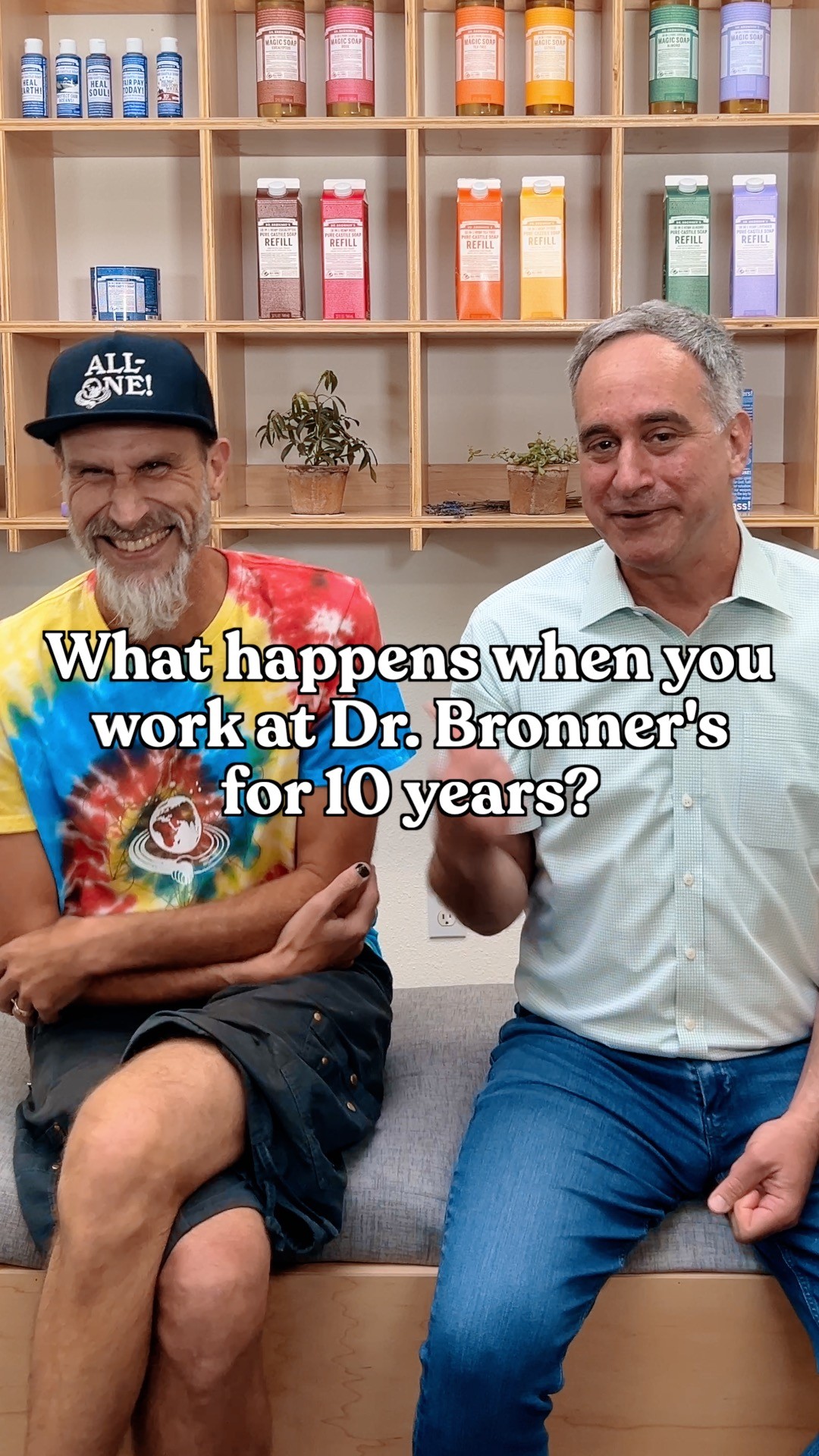
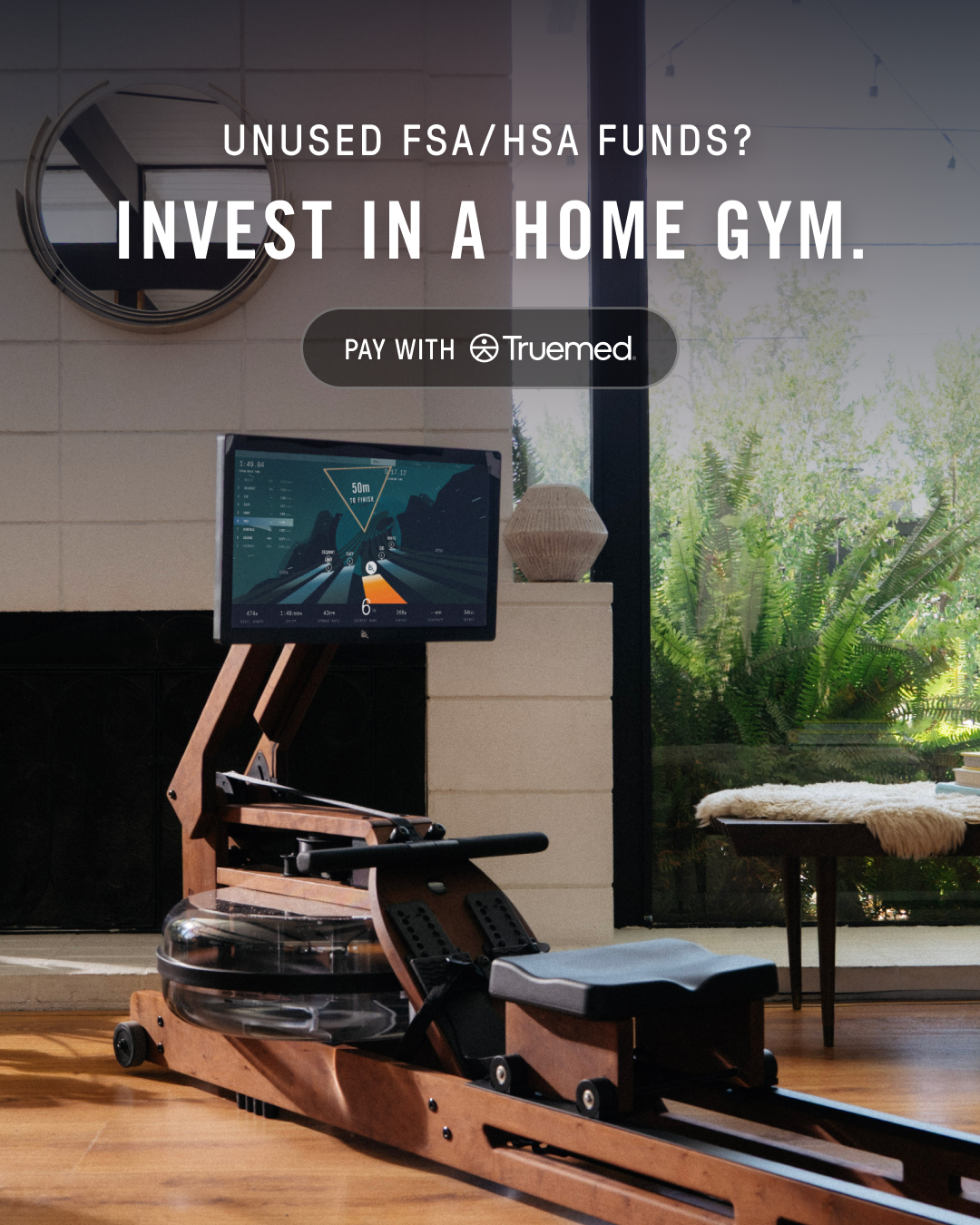
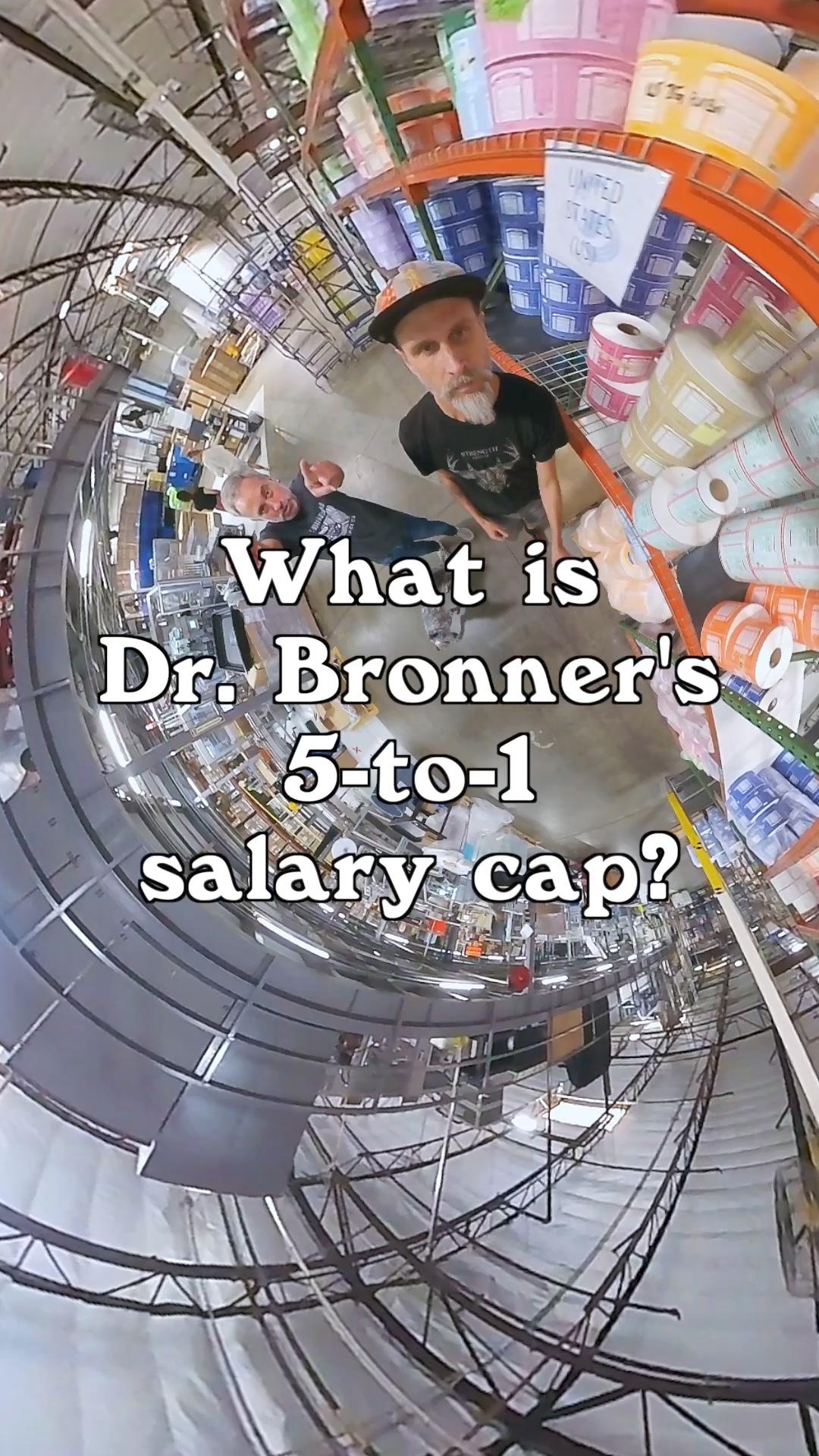
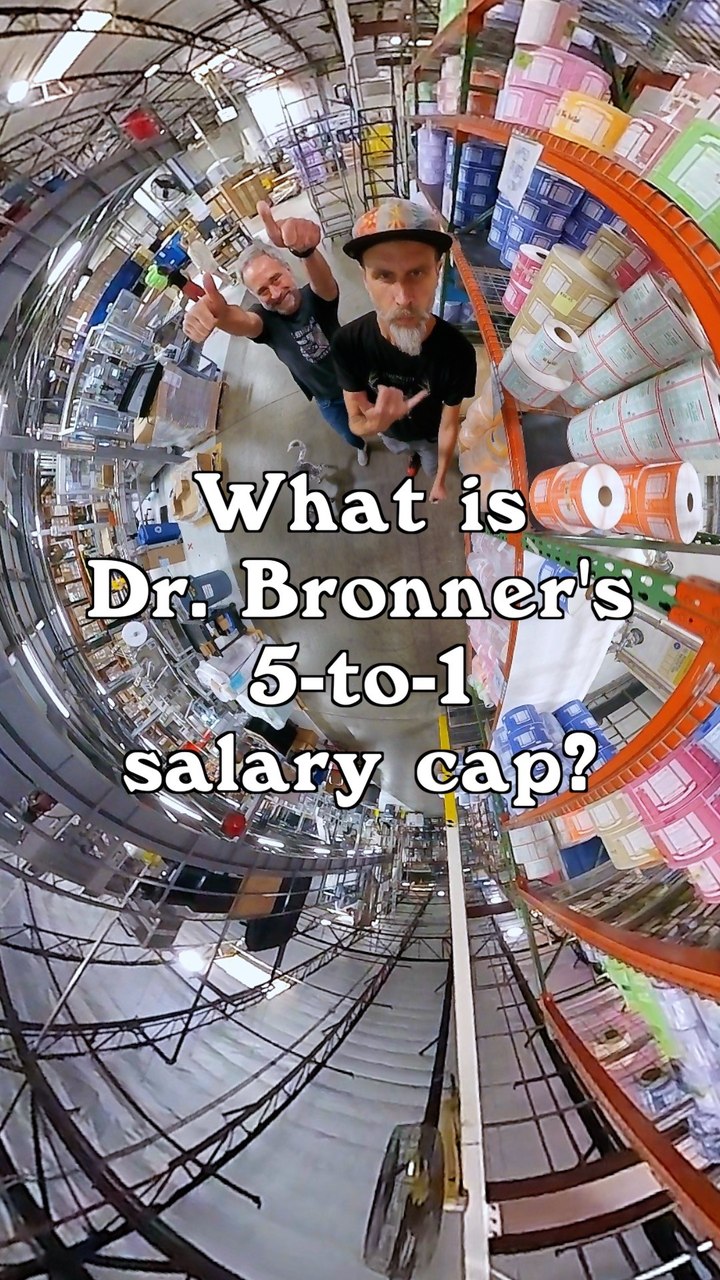
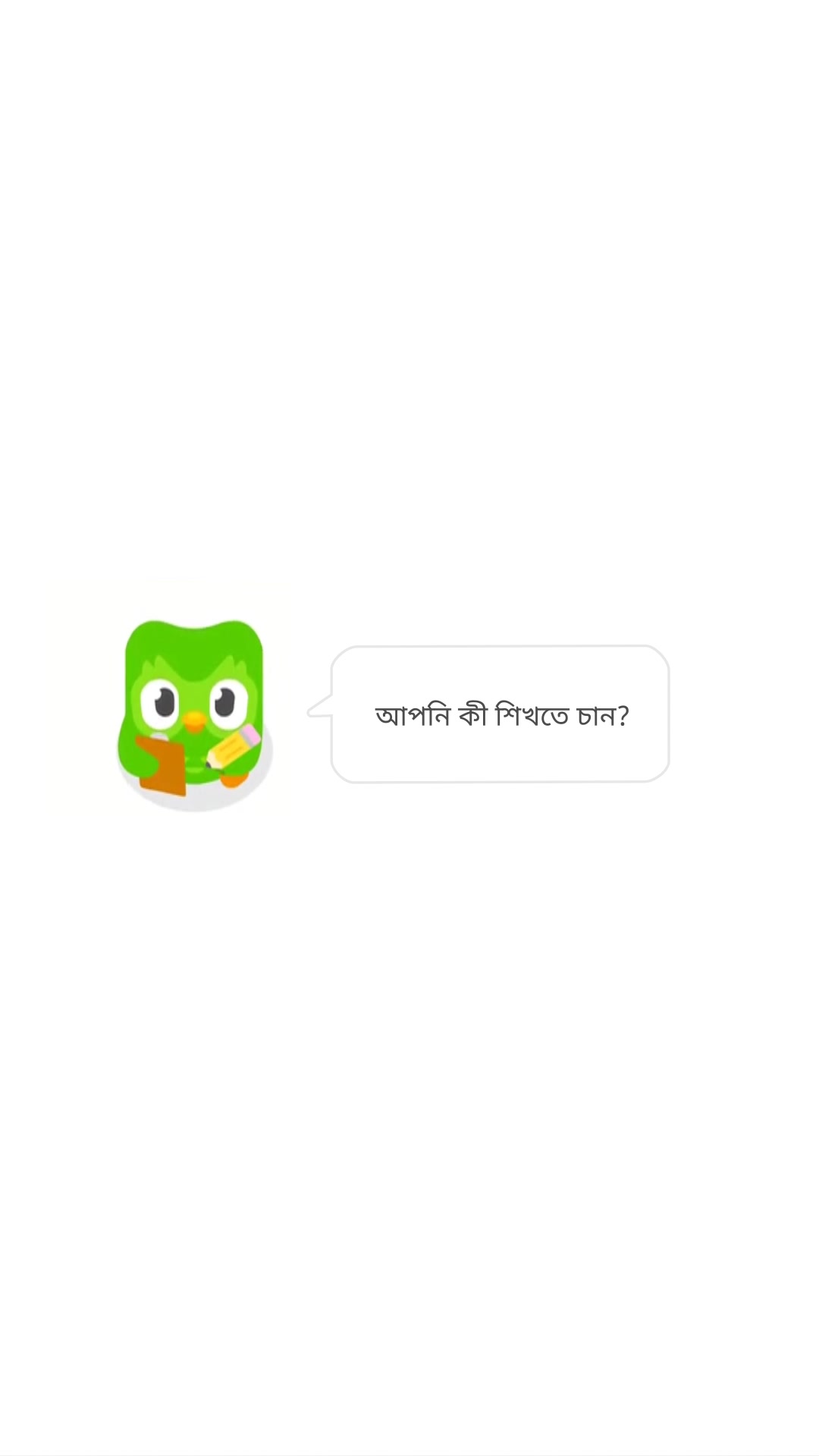
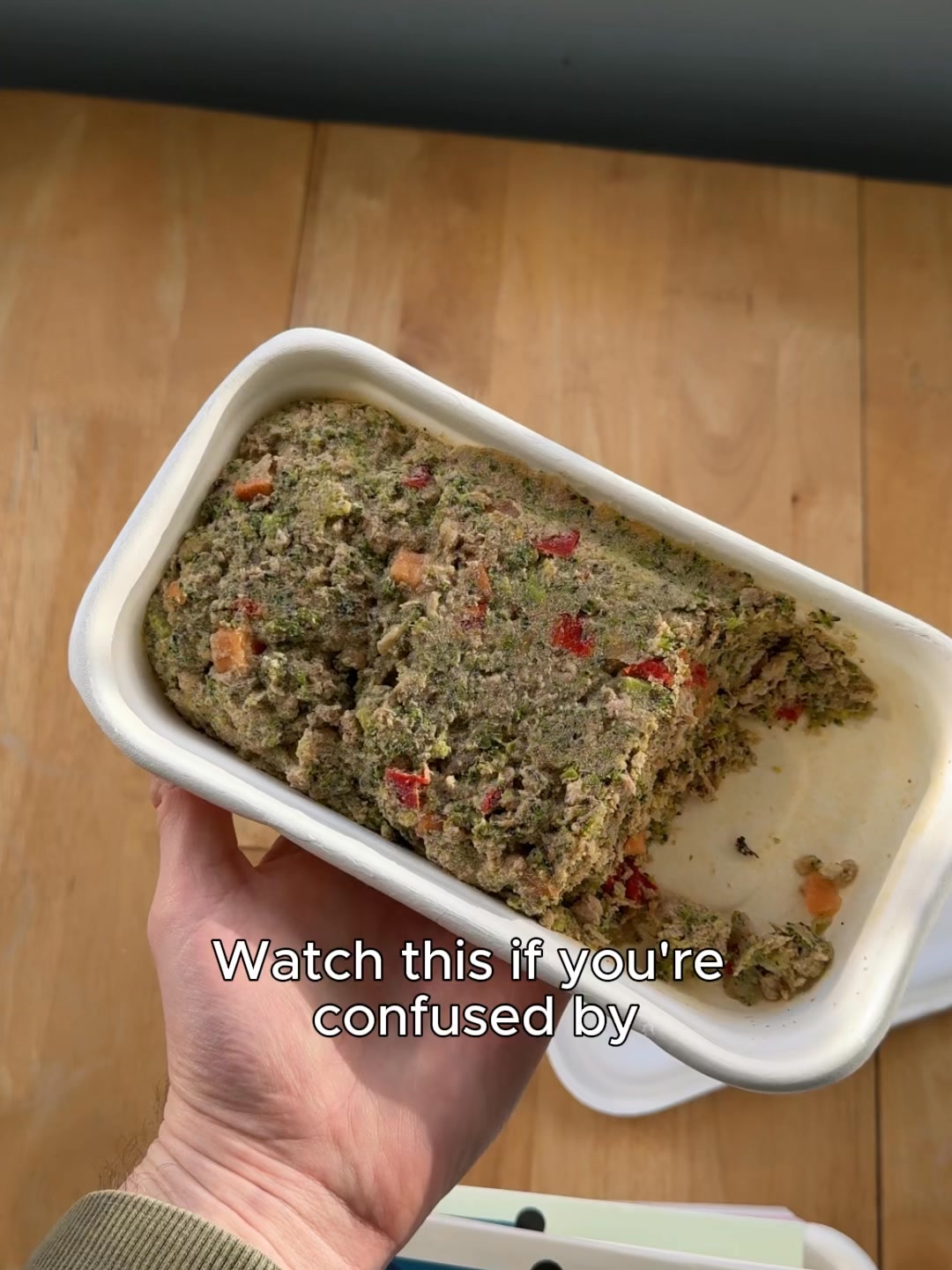
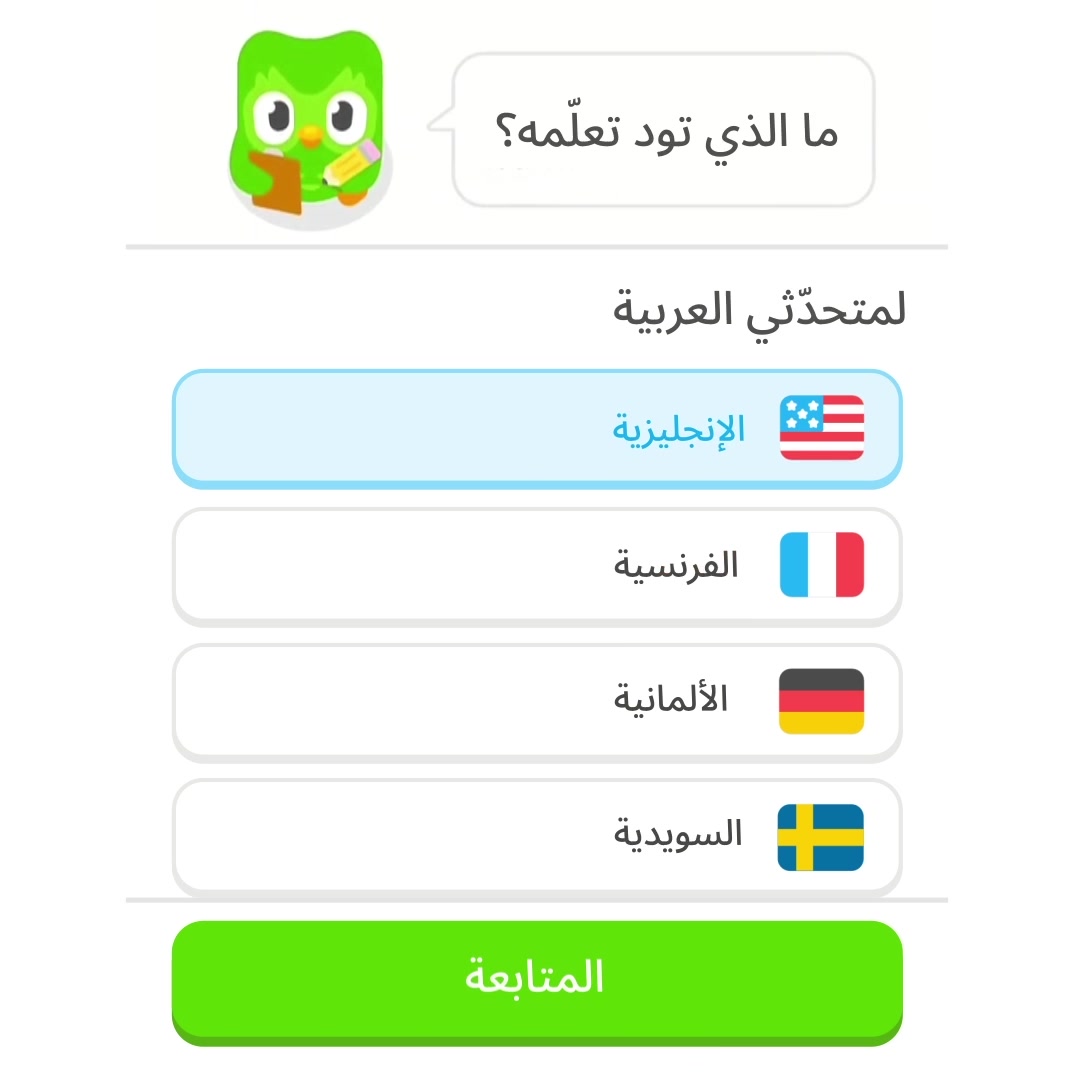
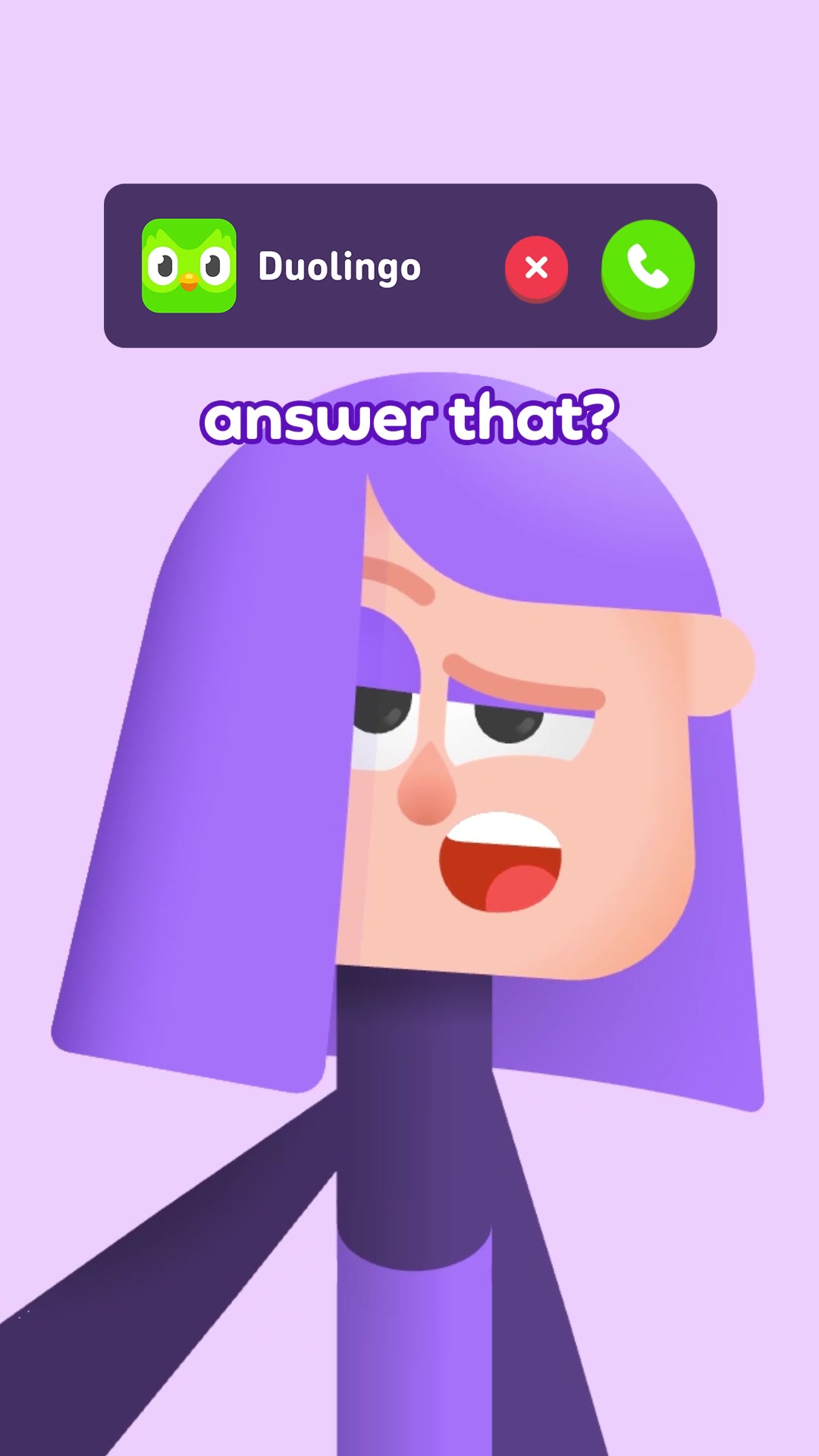


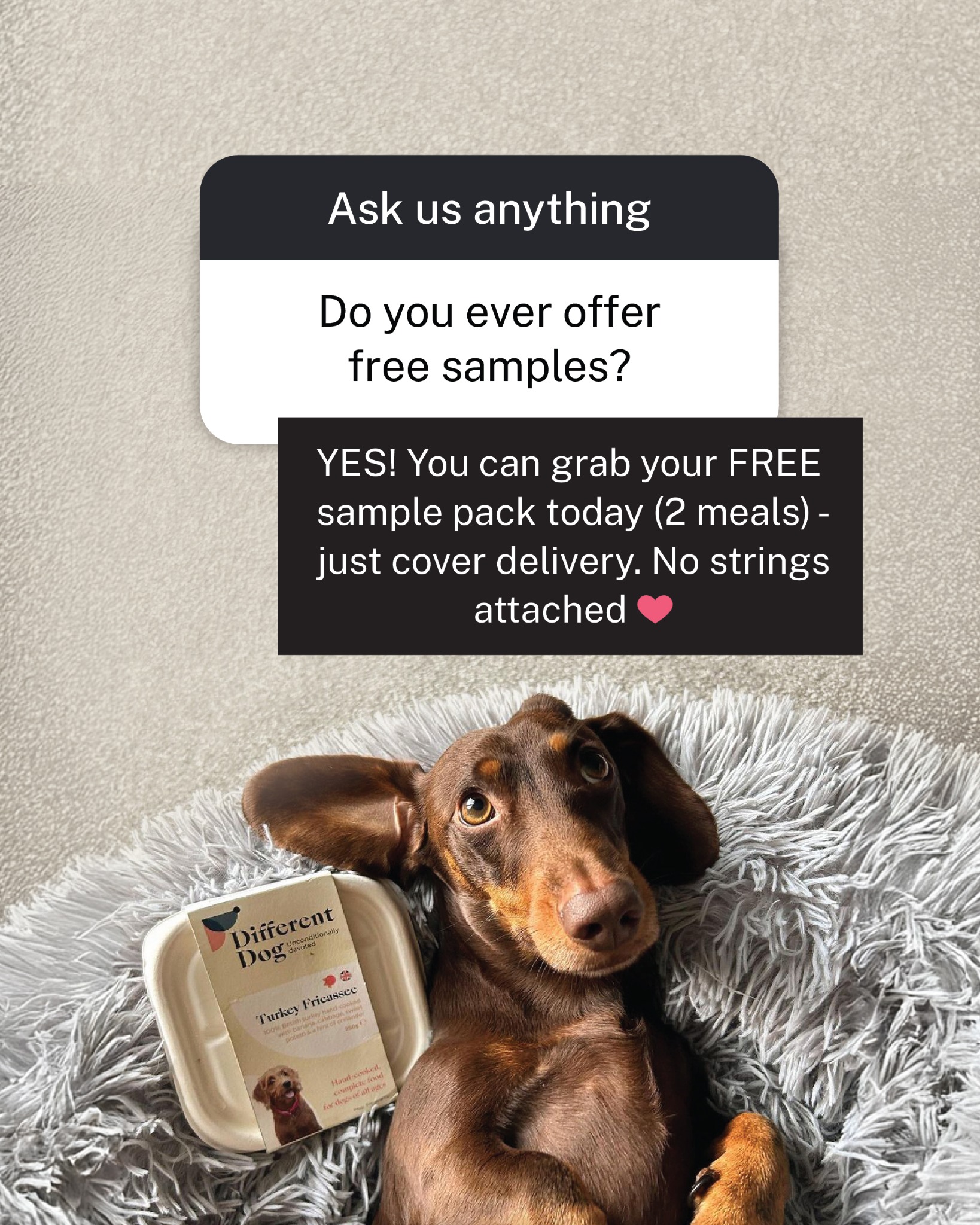
Top visual formats for Question Hook ads
Top brands running Question Hook ads
What is the Question Hook?
A question hook opens an ad by asking the viewer a direct question, as a spoken line, a headline or a caption on screen. The question makes the viewer answer in their head, which pulls them into the ad. The best ones ask about a problem the viewer has, a belief they hold or a choice they are making, and the ad then answers it. A question hook is different from a curiosity hook, which leaves a gap the viewer needs to close. A question hook is direct: it asks, and the viewer knows exactly what was asked.
When to use the Question Hook
- You know the question your buyer asks before buying, and you can answer it better than the alternatives.
- You want a quick way to qualify the audience: the right viewer will say yes in their head.
- You are writing for static ads and want a headline that invites a response, not just a statement.
- You are making a video with no strong visual opener and need the words to do the work.
- You are collecting hooks for a brief and want a clear structure that is easy to vary.
Question Hook best practices
Ask what they already ask
The best questions are ones the buyer has typed into search or said to a friend. Pull them from reviews, comments, support threads and the ads competitors run.
Make the answer yes or interesting
A question the viewer can answer yes to qualifies them. A question they cannot answer makes them curious. Avoid ones with an easy no, which end the ad at once.
Answer it quickly
The ad owes an answer. Give a first answer in the next beat, then build on it with proof. A question left hanging reads as bait.
Keep it short
A long question is hard to read in a feed. Aim for one sentence the viewer can take in at a glance, or hear without effort.
Check that it is not a trick
Questions that lead to a surprise unrelated to the product annoy the viewer. The answer should be about the product's real benefit.
Brands using the Question Hook
Niches with the most Question Hook ads
Related formats
Related niches
Question Hook: frequently asked questions
What is a question hook?
A question hook is an ad opening that asks the viewer a direct question. It can be the first spoken line of a video, the headline of a static or text on screen, and the rest of the ad provides the answer.
What is the difference between a question hook and a curiosity hook?
A question hook asks outright and expects the viewer to answer in their head. A curiosity hook opens a gap by withholding something, and may not be phrased as a question at all. The first is a prompt, the second is a teaser.
What kinds of questions work best?
Ones tied to a real problem, a decision or a belief your buyer holds. Study the first lines of competitor ads in the library and note which questions repeat, since repetition is a sign that a question touches something common.
Should the question mention the product?
Not usually. Start with the buyer's concern and bring the product in with the answer. A question that opens on the brand name reads as an advert before it has given the viewer a reason to care.
Can I use a question hook in every ad?
You can, but a feed full of questions gets repetitive. Test it against statement and story openings for the same product, and use the results to decide which style fits each angle.