
2,848 Fitness and Wellness Ad Examples
Fitness and wellness ads sell a change in how people look, feel or move. Study the workout, supplement, gear and recovery ads below, and how to borrow their angles without copying risky claims.
Format
Hook
Brand
SortShuffled
2,848 ads
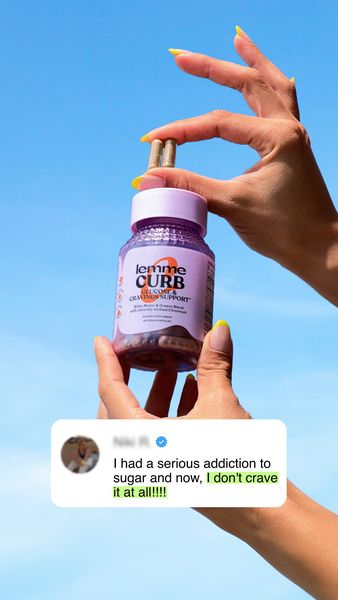
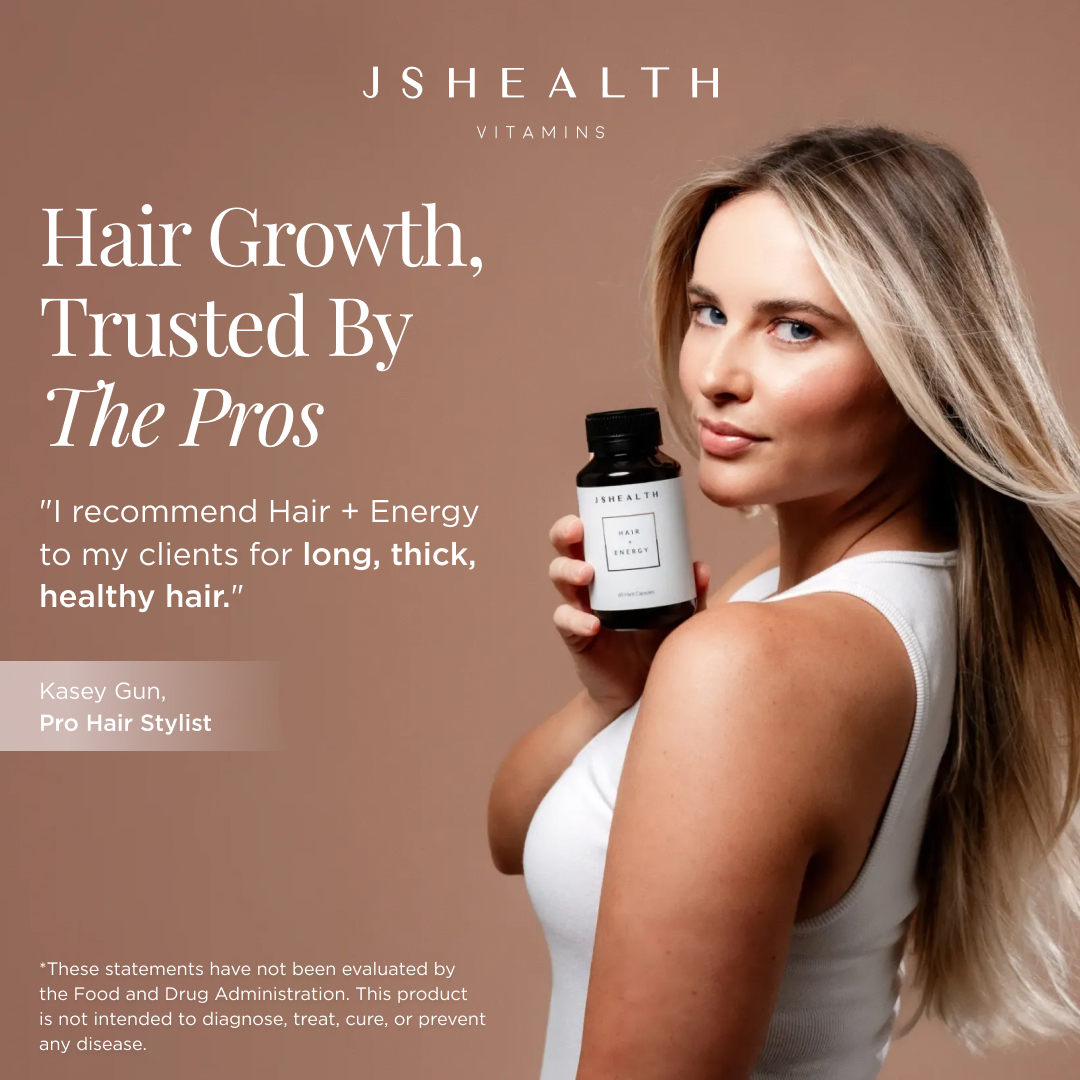

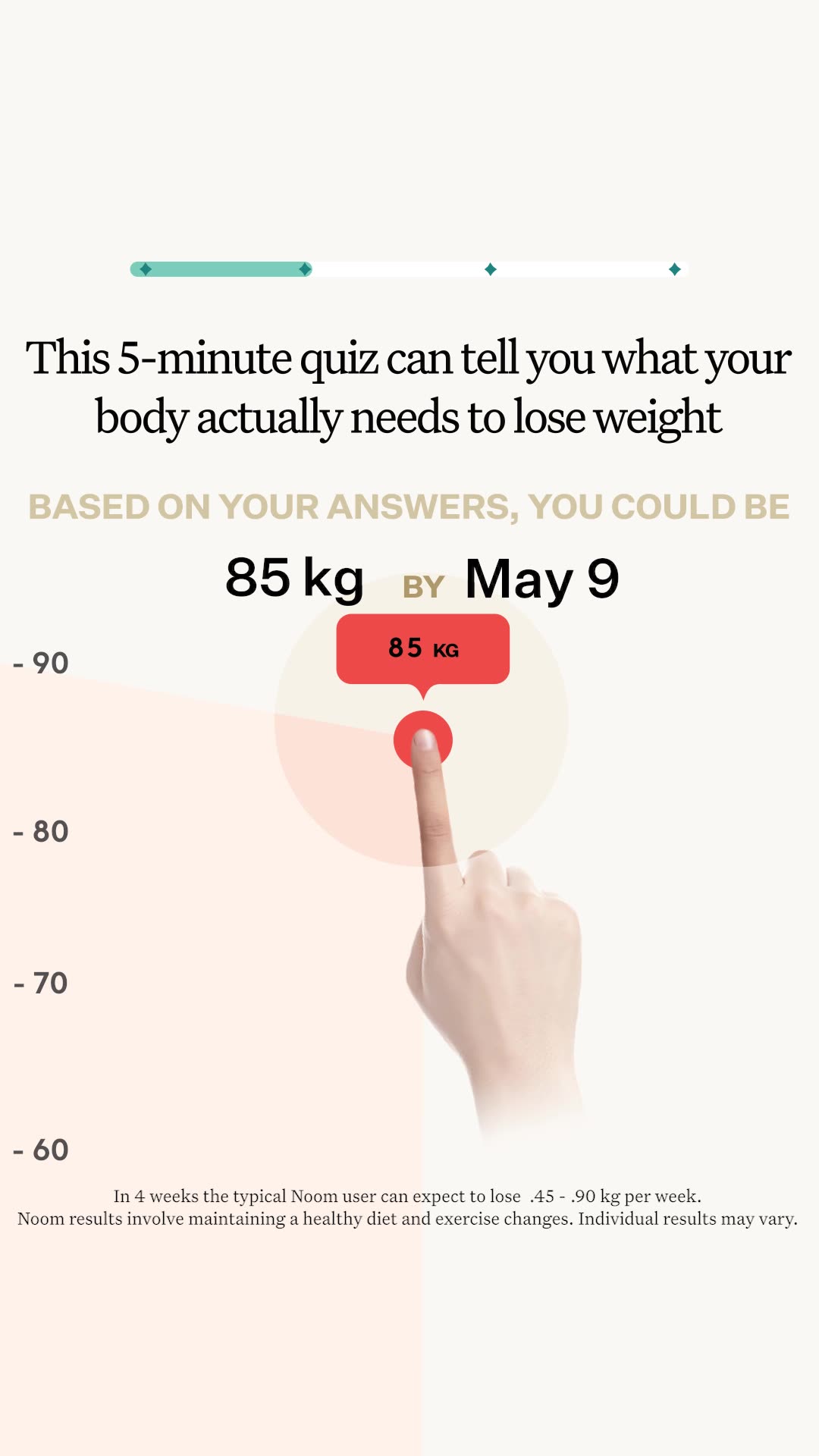
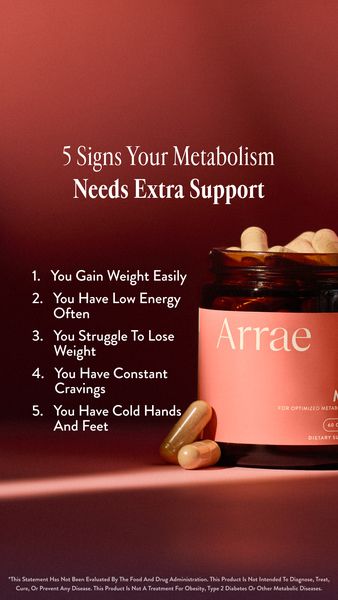
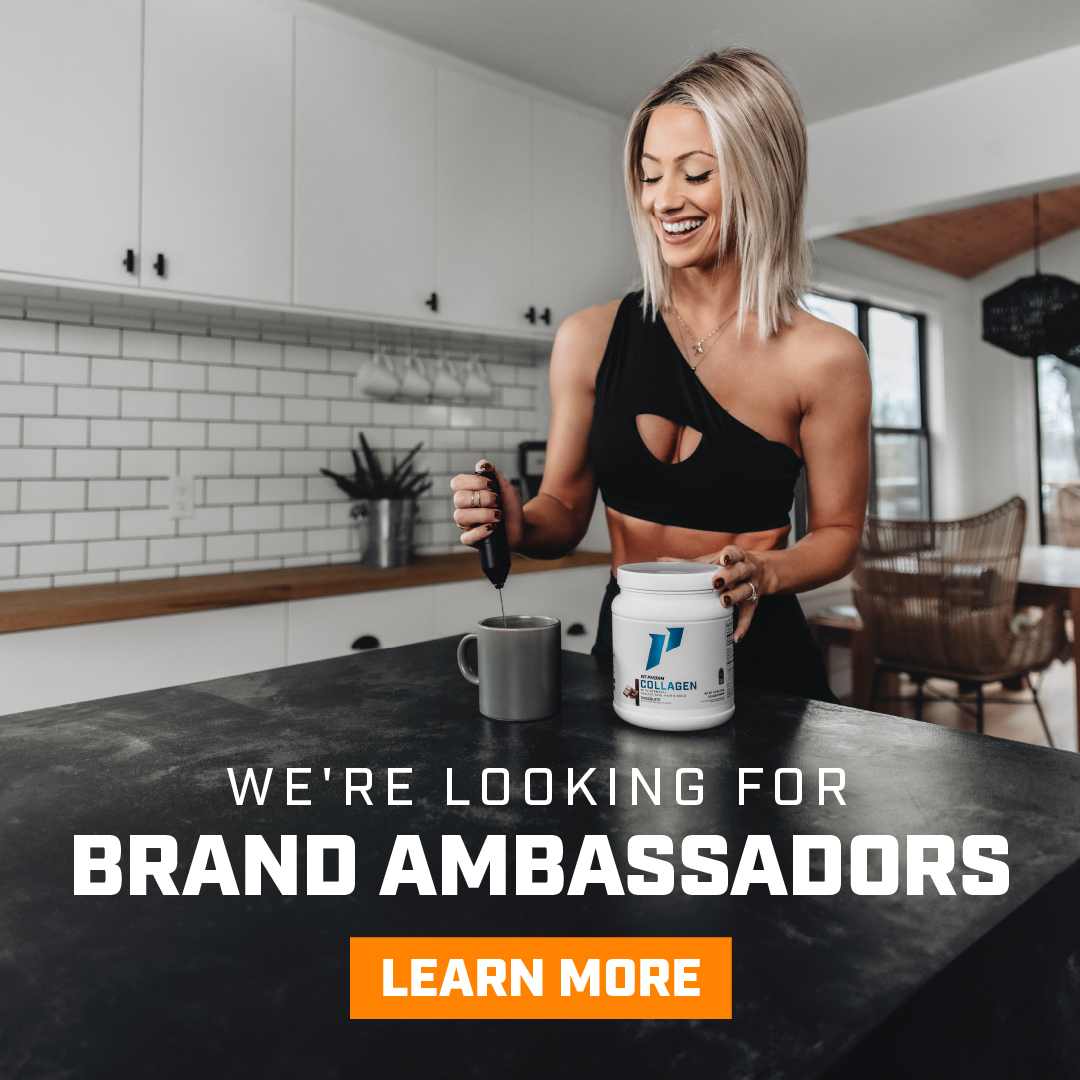

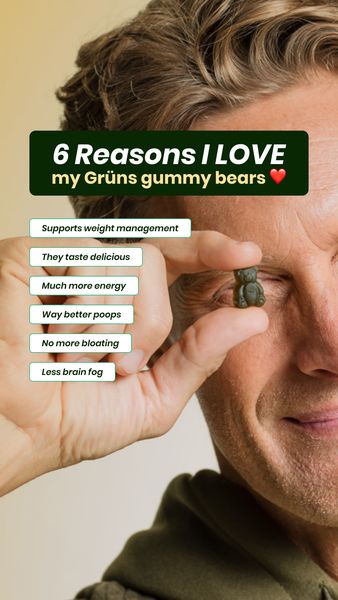
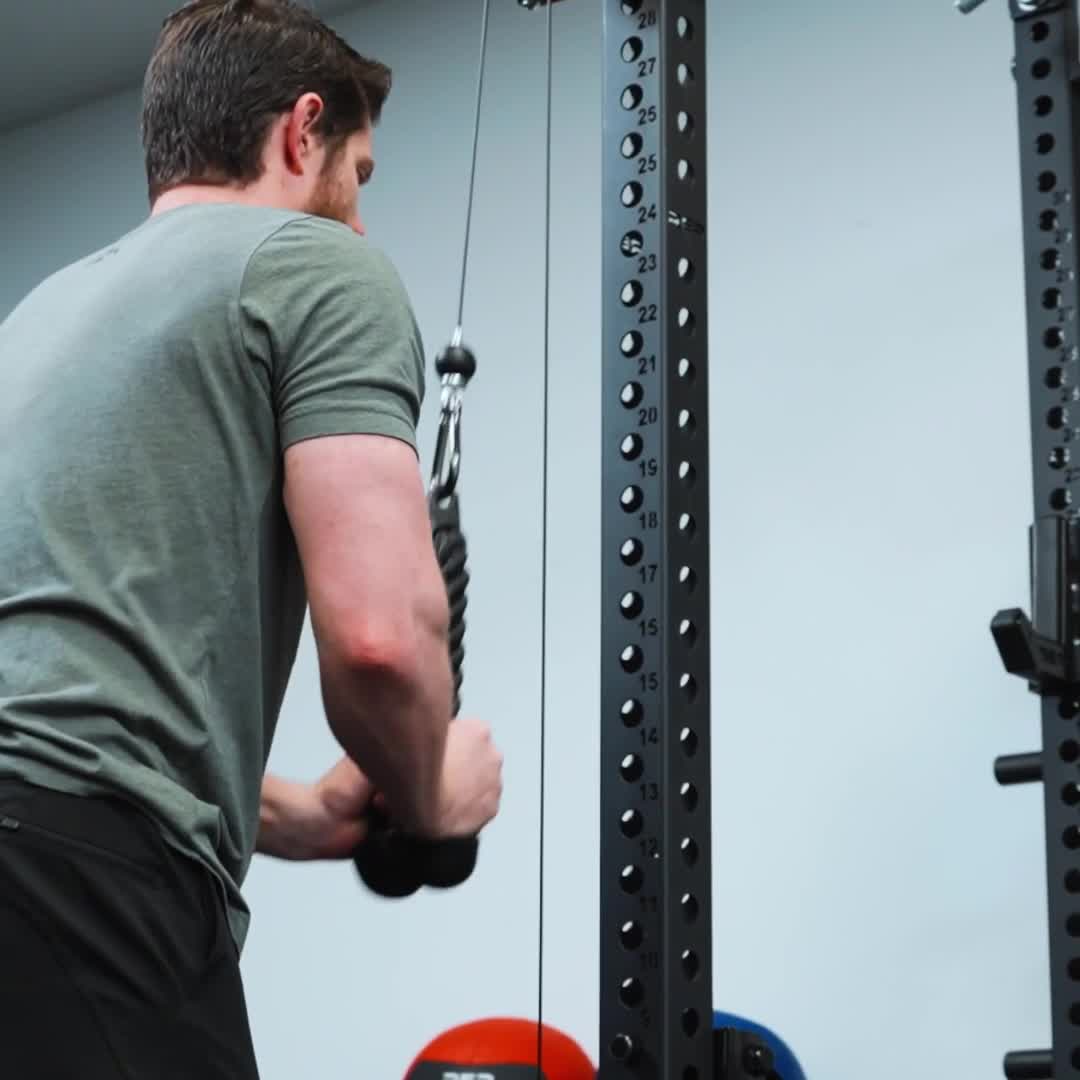
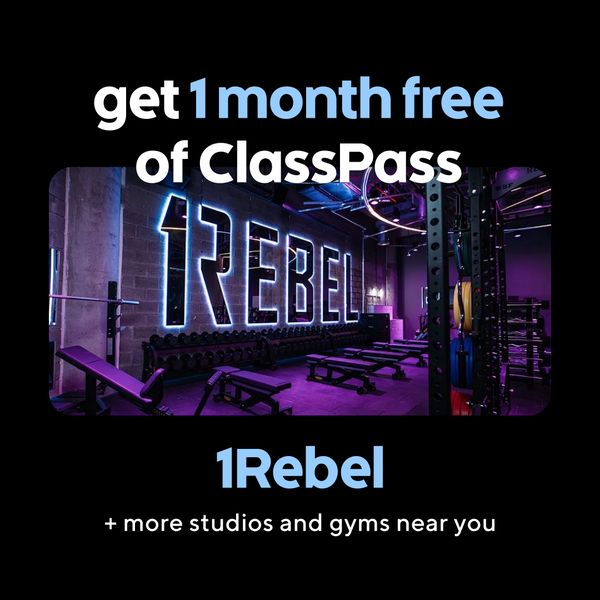

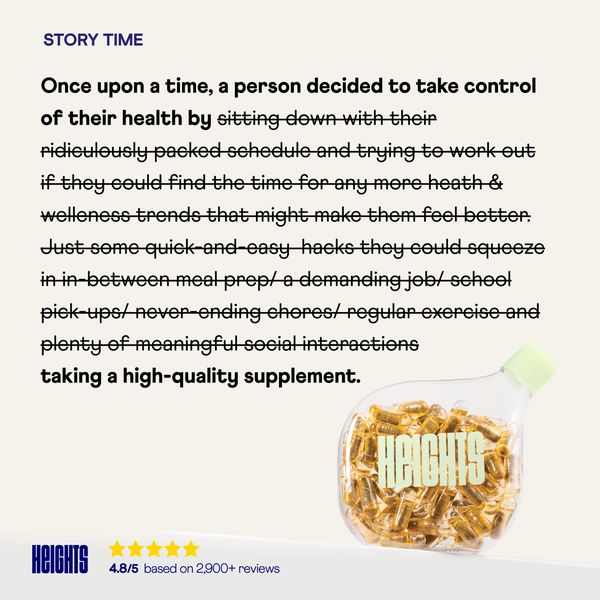
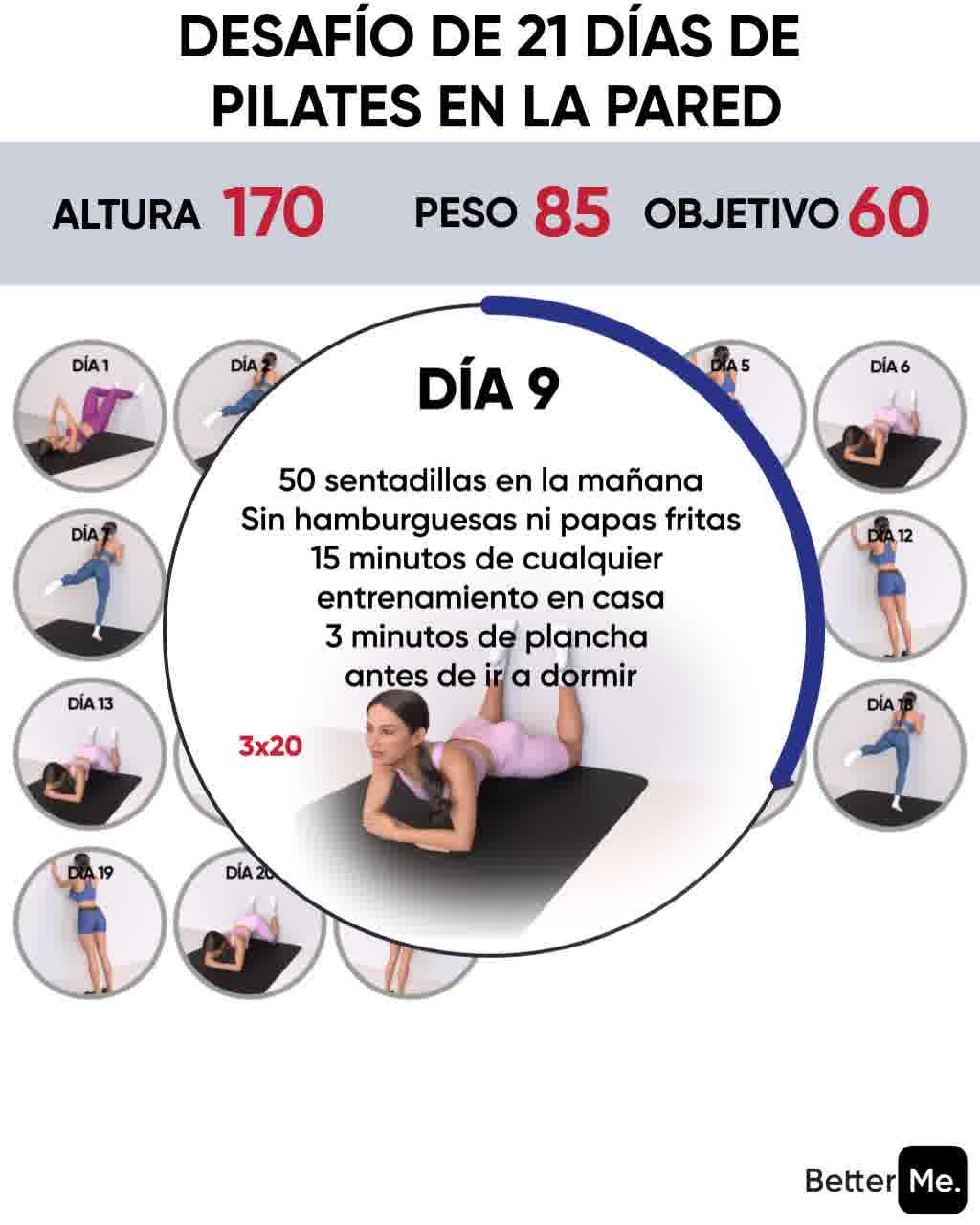
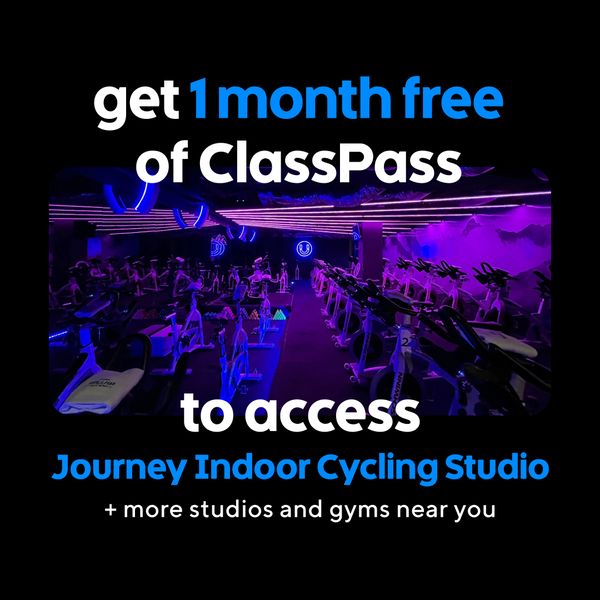

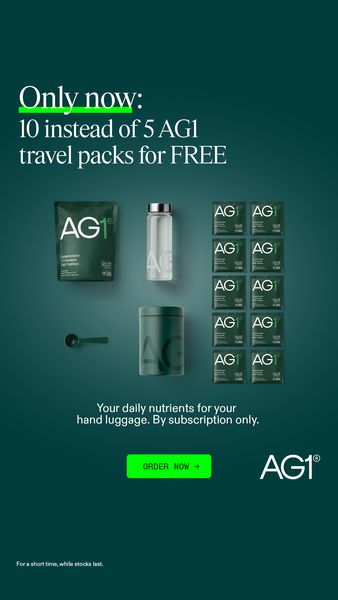
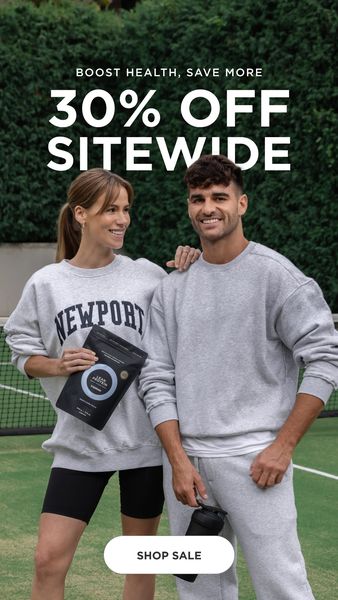
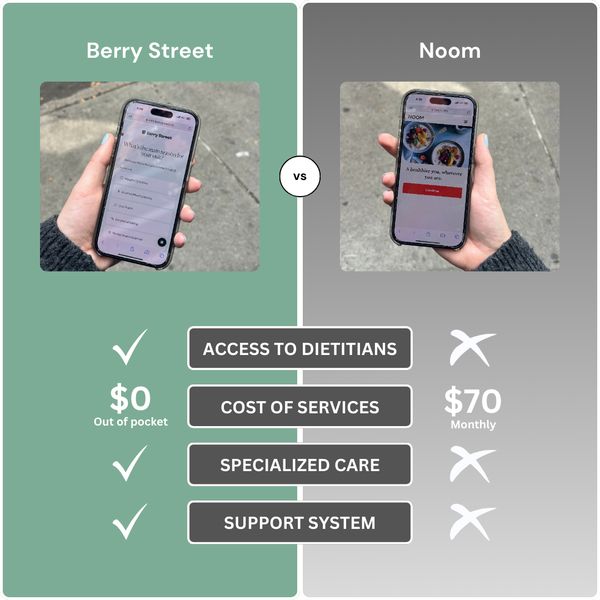
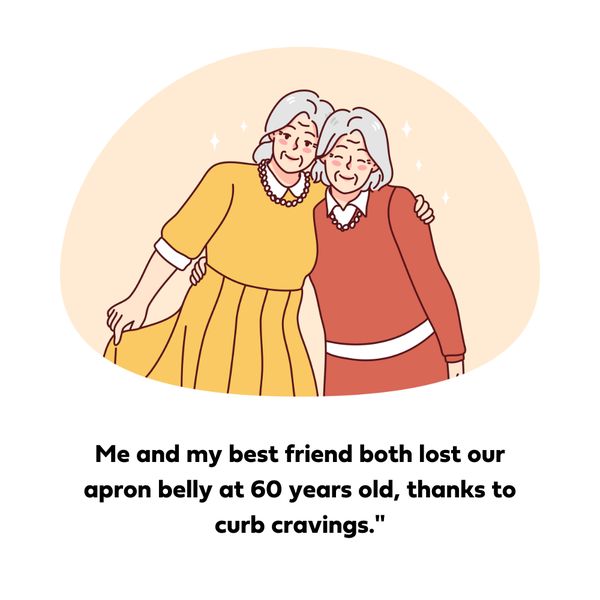
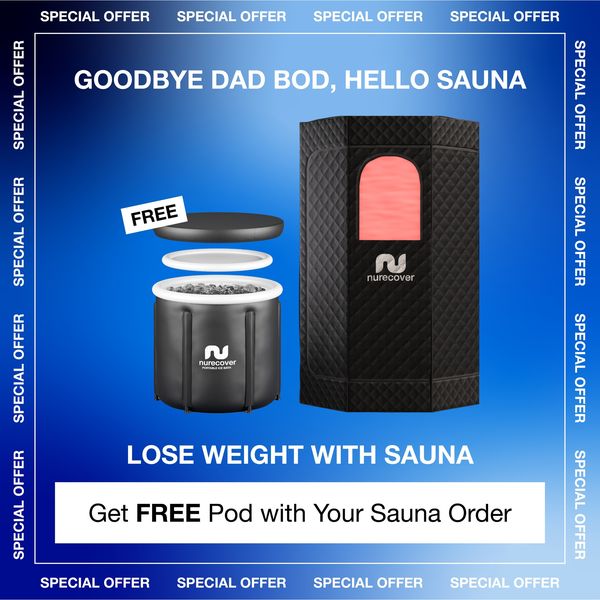
Top brands running Fitness / Wellness ads
Fitness and Wellness advertising at a glance
Fitness and wellness ads cover workout programs and apps, gym wear and equipment, protein and supplements, sleep and stress products, recovery tools and coaching. The creative leans on transformation and routine: a sweat-soaked clip, a progress photo, a quick at-home move, a morning stack of products. Many ads are creator-led and speak in first person about a journey. Audiences tend to weigh effort, time, price and credibility, and the category draws careful platform review of health, weight and body claims.
How to use these Fitness and Wellness ads
- Collect the first lines and opening visuals of workout and coaching ads to see how they speak to beginners versus experienced lifters.
- Compare how supplement and wellness brands phrase benefits, and note the cautious wording used around health outcomes.
- Study challenge, programme and subscription offers, such as a free trial week or a starter kit, and how they are explained in the copy.
- Watch how creators present routines in short video, including pacing, on-screen text and the point where the product appears.
- Look at seasonal patterns: new year, summer, back to routine, and think about what your calendar of creative should be.
Fitness and Wellness ad best practices
Describe the routine, not a miracle
Viewers have seen too many dramatic promises. Show a believable routine, what it takes each day and what the product adds, and let the viewer decide whether it fits their life.
Handle health and weight claims carefully
Platforms review claims about weight, body image and health conditions under their own policies, and regulators set limits on supplement and wellness claims. Avoid implying diagnosis or cure, and check current rules.
Use transformation stories responsibly
Real customer stories are powerful, but they should include context such as time, effort and other changes in routine. Avoid shaming language and avoid suggesting one result is typical.
Show the product in the routine
A shaker, mat, band or tracker feels real when it sits inside a workout or a morning. Show how it is used step by step so the viewer can imagine the habit.
Lower the barrier to starting
Many people stall at the first step. A short beginner session, a free trial or a clear first week gives them a simple start, and ad copy can say exactly what that looks like.
Top Fitness and Wellness advertisers
Most common formats in Fitness and Wellness ads
Most common hook tactics in Fitness and Wellness ads
Related formats
Related niches
Fitness and Wellness ads: frequently asked questions
What do fitness ads usually show?
Common visuals include workouts in progress, progress photos, gym gear in use and quick at-home moves. Many are creator-led and narrated in first person, while apps show screen recordings of the plan or tracker. Copy usually names a goal and a simple first step.
Are before and after fitness ads allowed?
It depends on the platform and the claim. Weight loss and body image ads are reviewed closely under each platform's own policy, and those policies change. Check the current advertising rules before running them, and keep any result honest and clearly contextualised.
How are supplement ads different from workout app ads?
Supplement ads focus on ingredients, taste and a daily habit, and must be careful about health claims. Workout app ads focus on programme, results over time and a trial or subscription. Gear ads are closer to product demos.
Which season matters most for fitness advertising?
Many advertisers focus on the new year and the lead-up to summer, with quieter periods in between. Browsing the gallery by newest and older ads helps you see how messaging changes between motivation peaks and everyday routine.
Can I use this as a fitness ad swipe file for my brand?
Yes, use it to study hooks, pacing and offers, then write your own original versions. The library is free, comes from real brands on Facebook and Instagram, and has no spend or performance data, so test ideas on your own audience.
Other niches
- App / Software
- Automotive
- Beauty / Personal Care
- Consumer Goods
- Education
- Electronics / Tech
- Fashion
- Finance / Fintech
- Food / Beverage
- Footwear
- Games / Toys
- Healthcare
- Home / Garden
- Jewelry / Watches
- Kids / Baby
- Local Services
- Other
- Pets
- Real Estate
- Retail / Marketplace
- Services
- Sports / Outdoor
- Travel / Travel Accessories
- All niches