
3,014 Relatability Hook Ad Examples
A relatability hook starts on a moment the viewer already knows, so they feel seen before they are sold to. Browse the ads below, then read how to find and write one.
Niche
Format
Brand
SortNewest
3,014 ads




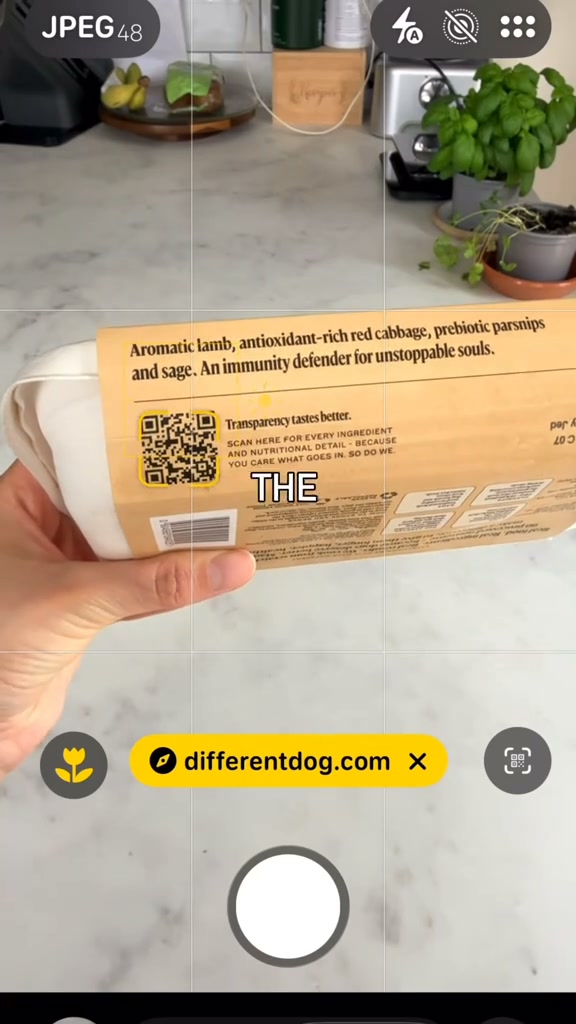

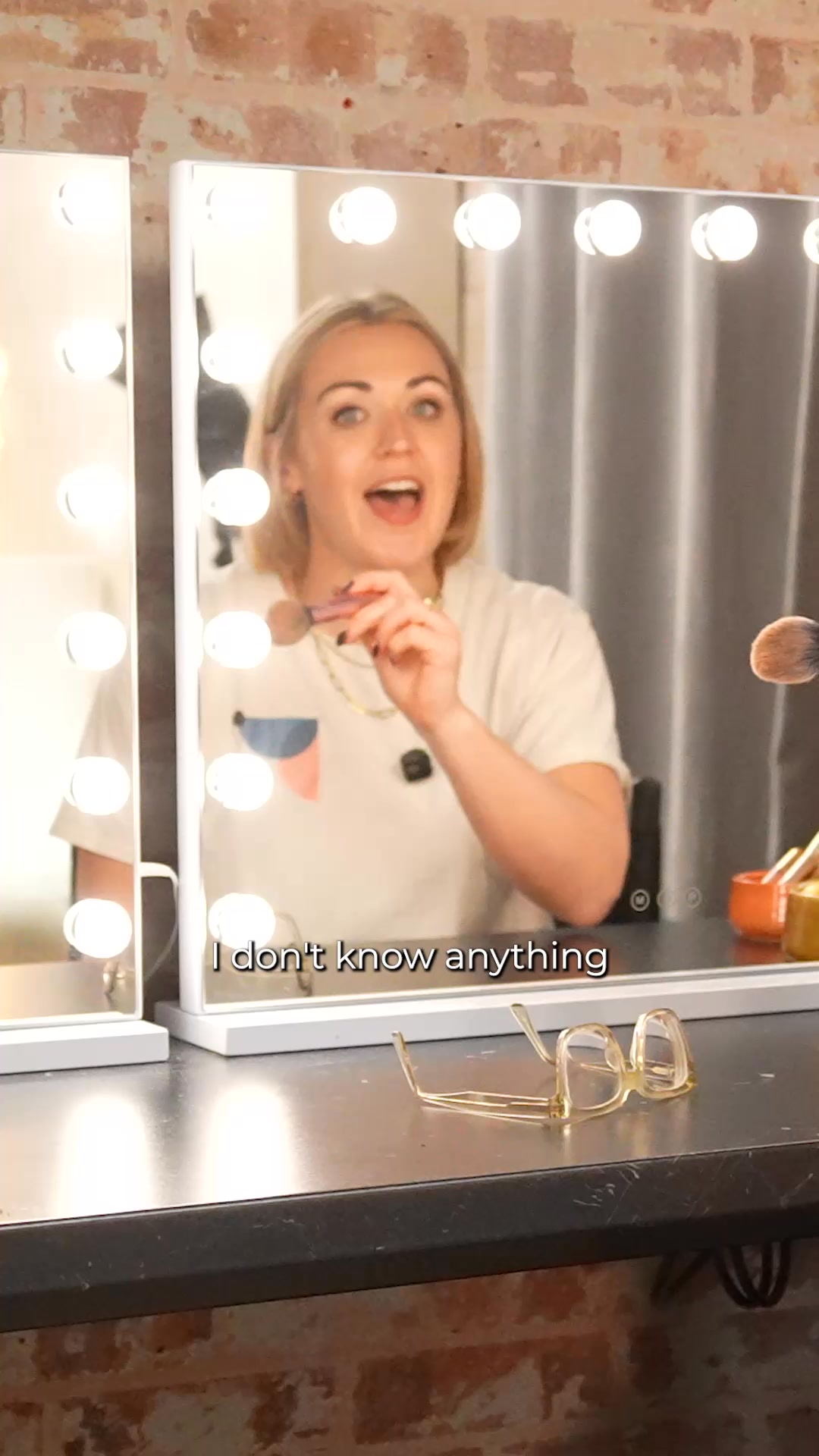
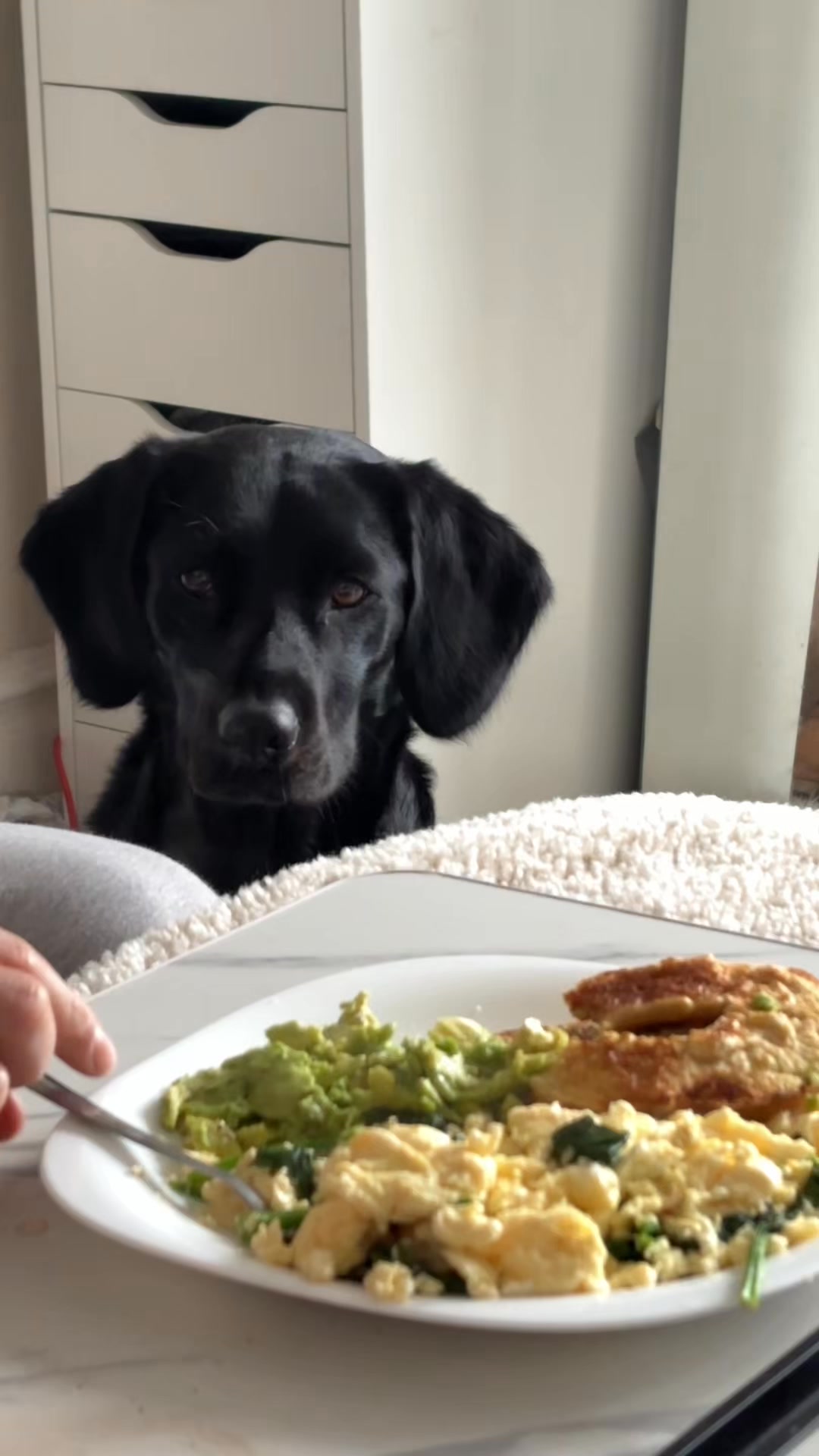
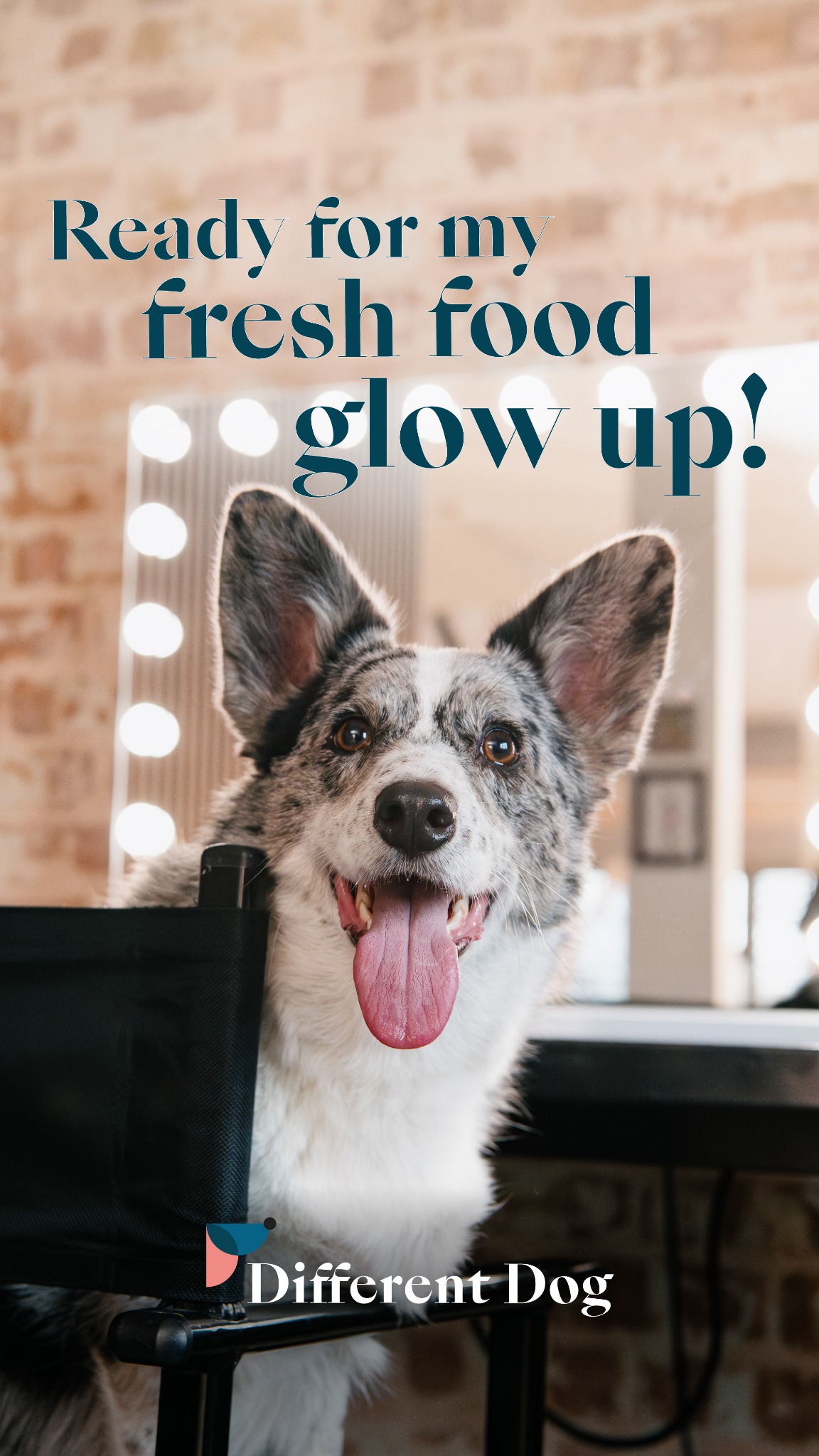

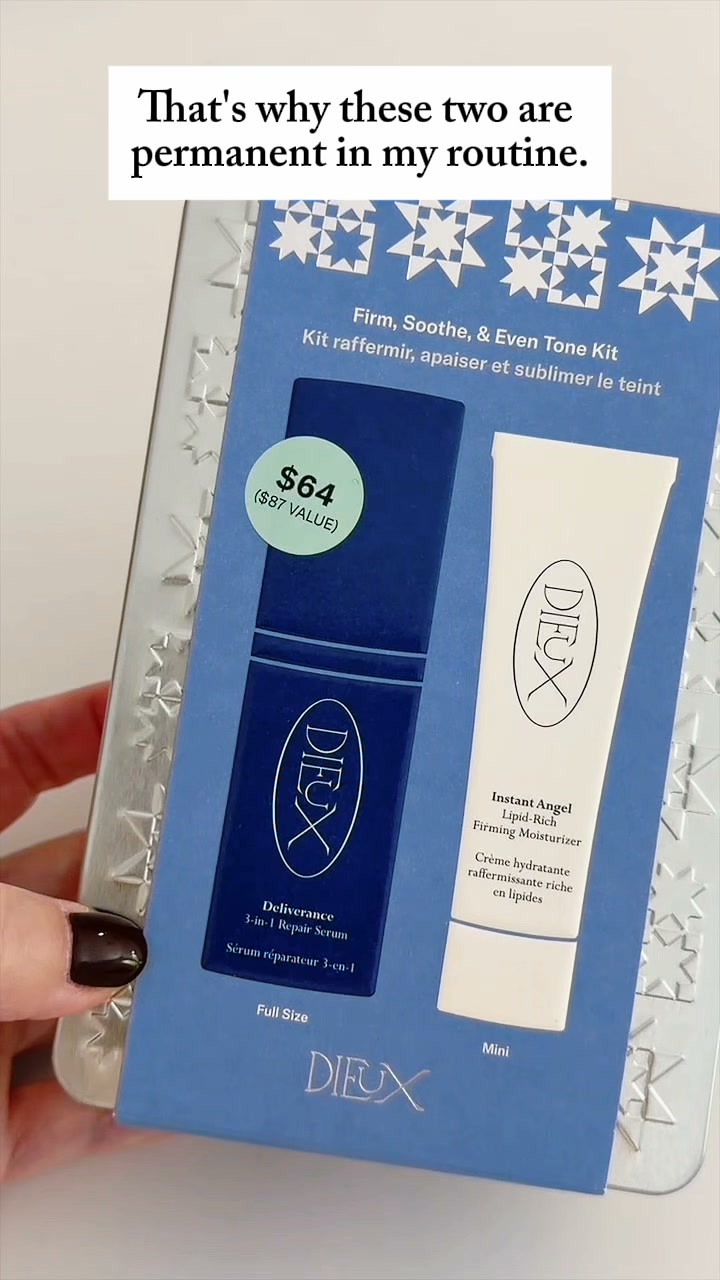
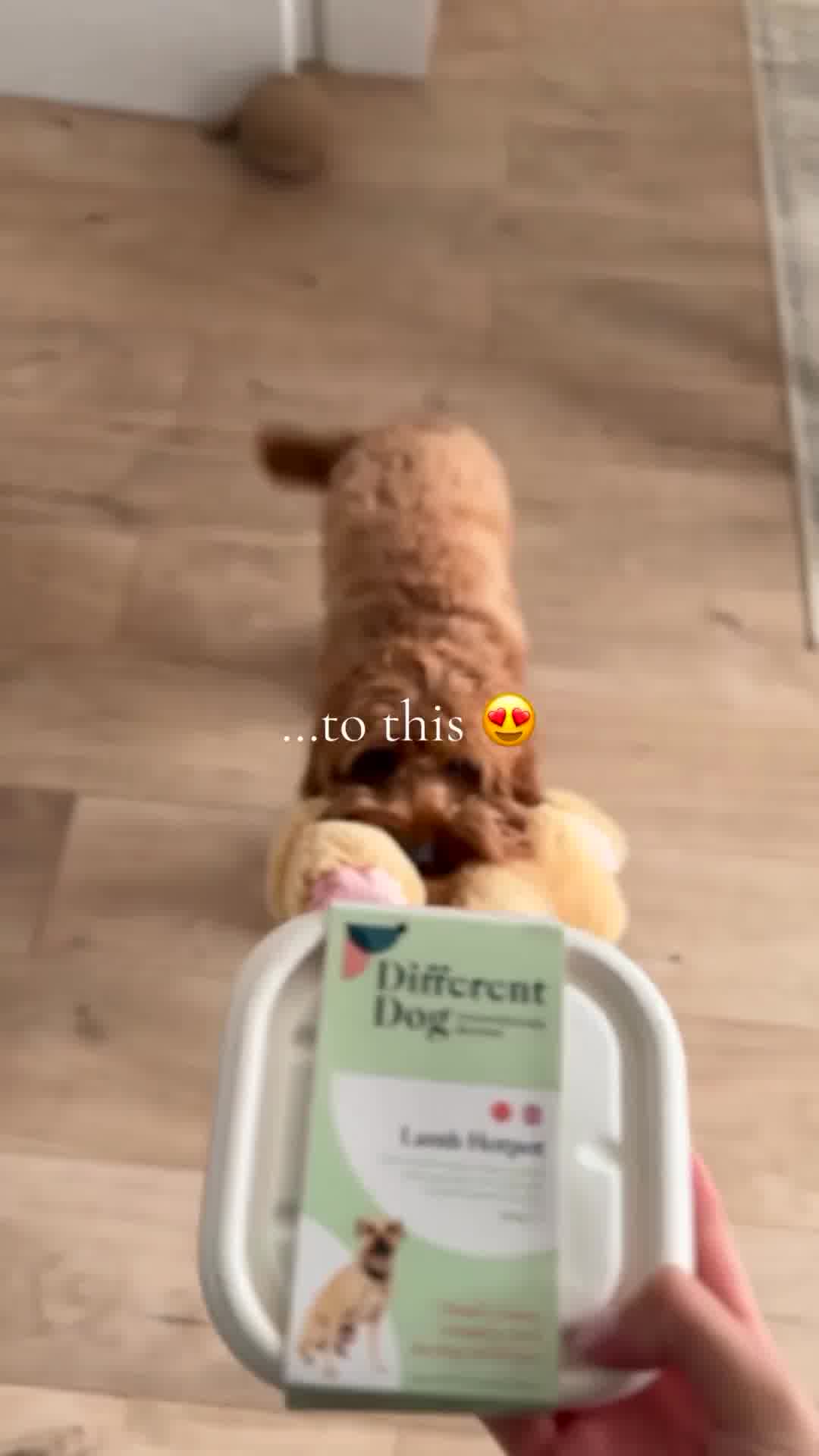
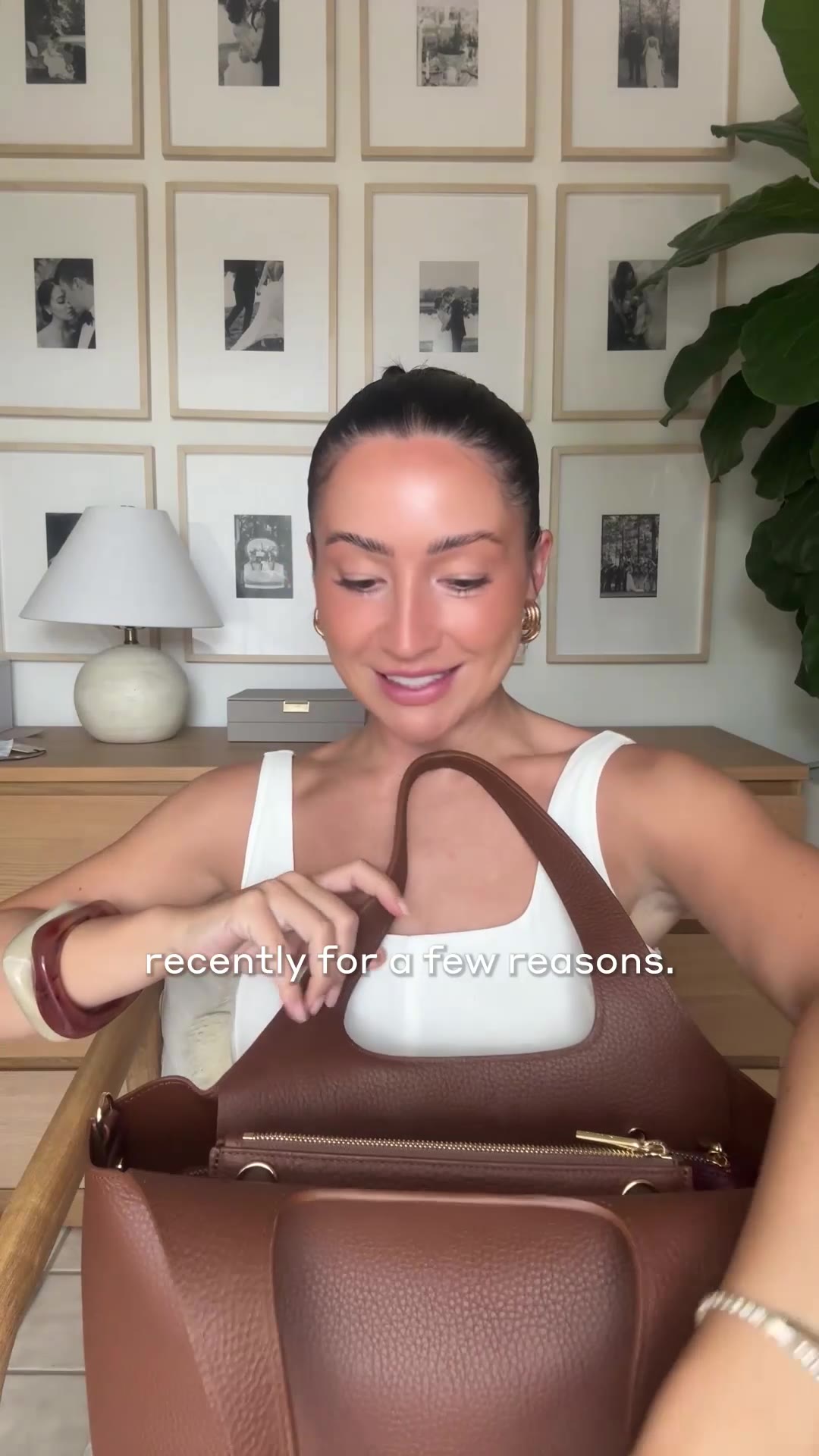
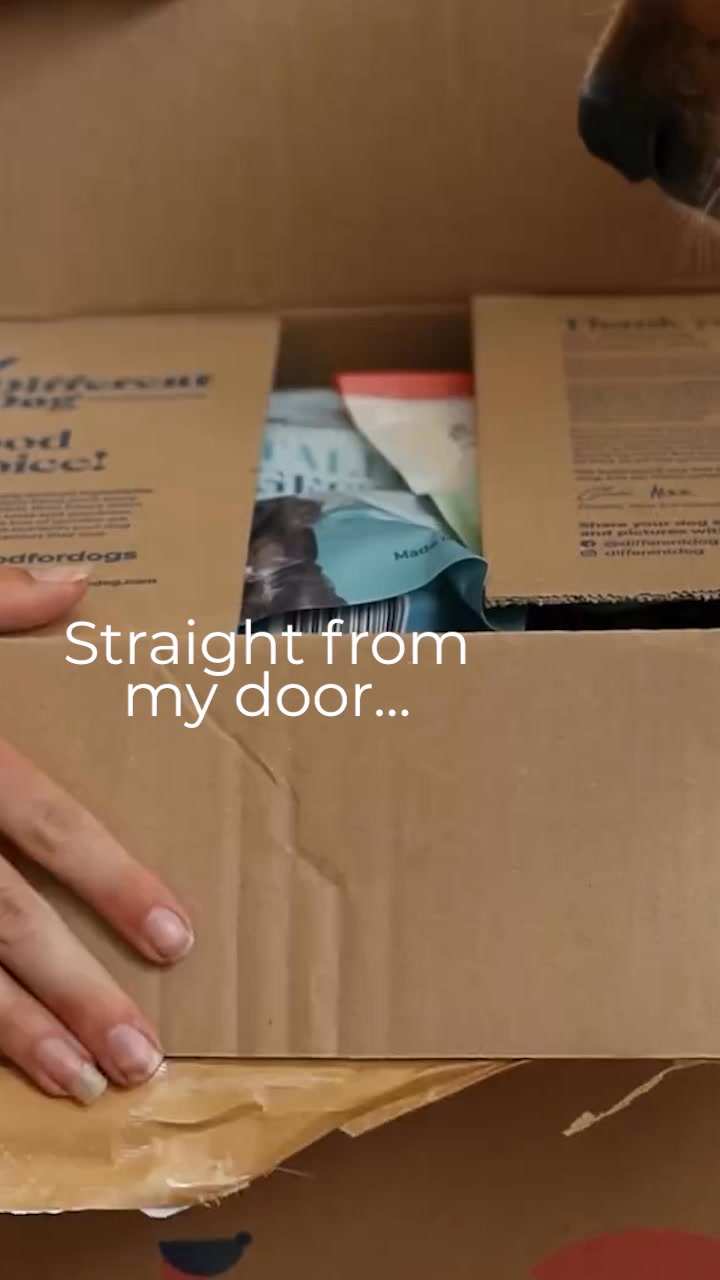
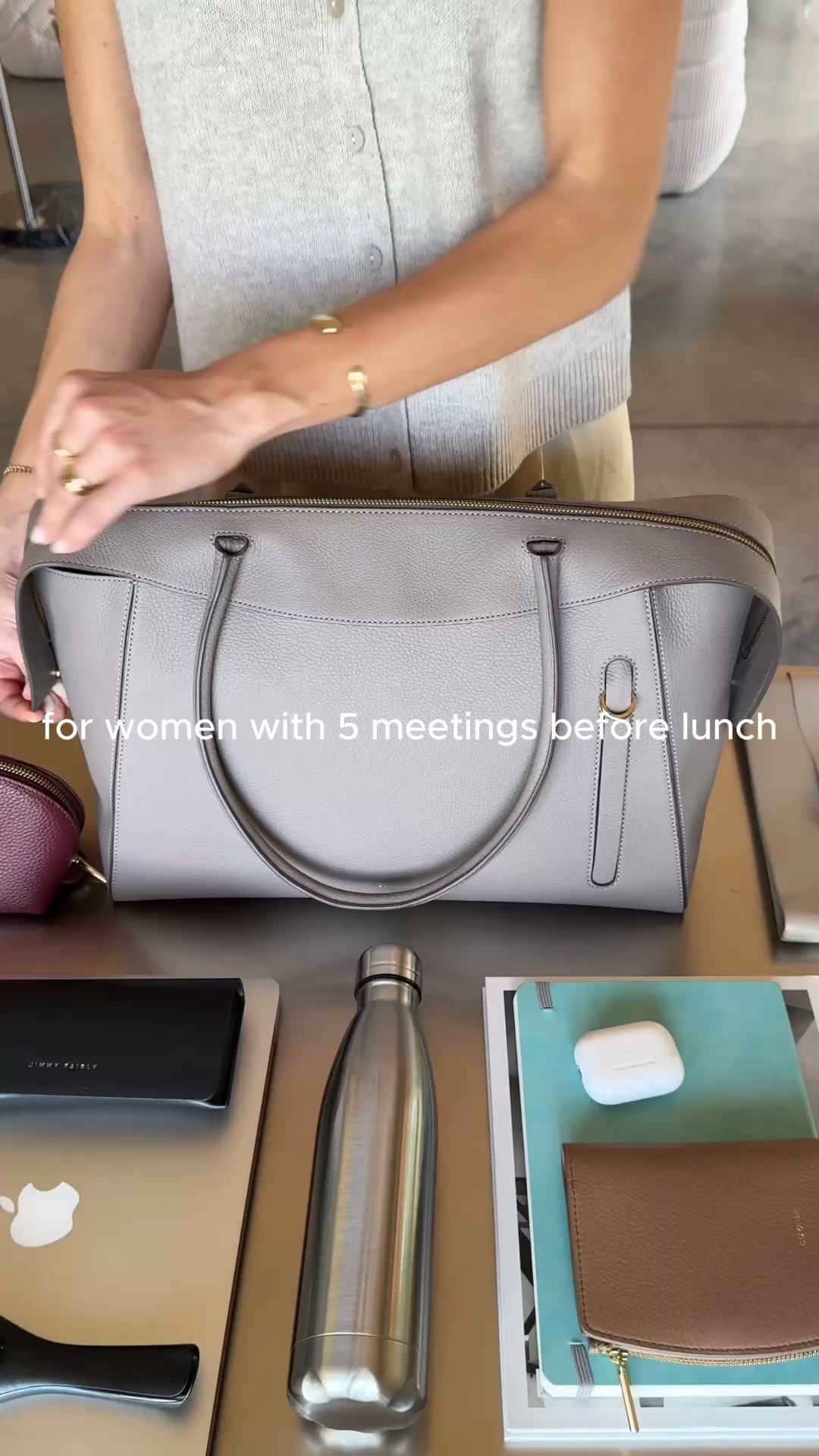
Top visual formats for Relatability Hook ads
Top brands running Relatability Hook ads
What is the Relatability Hook?
A relatability hook opens with a small, familiar moment from the viewer's own life: the alarm they snooze, the fridge they open and close, the group chat that never settles. The ad does not claim anything yet. It shows a situation, and the viewer's reaction is a nod. That recognition earns attention and trust, and the product enters as the way out of the moment, or as part of it. The tactic is common in UGC, skits and text-led statics, and it depends on specificity: the more exact the detail, the stronger the recognition.
When to use the Relatability Hook
- Your audience shares a daily frustration or habit that the product touches, even indirectly.
- You sell something that feels low-interest until the viewer sees their own problem in it.
- You want a conversational, human tone for a cold audience that ignores obvious ads.
- You have customer reviews and comments full of small details that can become hook lines.
- You are building a brief and want many angles from one pain point, each a different moment.
Relatability Hook best practices
Mine reviews and comments for the moment
Customers describe their lives in small details. Collect the lines that sound like scenes and turn the most repeated into hooks. Competitor comment sections are a good source too.
Be specific, not general
A time of day, an object or a phrase makes the moment real. Saying that mornings are hard is weaker than naming the thing that goes wrong at the front door.
Stay inside one moment
Pick one scene and play it out in the first three seconds. A montage of problems turns the hook from recognition into a list.
Bring the product in as the relief
After the nod, show the product handling the moment. If it appears too early the recognition is lost; too late, and the viewer has moved on.
Keep the tone friendly, not mocking
Laugh with the viewer, not at them. A moment that makes someone feel understood earns attention, while one that makes them feel judged loses it.
Brands using the Relatability Hook
Niches with the most Relatability Hook ads
Related formats
Related niches
Relatability Hook: frequently asked questions
What is a relatability hook?
A relatability hook is an opening that shows a moment the viewer recognises from their own life. It builds a quick feeling of being understood, which makes the rest of the ad easier to watch.
How do I come up with relatable hooks?
Start with customer language: reviews, comments, support messages and returns notes. Group the small scenes people describe, and write each as a first line or first frame. Scanning competitor ads in the library shows which scenes are already in use.
Is a relatability hook the same as a POV ad?
They overlap but are not the same. Relatability is the tactic, a recognisable moment. POV is a visual format that frames a scene in the first person, and is one of several ways to deliver a relatable hook.
Does a relatability hook need a person on camera?
No. A text-led static, a desk shot, a chat screenshot or a skit can all show a familiar moment. What matters is that the detail is exact enough for the viewer to recognise it at a glance.
What is the risk of relatability hooks?
Being generic. A moment that fits everyone fits no one, and the viewer scrolls on. If your hook could open an ad for any brand, make it more specific to your buyer and your product.