
12,162 Beauty and Personal Care Ad Examples
See what's working in beauty: the textures, routines and results skincare, makeup and hair brands keep running. Browse the ads below, then read what to look for.
Format
Hook
Brand
Status
Type
SortDefault
12,162 ads
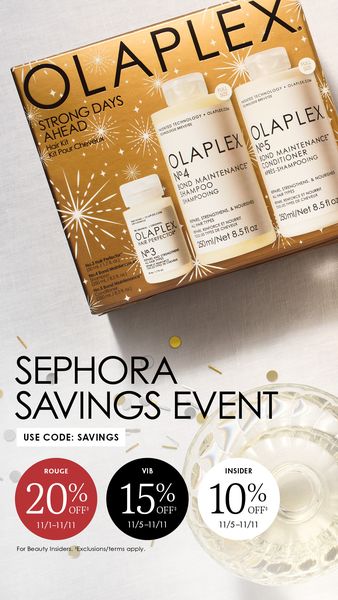


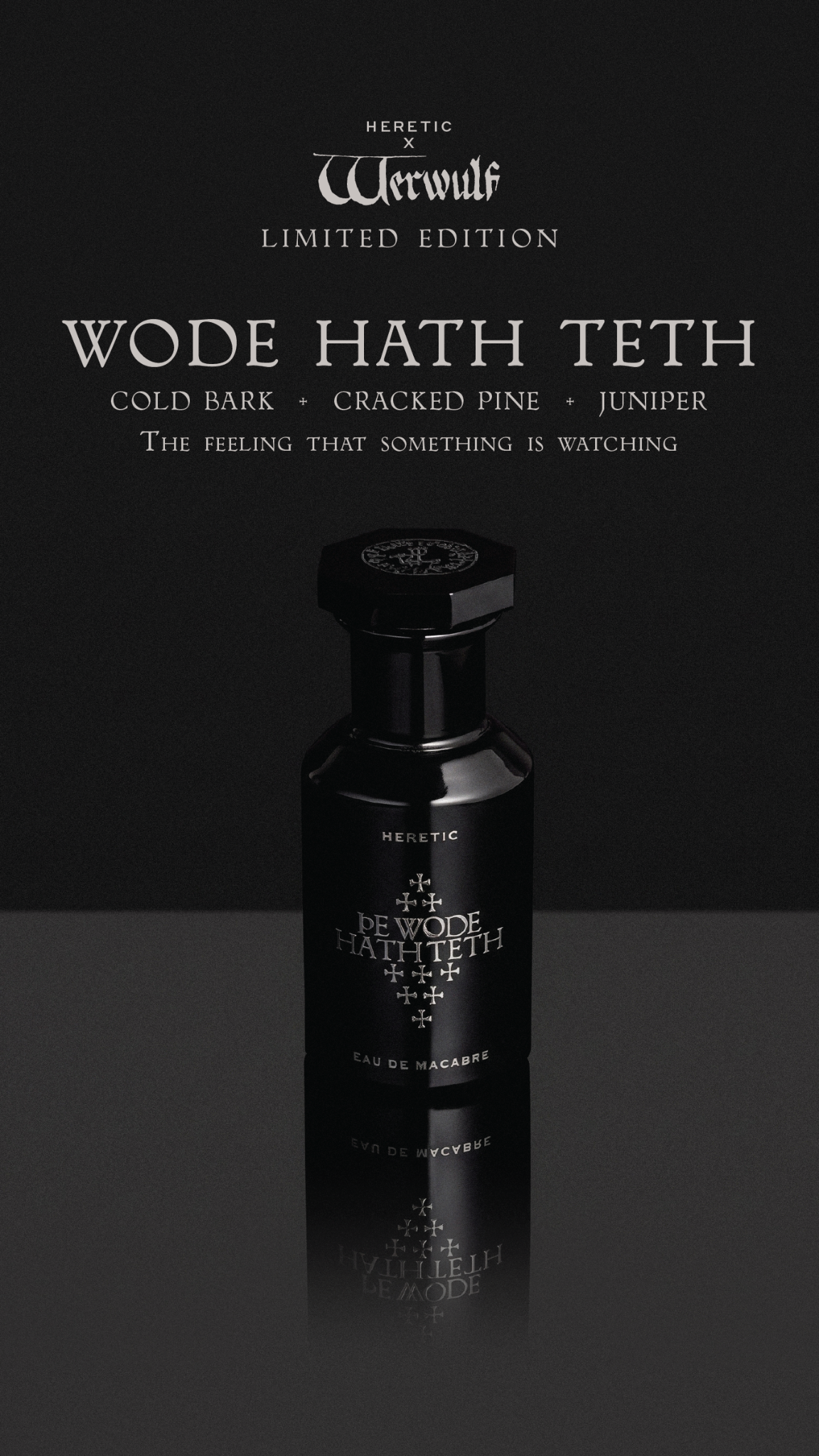
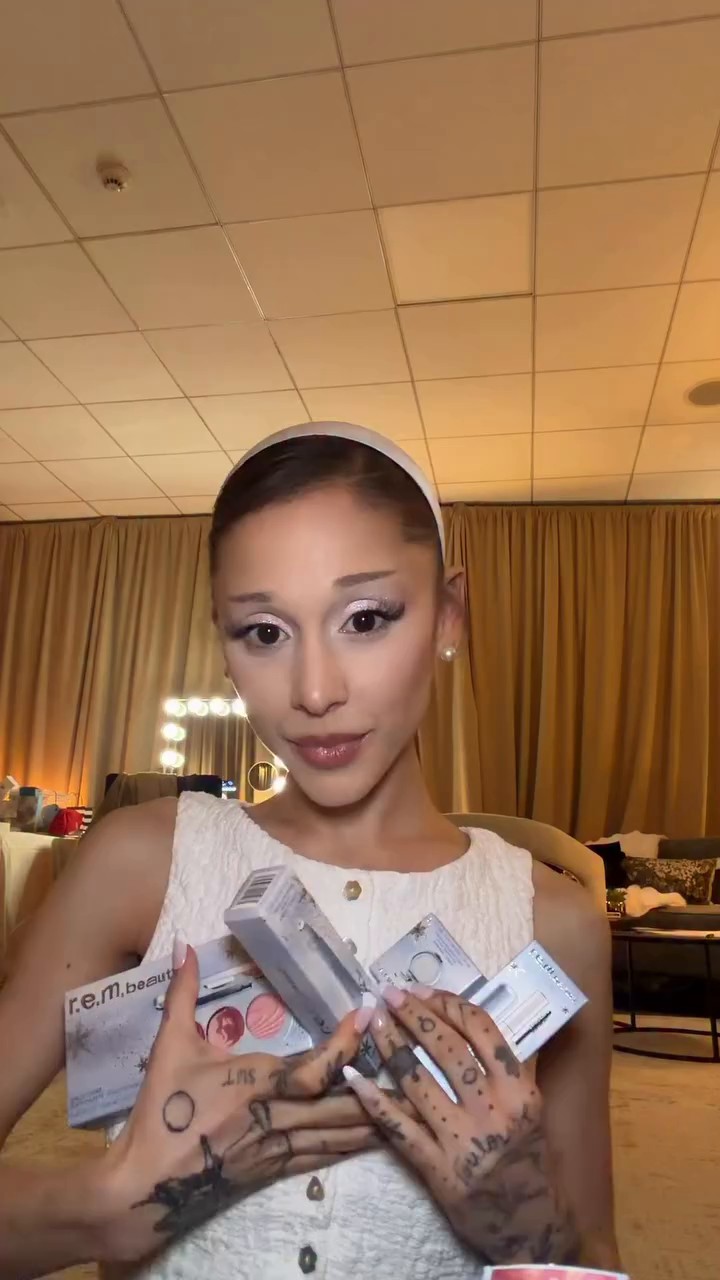
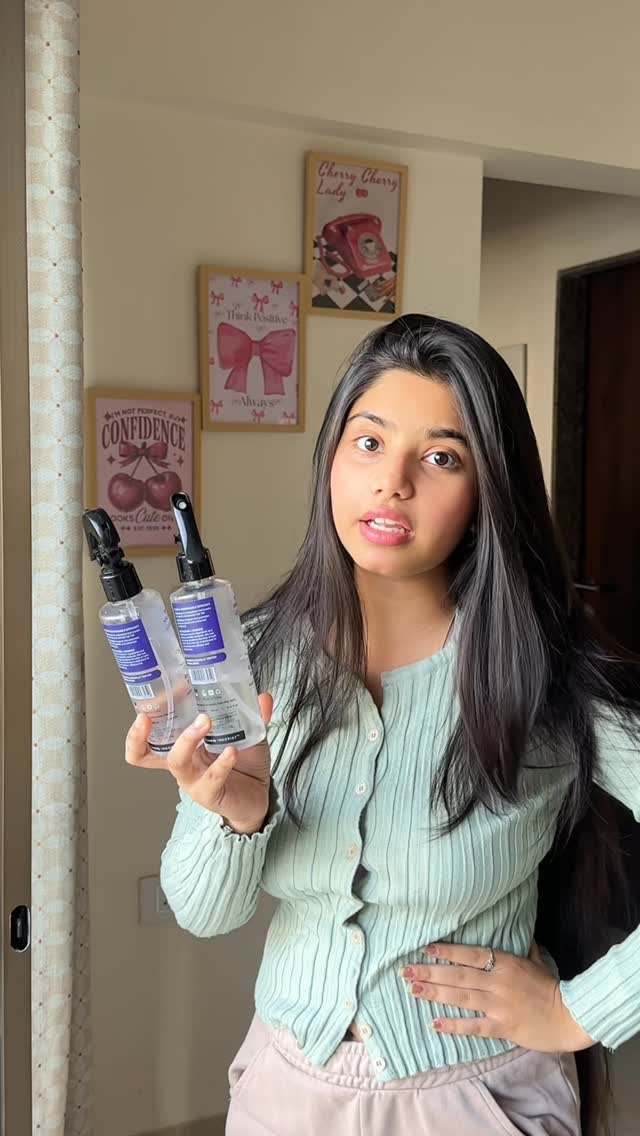
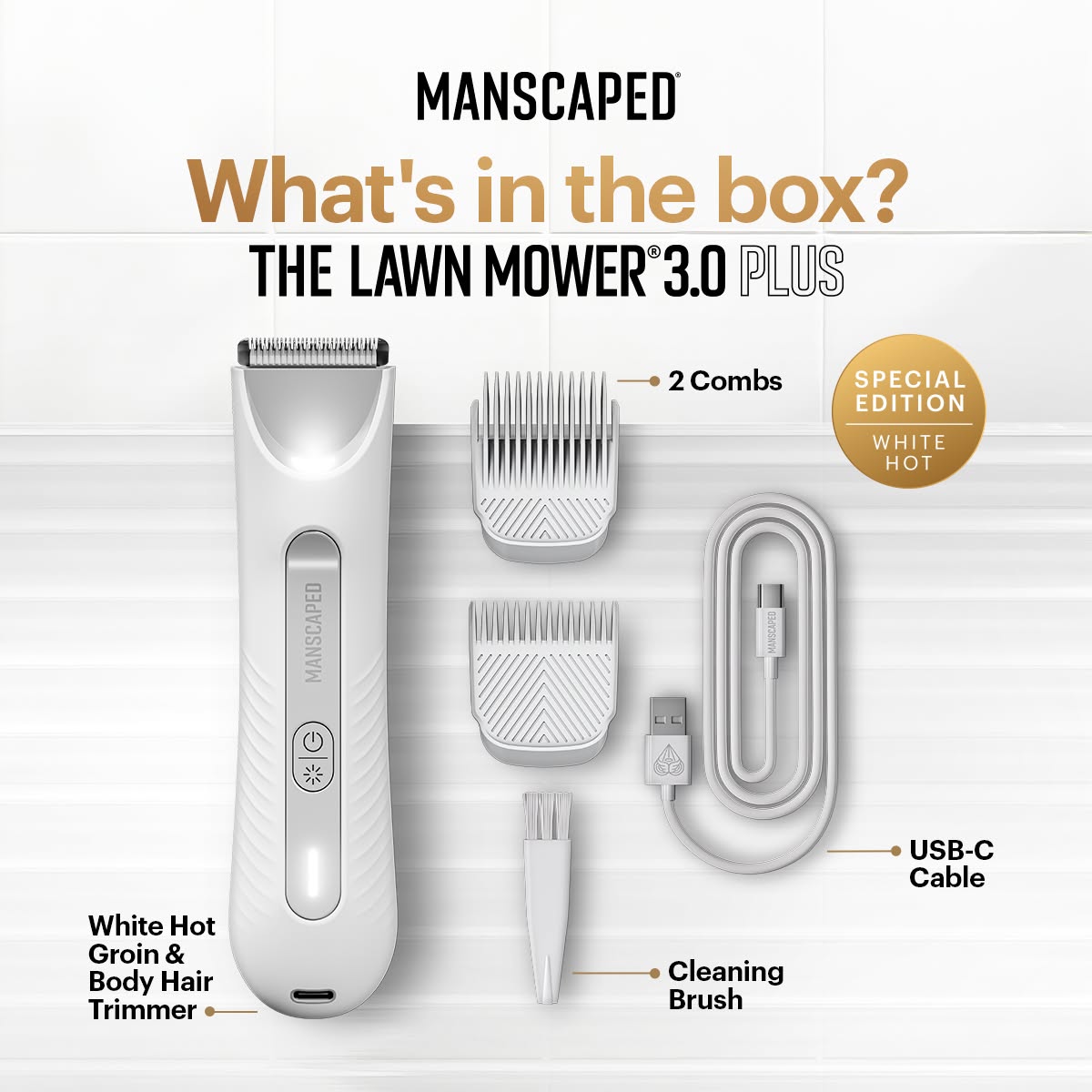
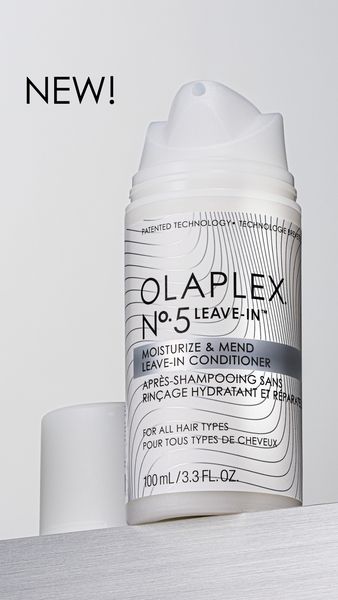
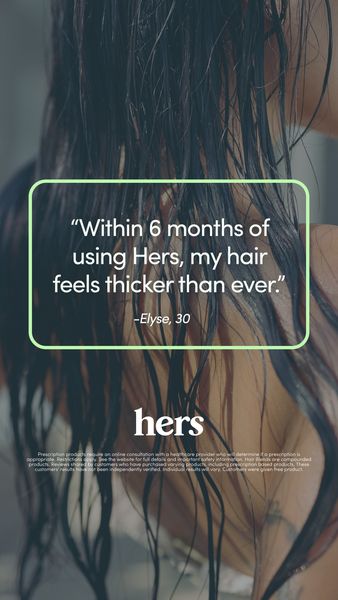
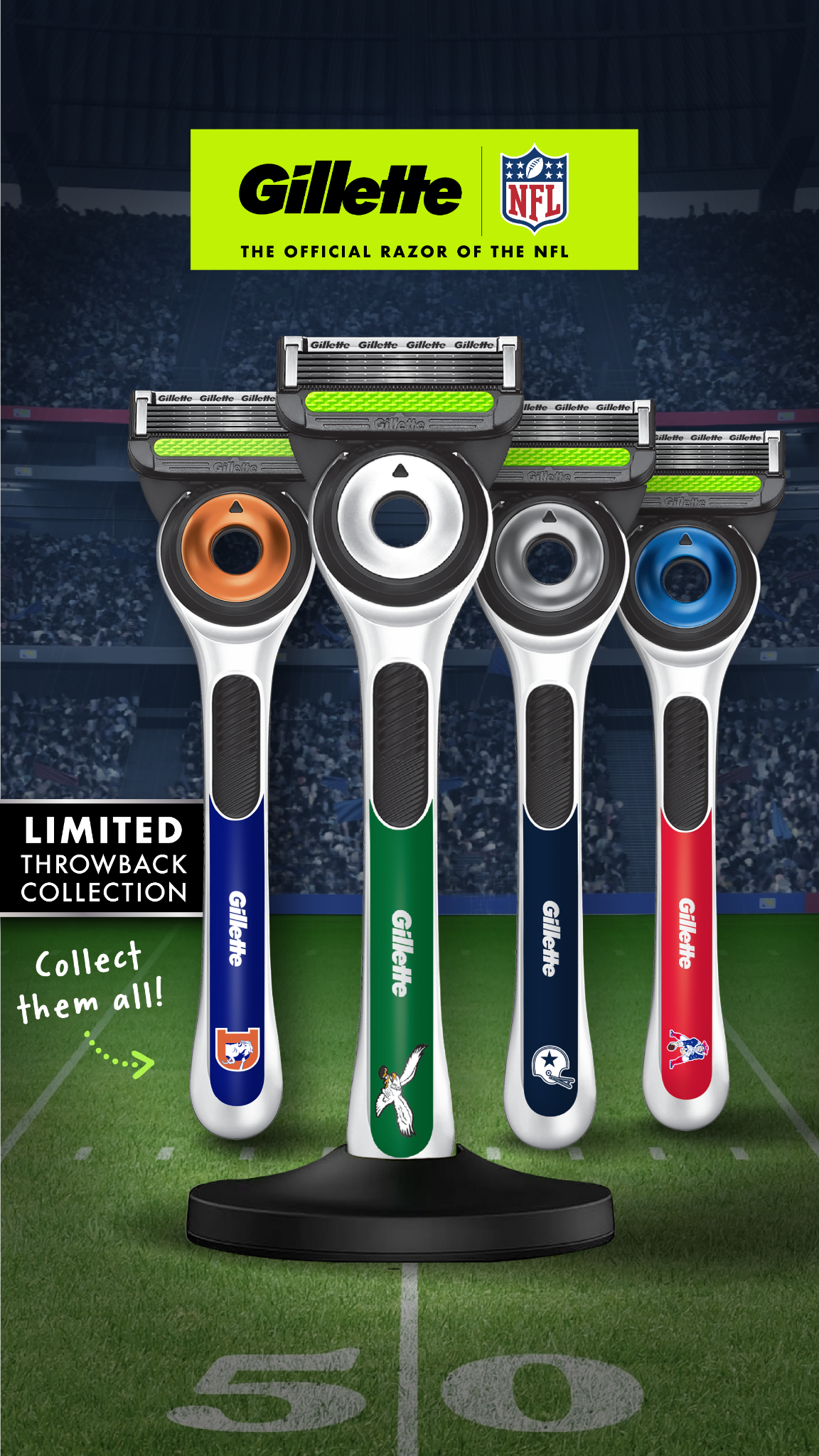
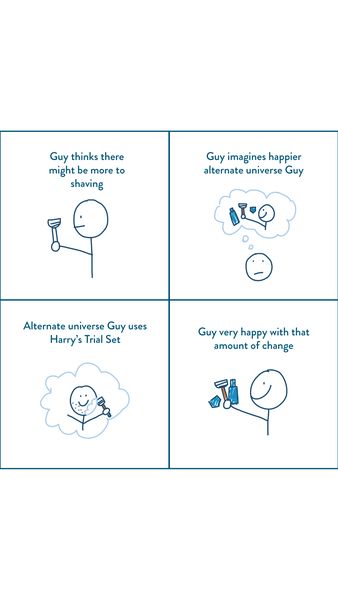
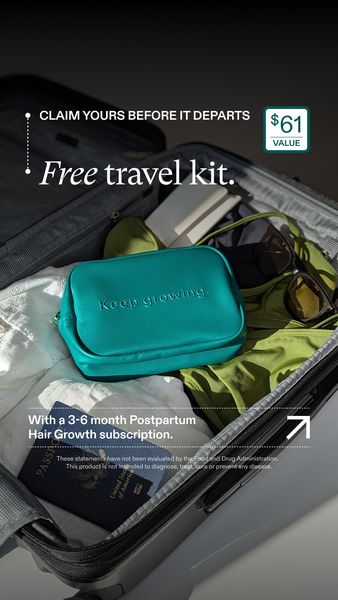
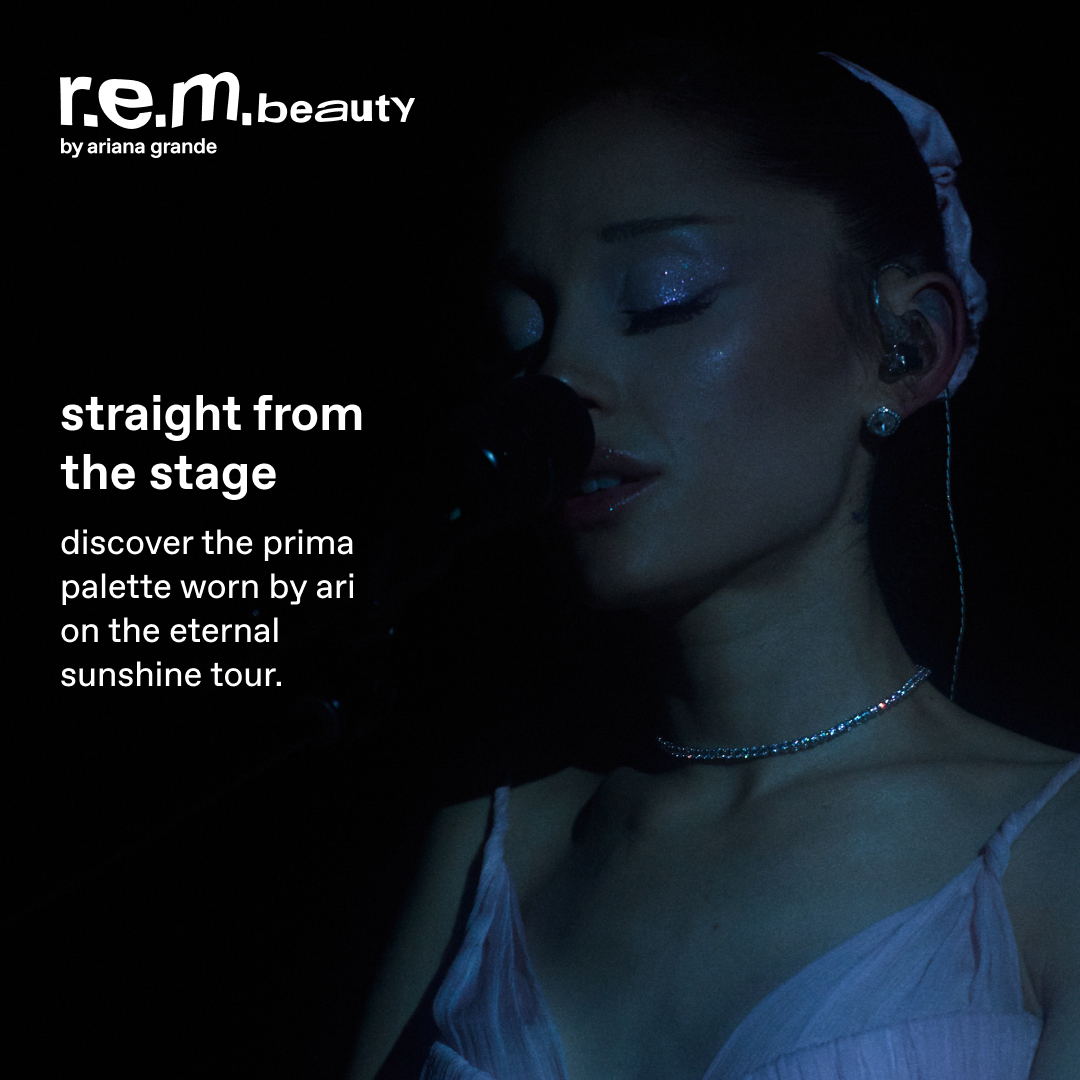
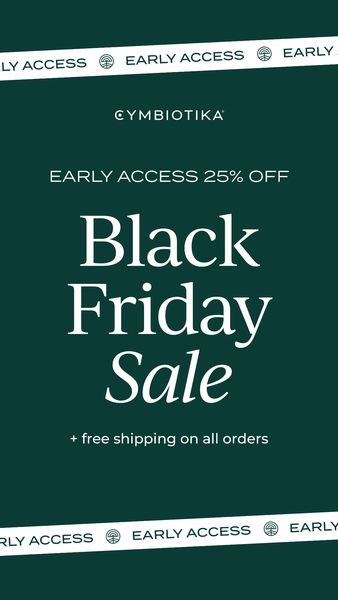
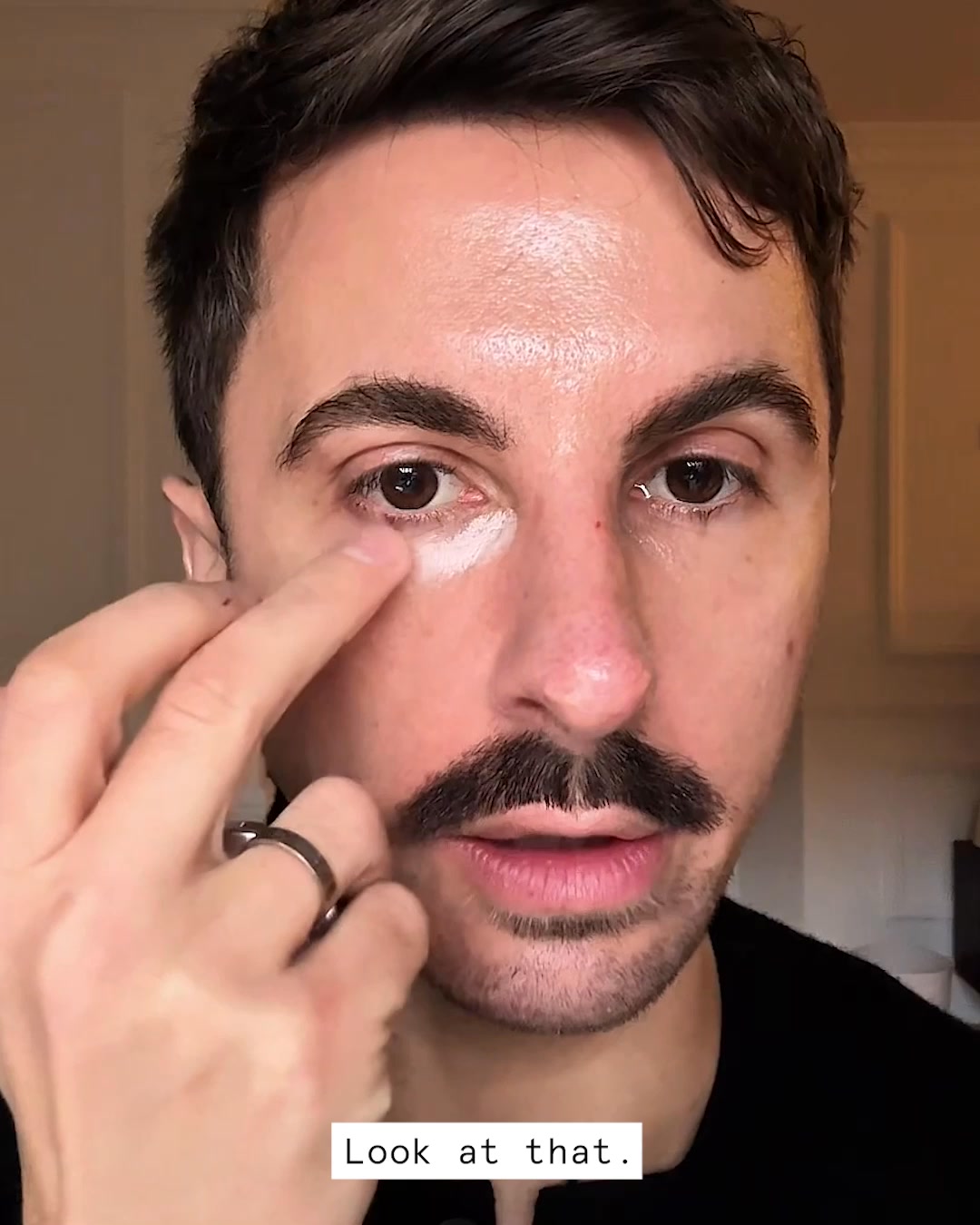
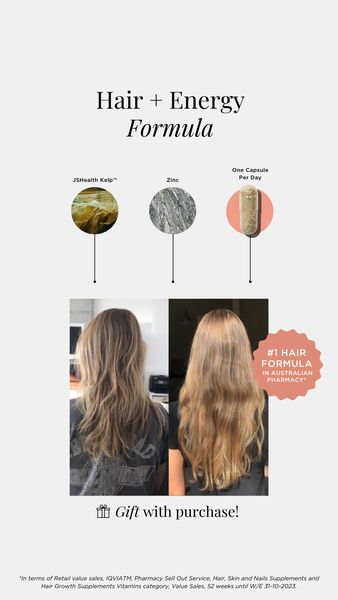
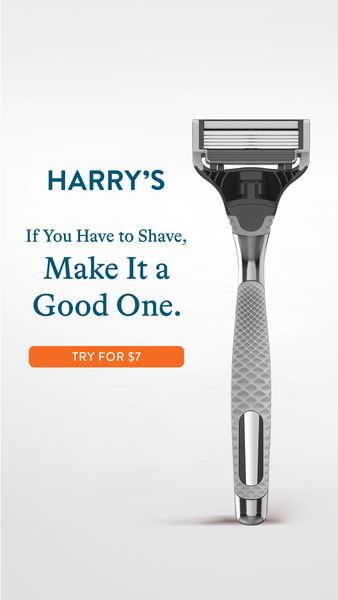
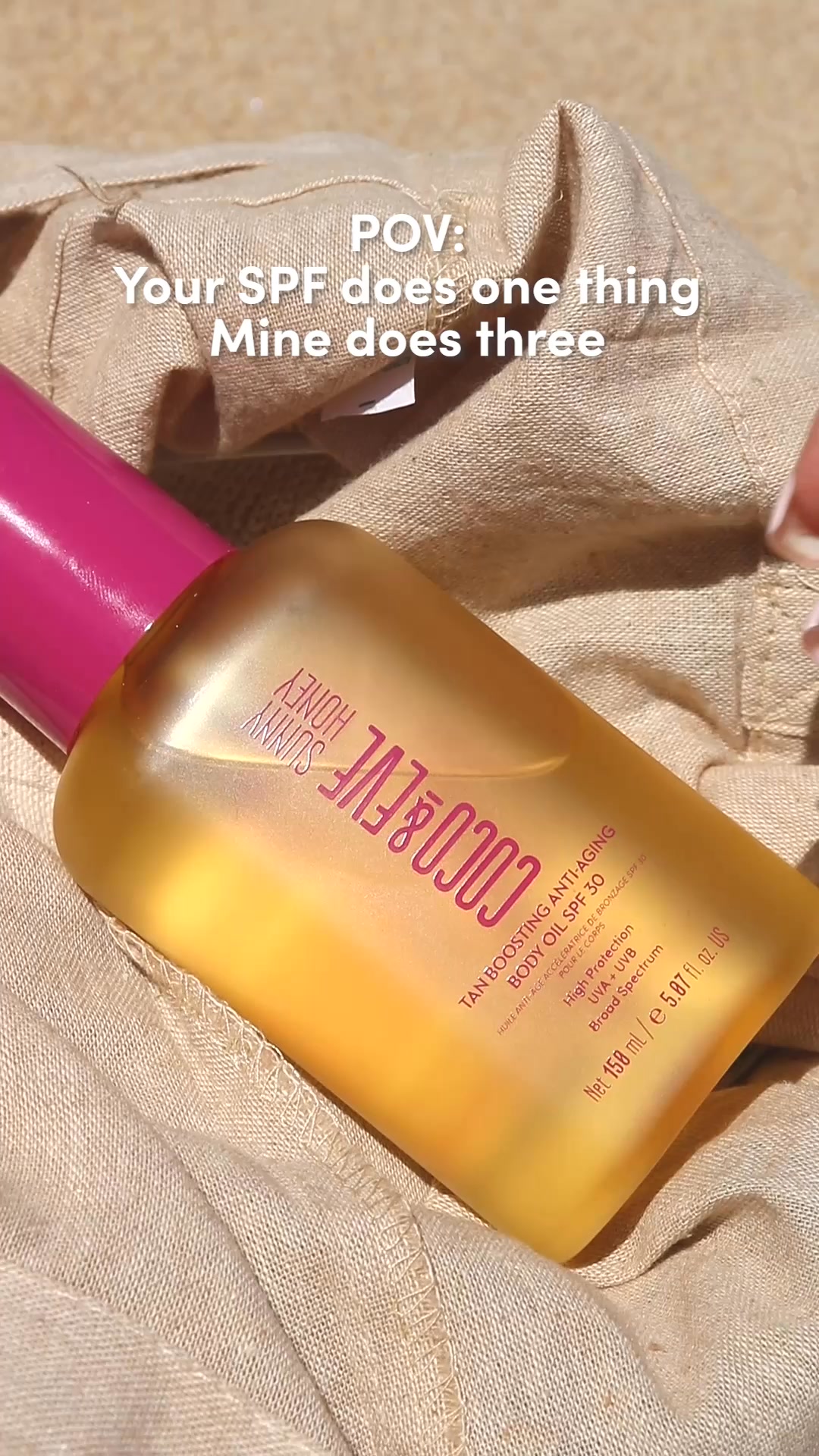

Top brands running Beauty / Personal Care ads
Seasonal ad examples
Beauty and Personal Care advertising at a glance
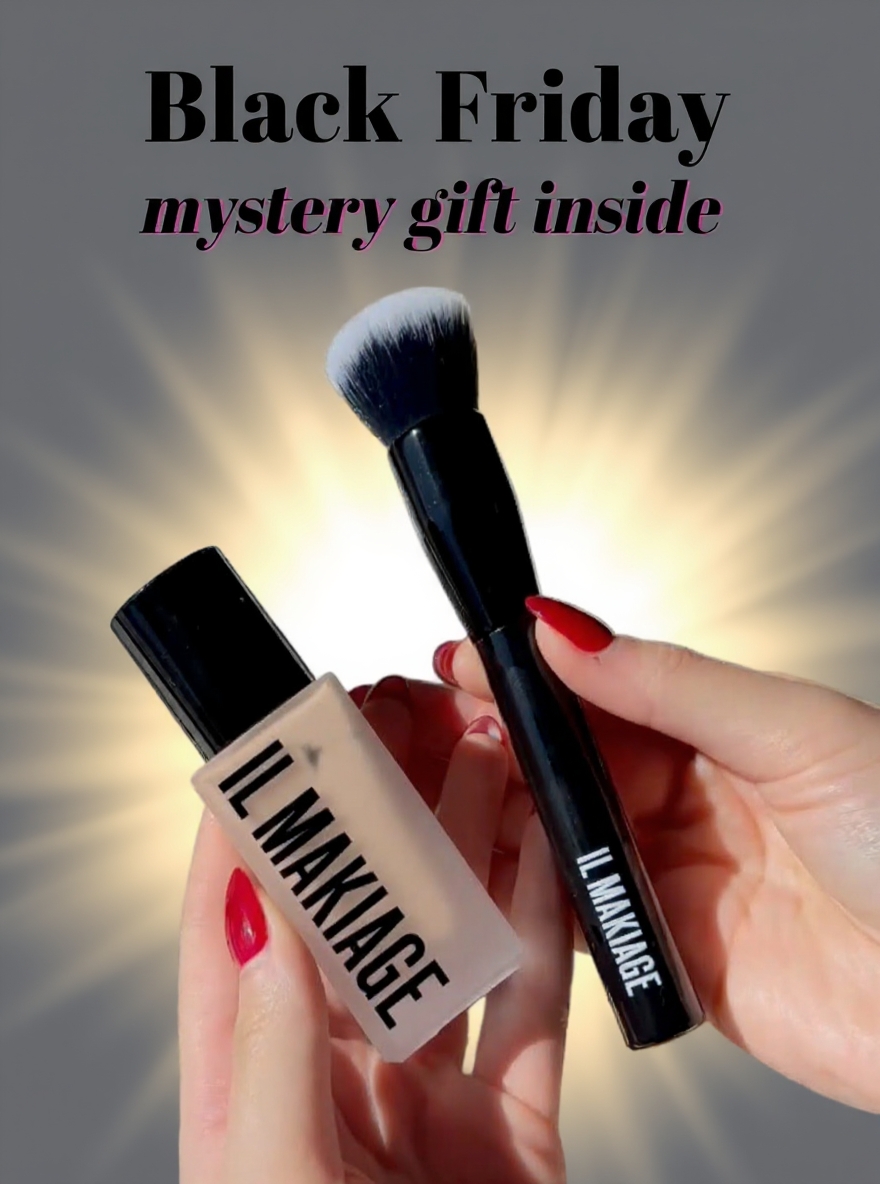
Beauty and personal care ads cover skincare, makeup, haircare, fragrance, grooming, nails and body products. The creative leans on close-ups: a cream texture on a fingertip, a swatch on skin, a blowout in motion, a bathroom shelf routine. Creators, dermatologist-style voices and customer reviews are common, as are before and after pairs and bundle or subscribe offers. Shoppers tend to weigh skin type, ingredients, shade range, scent and whether other people with similar skin liked the product.
How to use these Beauty and Personal Care ads
- Study how brands show texture and application in the first second, since a swipe, smear or pour often replaces a headline as the hook.
- Group ads by sub-category (skincare, color cosmetics, hair, fragrance) before comparing, because the claims, pacing and creators differ between them.
- Collect the offer structures in use: starter kits, gift with purchase, subscribe and save, shade finder quizzes and free sample language.
- Read the on-screen text and captions to see how brands describe results without overpromising, then borrow the phrasing style rather than the claims.
- Look at how brands handle diverse skin tones, hair types and ages, and check whether your own creative set reflects the customers you want.
Beauty and Personal Care ad best practices
Show the product on real skin
Packshots tell shoppers what the bottle looks like, not what it does. Show the product on skin or hair in natural light, in a range of tones and types, so viewers can picture themselves using it.
Keep result claims modest and accurate
Platforms and regulators treat cosmetic claims and drug-like claims differently, and each platform reviews health and appearance claims by its own policy. Describe what you can support and check current rules.
Make before and after honest
Use the same lighting, angle and distance in both frames, and state the time frame and routine. Heavily edited or mismatched comparisons erode trust and tend to attract ad review problems.
Answer the fit question early
Shade, skin type and scent are the top reasons beauty shoppers hesitate. Name the skin type or shade range in the first line or caption, so the right viewer knows the ad is for them.
Use reviews as creative, not decoration
A real customer sentence about how a product felt is more specific than a star rating. Quote it on screen, or have the reviewer say it to camera, and keep it short enough to read at scroll speed.
Top Beauty and Personal Care advertisers
Most common formats in Beauty and Personal Care ads
Most common hook tactics in Beauty and Personal Care ads
Related formats
Related niches
Beauty and Personal Care ads: frequently asked questions
What makes a beauty ad stand out in the feed?
Close, tactile visuals tend to do the work: texture on a fingertip, a swatch, a pour or a mid-routine moment. Pair that with a single clear line about who it is for or what it does, and avoid cluttering the frame with logos and badges.
Are before and after beauty ads allowed on Meta and TikTok?
Each platform reviews appearance and health claims against its own policy, and the rules change, so check the current advertising policies before you run them. Whatever the platform allows, keep comparisons truthful and avoid implying results the product cannot deliver.
How do skincare ads differ from makeup ads?
Skincare ads usually center on routine, ingredients and gradual results, so they use expert voices, step-by-step shelves and time frames. Makeup ads center on color and finish, so they lean on swatches, tutorials, trends and shade ranges.
What kind of offers do beauty brands run in ads?
Common ones are starter sets, bundles, gift with purchase, subscribe and save, loyalty points and seasonal gift boxes. Some brands lead with a quiz that matches shade or skin type. Browse the gallery above to see which structures show up in your sub-category.
Can I use this beauty ad swipe file to brief a creator?
Yes. Save examples of hooks, camera angles and caption styles you like, then share them as references while giving the creator room to speak in their own voice. The library has no spend or performance data, so use the examples as direction, not as proof of what works.
Other niches
- App / Software
- Automotive
- Consumer Goods
- Education
- Electronics / Tech
- Fashion
- Finance / Fintech
- Fitness / Wellness
- Food / Beverage
- Footwear
- Games / Toys
- Healthcare
- Home / Garden
- Jewelry / Watches
- Kids / Baby
- Local Services
- Other
- Pets
- Real Estate
- Retail / Marketplace
- Services
- Sports / Outdoor
- Travel / Travel Accessories
- All niches