
3,844 Healthcare Ad Examples
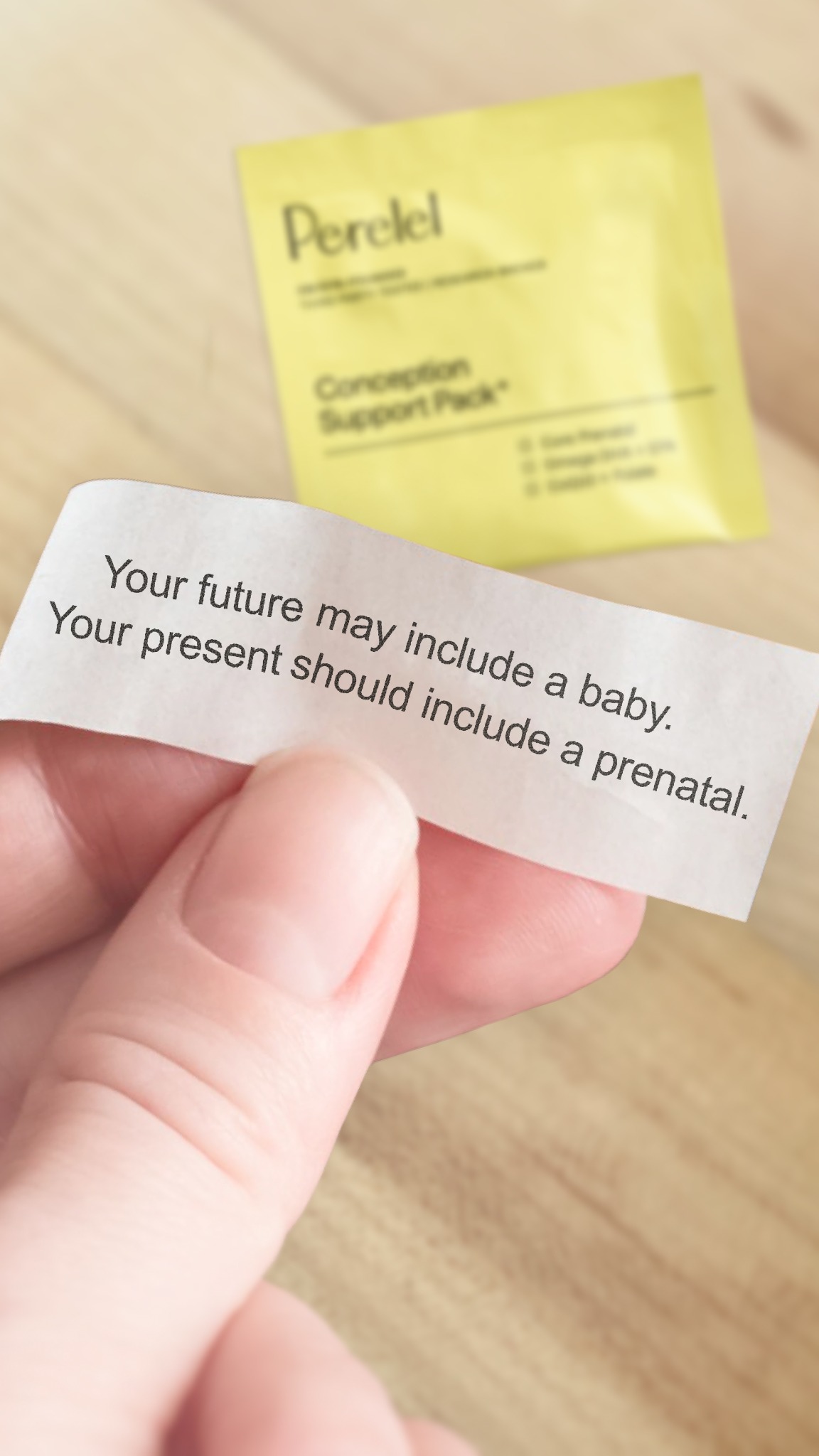
Healthcare advertisers sell trust as much as treatment, and the creative shows it. See what's working for health brands below, then read how these ads are usually built.
Format
Hook
Brand
Status
Type
SortDefault
3,844 ads

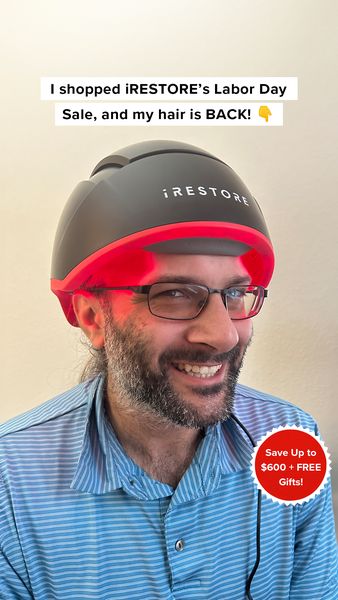
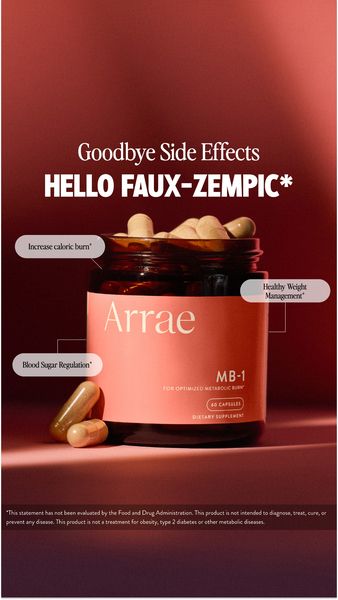
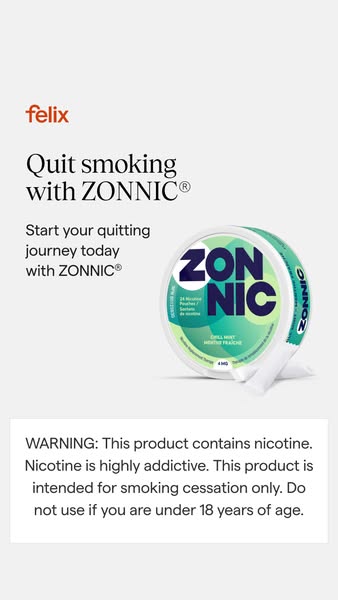
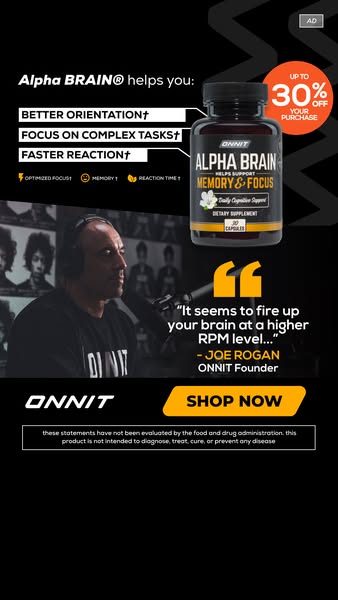

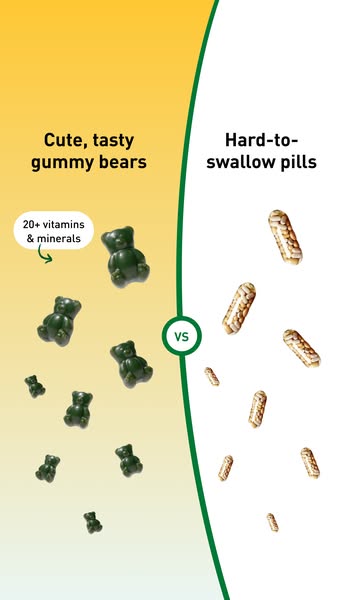
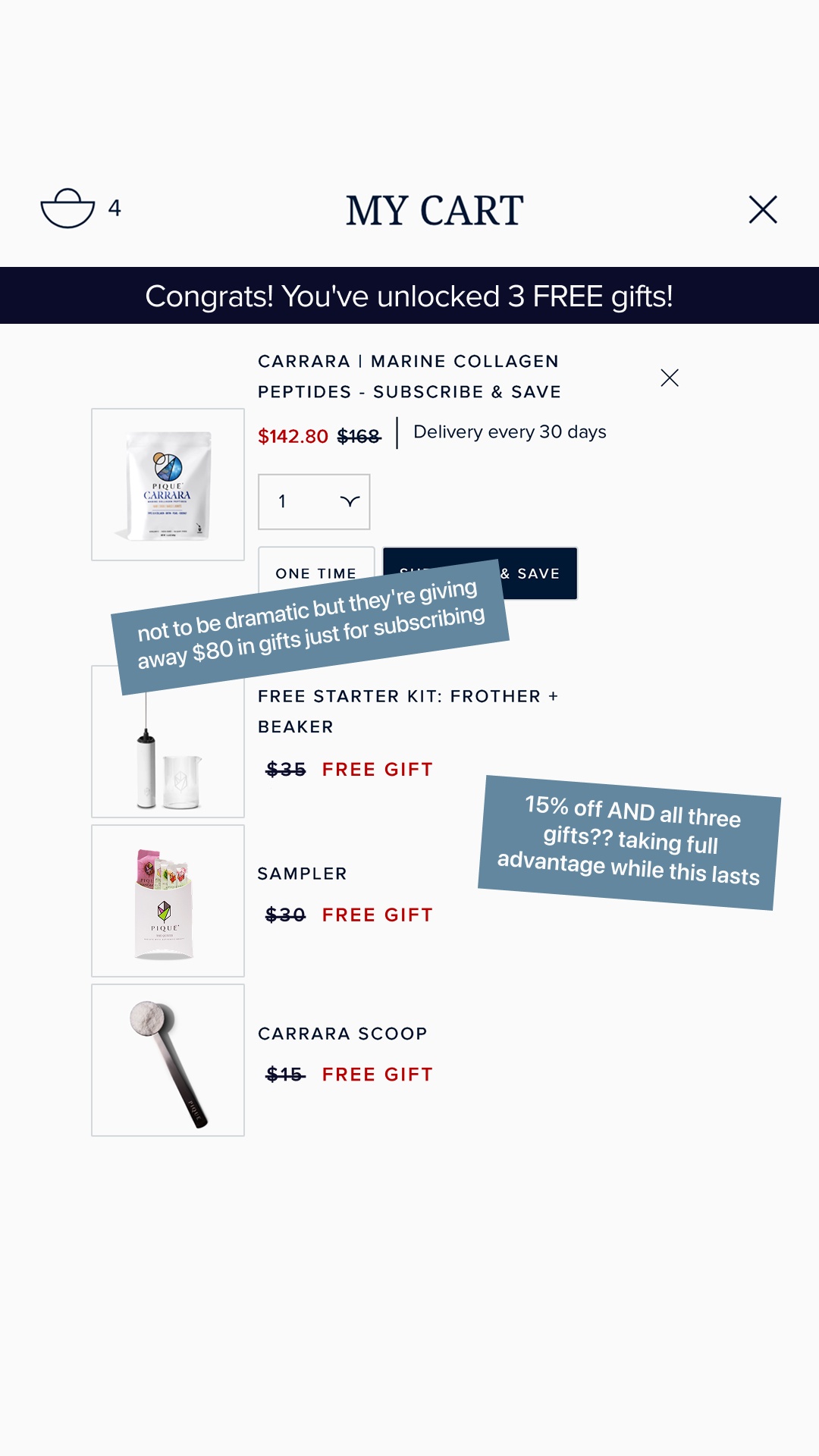

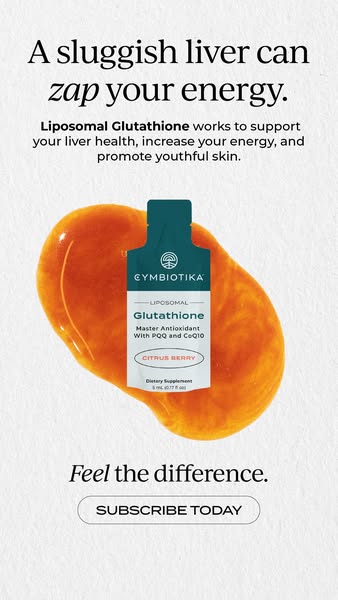



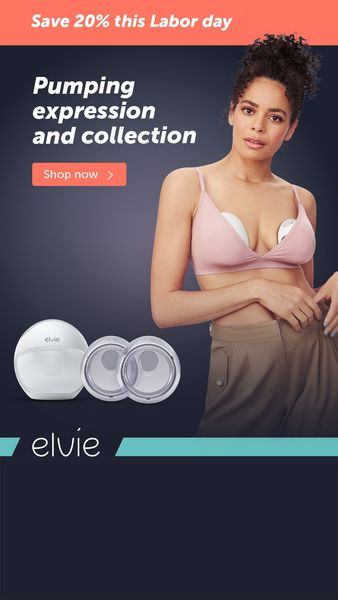

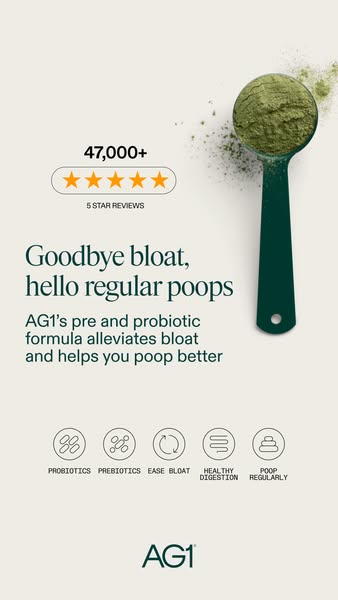
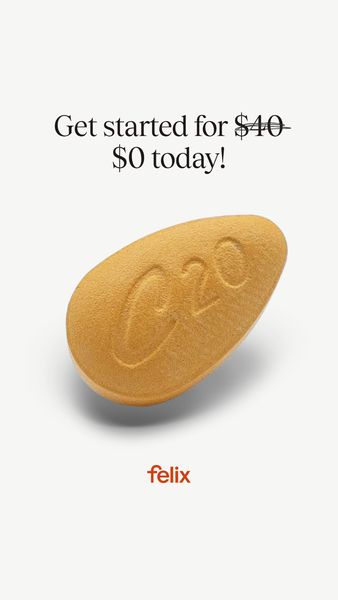
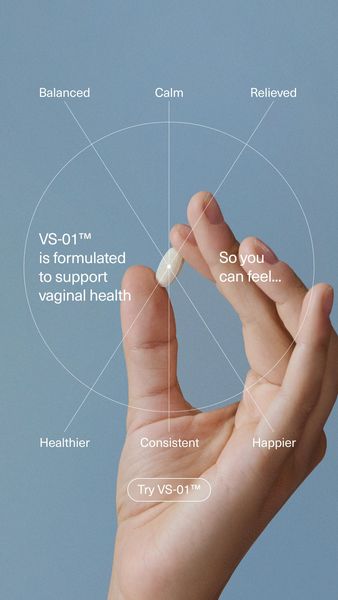
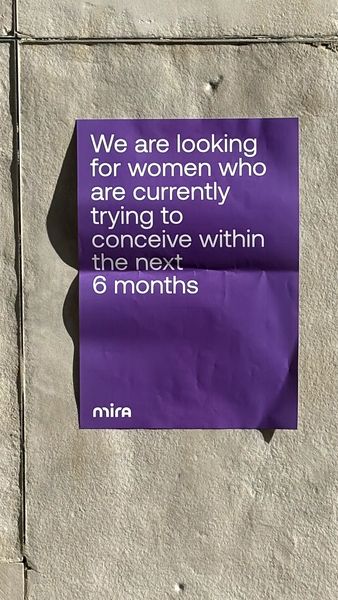
Top brands running Healthcare ads
Seasonal ad examples
Healthcare advertising at a glance
Healthcare ads cover a wide range: local clinics and dental practices, telehealth and prescription services, hearing and vision care, medical devices, pharmacy offers, and condition-focused products. The creative tends to be calm and plain-spoken, with a person or a symptom in the first frame, a short explanation of what the service does, and a low-pressure next step such as booking a visit or taking an assessment. Buyers worry about safety, credibility and cost, so many ads answer those worries before they sell.
How to use these Healthcare ads
- Collect the first lines healthcare brands use to name a symptom or situation, and note which ones describe the problem without making a diagnosis.
- Compare how clinics, telehealth services and device makers each handle trust: credentials, clinician photos, reviews, or a visible process.
- Look at the offers around the booking step, such as free consultations, assessments, insurance mentions and first-visit pricing, to shape your own call to action.
- Check how advertisers handle claims and disclaimers in the image and the caption, so your draft starts closer to what platforms tend to accept.
- Pull examples by funnel stage: awareness ads that educate, consideration ads with proof, and conversion ads that push a booking.
Healthcare ad best practices
Describe the situation, not the diagnosis
Speaking to a person's circumstance (waking up with a stiff back, struggling to hear in a restaurant) lands better than naming a condition. It also keeps you clear of copy that implies you know something about the viewer's health.
Show credentials where doubt is highest
A named clinician, a licence or accreditation line, or a short clip of a real consultation answers the question of who is behind this. Place it near the claim it supports, not buried in the footer of the creative.
Check platform health policies before you build
Meta, TikTok and LinkedIn each review health ads against their own rules, and these change. Personal-attribute language, before and after imagery and treatment promises are common trouble spots, so read the current policy first.
Make the next step small and clear
Healthcare decisions feel heavy, so the ask should feel light: check eligibility, take a two-minute questionnaire, book a call. Spell out what happens after the click so the viewer is not guessing.
Use real people and plain language
Stock photos of smiling models can read as generic in a category where honesty matters. Real staff, real rooms and everyday wording tend to feel safer than polished claims or heavy medical jargon.
Top Healthcare advertisers
Most common formats in Healthcare ads
Most common hook tactics in Healthcare ads
Related formats
Related niches
Healthcare ads: frequently asked questions
What do good healthcare ads have in common?
Most start from a recognisable everyday problem, explain the service in plain words, and show some form of credibility such as a clinician, a review or a clear process. They end with a gentle next step instead of a hard sell.
Can I run before and after images in healthcare ads?
It depends on the platform and the treatment, and the rules are strict in health categories. Meta, TikTok and LinkedIn each have their own policies on health claims and personal attributes, so check the current wording before you plan a creative around transformation imagery.
How do clinic ads differ from telehealth ads?
Local clinic ads lean on place, people and convenience: the practice, the team, opening hours and a booking button. Telehealth ads lean on speed, privacy and process, often showing a phone screen and a simple step by step flow.
Is this a healthcare ad swipe file I can use for free?
Yes. The library is free to browse: signed out you see the newest healthcare ads, and a free account opens the first 100 ads of every list. It holds ads from real brands and carries no spend or results data, so use it for ideas and test them against your own audience.
What should I avoid in a healthcare ad?
Avoid implying you know the viewer's medical condition, promising specific outcomes, and using fear as the main hook. Also avoid vague claims with no support nearby, since viewers in this category tend to look for proof before they act.
Other niches
- App / Software
- Automotive
- Beauty / Personal Care
- Consumer Goods
- Education
- Electronics / Tech
- Fashion
- Finance / Fintech
- Fitness / Wellness
- Food / Beverage
- Footwear
- Games / Toys
- Home / Garden
- Jewelry / Watches
- Kids / Baby
- Local Services
- Other
- Pets
- Real Estate
- Retail / Marketplace
- Services
- Sports / Outdoor
- Travel / Travel Accessories
- All niches