
2,863 Direct Address Hook Ad Examples
A direct address hook talks to one person: you. Browse the ads below, then read how to write an opening that sounds like it was meant for the viewer.
Niche
Format
Brand
SortNewest
2,863 ads
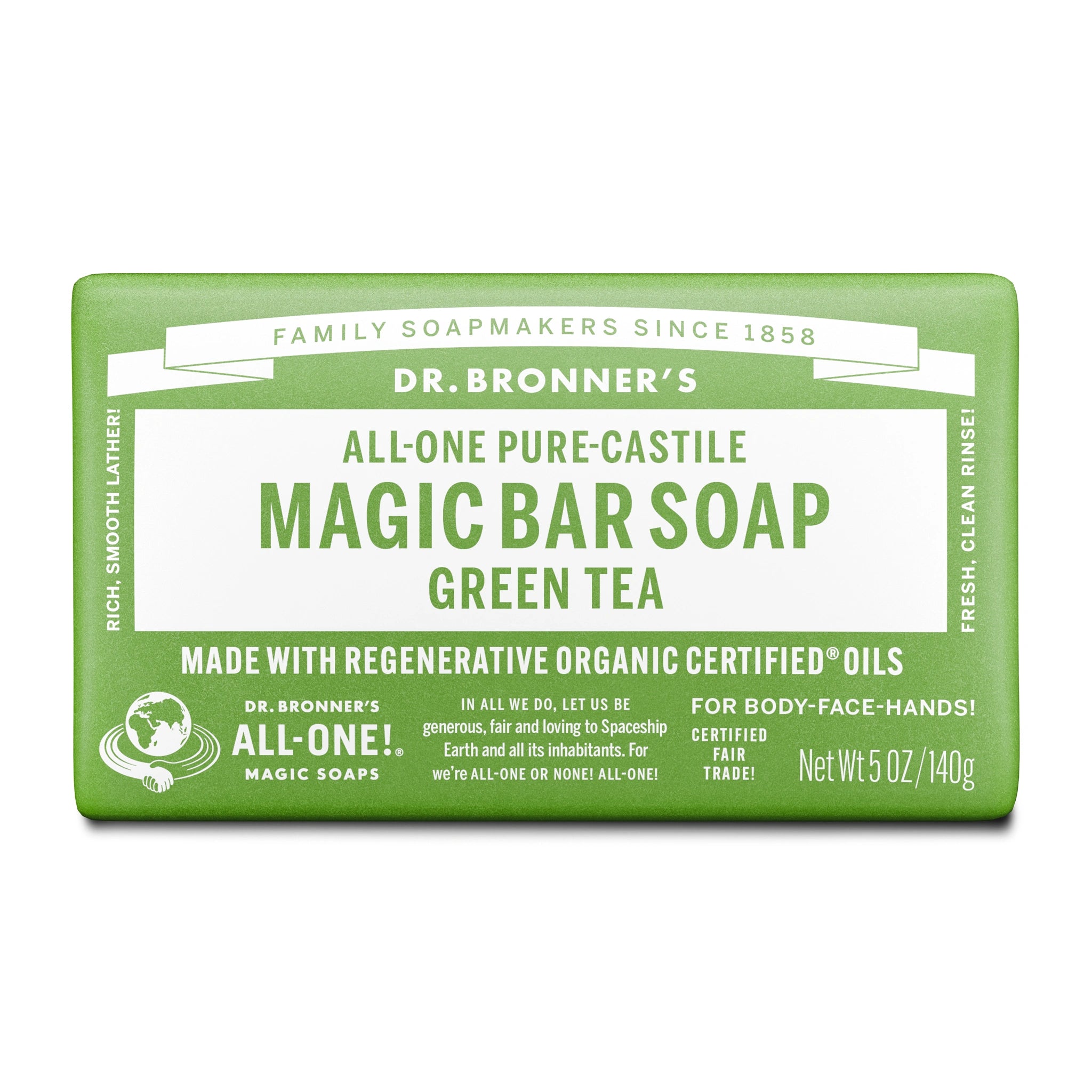



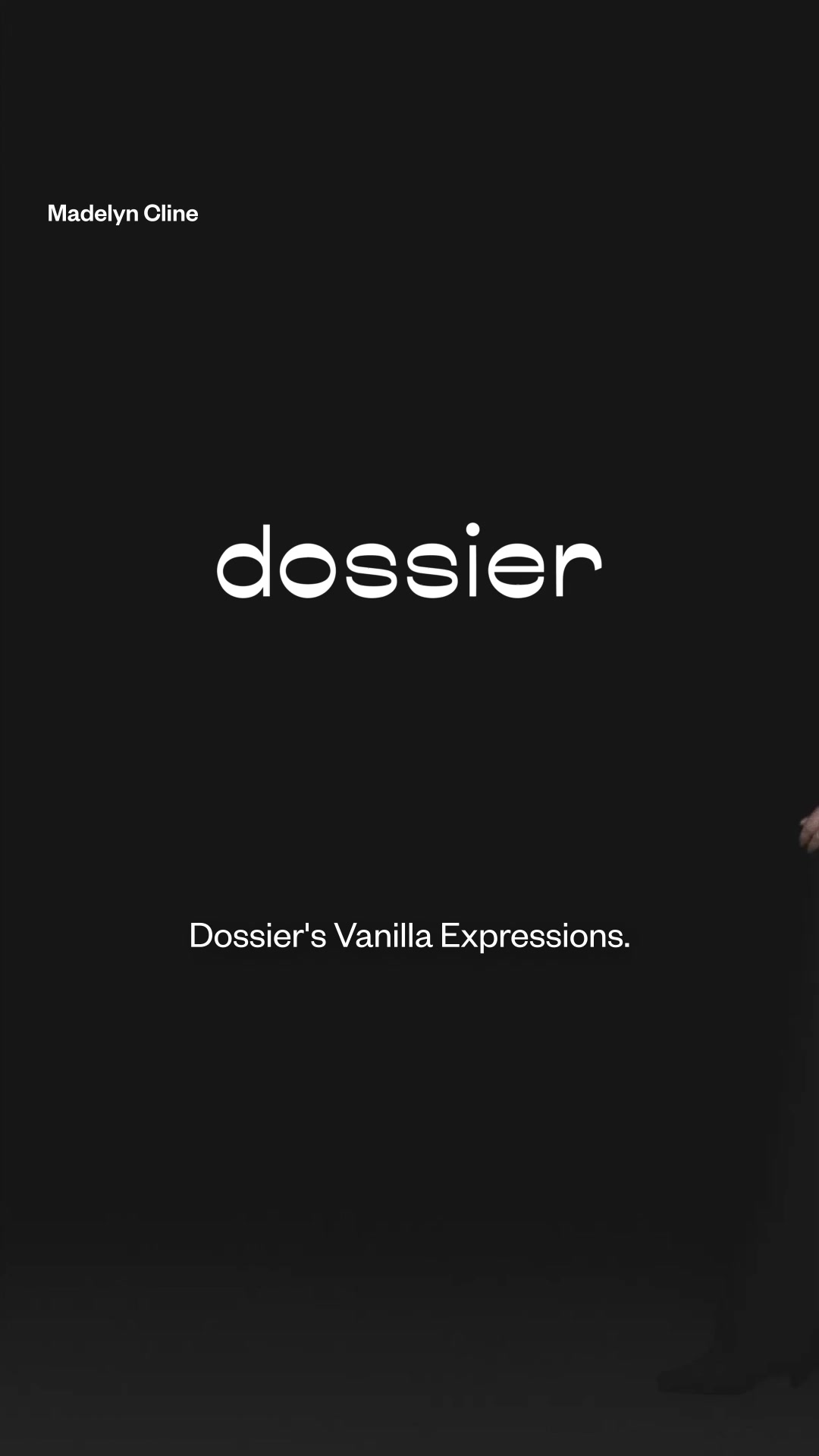


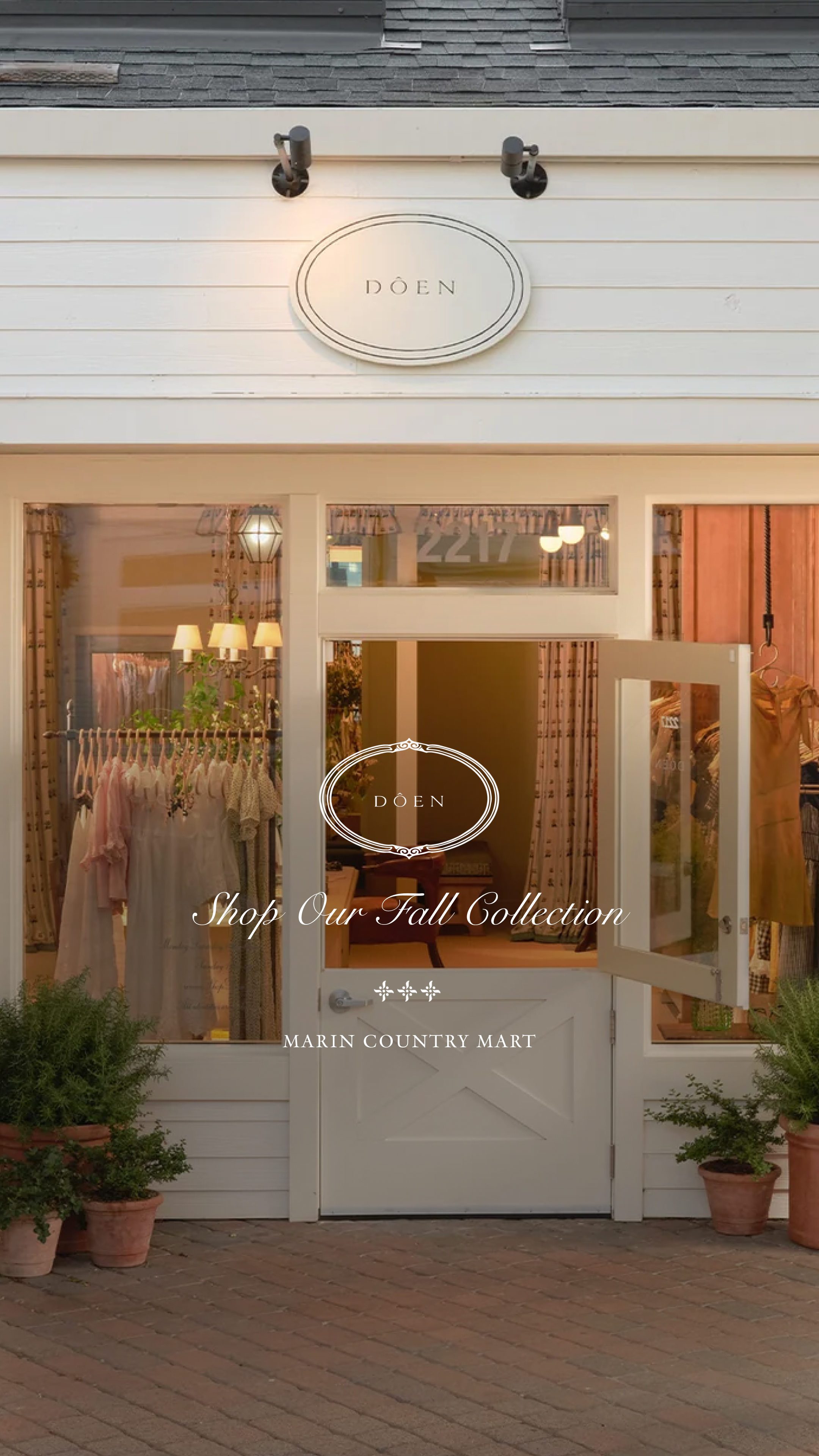


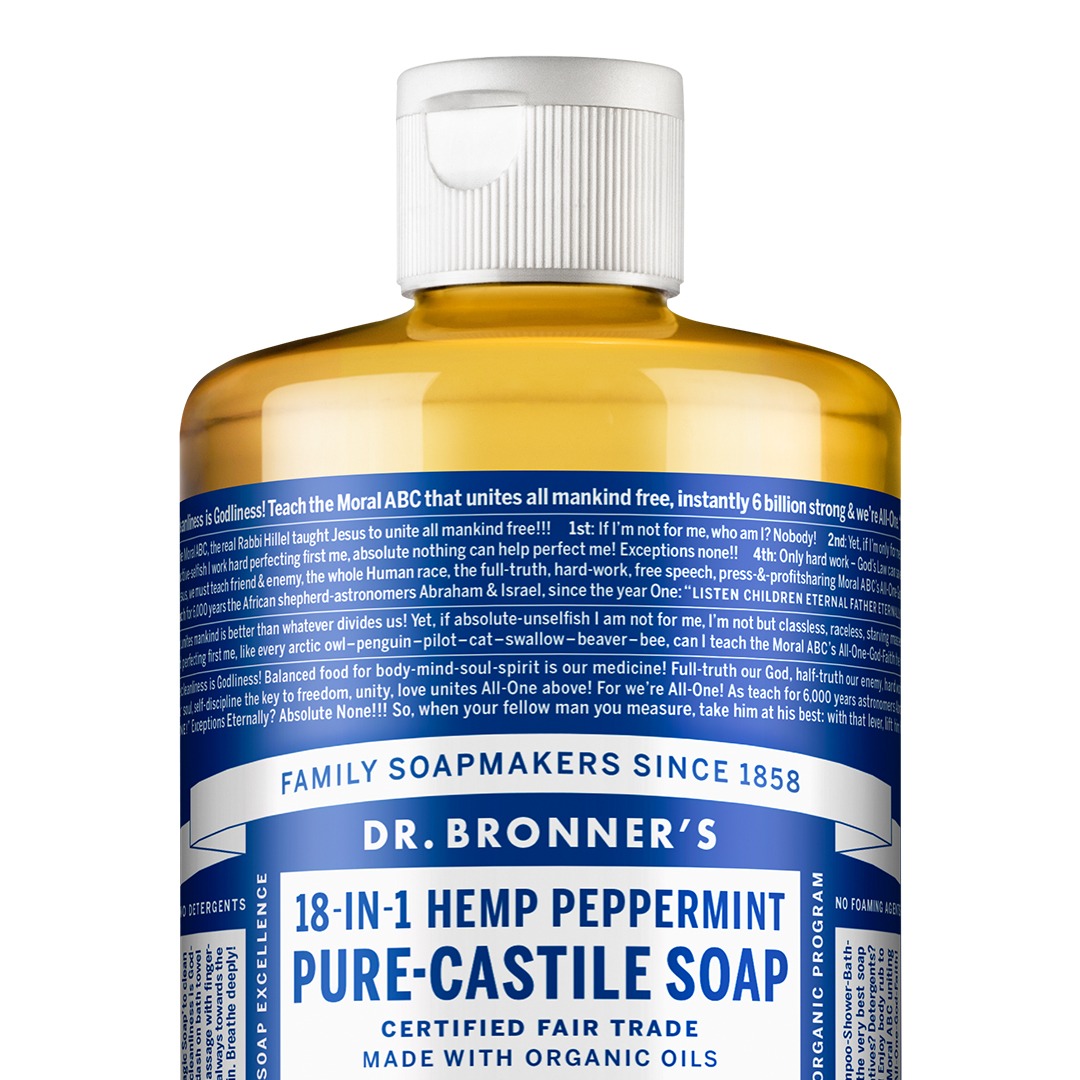


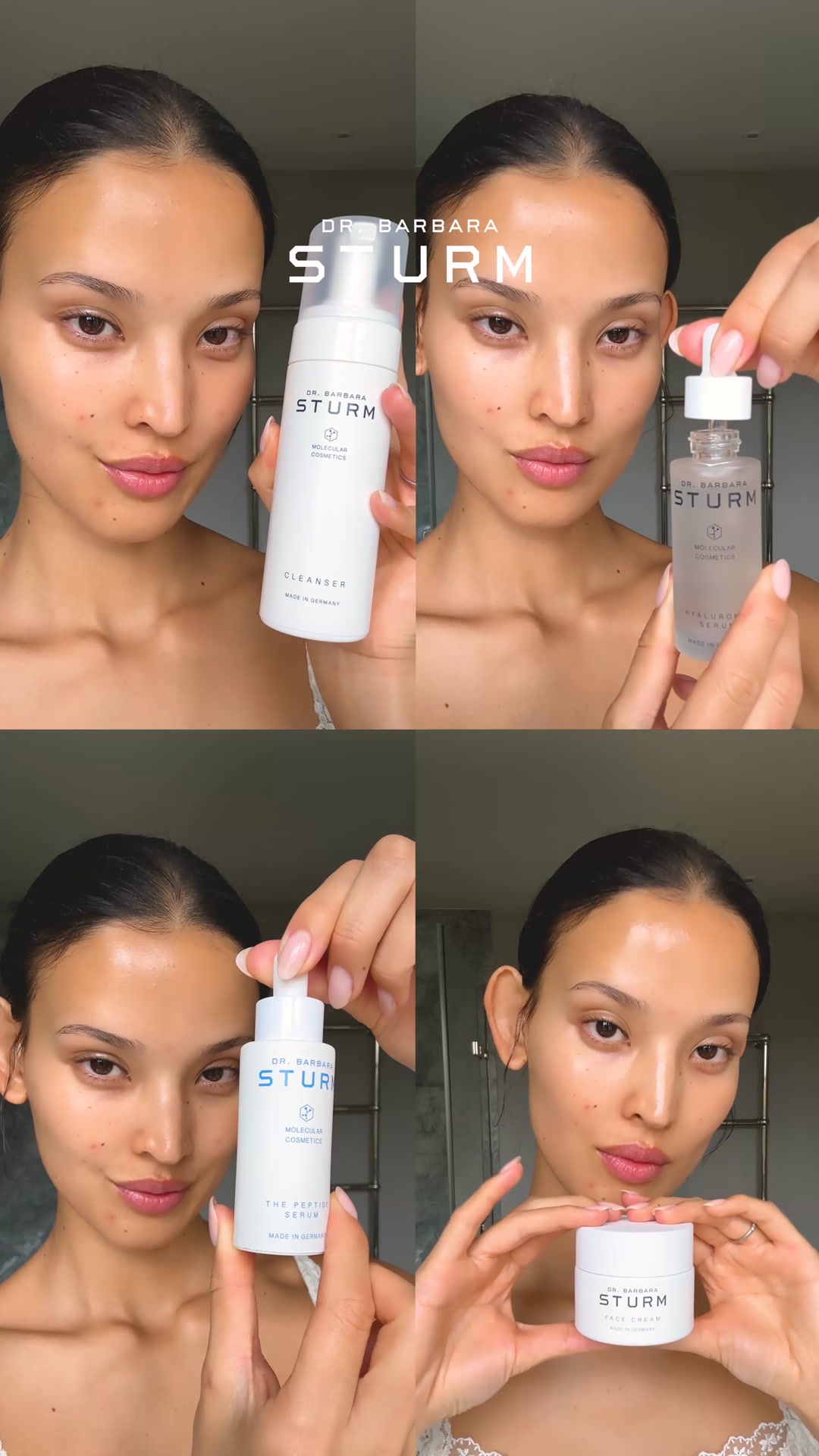
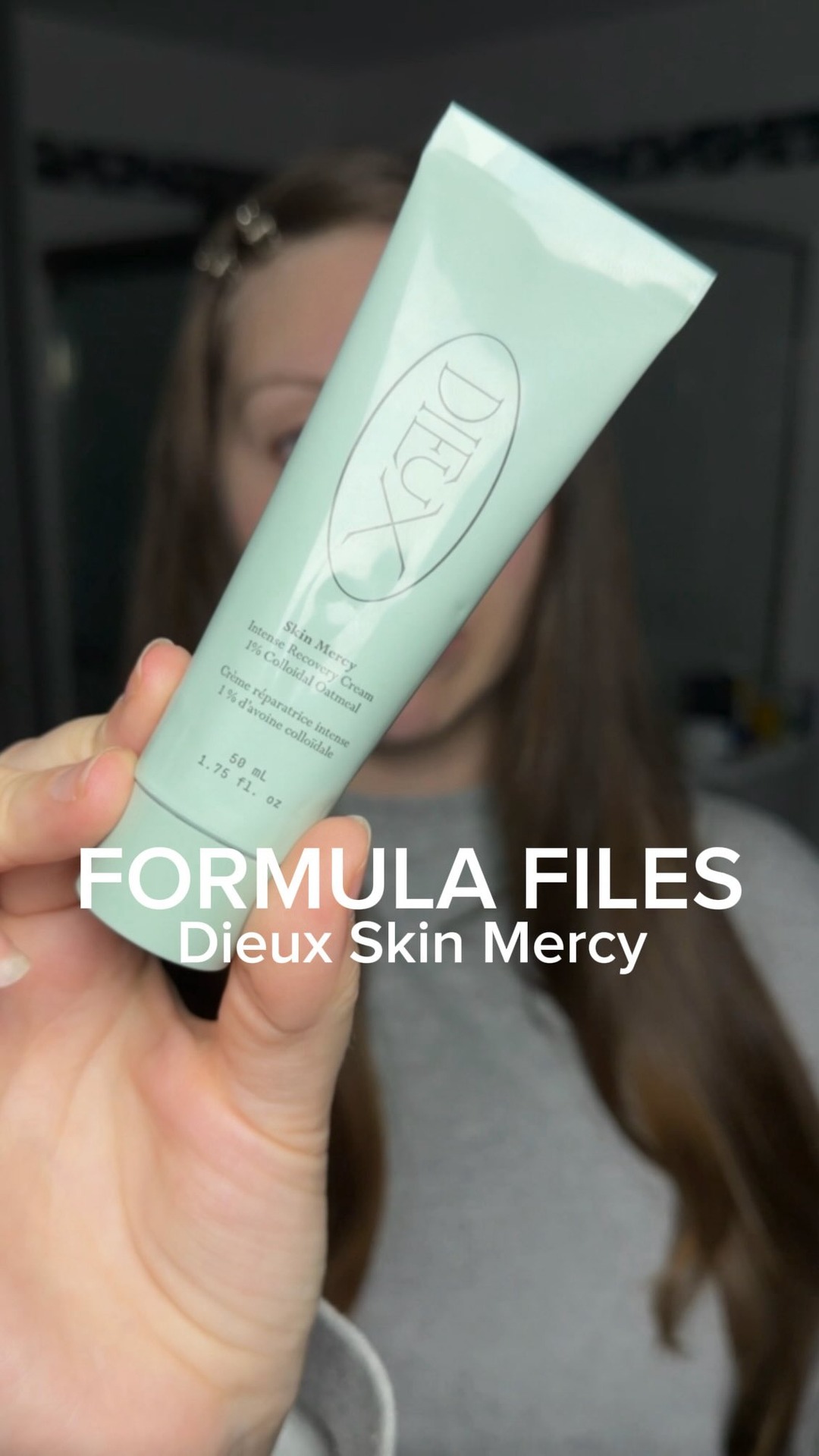


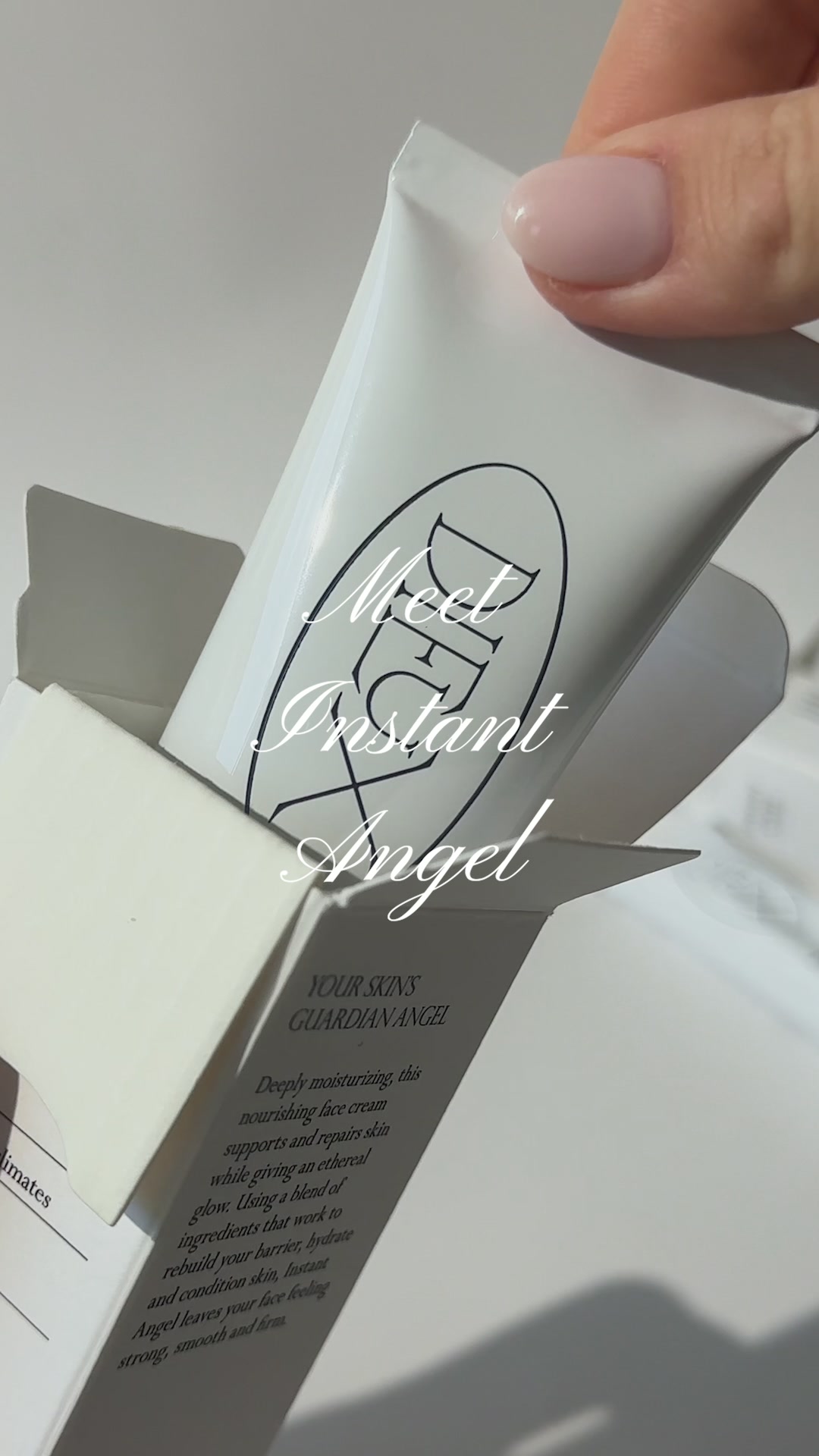

Top visual formats for Direct Address Hook ads
Top brands running Direct Address Hook ads
What is the Direct Address Hook?
A direct address hook speaks straight to the viewer with the word you. It might be a creator looking into the lens and saying a sentence that starts with you, a headline that opens on your skin, your team or your inbox, or a voice-over that picks one listener out of the feed. The device is simple and old: addressing a person makes them check whether it is about them. It works in video and in static copy, and it pairs well with other tactics, since you can be followed by a question, a claim, a warning or a callout.
When to use the Direct Address Hook
- You want the ad to feel personal, even though it is shown to thousands of people.
- You know exactly what your buyer is struggling with and can name it in one line.
- You are filming a talking-head or selfie video and want the first words to land on the viewer.
- You are writing static headlines and need a way to make a flat claim feel like a conversation.
- You want a simple, repeatable structure to test across angles: you plus a different situation each time.
Direct Address Hook best practices
Speak to one person
Write as if to a single reader, not a crowd. Singular, specific language is more personal than anything addressed to everyone.
Follow the word you with something concrete
You alone is an opening, not a hook. Put a situation, a feeling or a result right after it so the line has something to say.
Keep the grammar of speech
Read the line aloud. If you would not say it to a friend, rewrite it. Short sentences and contractions help the line sound like a person.
Match the eye line
On video, look at the lens when you say it. In a static, keep the headline large and near the top, where the viewer reads first.
Avoid pointing a finger
A line that accuses the viewer of a failing loses them. Address their goal or their problem, not their fault.
Brands using the Direct Address Hook
Niches with the most Direct Address Hook ads
Related formats
Related niches
Direct Address Hook: frequently asked questions
What is a direct address hook?
A direct address hook is an opening that speaks straight to the viewer as you. It can be spoken to camera or written in a headline, and it makes the ad feel aimed at one person.
Is direct address the same as a demographic callout?
No. A demographic callout names who the ad is for, such as a role, an age group or a situation. Direct address uses you to speak to the person. The two are often combined, so you may see a line that names a group and then speaks to one member of it.
Does direct address work on silent video and static ads?
Yes. The tactic lives in the words, so a headline or an on-screen caption can carry it. On silent video, burn in a caption so the first line reaches viewers who watch without sound.
How do I write good direct address lines?
Begin with what the buyer says about their problem, then address them with it. Read through the first lines of competitor ads in the library, notice which situations follow the word you, and write versions for your own product.
Can too much you make an ad feel pushy?
It can if every sentence points at the viewer. Use it for the opening, then let the product and the proof carry the rest. A friendly tone and a clear benefit keep it from reading as pressure.