
1,023 Explainer Hook Ad Examples
An explainer hook opens on how the product works, not on a promise. Browse real ads below, then read how to make the first three seconds do the explaining.
Niche
Format
Brand
SortNewest
1,023 ads


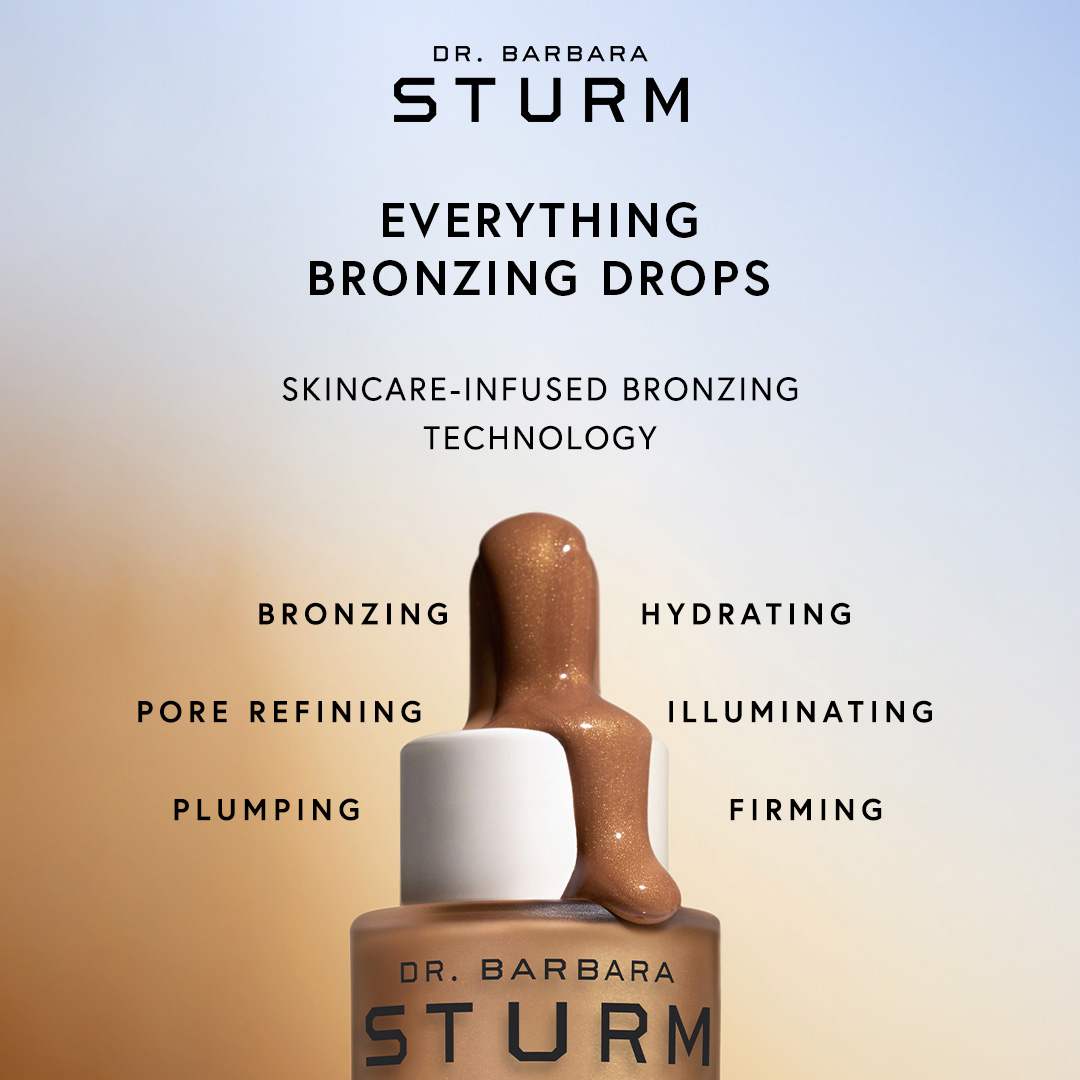
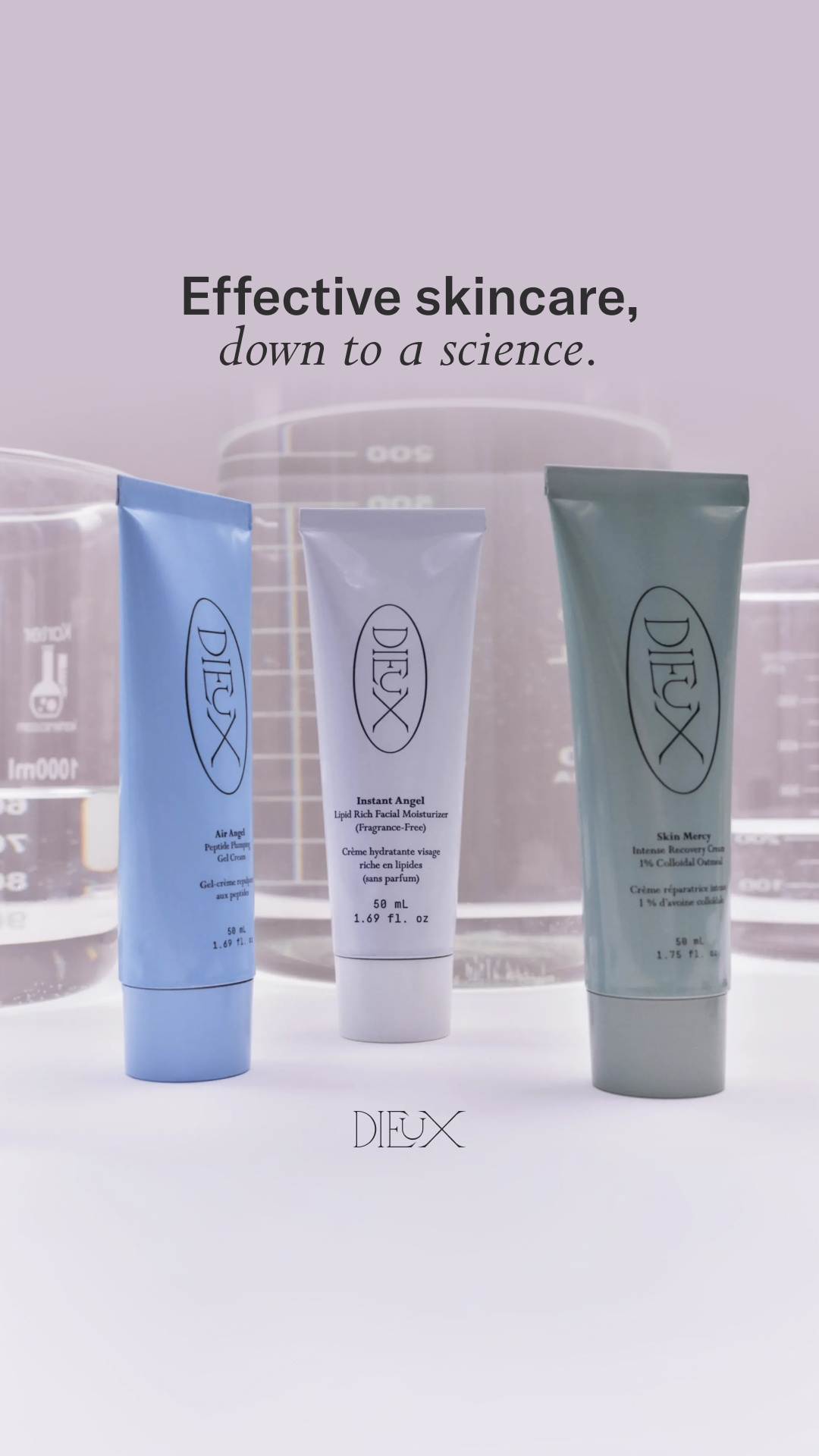





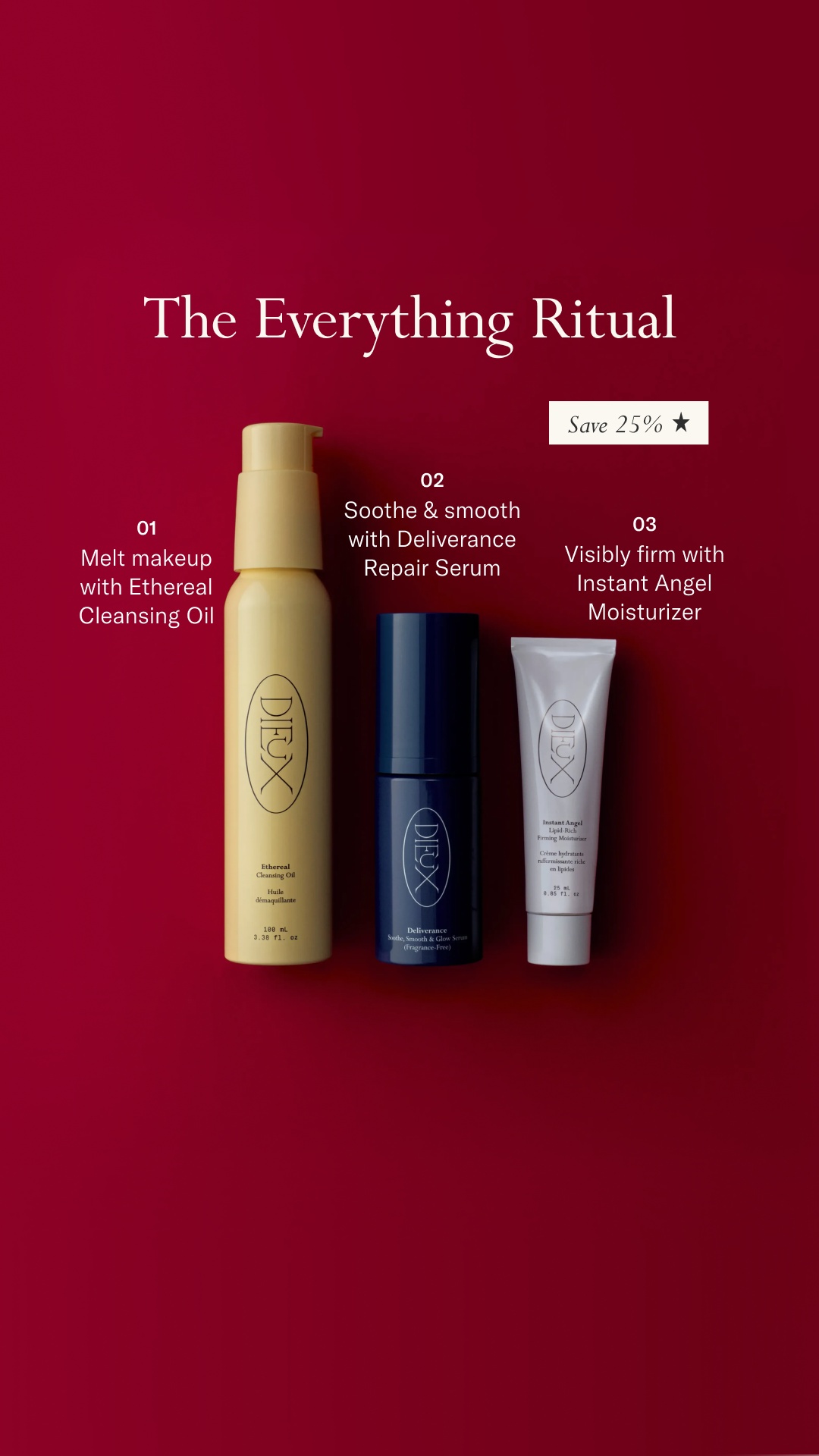




Top visual formats for Explainer Hook ads
Top brands running Explainer Hook ads
What is the Explainer Hook?
An explainer hook shows or explains how the product works in the first frame, the first three seconds of a video or the headline of a static. Instead of claiming a result, the ad answers the question the viewer is already asking: what does this thing actually do? It might be a screen recording of the app, a cutaway of the product, a diagram with arrows or one plain sentence that names the mechanism. The hook earns attention by being clear, not by being loud.
When to use the Explainer Hook
- Your product is new to the category and nobody scrolling past knows what it does until they see it working.
- The mechanism is the selling point, such as how a device cleans, how an app saves time or how a supplement is taken.
- Competitor ads in your ad library all lead with big promises, and a calm, clear opening would stand out in the feed.
- You are briefing a creative strategy for a technical or software product where a screenshot says more than a slogan.
- You want to qualify the viewer early, so the people who keep watching already understand the offer.
Explainer Hook best practices
Show the product doing the job in frame one
Start on the action, not on a logo or a title card. A hand pressing the button, a screen mid-task or the product at work tells the viewer what this is before they decide to scroll.
Explain one mechanism, not the whole product
A hook has three seconds. Pick the single step that makes the product different and show only that. The rest of the ad, and the page, can carry the other features.
Use plain words for what happens
Write the line the way a customer would say it to a friend: it does X, then Y. Jargon in the first sentence sends the viewer away before the explanation starts.
Make it work with the sound off
Most feeds autoplay muted. Pair the demonstration with a short on-screen caption so the explanation survives without audio, and keep the text large enough for a phone.
Brands using the Explainer Hook
Niches with the most Explainer Hook ads
Related formats
Related niches
Explainer Hook: frequently asked questions
What is an explainer hook in a Meta ad?
It is an opening that shows or explains how the product works instead of leading with a claim or a story. On a video it is the first frame or first three seconds. On a static ad it is the headline or the main image.
How is an explainer hook different from a how-to hook?
An explainer hook describes how the product itself works. A how-to hook promises to teach the viewer to do something, with or without the product. Many ads blend them, but the explainer keeps the product at the centre.
Which products suit an explainer hook best?
Anything where seeing the mechanism answers the first doubt: apps, gadgets, tools, skincare devices, subscriptions and services with a clear process. If the product explains itself at a glance, another hook may do more.
What should I test against an explainer hook?
Run it next to a hook that leads with the result or a customer story, using the same body and offer. Comparing hooks against each other, with everything else fixed, tells you which opening your audience responds to.