

925 Feature Benefit Pointout Ad Examples
Feature benefit pointout ads label parts of the product and say what each one does for the buyer. Browse the examples below, then read how brands turn a spec into a reason to buy.
Feature Benefit Pointout ads
925 ads · a new mix each day
Niche, asks you to sign in
Hook, asks you to sign in
Brand, asks you to sign in
Status, asks you to sign in
Type, asks you to sign in
SortDefault, asks you to sign in
Winning means kept running: brands rarely keep paying for ads that lose.
925 ads
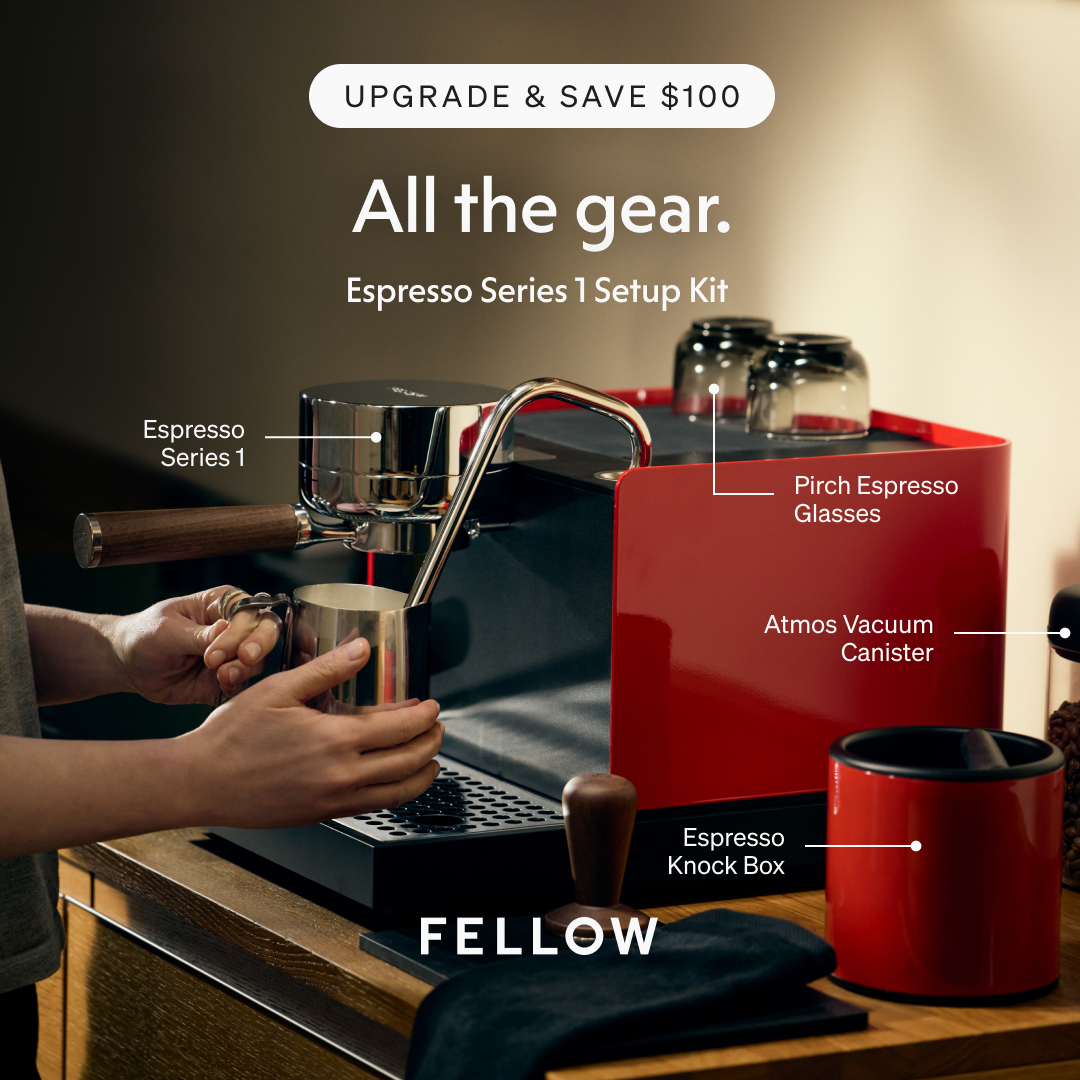
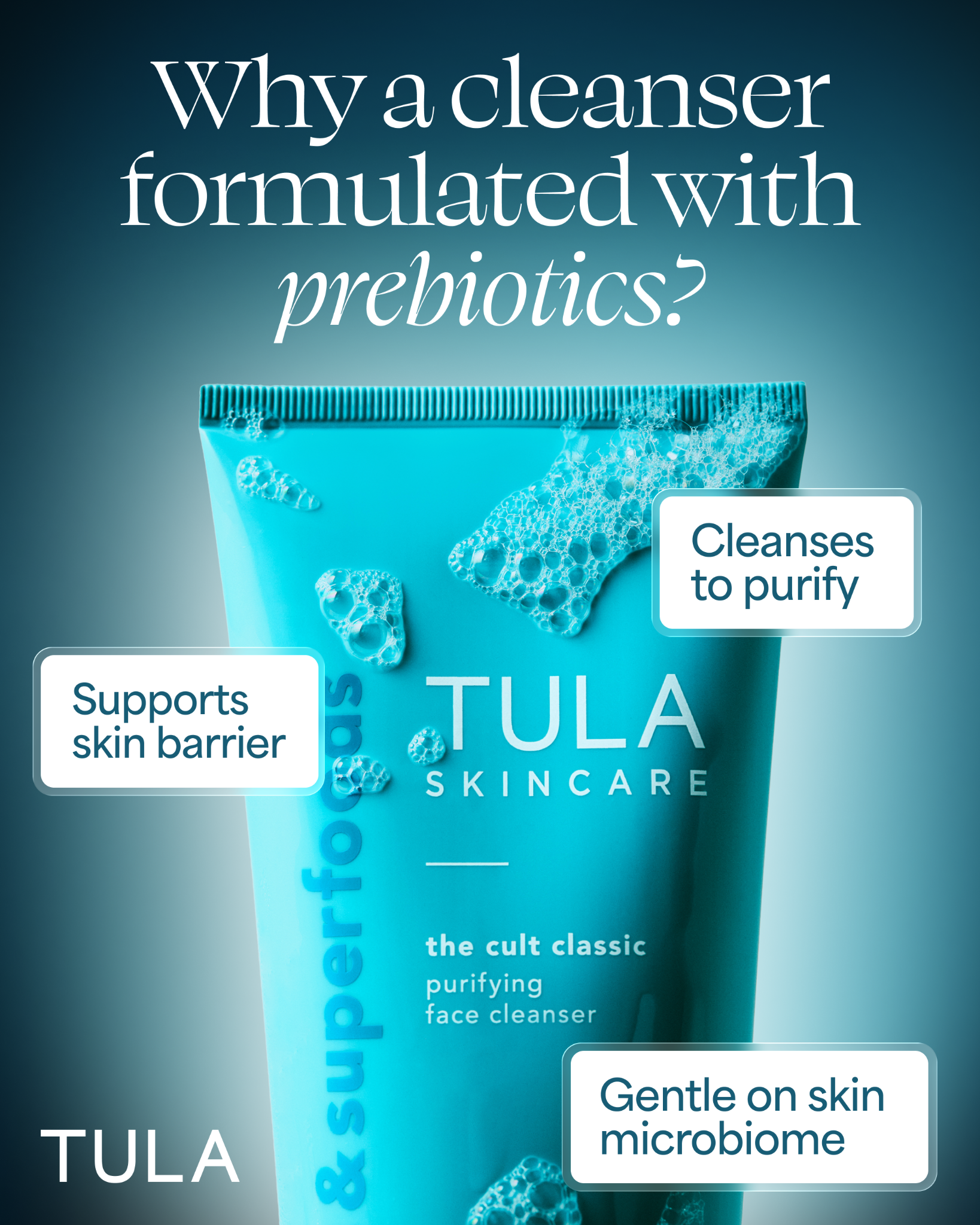
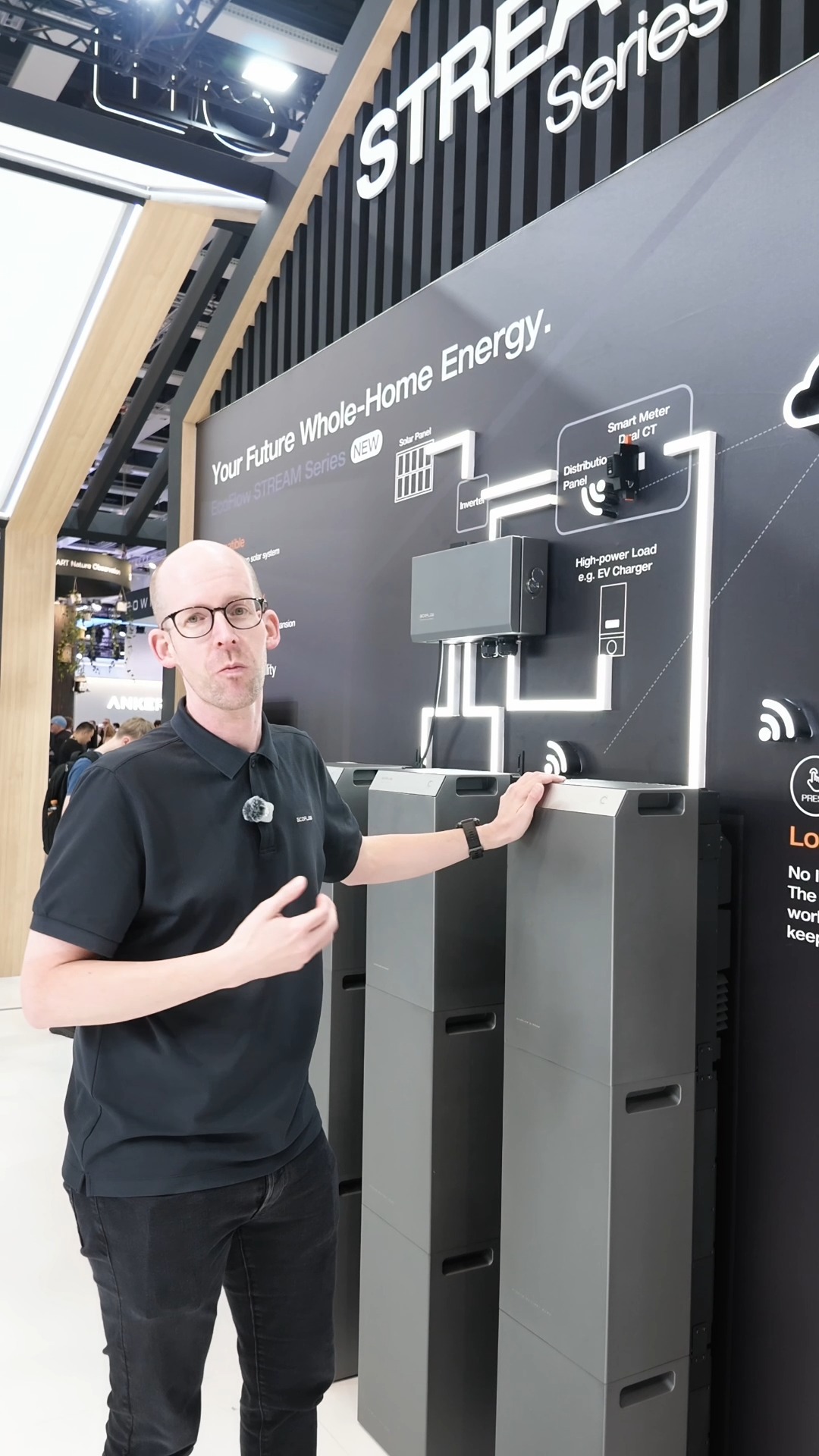
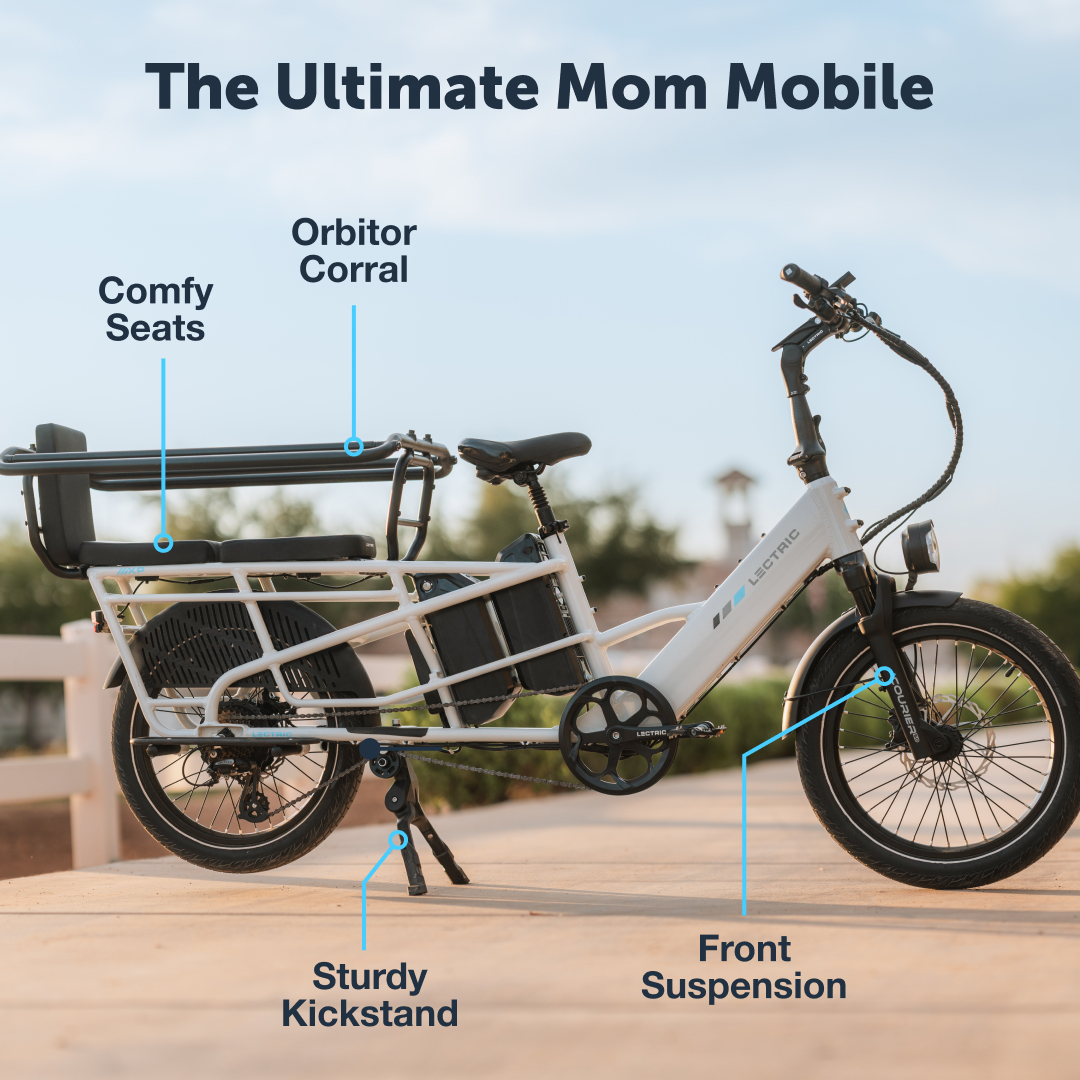
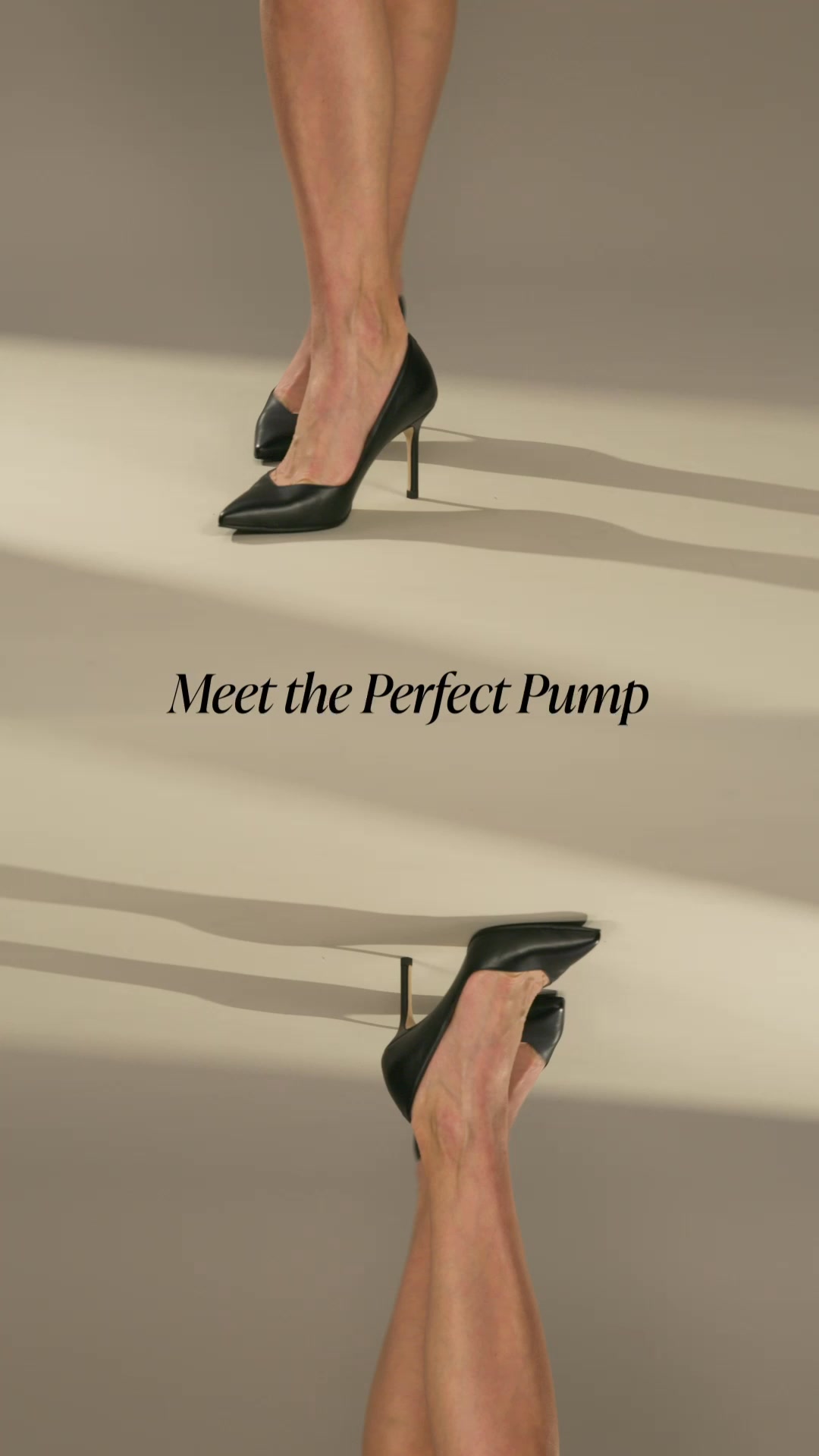
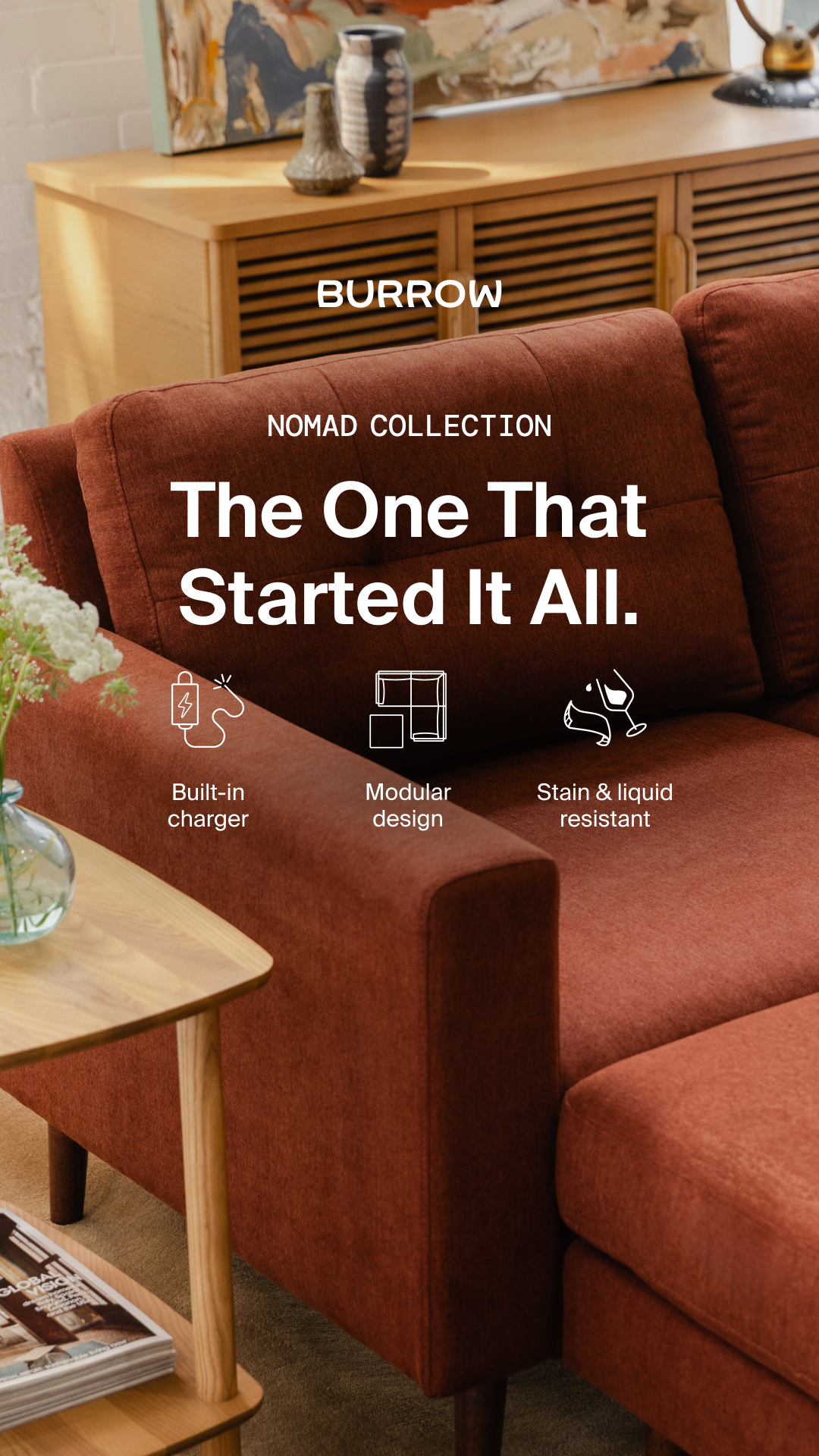
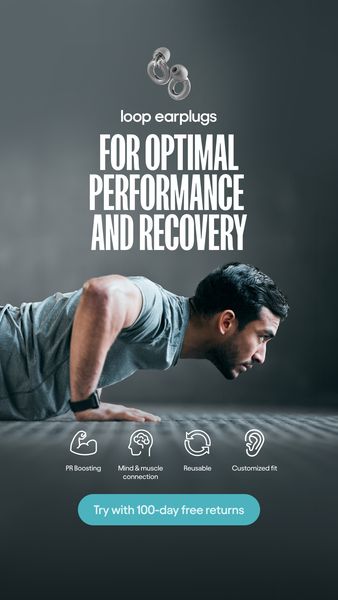

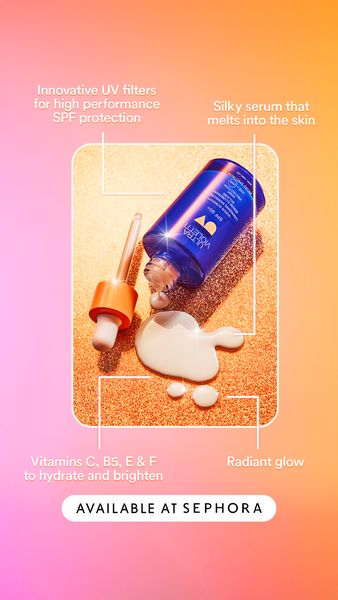

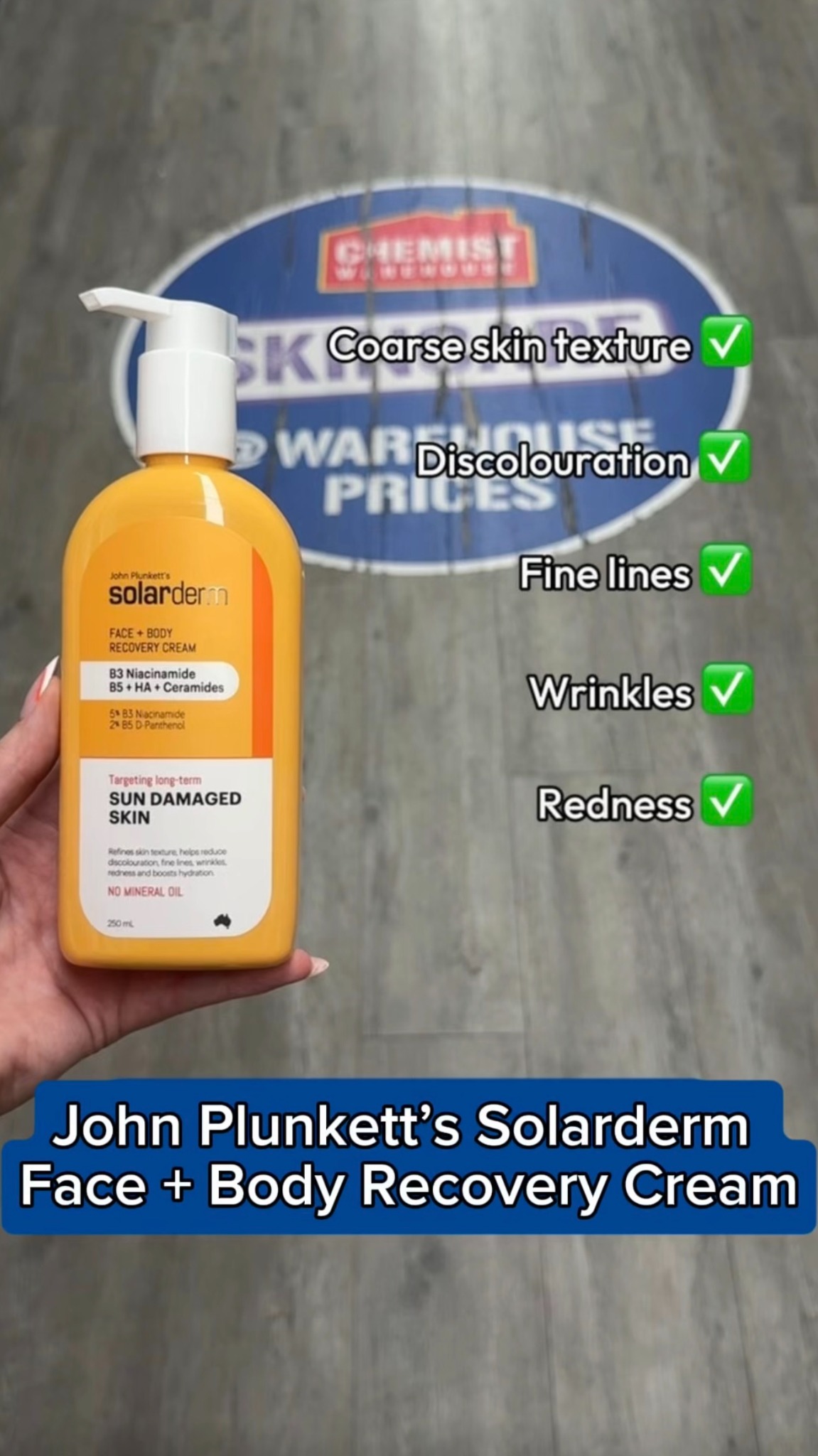
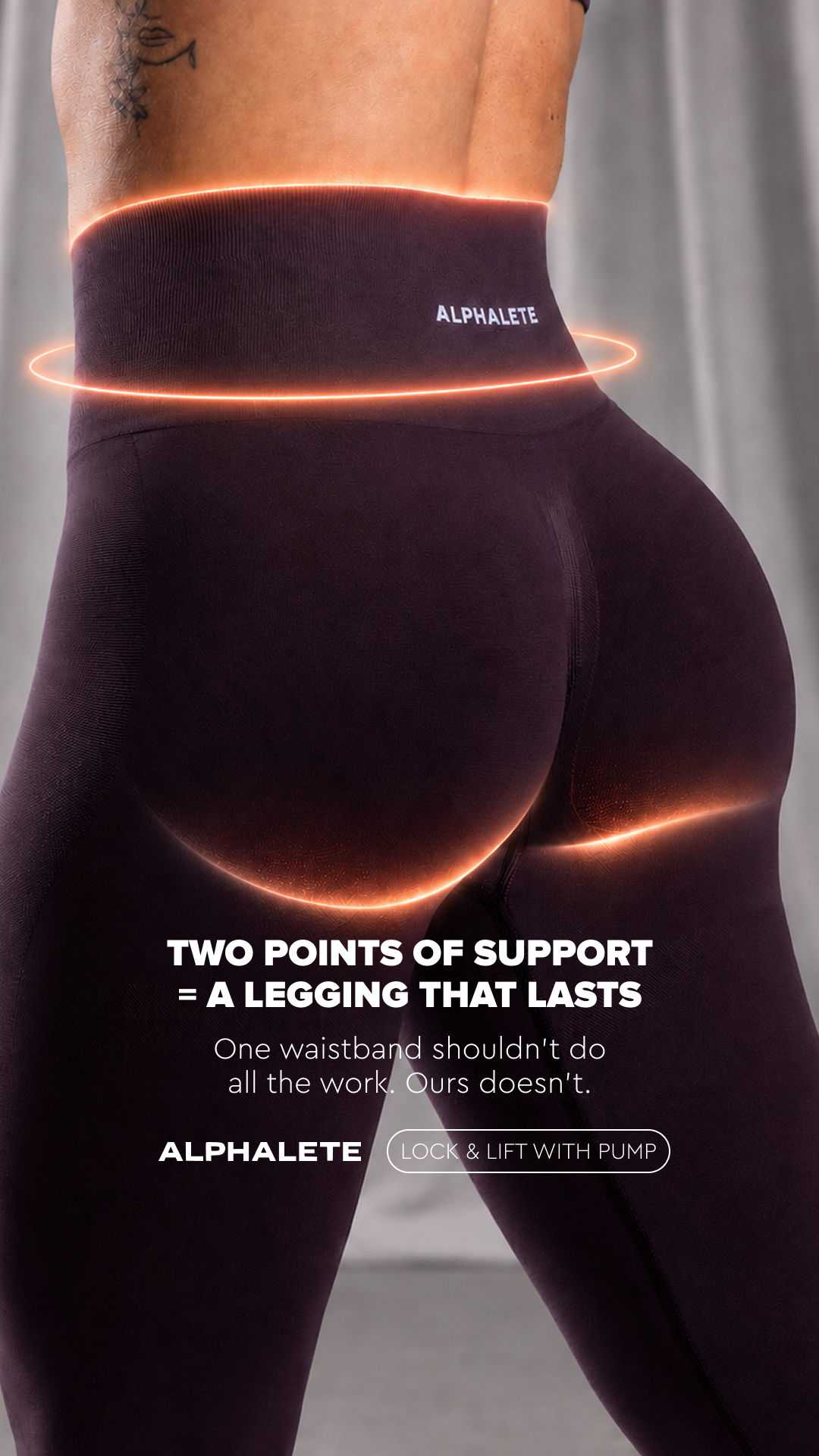
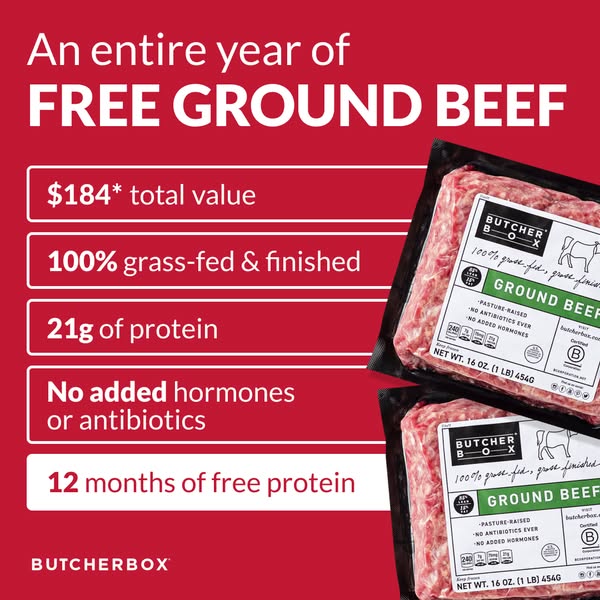

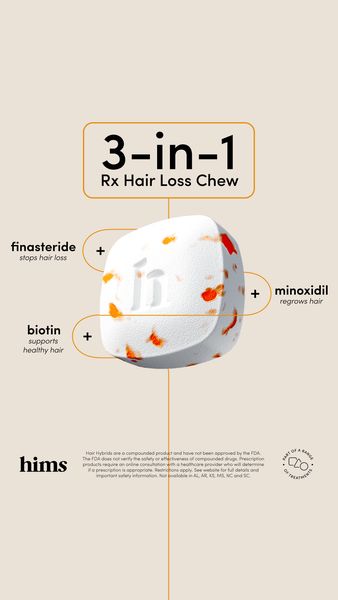
- Ads
- 925
- Top niche
- Beauty and Personal Care
- Top hook tactic
- Bold claim
- Most ads from
- Loop
- Longest run
- 791 days
How this format is built
Anatomy of a Feature Benefit Pointout ad
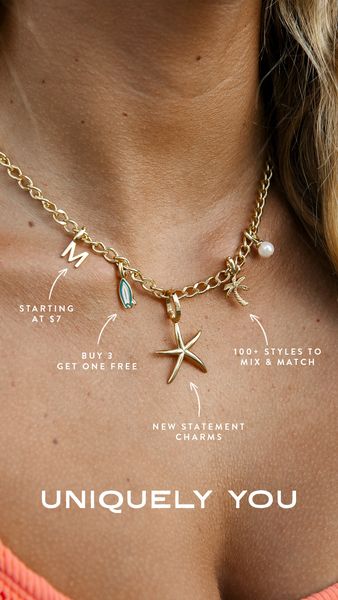
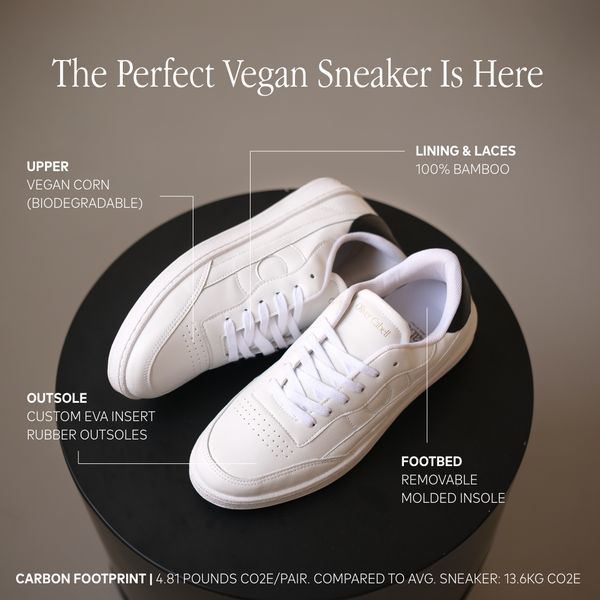
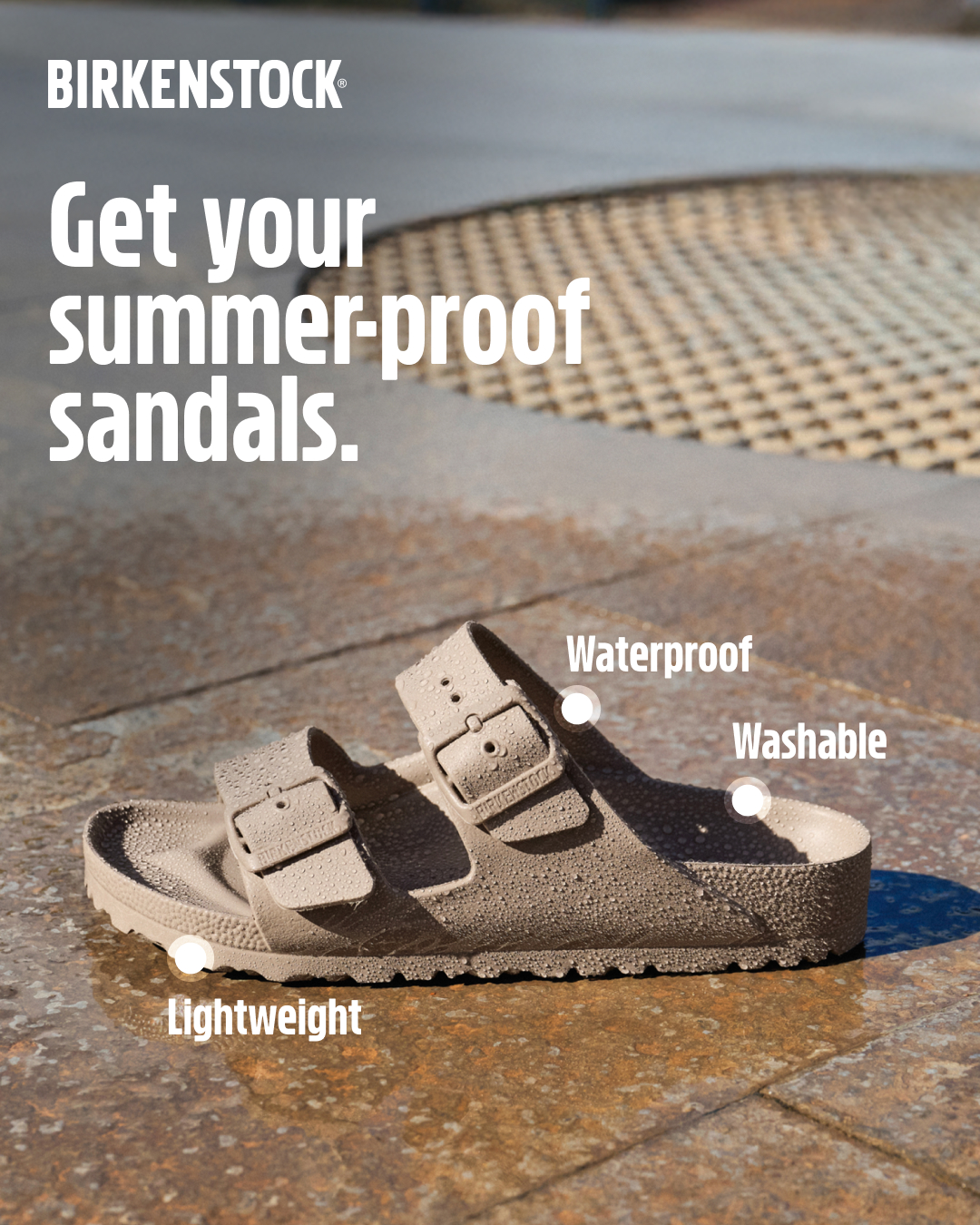
A feature benefit pointout ad uses callouts that point at features and name their benefits. A product image sits in the middle, with lines or arrows running to labels around it: a waterproof seam, a wide mouth, a battery that lasts the day. Each label links a part of the product to what it does for the person using it. The format borrows from product diagrams, and it answers what is special about this one before the viewer has to ask.
Name the benefit, not only the feature
A label that says 600D fabric states a spec. One that says stays dry in the rain states what it gives the buyer. Pair them if the spec adds trust, but lead with the benefit.
Limit the callouts
Three or four labels read in seconds, and ten read as a manual. Choose the features that matter most to this audience and cut the rest.
Point precisely
Lines and arrows should land exactly on the part they describe. A vague or crossing line confuses the layout and weakens the claim.
Keep the product large
The image is the anchor of the layout. Give it most of the frame and place labels in the margins, so each can be read at phone size.
Use a consistent label style
Same font, same line weight, same colour for all callouts. A consistent system looks designed, and the eye learns it in a second.
It is a Feature Benefit Pointout ad when
- A product image sits at the centre, with lines, arrows or leaders running from its parts to labels.
- Each label names a feature and what it does for the person using it.
- The callouts are tied to specific spots on the product, not set as a list beside it.
Near misses
- Stickers, arrows and badges over footage or a photo that steer the eye, without feature labels, are a graphic overlay.
- Facts and figures laid out as a chart or diagram, the product small or absent, are an infographic.
- A numbered list of reasons beside a product photo, pointing at no part of it, is a listicle.
Quick test
Do the labels point at parts of the product and say what each part does?
Related formats and niches
Ask your AI agent about Feature Benefit Pointout ads
Claude or ChatGPT searches the 925 Feature Benefit Pointout ads here and answers with real ads: the hooks, the niches and the brands that kept them running.
Pull the longest-running Feature Benefit Pointout ads and their hooks
Ranked by how long the brand kept them running on Meta
Write five hooks for my product from these Feature Benefit Pointout ads
Each with the real ad it learned from
How does Loop build its Meta ads?
Formats, hooks and offers across its 26 ads here
Questions about Feature Benefit Pointout ads
- What is a feature benefit pointout ad?
- A feature benefit pointout ad is a creative with callouts that point at features of the product and state the benefit of each. It is a labelled product image that explains what is special about the item.
- Why pair a feature with a benefit?
- A feature is what the product has, and a benefit is what the buyer gets. The benefit is the reason to care, so the label works best when it names both, or at least the benefit.
- How many callouts should one ad have?
- Usually between three and five. More than that makes the layout hard to read at phone size, and each label gets less attention.
- Is this the same as an infographic?
- They are close. An infographic lays out facts and figures as a graphic. A feature benefit pointout is built on one product image with labels attached to its parts.
- Where can I find feature benefit pointout ad examples?
- The gallery above lists feature benefit pointout ads from real brands. Sign in to search and read the copy of the first 20 ads of every list, or start the 7-day trial to open every ad and ask your AI agent to pull them and compare the callouts brands choose.
- What is the difference between Feature Benefit Pointout ads and Graphic Overlay ads?
- A graphic overlay ad lays stickers, arrows and badges over footage or a photo to steer the eye or flag an offer. A feature benefit pointout uses its lines to tie each part of the product to a labelled benefit, like a product diagram.
- What is the difference between Feature Benefit Pointout ads and Infographic ads?
- An infographic lays out facts and figures as a graphic, and the product can be small or absent. A feature benefit pointout keeps the product in the middle and points at its parts, one benefit per callout.
- What is the difference between Feature Benefit Pointout ads and Listicle ads?
- A listicle stacks numbered reasons or items as a list, and the order carries the read. A feature benefit pointout has no list: its labels sit around the product and each points at the part it describes.