


Winning ad examples: where to find them by niche and format
Winning Facebook ad examples are free to find in the Meta Ad Library, and filed by niche and format in AdSwipeFile. A winning ad is one a brand kept running, scaled or reworked. Nobody outside the ad account sees its results, so every source gives you signals to read, not proof. Below: where to look, free first, how to study what you find and how to turn it into your own ad.
Winning adsUpdated 8 min read
What a winning ad example is
"Winning ad" is the shorthand buyers use for an ad worth studying. In practice it means one thing you can check: the brand kept running it. Brands rarely keep paying for an ad that loses, so a long run is the clearest public signal. The ads people save most add a second one.
It is a signal, not a result. Spend, return on ad spend and sales stay inside the brand's ad account, so never say that an example "makes money" or "beat" another ad. Say what you can see: how long it ran, how it is built and what other brands do the same.
The signals you can see
- Run time. The Meta Ad Library shows the date each ad started running. Weeks of run time means the ad outlasted the tests around it.
- Versions. Many ads built from one creative, or one hook cut into several edits, means the brand is testing around something that works.
- Relaunches. An older hook that comes back with new footage or a new start date.
- The same idea across formats. One hook as a selfie video, a static image and a text post: the angle is the bet.
- The same pattern across brands. When three brands in a niche run a testimonial with the same kind of opening, the pattern is the lead.
- What you can't see. Results. Meta publishes figures only for some ads (spend and reach ranges for political ads; reach and targeting detail for EU ads; a separate Ad Targeting dataset for approved researchers), so for a brand's product ads you see no spend, reach or sales. TikTok Top Ads shows likes, a CTR percentile and a budget level on each Top Ad; filters for region, objective, ad language, ad format and likes, and a sort by For You, Reach or CTR; you can open an ad to see its performance and its best engagement moment, for the ads its advertisers authorised.
For the exact clicks in the Meta Ad Library, see how to find winning Facebook ads.
Free places to look
- The Meta Ad Library. Search a brand you know is growing, open its Page and look for ads that have run a month or more, and for several copies of one creative. Free and current, one advertiser at a time. It forgets ads once they stop: Meta shows every ad while it runs. Once an ad stops, only social issue, election and political ads (kept 7 years) and ads delivered in the EU (kept a year after their last impression) stay in the library.
- TikTok Creative Center. TikTok Creative Center is TikTok's free hub for advertisers: Top Ads, trends and creative tools. Top Ads shows ads with likes, a CTR percentile and budget level, filtered by region, objective and format. Useful if you also make short video, because hooks travel between platforms.
- Your own feed. The ads that stopped you are the ones that worked on you, and you are probably in the buyer group. Screenshot them when you see them.
- Brand pages and landing pages. Open the page an ad sends people to. The ad and its page share an offer and a promise, and the page shows what the ad does not.
- Competitor lists. Write down ten brands in your niche and check their Pages every month. Repeating the visit shows which ads stayed.
Free costs time. Each of these is one advertiser at a time, with no niche or format filter, and nothing is kept for you. If you check a few brands a month, it is enough (how to save the ads you find).
What winning ads look like in common formats
The formats below show up again and again in ads that brands keep running. Use them as a checklist when you read an example. The names are the standard visual formats the library tags ads with.
- UGC selfie. One person filming themselves, native to the feed. The hook is usually a spoken first line, so read the first three seconds.
- Testimonial. A customer says what the product did for them. The proof is a specific moment, not a general compliment.
- Review. A star rating or written review is the creative. Short, quotable lines do the work.
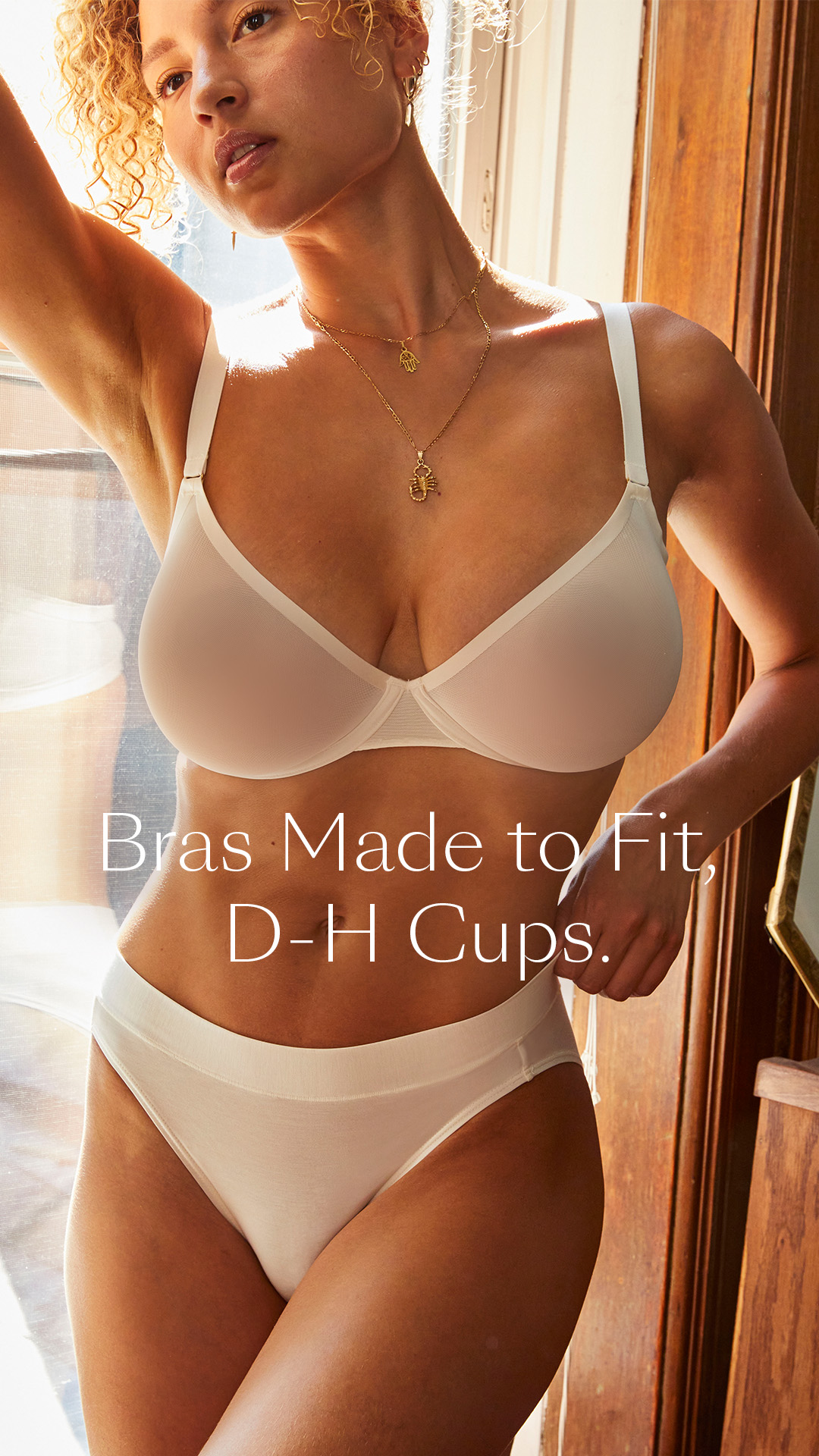
- Before and after. Two states side by side. The question is how believable the gap is and what the ad claims about time.
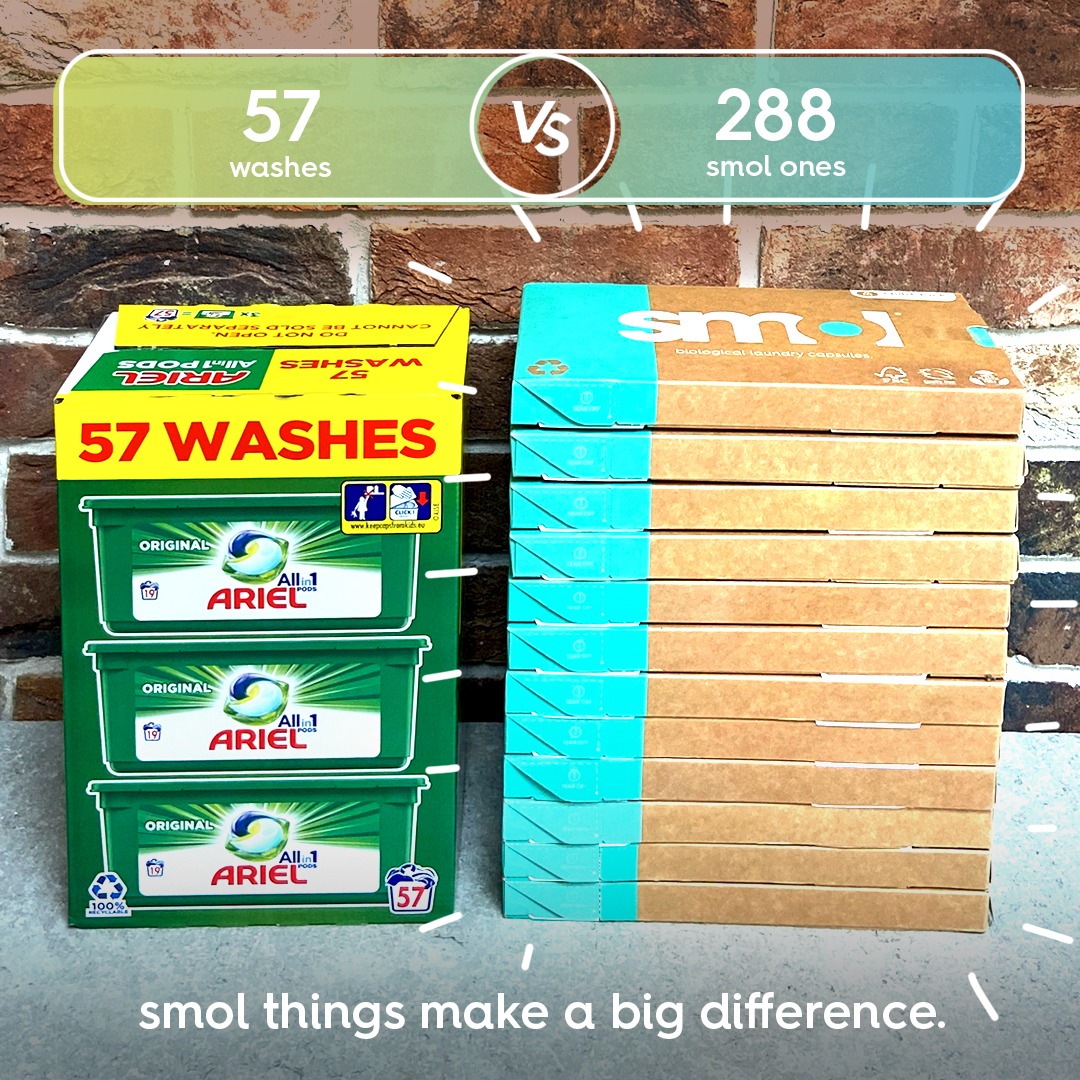
- Us vs them. A comparison table or split between the product and an alternative. Look for who the "them" is.
- Listicle. A numbered list of reasons or tips. The first item is the hook.
- Unboxing. The product arrives and opens on screen. It sells the packaging and the first reaction.
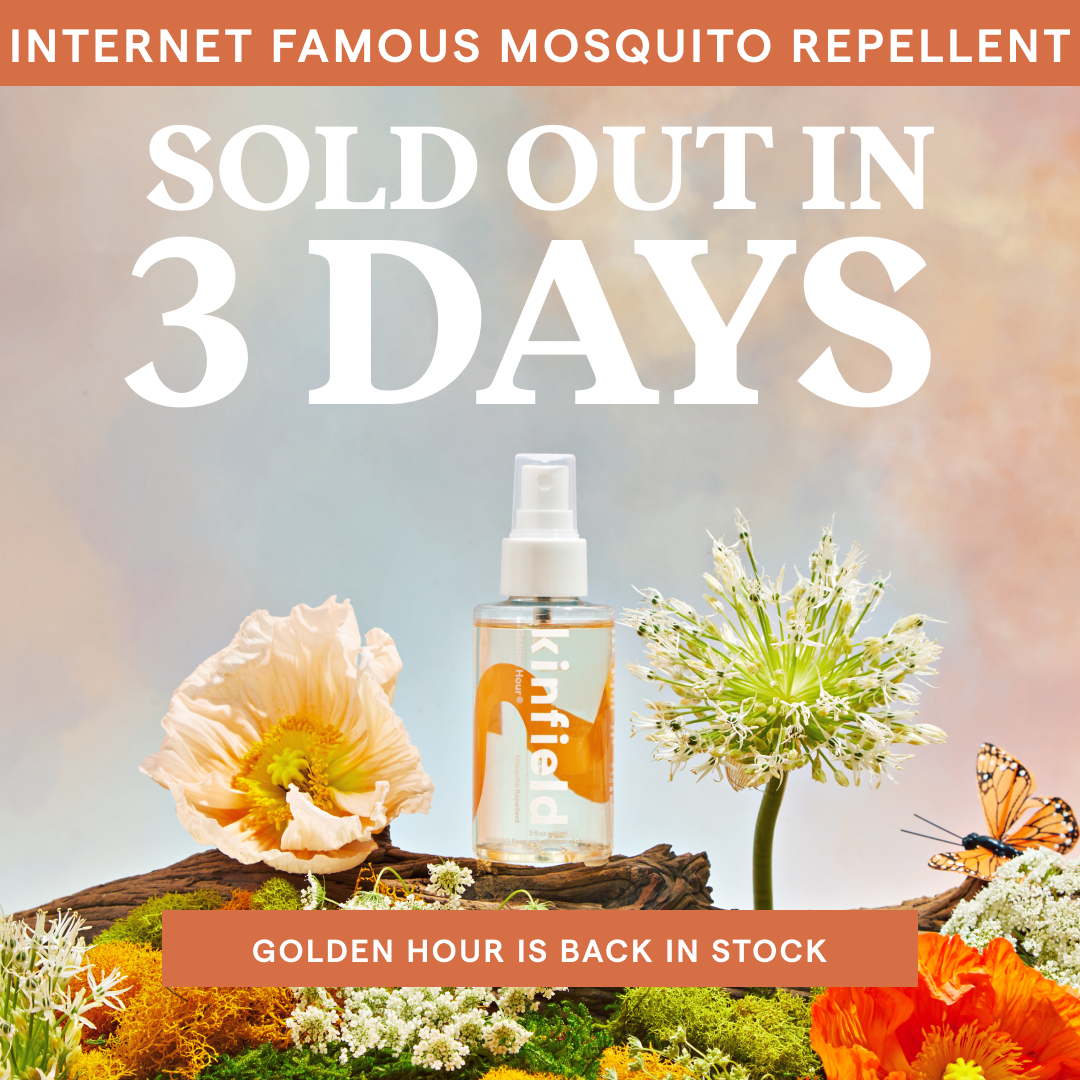
- Text overlay. Words carry the ad over a plain or product image. The headline is the whole creative.
A famous face is a format too: celebrity endorsement ads show how brands put an actor, athlete or presenter next to the product without losing it.
Seeing the same format in the longest-running ads of a niche tells you what that niche's buyers tolerate. Seeing it nowhere is a gap worth testing.
How to study an example
Give every example the same five-minute teardown, and write the answers down.
- The hook. The first line of copy and the first seconds of video, word for word. Name the tactic: a question, a bold claim, social proof, curiosity, a warning.
- The angle. The reason to buy that it leads with: price, a pain, a result, identity, convenience.
- The format. UGC, testimonial, before and after, demo, text only.
- The offer and the call to action. Is there a deal, a trial, free shipping, a refund promise, or none? What does the button say?
- The proof. A person, a number, a review, an expert, a demo. What makes the claim believable?
- The landing page. Does it continue the promise, or change it?
- The signals. Days running, copies, relaunches.
Then one line: why do you think a brand would keep paying for this ad? Write it before you brief anything. If you cannot, the ad does not belong in your file.
From an example to your own ad
Adapt the pattern and replace everything else. Take the structure of the hook, the pacing or the kind of proof, then swap in your product, your claims, your offer and your people. A competitor's name, claims, music or packaging never goes into your ad.
Pick two or three examples per brief, from different brands, so you borrow a pattern, not a single ad. How to build an ad swipe file has a brief template that says what to adapt, what to replace and how you will judge the new ad.
Common mistakes
- Treating run time as proof. A long run is a reason to look, not a result.
- Studying only your direct competitors. They show what your buyer already sees. Other niches show formats nobody near you uses.
- Saving the link, not the ad. Ads leave the library when they stop, and links die.
- Collecting without reasons. An example with no note on why it is there never makes it into a brief.
- Copying the creative. Copy the pattern.
Winning ad examples on AdSwipeFile
AdSwipeFile files 63,244+ Facebook and Instagram ads that brands kept running by brand, niche and format. Signed out, every list shows its newest 20 ads. An account sorts, searches and reads the copy of the first 20, and Pro opens every ad, saves and your AI agent after a 7-day trial.
- By niche: Beauty, Fashion, Fitness and wellness, Food and drink, Pets, Home and garden, Apps and software, Jewelry and watches.
- By format: UGC selfie, Review, Before and after, Product image, Unboxing, Listicle, Text overlay, Us vs them.
- By brand: AG1, Glossier, Liquid Death, Warby Parker, or every brand.
- Longest running first. Brand pages open on their longest-running ads, and niche and format pages offer "Longest running" in the sort menu.
- How it is built. Each tagged ad has a note on the mechanism of its hook, format and offer. It never describes results.
It is Facebook and Instagram only, has no spend or performance data and is a smaller library than the big paid ones. Pro ($39 a month, 7-day trial) opens every ad.
Ask your AI agent for examples
Connect AdSwipeFile to Claude, ChatGPT or Cursor and ask in your own words. Your AI agent searches the library, reads each ad and writes from it, with links back to the ads.
- "Find 10 winning UGC ads for pet food and tell me the hooks they share."
- "Show me the newest AG1 ads in the library."
- "Which formats do the longest-running skincare ads use?"
- "Read the three closest ads to my product and write five hooks in their patterns."
Setup for each assistant is in the MCP docs, and this guide compares the options for giving an assistant real ads.
Try AdSwipeFile with your assistant
Paste one prompt into Claude, ChatGPT or Cursor. It connects the library and pulls the winning ads in your niche. Free for 7 days on Pro or Agency, with 200 calls a day.
FAQ
Where can I find winning Facebook ad examples for free?
The Meta Ad Library shows every active ad, free. AdSwipeFile files winning Facebook and Instagram ads by niche and format; signed out, every list shows its newest 20, and every ad opens with a 7-day trial.
Where can I find a library of winning Facebook ad examples?
AdSwipeFile is a library of 63,244+ Facebook and Instagram ads that brands kept running, filed by brand, niche and format. The Meta Ad Library is the free source for ads running today.
How do I know if an ad is a winning ad?
From outside you can't be sure. Weeks of run time, many copies of one creative and the same hook across formats show a brand kept paying for it. Results stay in the ad account.
Does AdSwipeFile show which ads perform best?
No. It holds no spend or performance data. Its ads are ones brands kept running and that we filed as worth studying, so treat them as strong signals.
Is a winning ad the same as a winning product?
No. Product research tools look for things to sell. AdSwipeFile is for the creative: the hooks, angles and formats that brands keep running.
How do I find winning ads in my niche?
Open your niche on AdSwipeFile and sort by longest running, or search the Meta Ad Library for the brands in your niche and keep the ads that have run a month or more.
Can I ask ChatGPT or Claude for winning ad examples?
Yes, if you connect a library to it. With AdSwipeFile's MCP server your AI agent searches the library, reads the ads and links each one.
How many examples should I study before I brief an ad?
Two or three per brief, from different brands, plus a wider set to see the patterns. Fewer references give you a clearer brief.
Sources
Checked on 6 November 2026 on each tool's own site. Prices are in US dollars as listed, and change: check the source before you buy. AdSwipeFile's facts come from its pricing page.


