
64 FOMO Hook Ad Examples
A FOMO hook tells the viewer that other people already have the product and they are the one missing out. Browse the ads below, then read how to use the feeling without pressure tricks.
Niche
Format3 selected
Brand
SortNewest
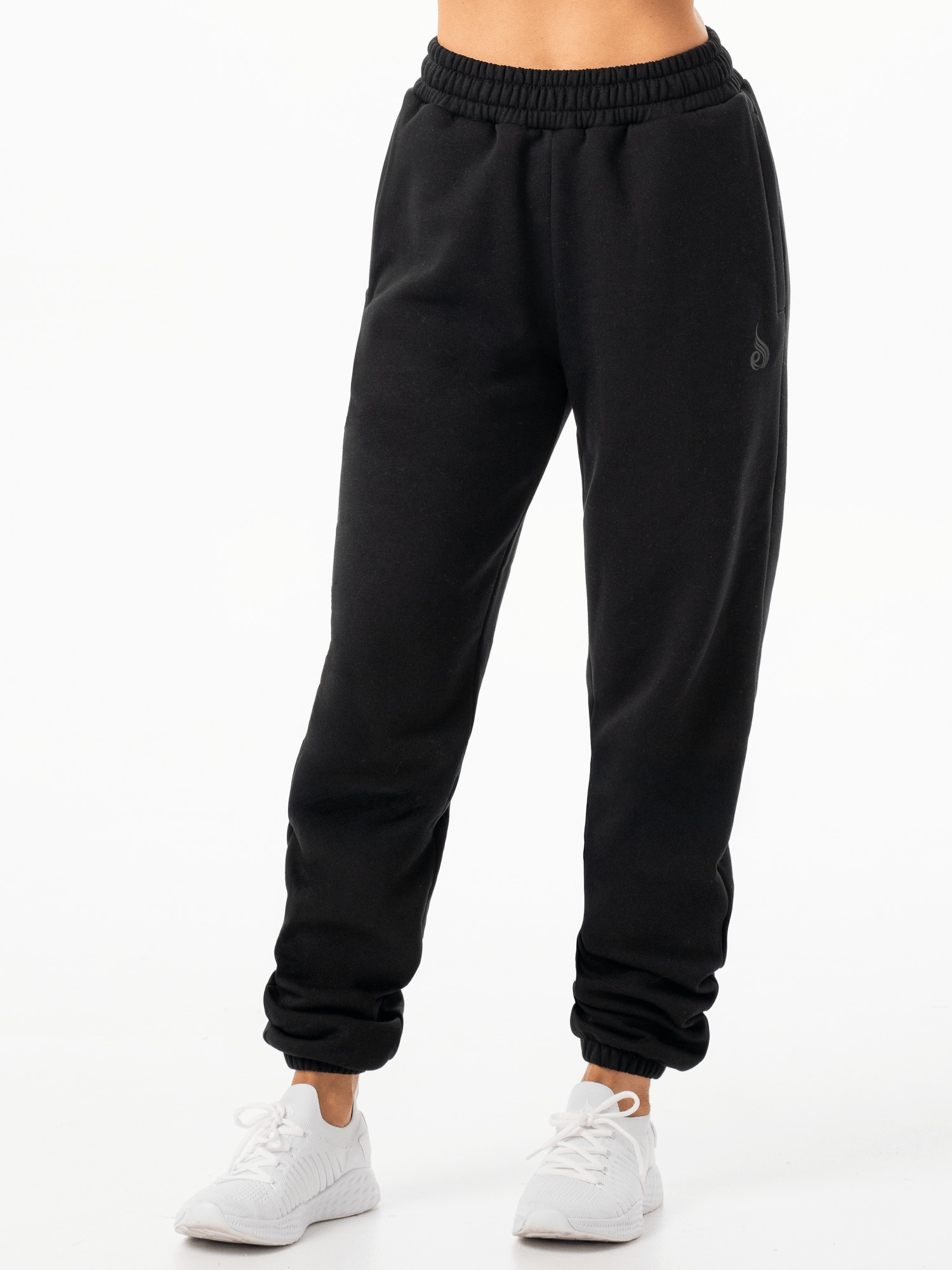
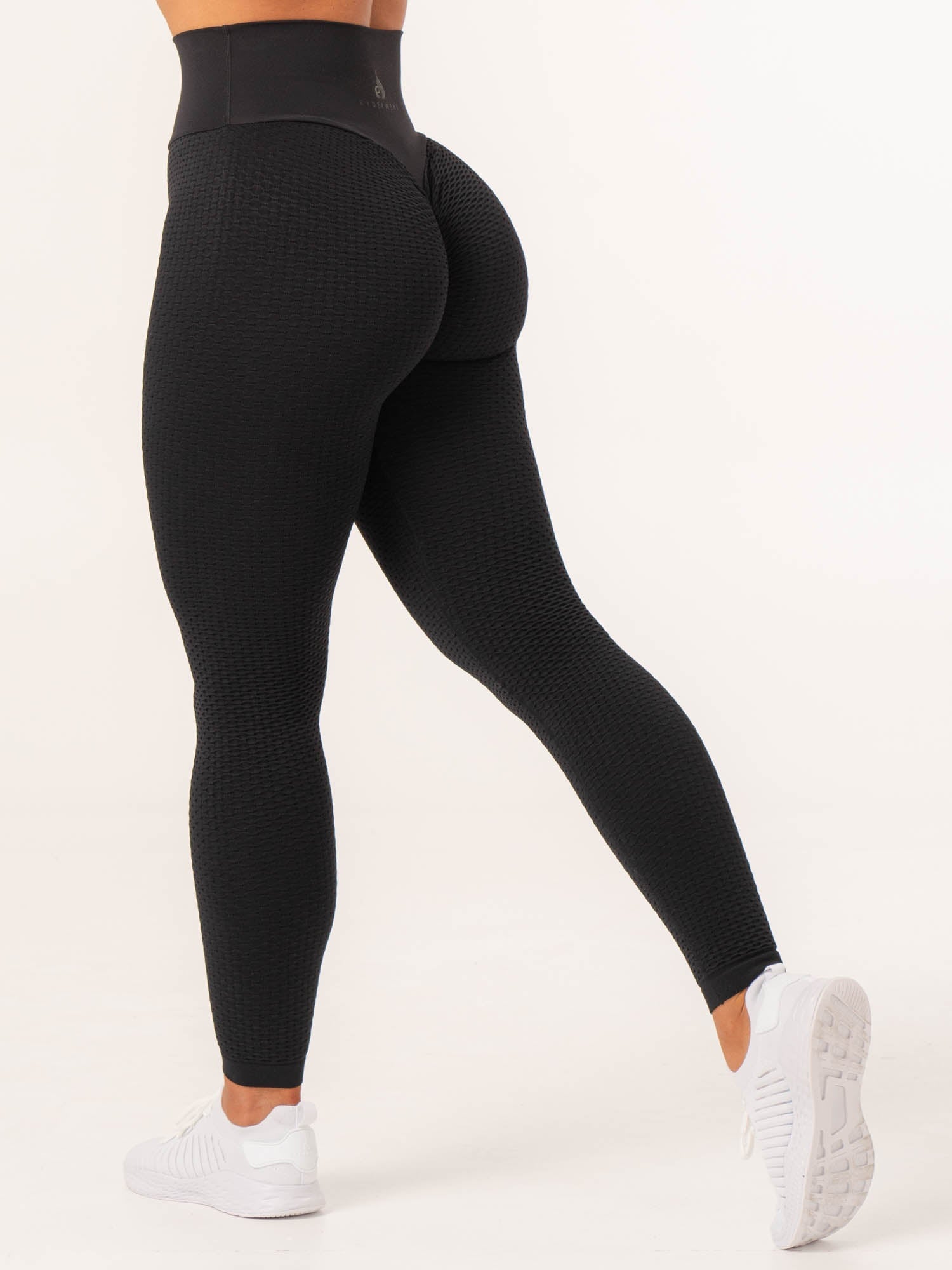
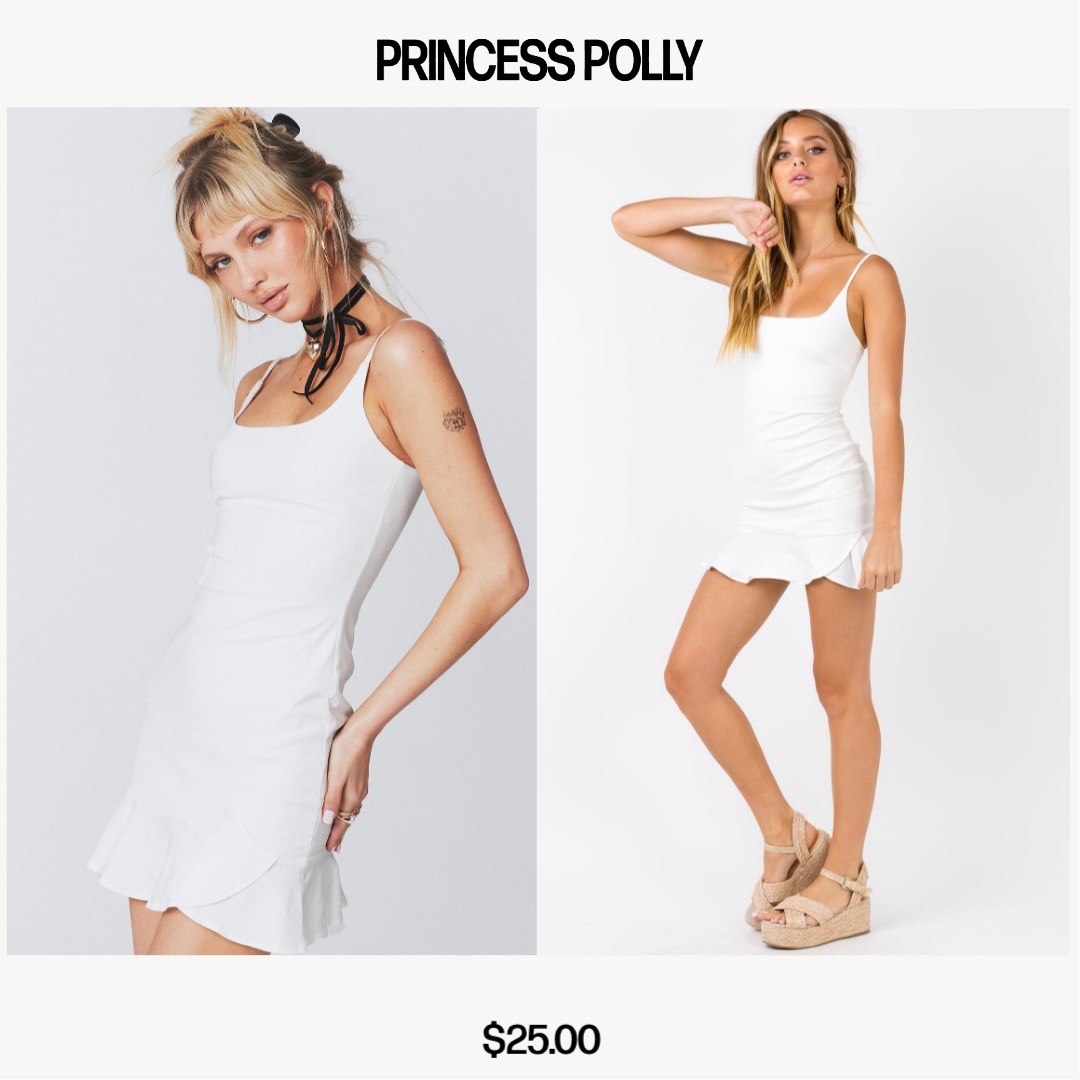


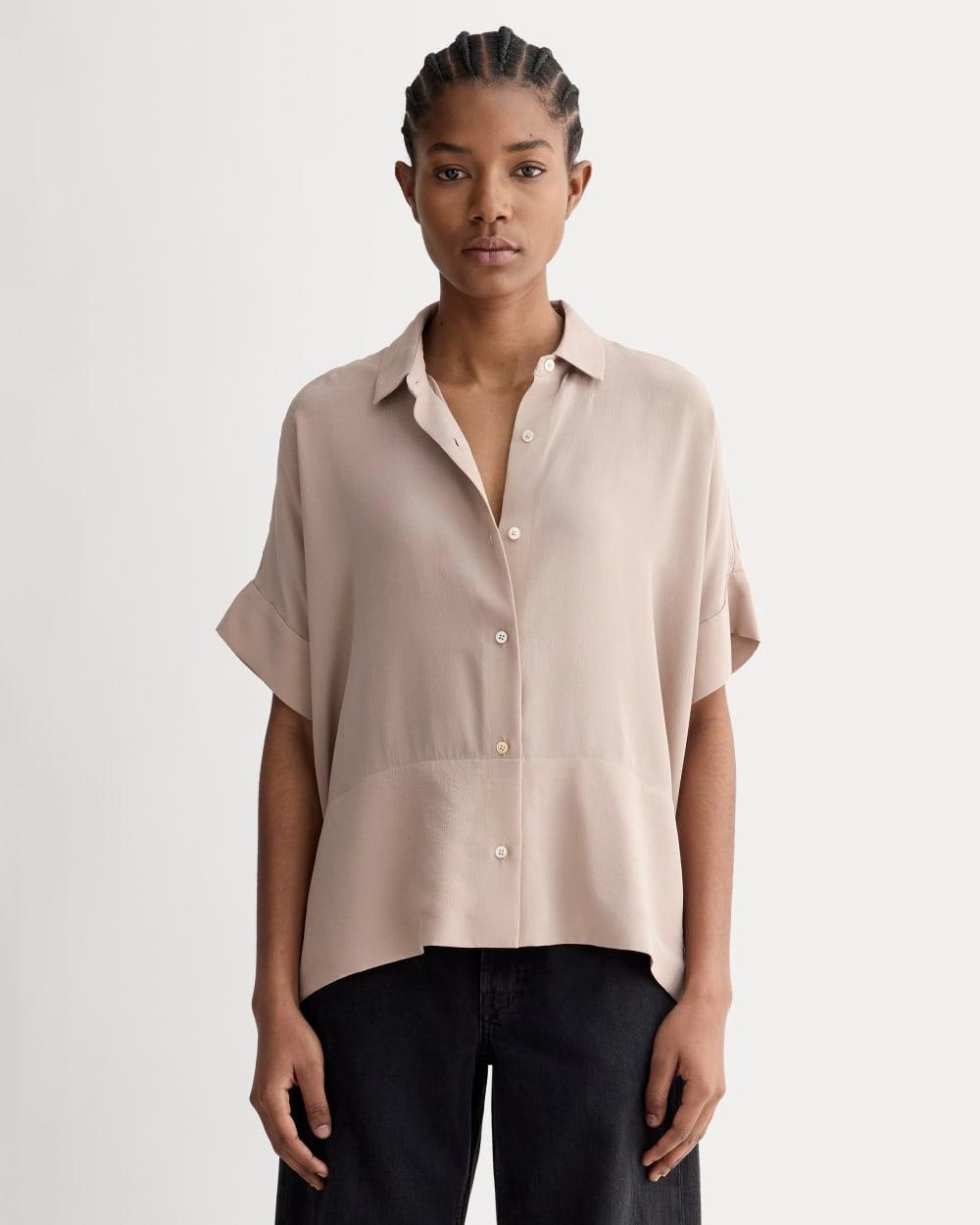


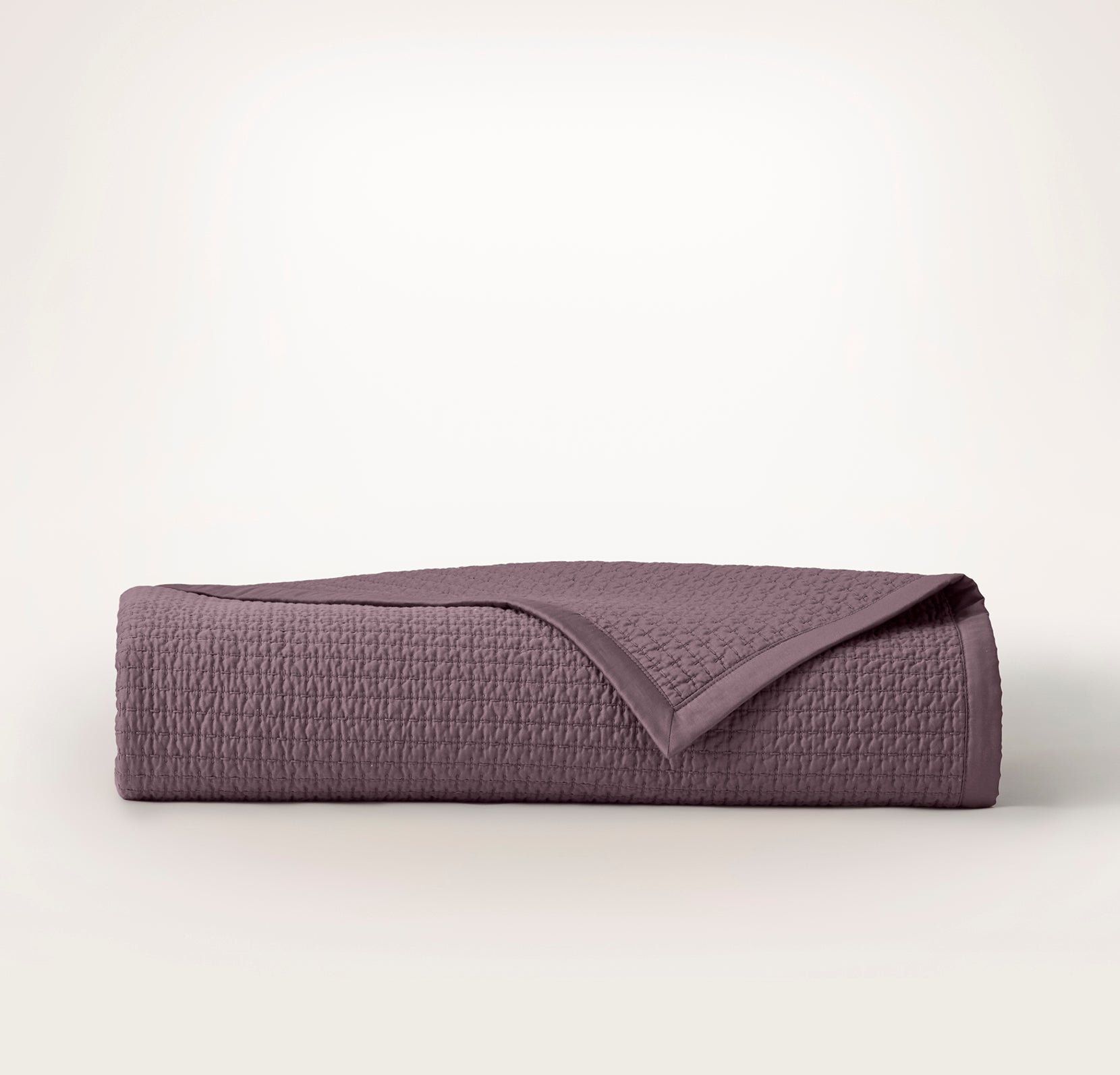
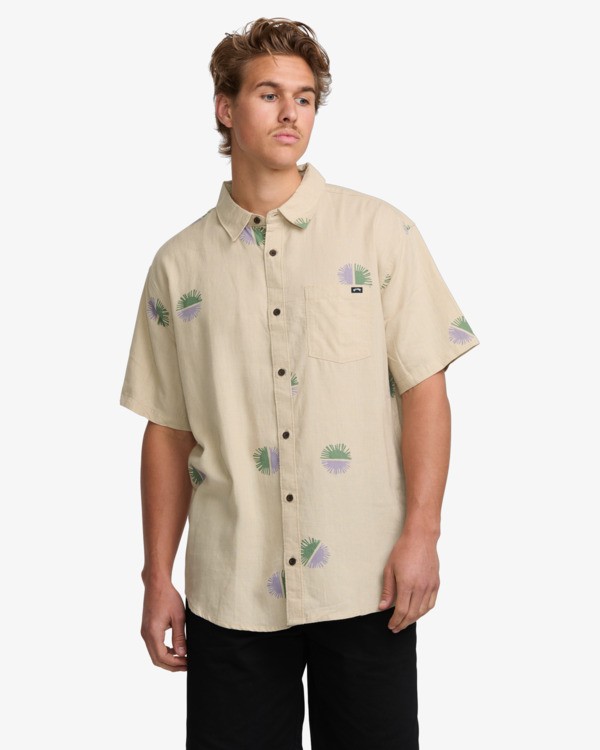
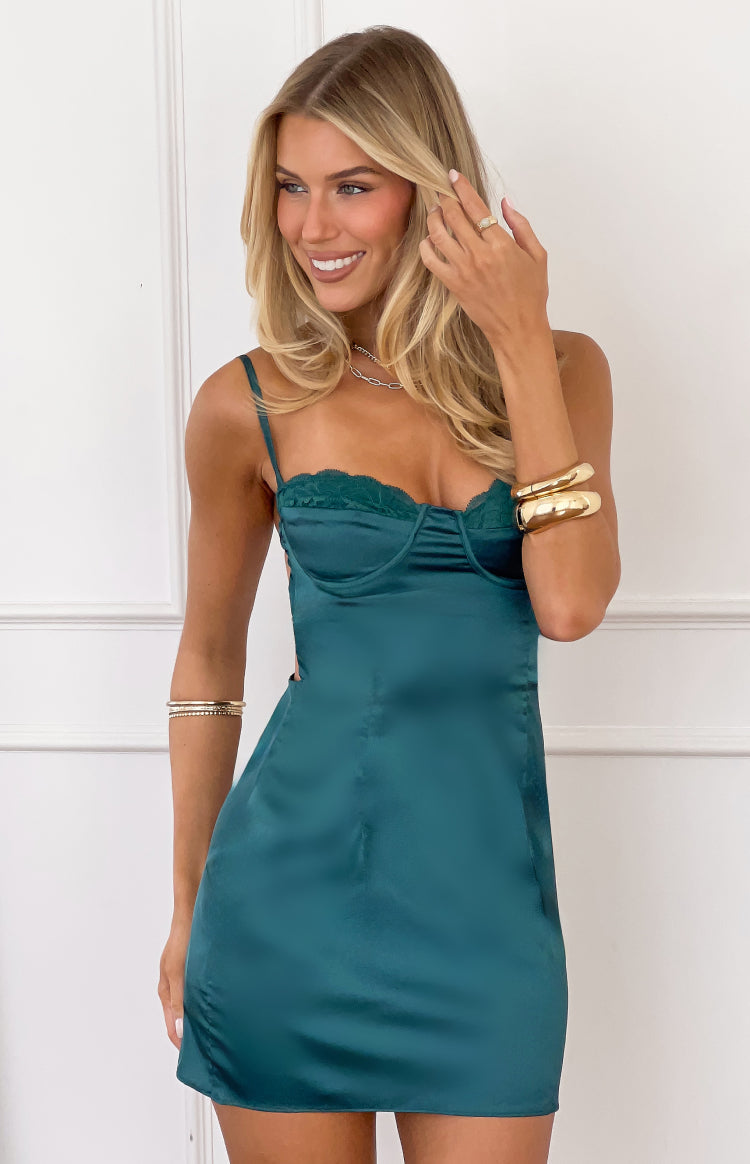

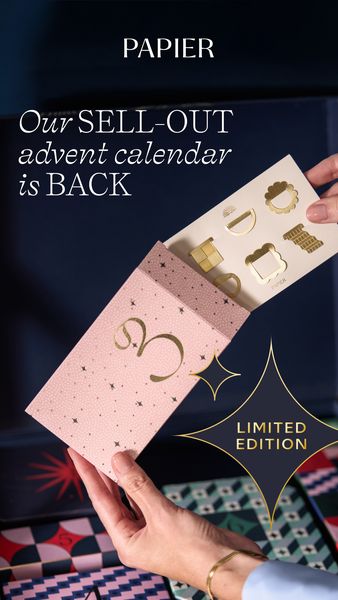
Top visual formats for FOMO Hook ads
Top brands running FOMO Hook ads
What is the FOMO Hook?
A FOMO hook, short for fear of missing out, opens by showing that other people are already using, wearing or enjoying something, so the viewer feels left behind. The lines are usually about the crowd: everyone is switching, the whole street has one, your friends already know. It differs from urgency, which is about a deadline, and from social proof, which is about how many people recommend it. FOMO is about the viewer's position relative to everyone else, and it works on the wish to belong.
When to use the FOMO Hook
- A product is spreading through a group, such as a gadget, a trend or an app, and the viewer's peers are visibly part of it.
- You sell something people want to be seen with or talk about, like fashion, food and drink or a new release.
- You have real community moments to show, such as a launch crowd, an event or a group chat full of people using the product.
- Your competitor ads in the ad library lean on features, and a hook about belonging would stand out against them.
- You want an angle for a launch or a drop, where being early matters to the audience.
FOMO Hook best practices
Show the others, not just the claim
The hook lands when the viewer sees the people who already have it: a crowd, a feed of posts, a group at the table. A line that says everyone has it is weaker than a frame that shows them.
Keep the tone inviting
FOMO that shames the viewer for being behind pushes people away. Frame the others as having a good time and the viewer as welcome to join, so the feeling is want and not guilt.
Tie the feeling to something true
Say that others have it only when it is so. An ad that claims everyone is switching, with nothing behind it, invites doubt in the comments and wastes the hook.
Separate it from a countdown
FOMO and urgency are different devices. If you add a deadline, keep the opener about the others, and let the deadline appear later as the reason to act today.
End with an easy way in
The hook creates a gap between the viewer and the group. Close it with one clear step, such as a link to the product or a free account, so the feeling has somewhere to go.
Brands using the FOMO Hook
Niches with the most FOMO Hook ads
Related formats
Related niches
FOMO Hook: frequently asked questions
What is a FOMO hook?
It is an ad opening that shows or says that others already have the product and the viewer is missing out. FOMO stands for fear of missing out, and the hook works on the wish to belong to the group.
How is FOMO different from urgency?
Urgency gives a reason to act now, such as a deadline or low stock. FOMO is about other people already being part of something. An ad can use both, but they open differently and the first frame tells you which one it is.
How is FOMO different from social proof?
Social proof shows how many people use, love or recommend a product to build trust. FOMO uses the same crowd to create a sense of being left out. The same image can serve either, depending on whether the line reassures or provokes.
Is FOMO manipulative?
It can be when it is made up. Used honestly, with real customers and real events, it is a way of showing what others enjoy. Avoid fake counters, invented crowds and pressure that the product cannot back up.
Where can I find FOMO examples?
The gallery above gathers ads whose opening was tagged as FOMO. Compare them with the urgency and social proof pages to see where each tactic starts and ends.