
1,896 Aspirational Hook Ad Examples
An aspirational hook opens on the life the viewer wants, not the problem they have. Browse the ads below, then read how to build the picture and tie it to the product.
Niche3 selected
Format
Brand
SortNewest

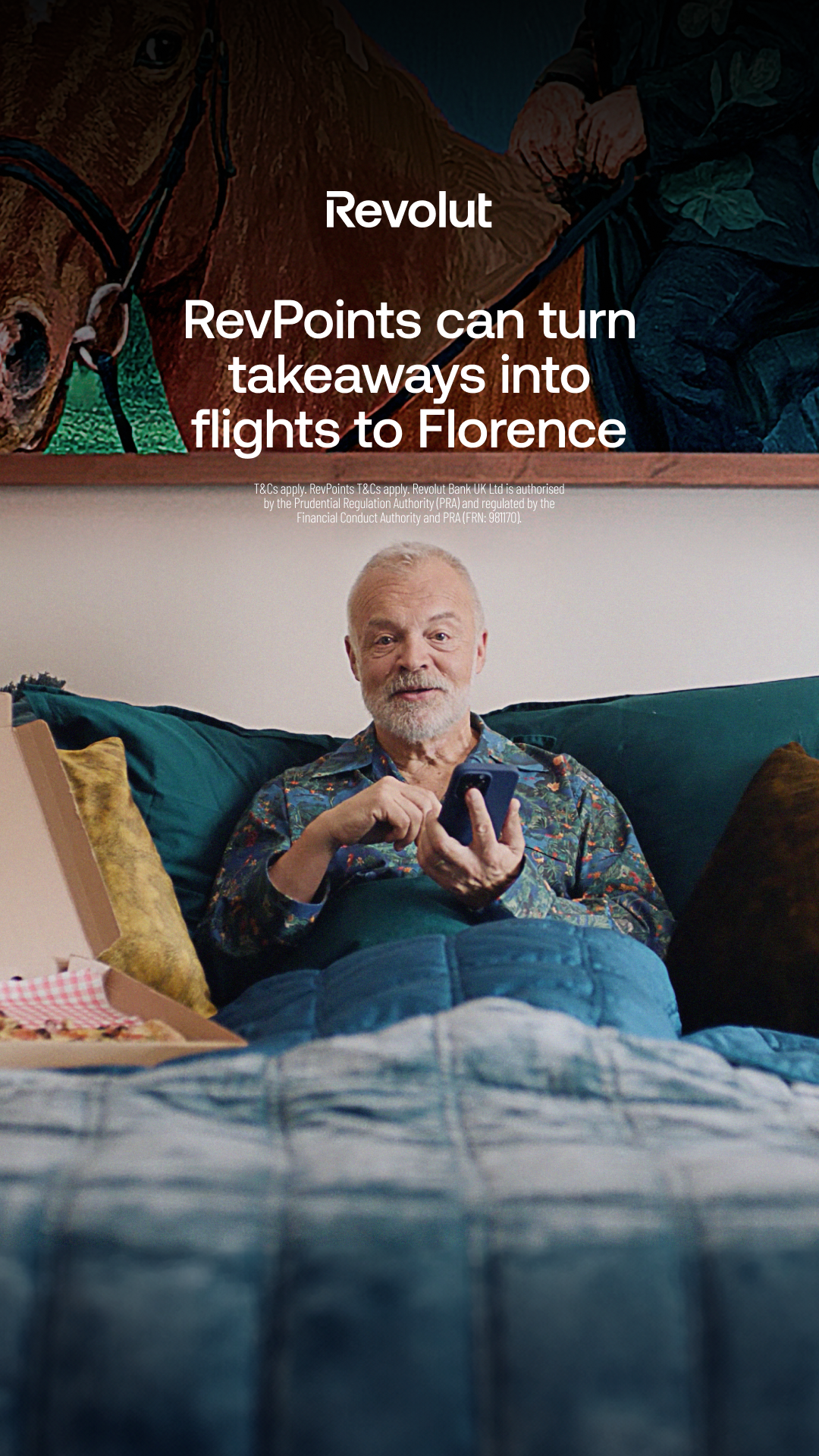
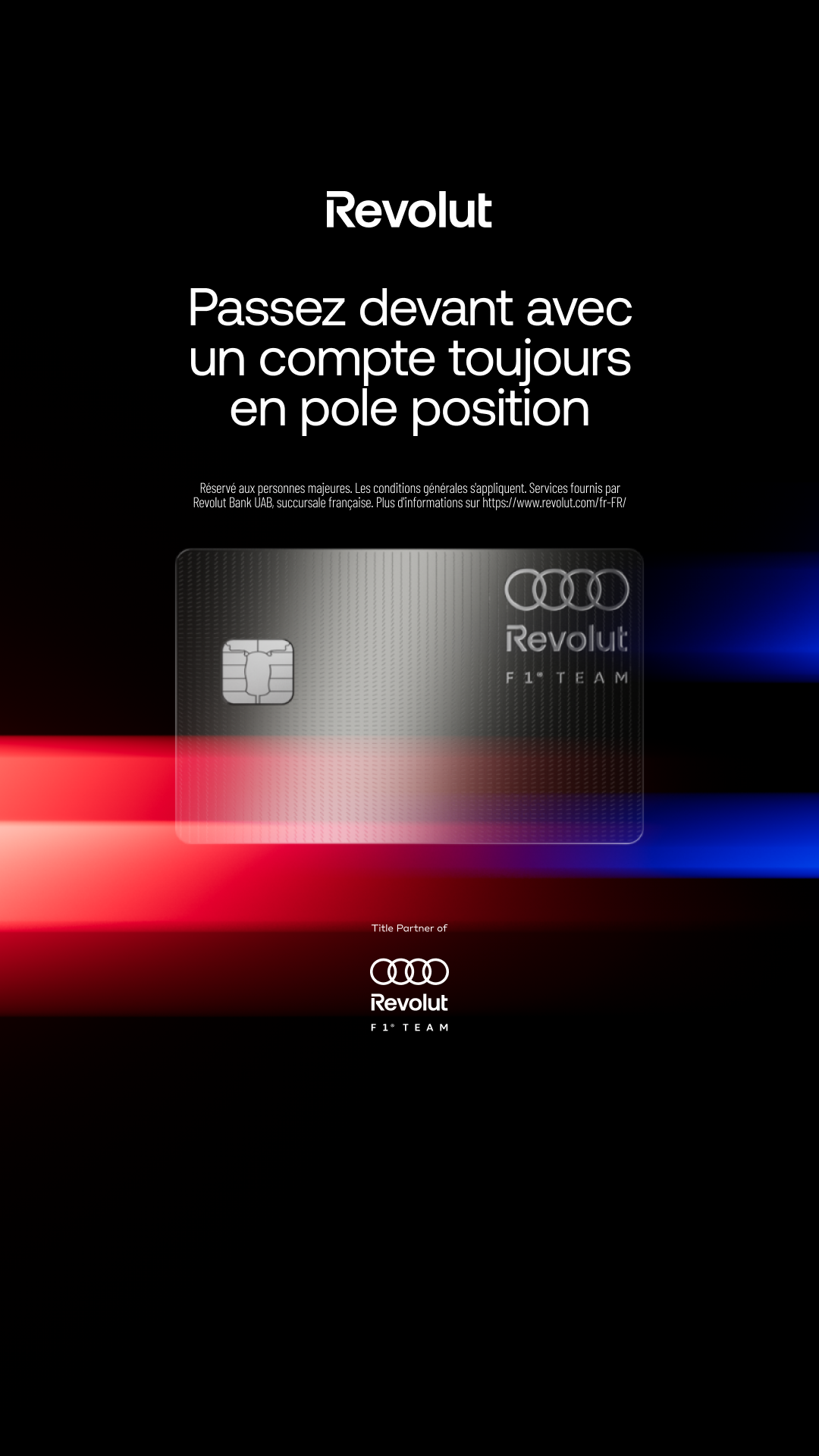






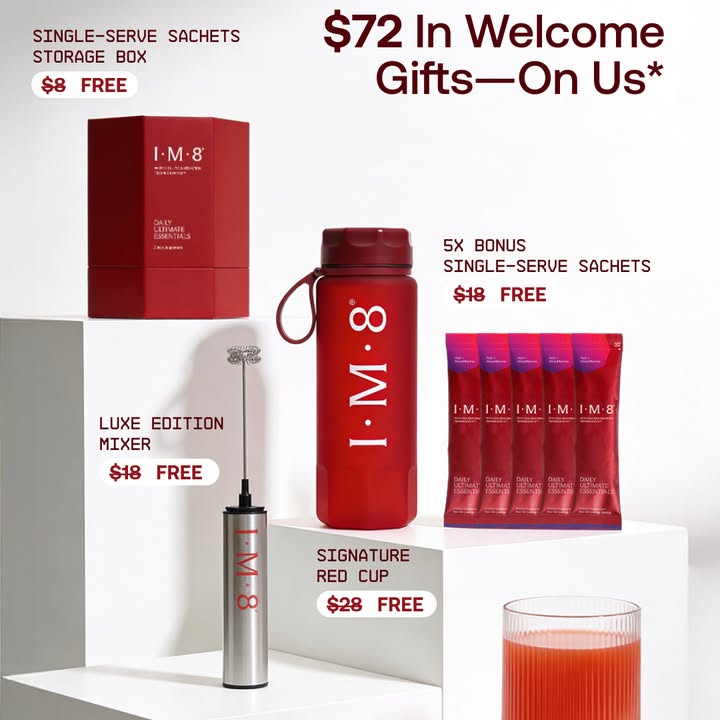


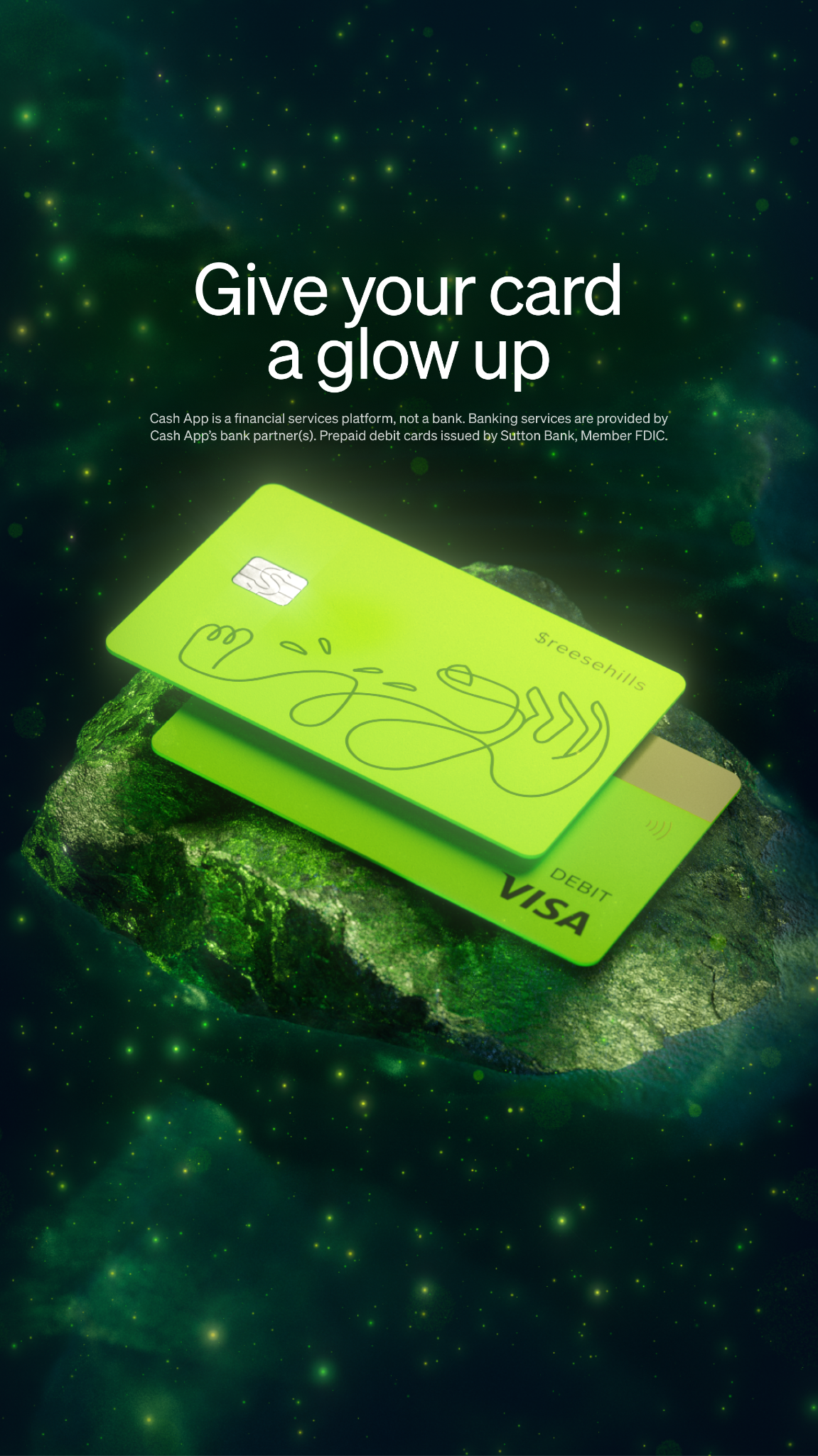
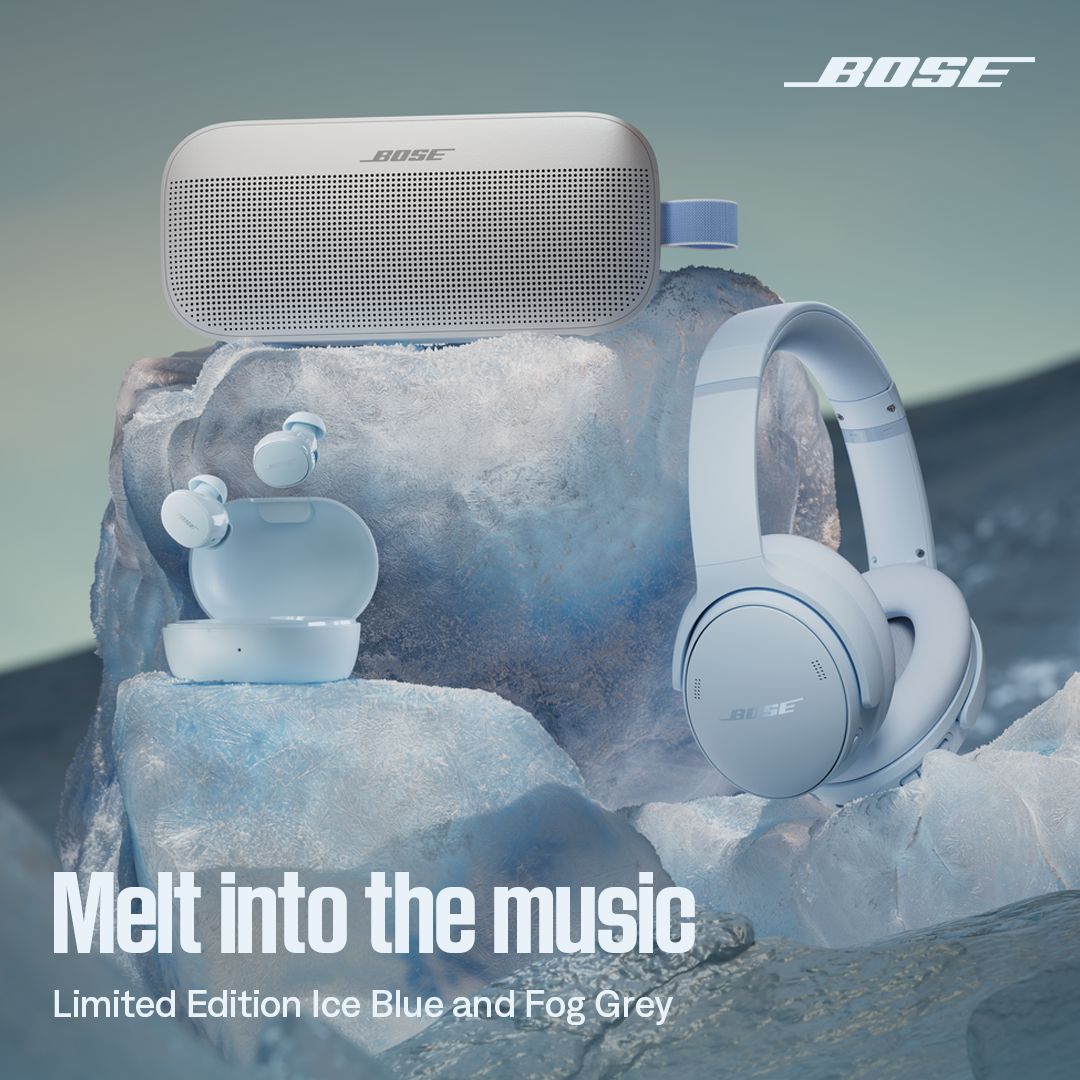
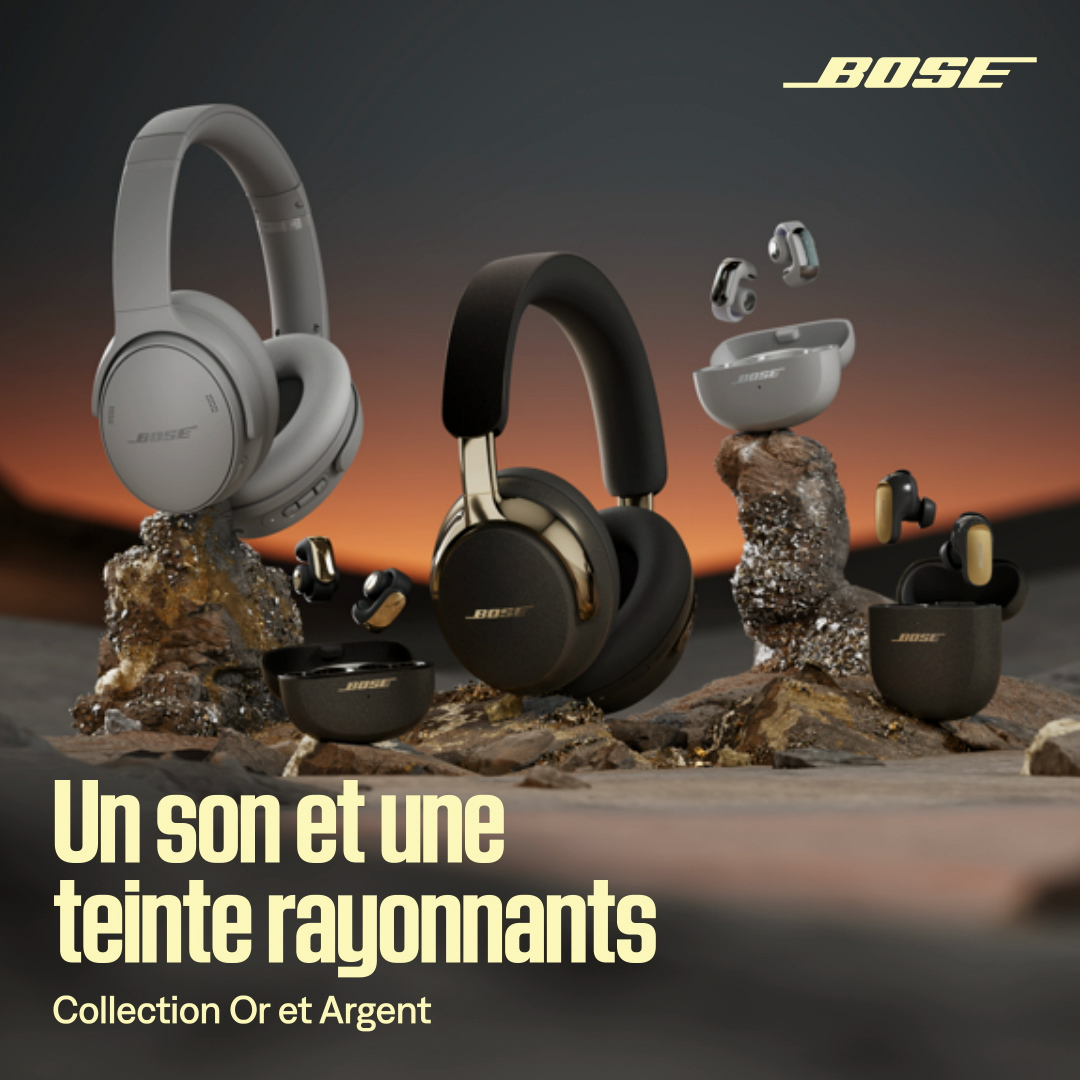
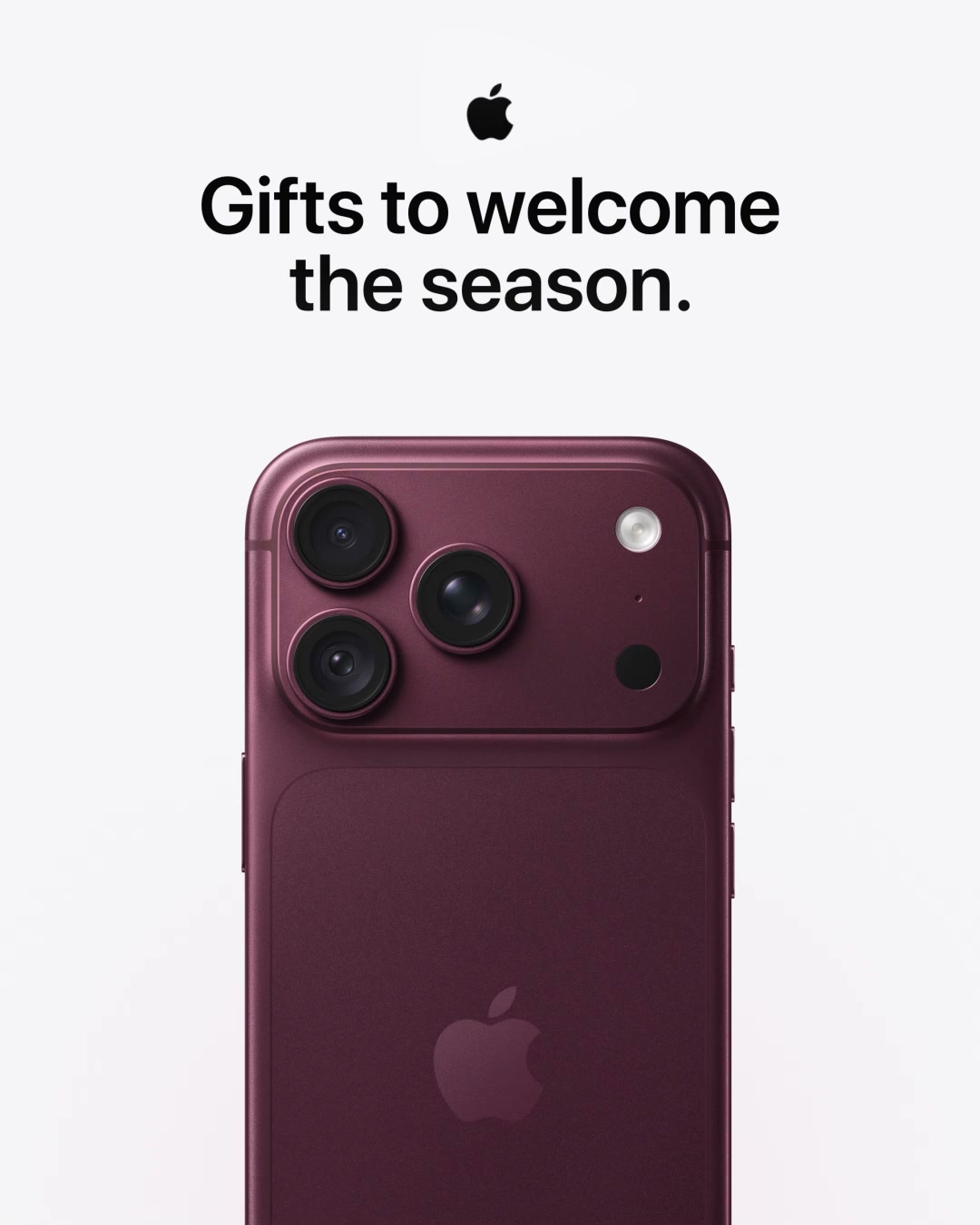
Top visual formats for Aspirational Hook ads
Top brands running Aspirational Hook ads
What is the Aspirational Hook?
An aspirational hook shows the outcome before it explains anything: a calm morning, a wardrobe that works, a table full of friends, a trip with no stress. The viewer sees the life they want and wants to know how to get it. It sits at the opposite end from a pain-led opening, and it works through desire rather than discomfort. Because the picture does the work, the tactic suits visual formats such as lifestyle photography, cinematic footage and editorial layouts, and it depends on the viewer seeing themselves in the scene, not admiring someone else's.
When to use the Aspirational Hook
- Your product is bought for how it makes life feel, such as travel, fashion, home, wellness or food.
- Your buyers do not feel a sharp problem, but they do have a picture of how they want things to be.
- You have strong photography or footage that can show the result without words.
- Your category is crowded with problem and solution ads, and a positive opening will stand out.
- You are building a brand for the long term and want ads that show what it stands for.
Aspirational Hook best practices
Show the life, not the product
Open on the scene the buyer wants to live in. The product can be in the frame, but the first image should be about the person and the moment.
Make it reachable
A picture that is too perfect feels like someone else's life. Choose scenes the viewer could plausibly have, with details that look real.
Tie the picture to the product fast
Aspiration without a link to the product is a mood video. Within a few seconds, show what the product does to get the viewer there.
Let a few words anchor it
A short line over the scene names the desire, such as a feeling or a place. It helps the viewer read the picture the way you intend.
Test it against a pain-led hook
Run the same product with an aspirational opening and a problem opening. The comparison shows which side of your buyer's motivation moves them.
Brands using the Aspirational Hook
Niches with the most Aspirational Hook ads
Related formats
Related niches
Aspirational Hook: frequently asked questions
What is an aspirational hook?
An aspirational hook is an opening that shows the life the viewer wants. The first frame or headline pictures the result, and the rest of the ad explains how the product gets them there.
How is an aspirational hook different from a relatability hook?
Relatability starts from a moment the viewer already lives, often a small annoyance. Aspiration starts from a life they would like to have. One begins where they are, the other where they want to be.
Which niches use aspirational hooks most?
Fashion, travel, home, beauty and food lean on them because the product is tied to a feeling or a lifestyle. Browse the gallery by niche to see how brands in your category stage the scene.
Do aspirational hooks need models or actors?
No. A place, a table, a room or a detail can carry the aspiration. People help when the viewer needs to see themselves in the scene, but the picture matters more than the casting.
Can an aspirational hook feel out of reach?
Yes, if the scene is staged too perfectly or has nothing to do with the buyer's real life. Keep the setting believable, and add one detail from customer language so the viewer recognises themselves.