
27 Challenge Hook Ad Examples
A challenge hook dares the viewer to do or try something. Browse real ads below, then read how to set a dare that is easy to accept and leads to the product.
Niche
Format2 selected
Brand
SortNewest
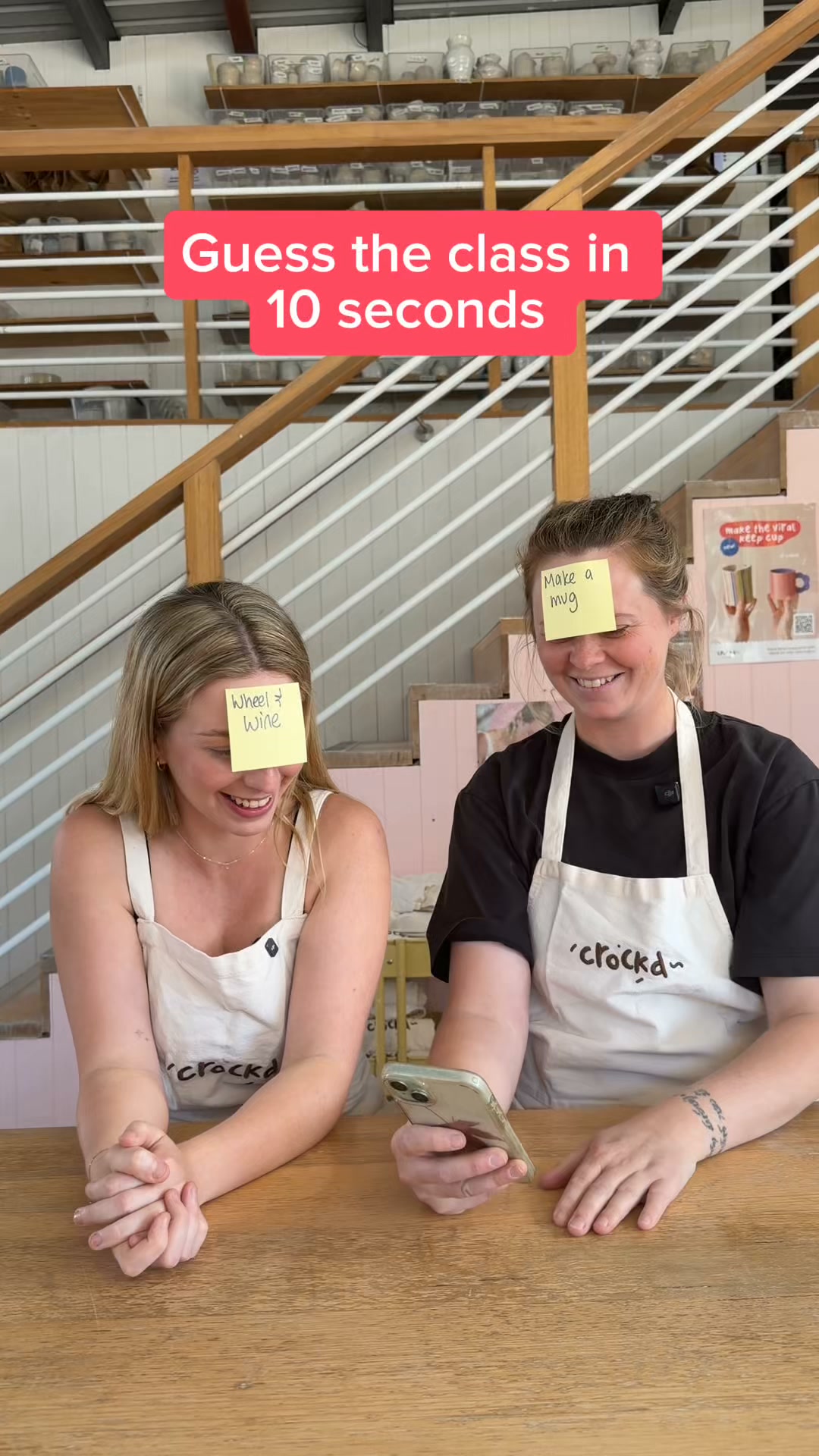
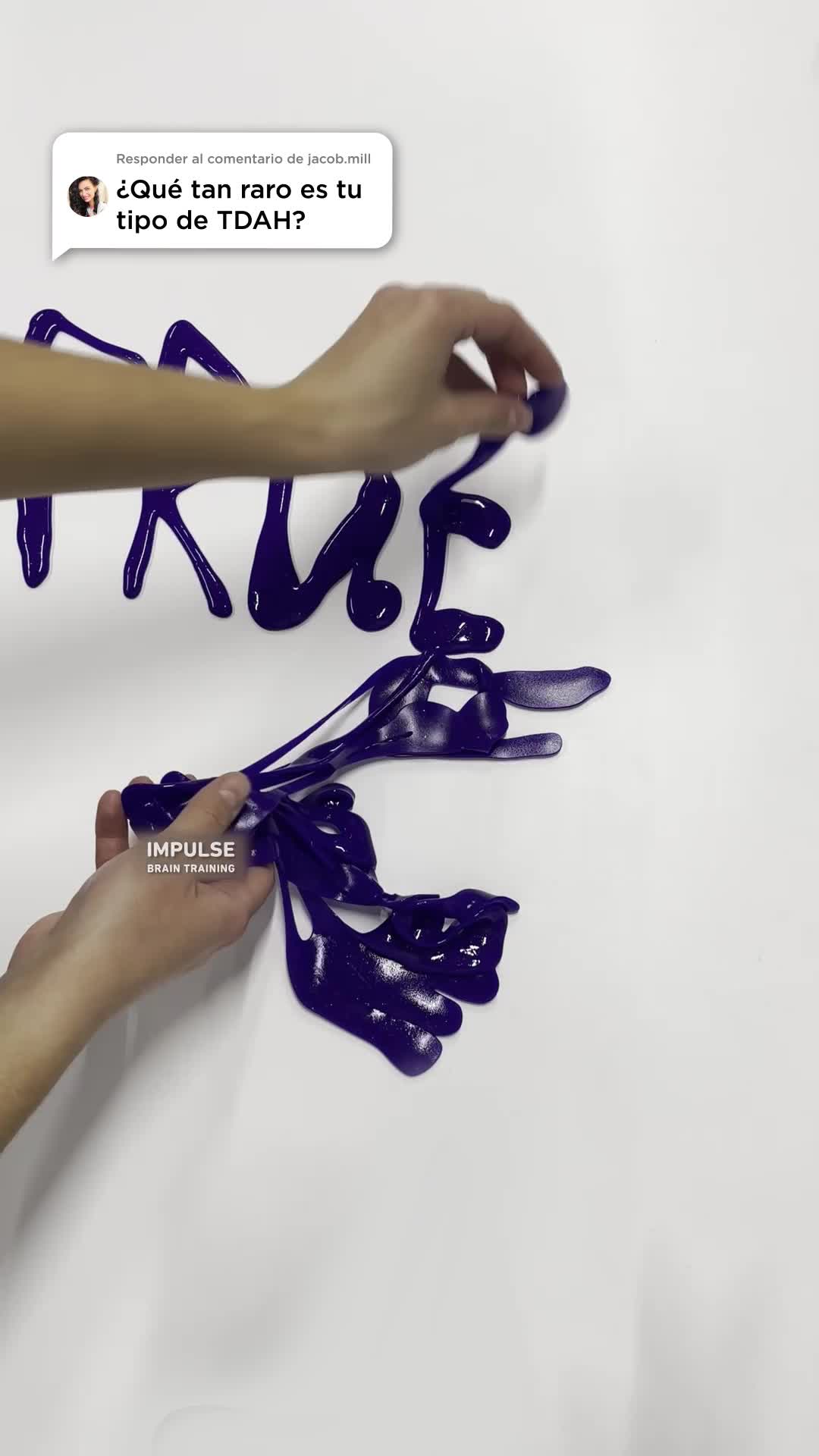
Top visual formats for Challenge Hook ads
Top brands running Challenge Hook ads
What is the Challenge Hook?
A challenge hook opens with a dare: try this for a week, spot the difference, beat this score, go without it for a day. The viewer is asked to take part, and the invitation itself holds attention because it promises a small test with a visible result. It is different from a question hook, which asks for an opinion, and from a gamification ad, which turns the creative into a game. The strongest versions set a challenge that is short, easy to start and clearly connected to what the product does, so accepting the dare is a step toward trying the product.
When to use the Challenge Hook
- Your product has a result people can check for themselves in a short time, such as a week or a single use.
- You sell in a category where claims are cheap and an offer to test it is more convincing.
- Your audience likes to prove themselves, for example in fitness, habits, cooking or skills.
- You want to generate comments and shares, and a dare gives people something to answer.
- You are offering a free trial or a sample, and the challenge frames the first use.
Challenge Hook best practices
Make the dare small and clear
The viewer should know what to do and how long it takes from the first line. A challenge that needs a long explanation will not be accepted.
Pick a result they can see
A challenge is a bet on a visible outcome. Choose a change the viewer can notice in the time frame, such as a feeling, a skill or a before and after.
Connect the dare to the product
The challenge should need what you sell, or show what it does. A dare that works without the product sends the viewer away with nothing to buy.
Lower the cost of saying yes
A free trial, a sample or a refund promise makes the dare feel safe. Say what happens at the end so the viewer is not left wondering what accepting costs.
Invite a response
Ask people to post their result or tag a friend, and answer the replies. A challenge with no follow-up is just a headline.
Brands using the Challenge Hook
Niches with the most Challenge Hook ads
Related formats
Related niches
Challenge Hook: frequently asked questions
What is a challenge hook?
A challenge hook is an ad opening that dares the viewer to do or try something, such as test a product for a week or spot a difference. The invitation to take part is what holds attention.
How is a challenge hook different from a question hook?
A question hook asks the viewer to think about an answer. A challenge hook asks them to do something. A challenge is a stronger ask, so it works best when the task is easy to start and the result is quick to see.
Do challenge ads need a free trial?
They do not need one, but lowering the cost of trying helps. A trial, a sample or a refund promise makes it easier to accept the dare. Without one, keep the challenge small enough to attempt for free.
Which products suit a challenge hook?
Products with a result that can be checked in a short time, such as fitness, food, habits and learning tools. Products with slow or invisible results are a weaker fit because the viewer cannot see the outcome.
Where can I find challenge hook examples?
The gallery above shows challenge hook ads collected from real Facebook and Instagram advertisers. Sign in for free to open the first 100 ads of every list, or ask your AI agent to pull examples for your niche.