
95 Confession Hook Ad Examples
A confession hook opens with the speaker admitting something personal or a little embarrassing. Browse real examples below, then see how brands keep the admission believable.
Niche2 selected
Format3 selected
Brand
SortNewest
Top visual formats for Confession Hook ads
Top brands running Confession Hook ads
What is the Confession Hook?
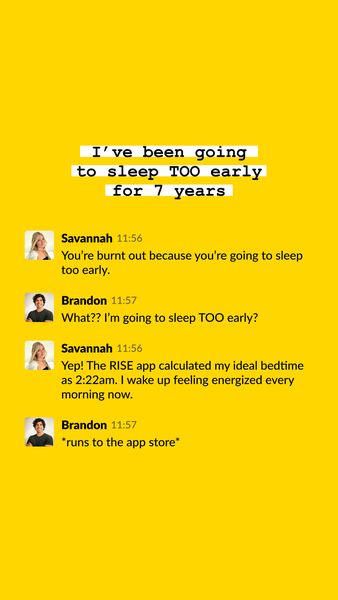
A confession hook starts the ad with an admission: something the speaker did, believed or avoided, usually in the first person and often a bit awkward. 'I wasted months on the wrong routine' or 'I never told anyone I did this' are the pattern. The tactic works because it lowers the viewer's guard. A person confessing does not sound like a sales pitch, so the ad gets a hearing before the product appears. It sits close to storytelling and relatability, but its device is the admission itself.
When to use the Confession Hook
- You are using creator or founder footage and want the first line to sound like a person talking, not like a brand.
- The product replaced a mistake, a shortcut or an expensive habit, and the speaker can describe that mistake plainly.
- Your category has trust problems, such as supplements or software subscriptions, and honesty about the past helps the viewer relax.
- You want an angle for your creative brief that comes from customer language, using what real buyers say they got wrong at the start.
- You are building a series of UGC variations and need openers that differ in tone from the usual question or claim.
Confession Hook best practices
Confess something small and real
A believable admission is specific and low stakes: a habit, a purchase, a shortcut. A huge dramatic confession reads as staged. The viewer should be able to picture themselves in the same position.
Say it in the first person and in the first line
Open with 'I' and the admission itself, before any set-up. The hook is the confession, so do not bury it under an introduction or a greeting.
Let the product be the way out
A confession needs a turn. After the admission, show what changed and how the product played a part, so the ad moves from embarrassment to resolution and does not stall on the awkward moment.
Keep the delivery unpolished
A shaky selfie take or a plain text card suits the tactic better than a glossy studio set. Polish tells the viewer the line was written by an agency, which weakens the admission.
Do not invent the story
If the confession is made up and presented as a real customer's, it breaks trust and may break advertising rules. Base it on actual customer accounts or on the team's own experience.
Brands using the Confession Hook
Niches with the most Confession Hook ads
Related formats
Related niches
Confession Hook: frequently asked questions
What is a confession hook?
It is an opening that admits something personal or embarrassing, such as a past mistake or a secret habit. The admission is the hook, and the rest of the ad explains what changed.
Why do confession hooks feel different from a normal pitch?
Someone admitting a flaw sounds like a person, not an advertiser. That tone gets the ad read or watched before the viewer has decided to ignore it, which is the job of any hook.
What is the difference between a confession and storytelling?
Storytelling opens on a character and what happened, and it can be told about anyone. A confession is first person and centres on what the speaker admits, so the emotional pull comes from the admission, not from the plot.
Are confession hooks only for video?
No. They work on a static too, as a headline or a text card styled like a note or message. The first line still needs to be the admission, written plainly and in the first person.
Where can I see confession hooks in competitor ads?
The gallery above lists ads whose opening was tagged as a confession. Filter by niche on the related pages to see how a skincare brand and a software tool each phrase the same kind of admission.