
62 Shocking Statement Hook Ad Examples
A shocking statement hook opens on a surprising or provocative line that the viewer did not expect to read. Browse real ads below, then see how to use the jolt without losing trust.
Niche
Format3 selected
Brand
SortNewest
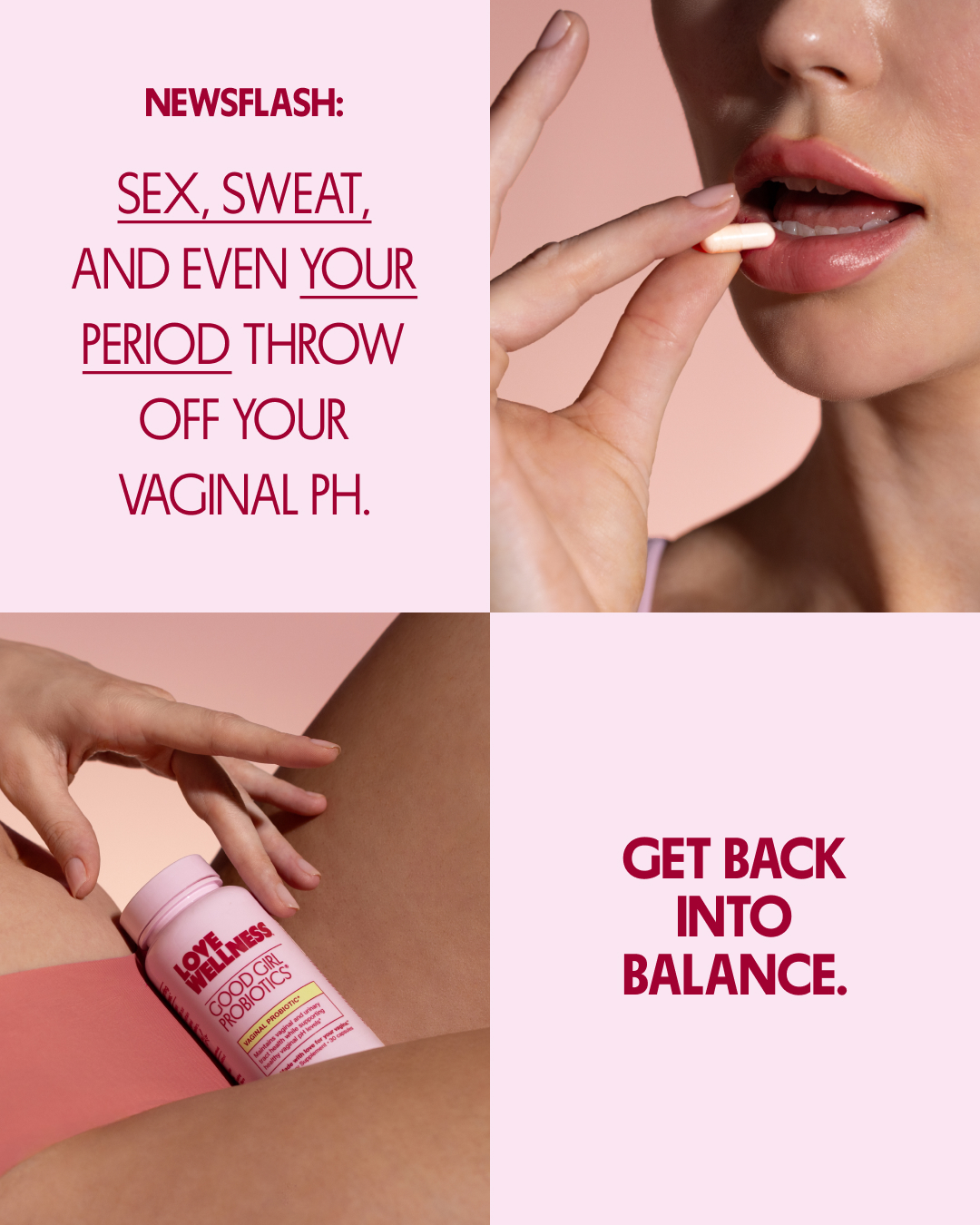


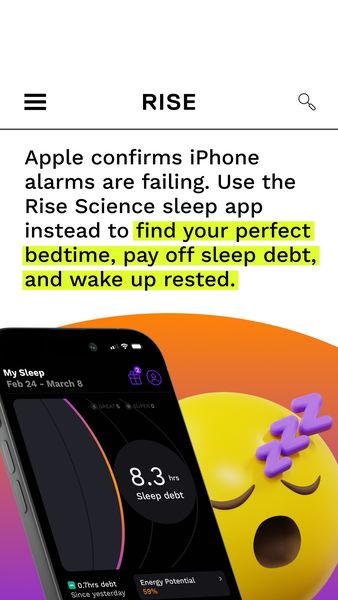

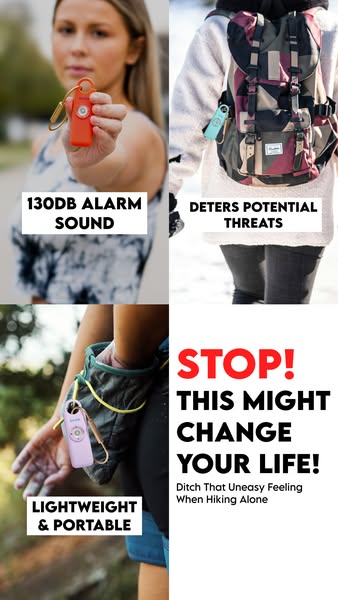
Top visual formats for Shocking Statement Hook ads
Top brands running Shocking Statement Hook ads
What is the Shocking Statement Hook?
A shocking statement hook is an opening line, in the first three seconds of a video or the headline of a static, that is surprising or provocative enough to stop the scroll. It does not explain or ask. It states something that sits badly with what the viewer assumed, such as a blunt claim about a habit, a product category or an everyday object. The statement only works as a hook if the rest of the ad pays it off, so the shock is the entry point and the product is the answer to the discomfort it creates.
When to use the Shocking Statement Hook
- Your category is crowded and the polite openers in competitor ads all look alike, so a sharper first line is a way to stand apart.
- You have a fact about your product or its alternatives that is true and uncomfortable, and you can show where it comes from.
- You are testing new angles in a brief and want a hook that separates cold viewers quickly: some lean in, some leave.
- The ad can deliver the explanation within a few seconds, so the shock turns into curiosity and not into confusion.
- Your audience is used to being sold to and ignores gentle copy, as with skincare, supplements and personal finance apps.
Shocking Statement Hook best practices
Make the line something you can defend
A shocking statement that falls apart on the second sentence costs trust and gets reported. Write the line from something true about the product or the category, and keep the proof close enough that the viewer meets it quickly.
Aim the shock at a situation, not at the viewer
Provoke with the habit, the industry or the old way of doing things. A line that insults the person watching ends the ad early, while one that surprises them about their own routine keeps them reading.
Pay it off within the first few seconds
Once the viewer has stopped, they need a reason to stay. Follow the statement with the explanation or the demo right away, so the ad reads as one idea and not as bait.
Put the line where it is read first
On a static, make the shocking line the largest text on the creative. On video, say it in the first second and show it in text too, because many people watch without sound.
Test it against a calmer version of the same angle
Run the provocative opener next to a plain statement of the same point. Compare how each is received in your own account, and check the comments for confusion or complaints, not only the clicks.
Brands using the Shocking Statement Hook
Niches with the most Shocking Statement Hook ads
Related formats
Related niches
Shocking Statement Hook: frequently asked questions
What is a shocking statement hook?
It is an opening line that is surprising or provocative, designed to interrupt the scroll. It sits in the first frame or first three seconds of a video, or in the headline of a static ad, and the rest of the ad explains it.
How is a shocking statement different from a bold claim?
A bold claim is a big, confident promise about what the product will do. A shocking statement is meant to jolt the viewer with something unexpected, and it may not be about the product's promise at all, for example a blunt remark about a common habit.
Can a shocking statement hurt my brand?
It can if the line is untrue, cruel or unrelated to the product. Keep it tied to something you can support, avoid mocking people, and read your ad against the platform's advertising policies before you publish.
What kinds of products suit this hook?
Products that fix a problem people have normalised do well with it, such as home items, health and wellness, finance tools and software. Products bought on feeling alone, like gifts, usually suit a softer opener.
How do I find shocking statement examples to study?
Use the gallery above, which collects ads whose first line was tagged as a shocking statement. Open a few from the same niche, read how the follow-up lines pay off the opener, and use them as inspiration for your own brief.