
26 UGC Selfie Ad Examples
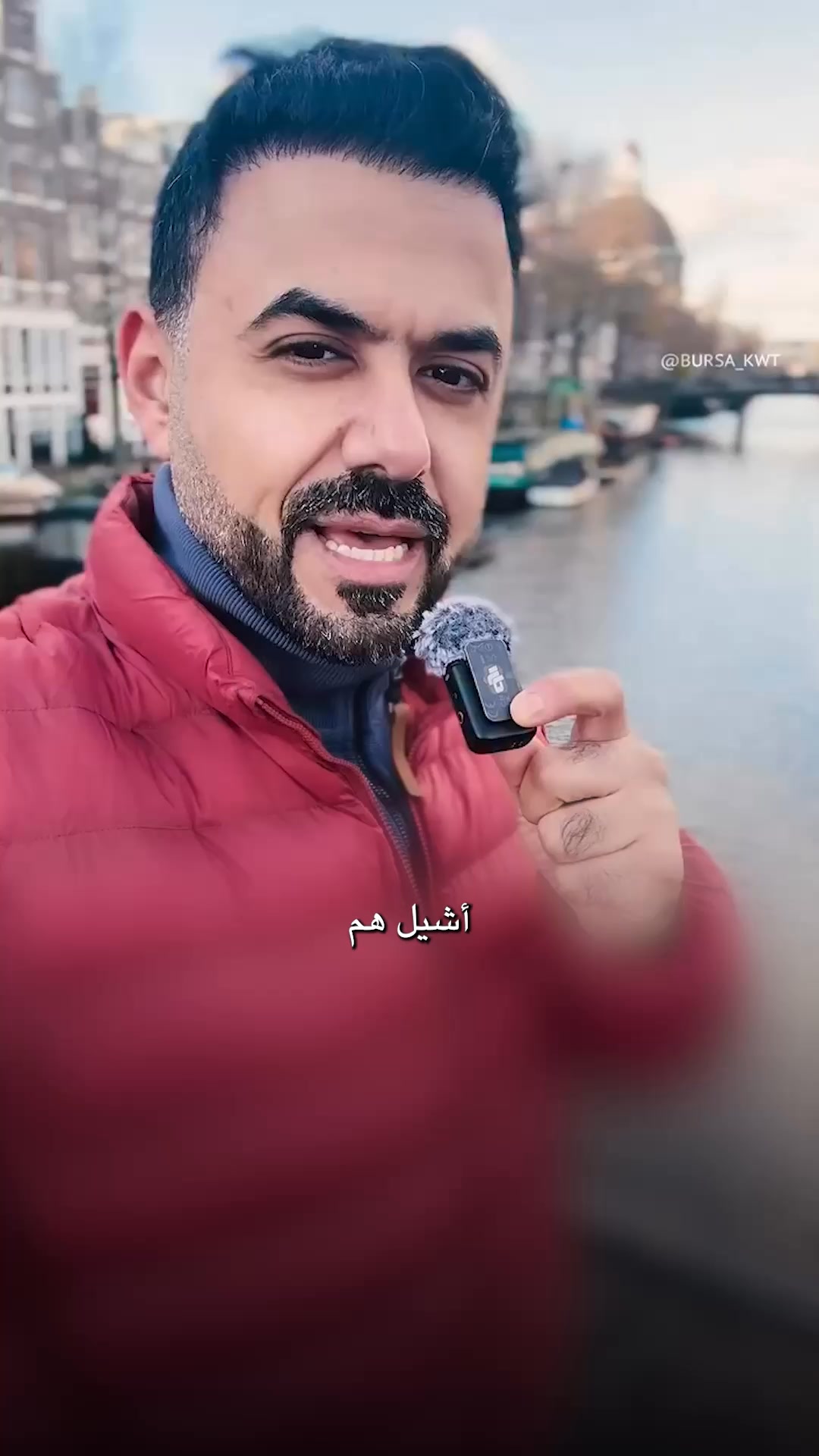
UGC selfie ads show a creator holding the phone and talking straight to the camera, as in a story or a video call. Browse the examples below, then read how to brief and film one.
Niche1 selected
Hook
Brand
SortNewest


Top hook tactics in UGC Selfie ads
Top brands running UGC Selfie ads
What are UGC Selfie ads?
A UGC selfie ad is a video where a creator films themselves at arm's length, front camera on, and speaks straight to the viewer. The framing is the same as an ordinary post or story, so the ad sits in the feed without looking like an ad. The person might hold the product, react to it, tell what happened when they tried it, or simply talk about the problem it solves. Light is natural, the background is a real room or a car, and the script sounds like speech rather than copy. It is the most common shape of user generated content in the ad library, and the one buyers usually mean when they ask for UGC.
When to use UGC Selfie ads
- You want the ad to look like something a friend posted, so it holds its place in a feed full of polished brand creative.
- Your product has a story that sounds better said out loud than written, such as a before and after in someone's own words.
- You are testing many hooks and angles and need cheap variations: the same product with a new first line is a new ad.
- You sell to a cold audience that has never heard of the brand and needs a human face to trust before it trusts a logo.
- You work with creators or customers and can brief them on a few points instead of handing over a full script.
UGC Selfie ad best practices
Spend the first line on the hook
The opening seconds decide whether anyone stays. Start on the problem, a claim or a question, said straight to camera, before you introduce yourself or the product.
Film on a phone, in real light
Window light and a steady arm look native. Ring lights, tripods and sets push the video toward looking made. Keep the framing tight enough that the face and the product are both clear.
Brief the points, not a script
Give the creator the problem, the proof and the one thing to show, then let them put it in their own words. Read-aloud copy is easy to spot and breaks the selfie feel.
Show the product doing something
Hold up the product or cut to it while the person talks. A face alone is a vlog; a face plus the product in use is an ad the viewer can judge.
Caption it for sound off
Many people watch without sound. Burn in captions that match the speech so the hook lands on mute, and keep them clear of the bottom edge, where the feed covers them.
Brands running UGC Selfie ads
Niches with the most UGC Selfie ads
Related formats
Related niches
UGC Selfie ads: frequently asked questions
What is a UGC selfie ad?
A UGC selfie ad is a short video in which a creator, customer or team member films themselves with the front camera and talks to the viewer. It borrows the look of an ordinary social post so it reads as a recommendation, not a commercial.
How is a UGC selfie ad different from other UGC ads?
UGC covers any content made by a person rather than a studio, including unboxings, hauls and screen recordings. The selfie version is the one where the person's face and voice carry the whole ad, held at arm's length. Other UGC styles may never show the creator at all.
Do I need a creator or can my own team film it?
Either can work. A creator brings an audience-like voice and ease on camera, and a customer brings real experience. A team member can film in the same style when the message is simple. What matters is that it sounds like speech and shows the product.
How long should a UGC selfie ad be?
Long enough to make one point. Many are short, with the hook first and the ask last. Check the examples above to see how competitors pace theirs, then test a shorter and a longer cut of the same take.
Where can I find UGC selfie ad examples to study?
The gallery above collects UGC selfie ads from real brands in the ad library, newest first. Open a few in your niche, note the first line of each and write the hooks into your brief. You can also ask Claude or ChatGPT to search the library and summarise the patterns.