
39 Nostalgia Ad Examples
Nostalgia ads borrow the look, sound or references of an earlier era so a product feels familiar. Browse the real examples below, then see how brands use the past to sell something new.
Nostalgia ads
39 ads · longest-running first
Niche, opens with the trial
- Beauty and Personal Care9
- App and Software7
- Fashion4
- Electronics and Tech3
- Entertainment and Media3
- Retail and Marketplace3
- Home and Garden2
- Education1
- Finance and Fintech1
- Food and Beverage1
- Games and Toys1
- Health and Fitness1
- Automotive
- Consumer Goods
- Footwear
- Healthcare
- Jewelry and Watches
- Kids and Baby
- Local Services
- Other
- Pets
- Real Estate
- Services
- Sports and Outdoor
- Supplements
- Travel and Travel Accessories
Hook, opens with the trial
Brand, opens with the trial
SortLongest running, opens with the trial
Winning means kept running: brands rarely keep paying for ads that lose.
39 ads
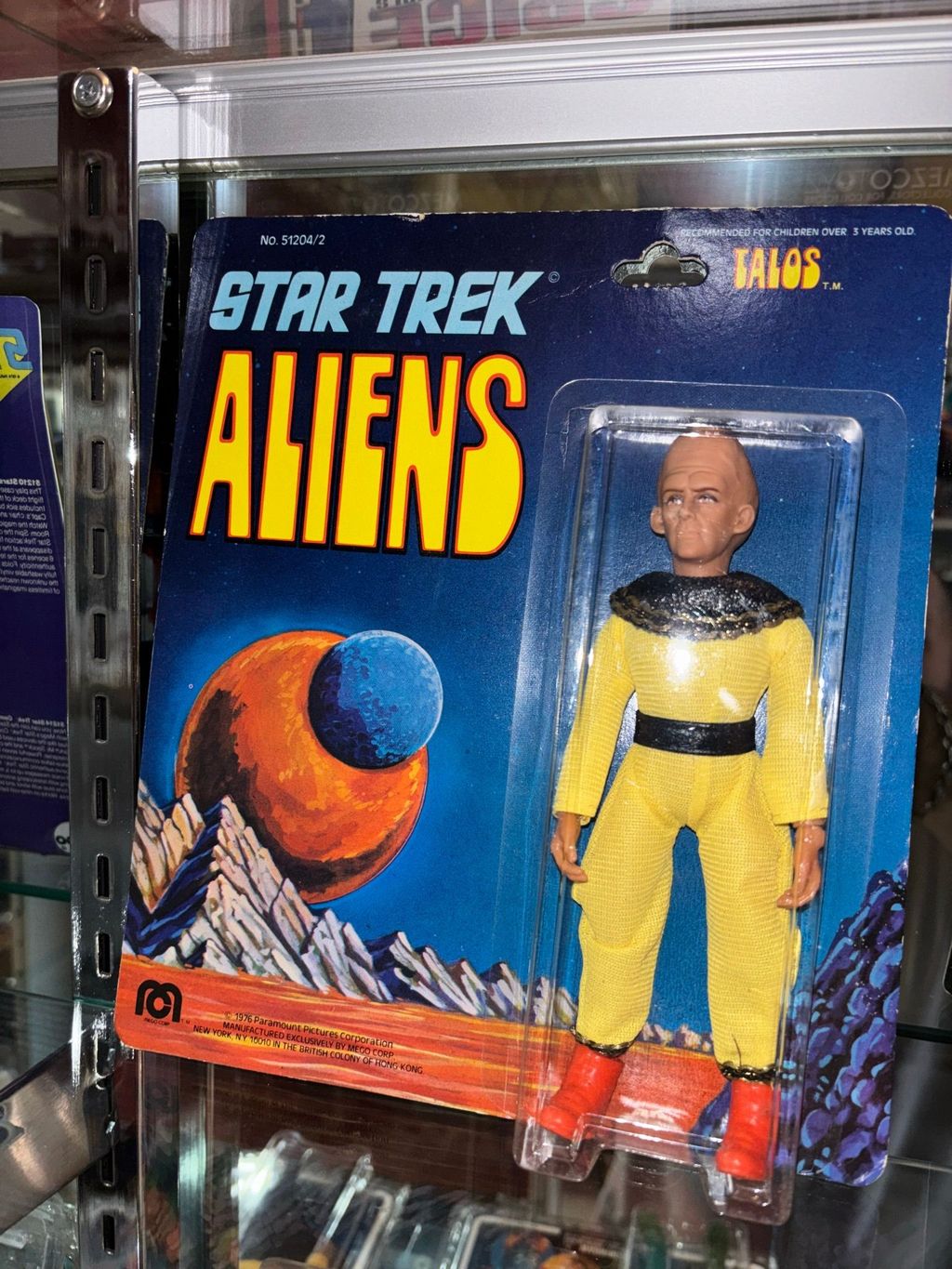
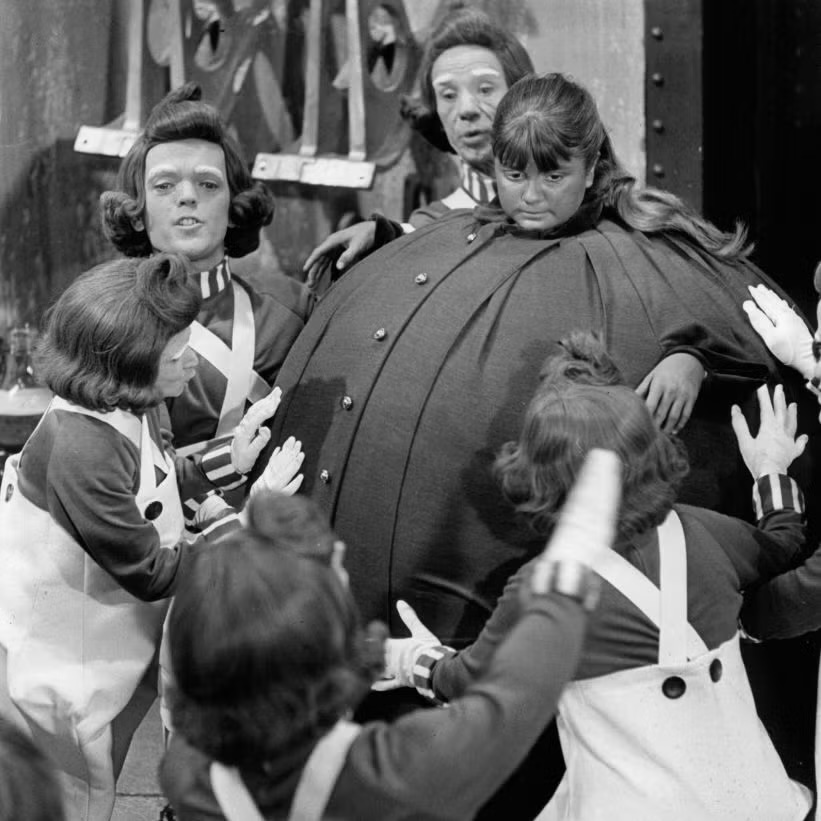
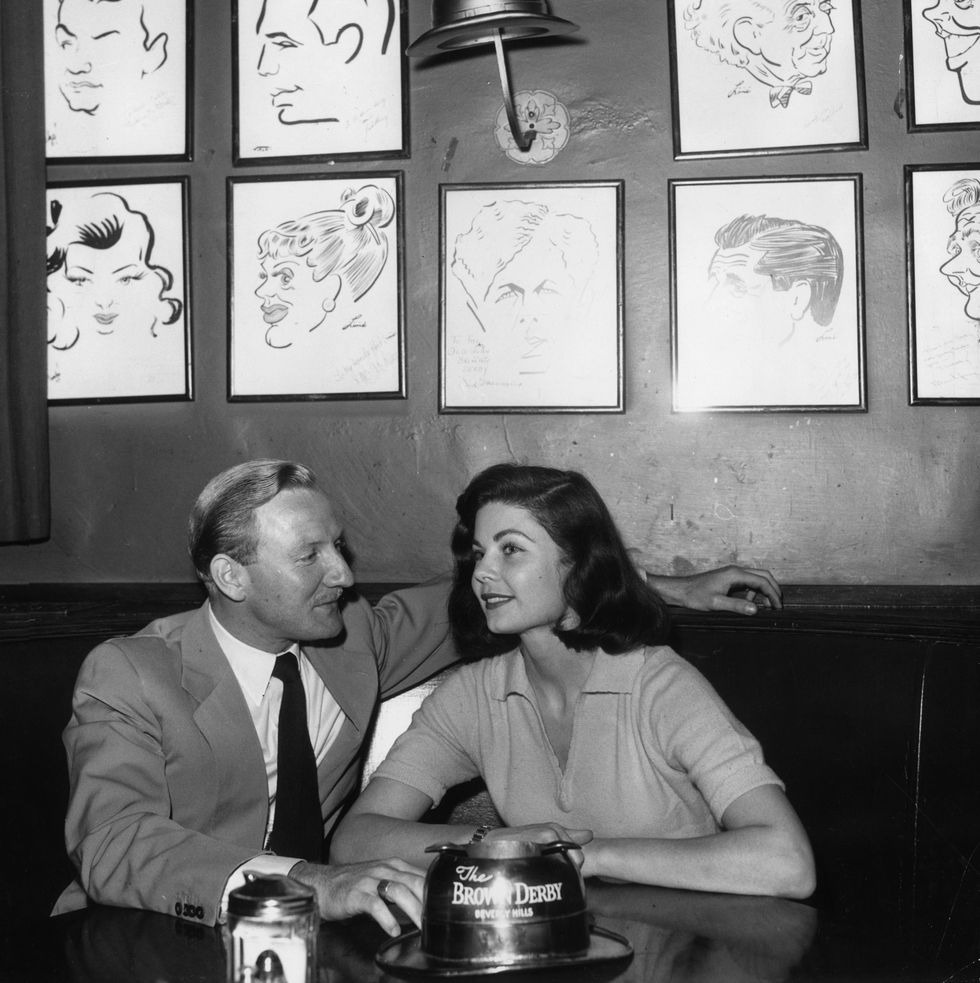

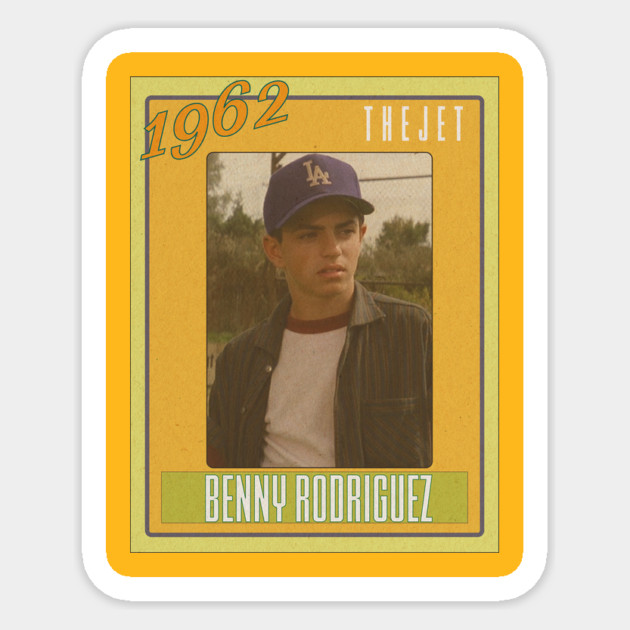
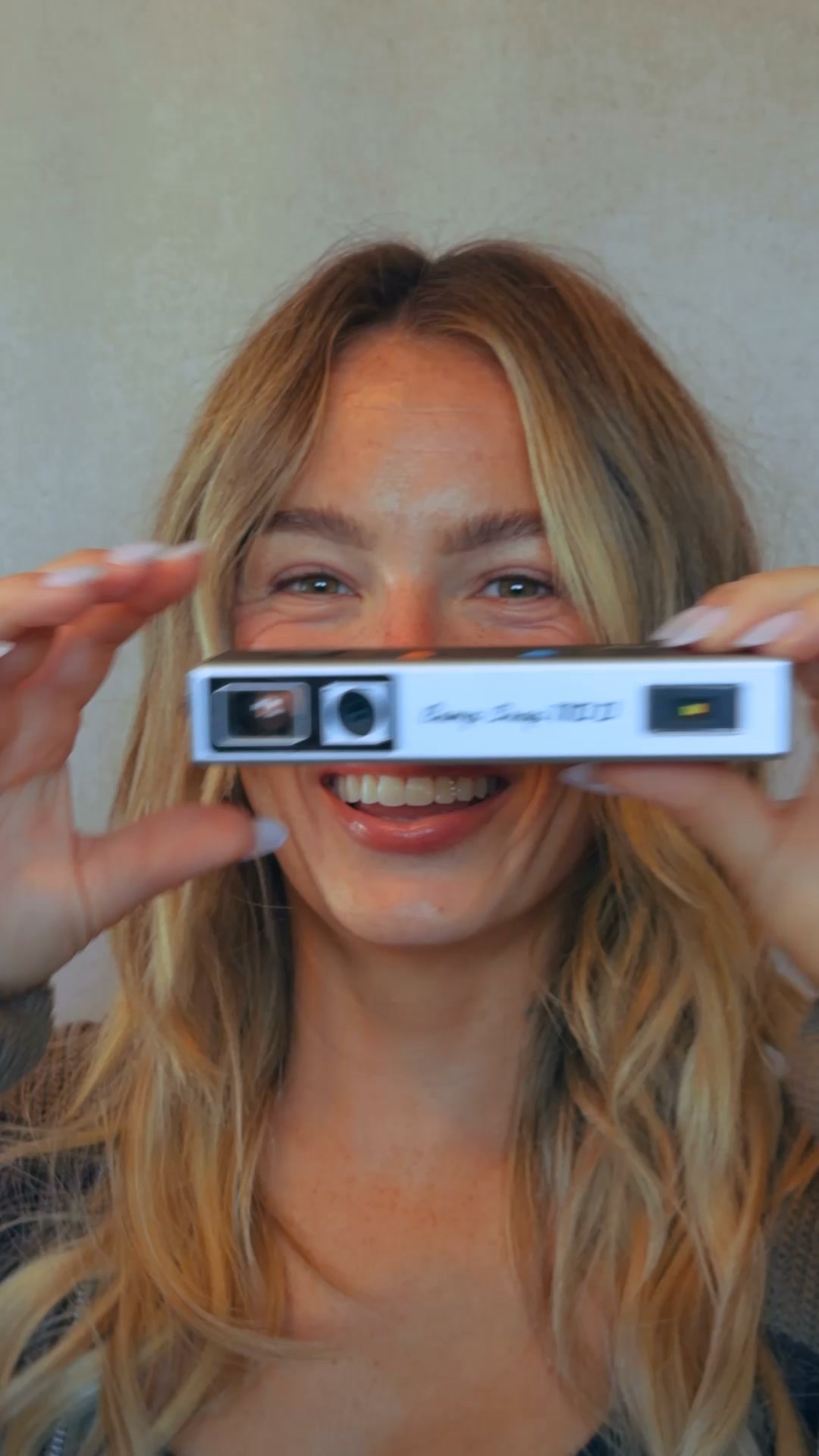
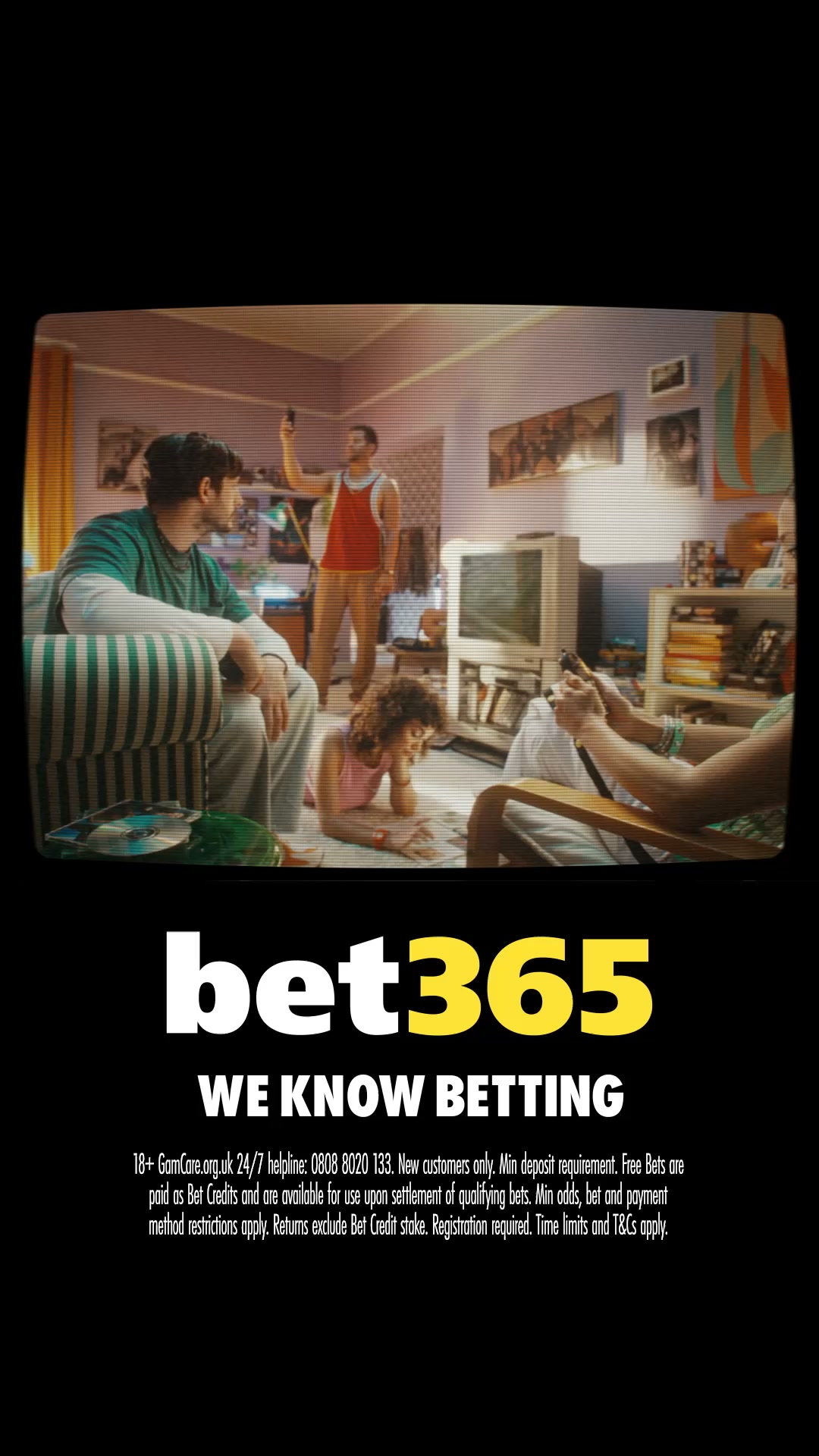
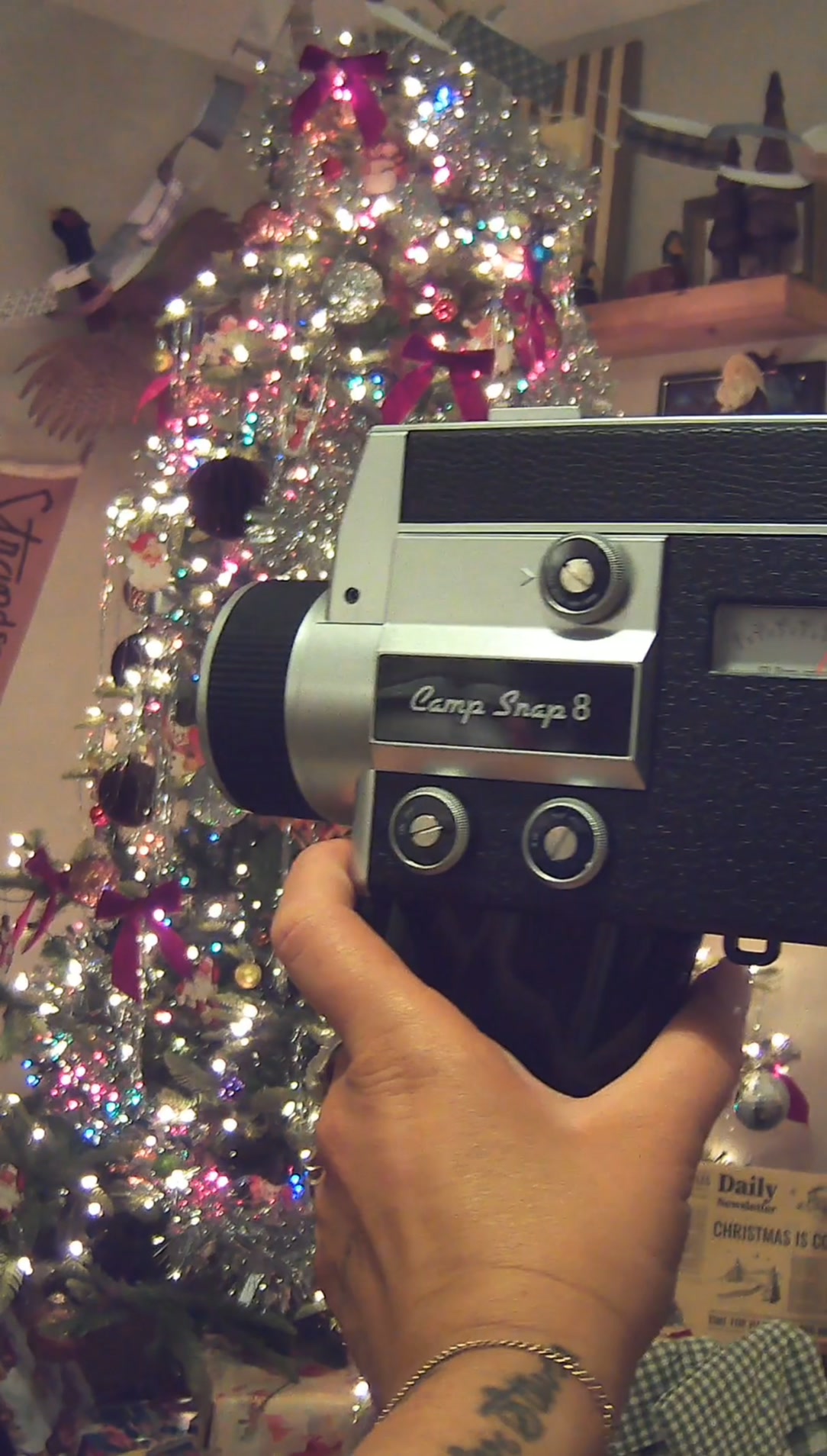
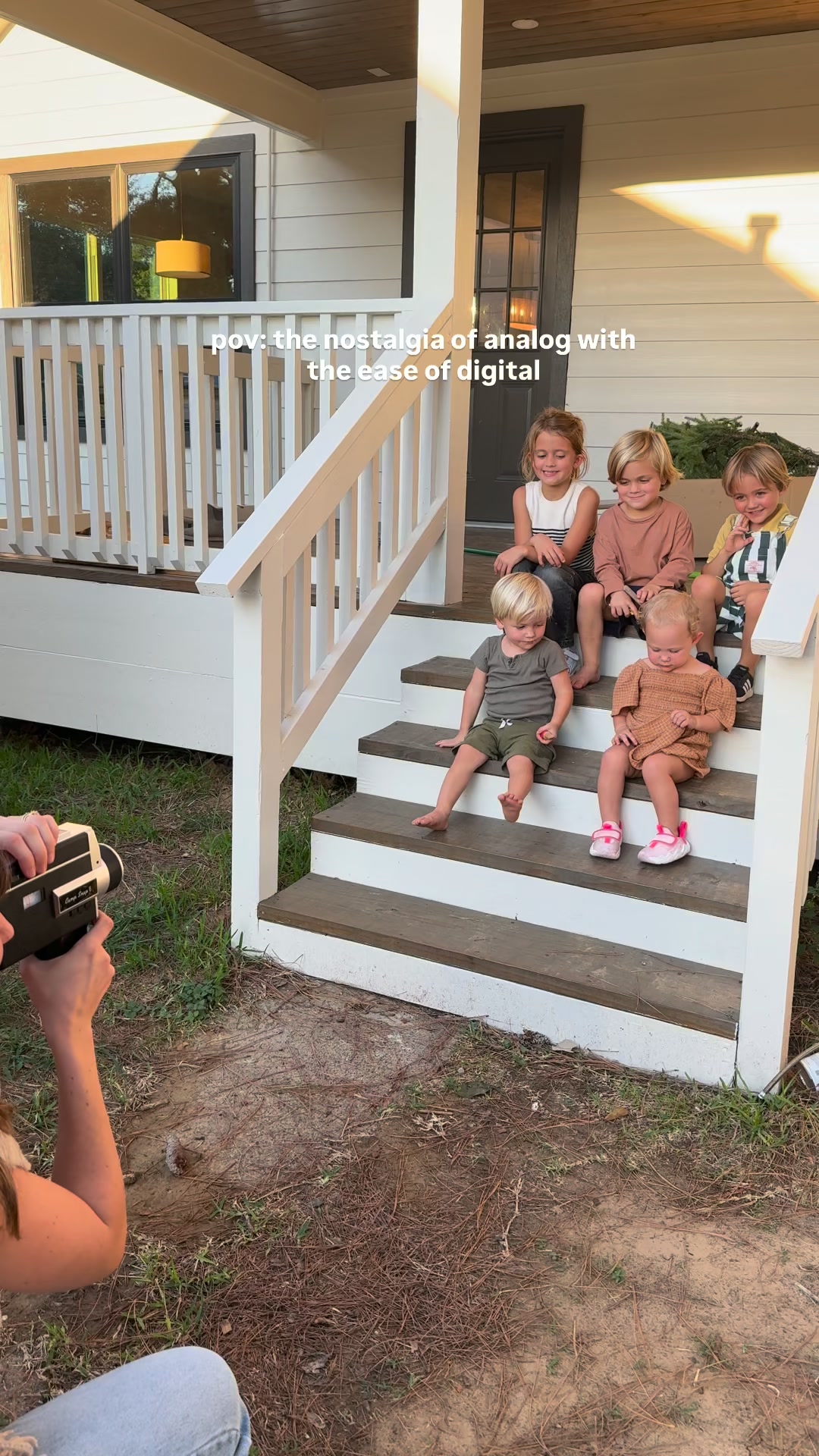
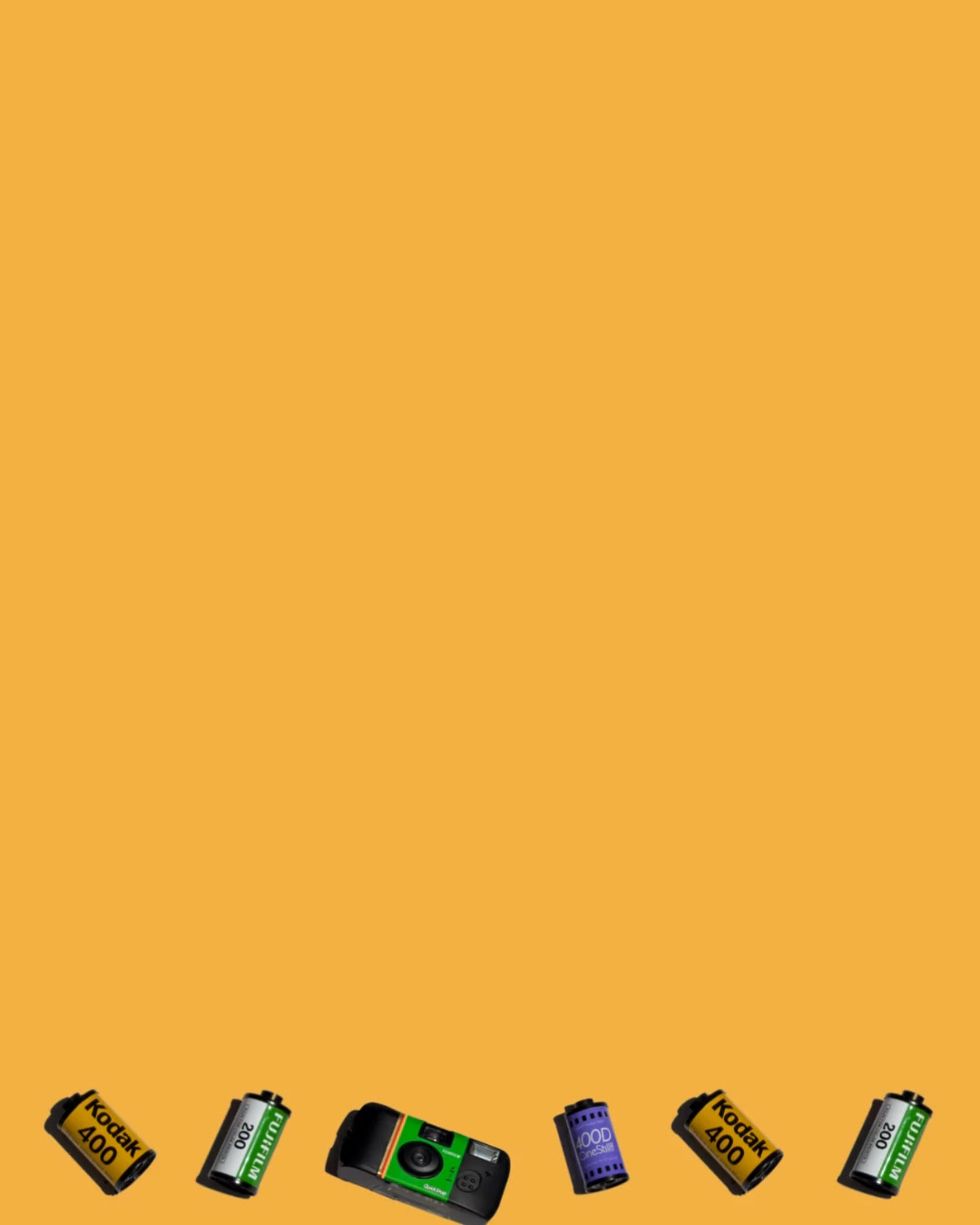
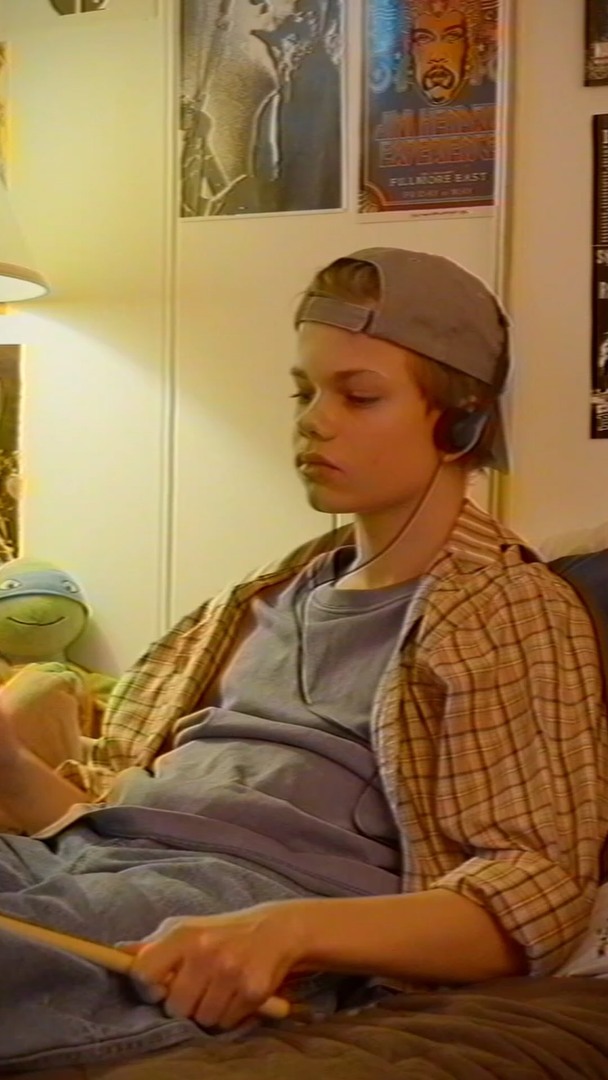
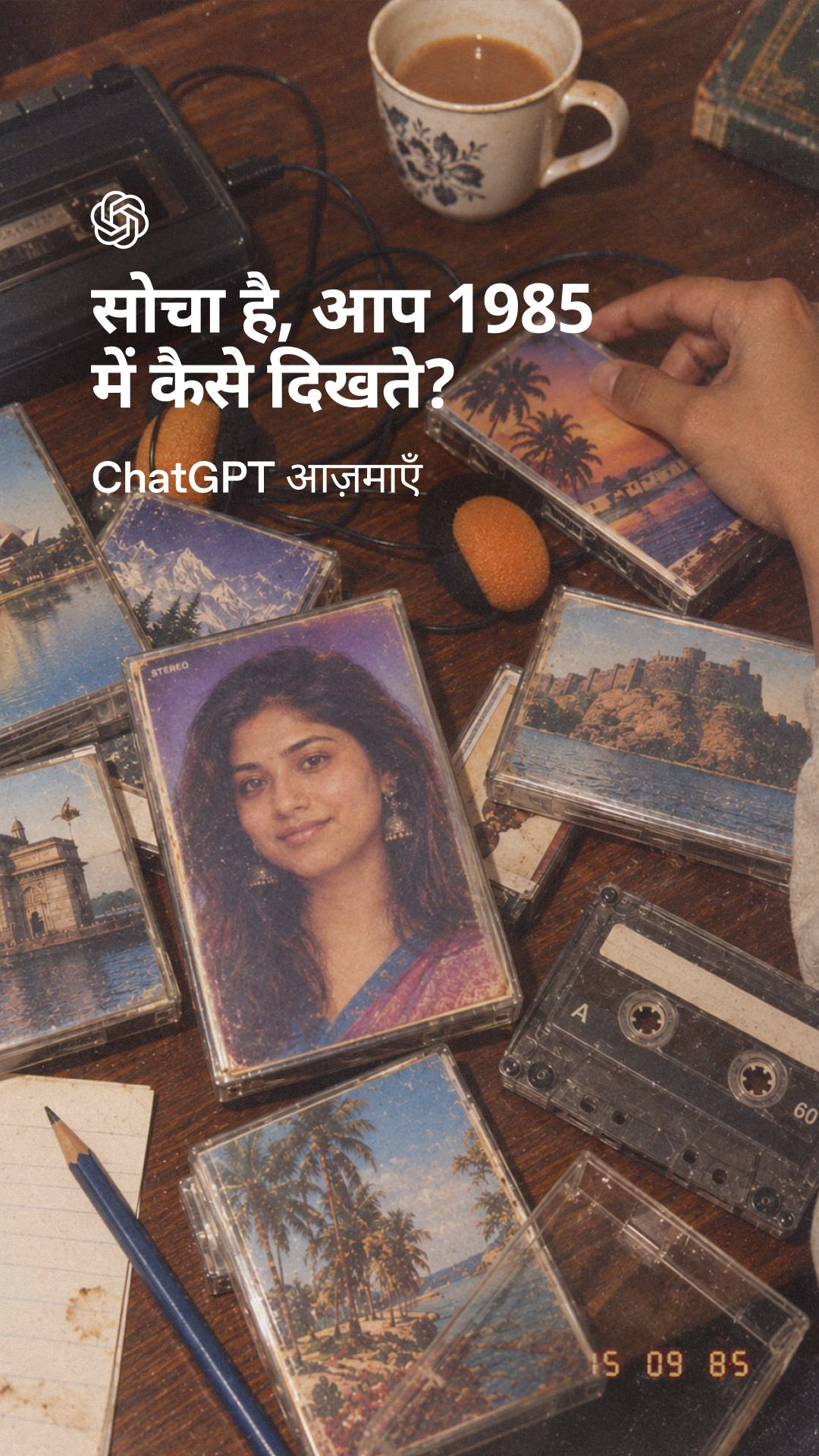
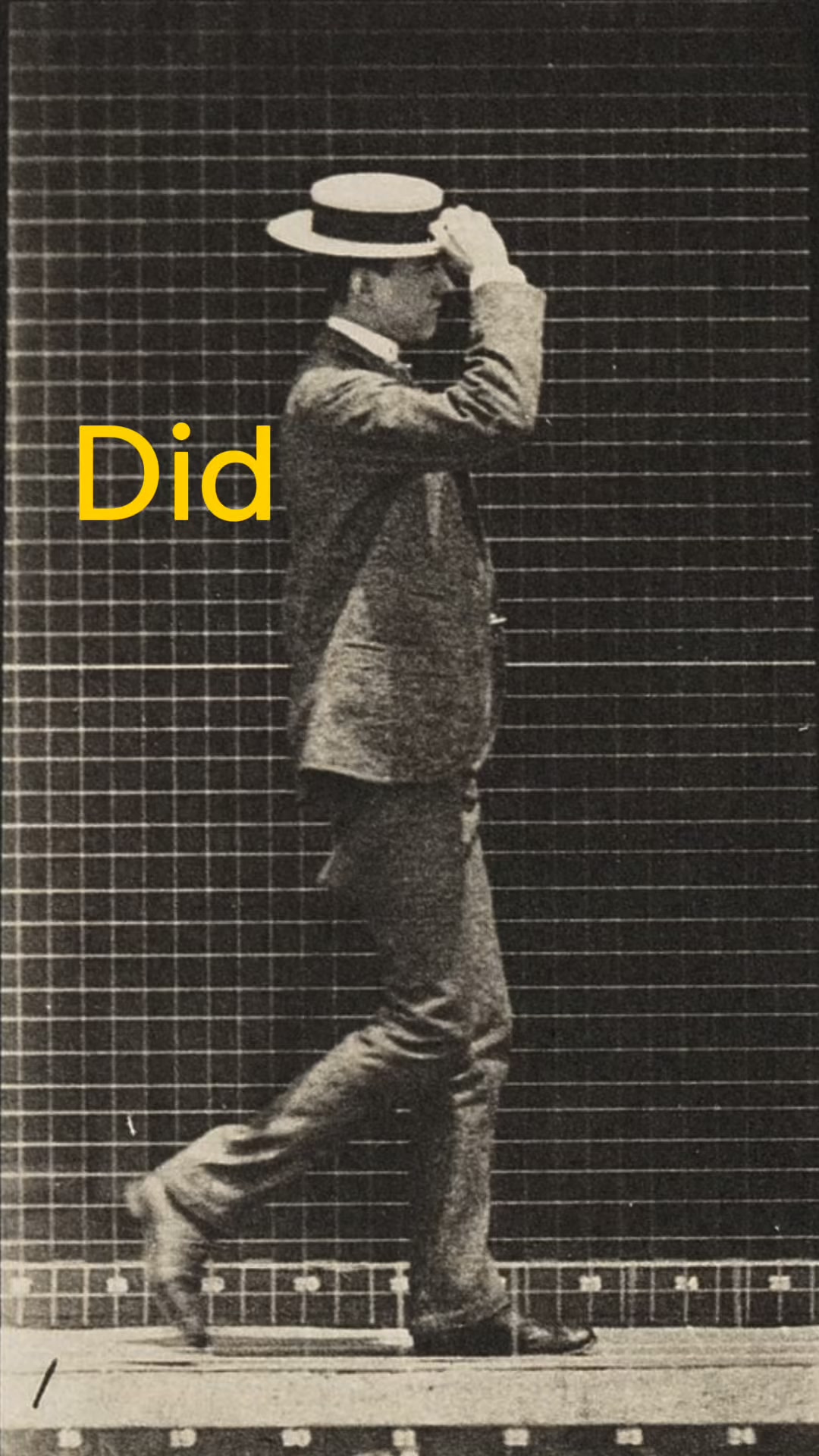
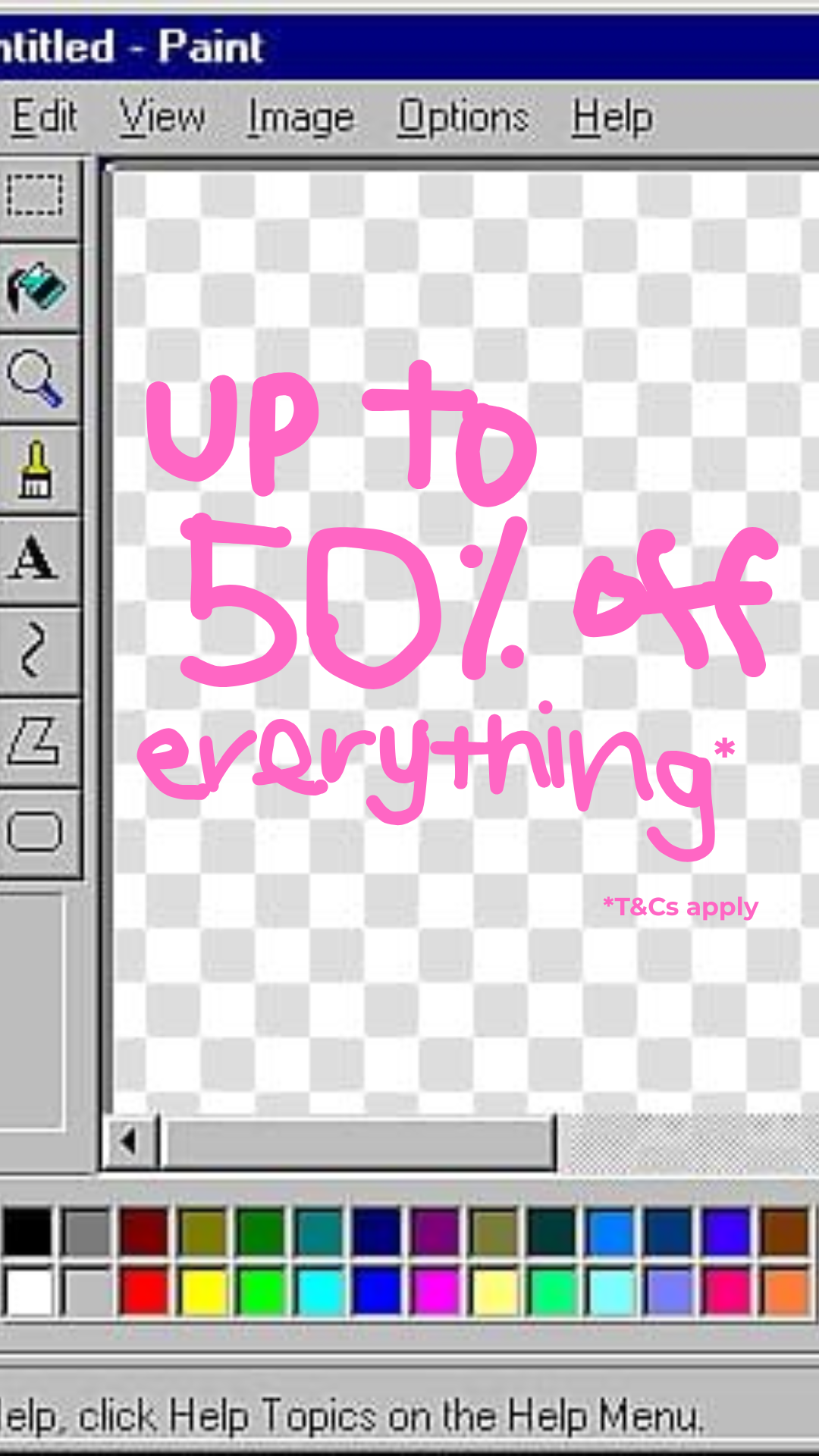
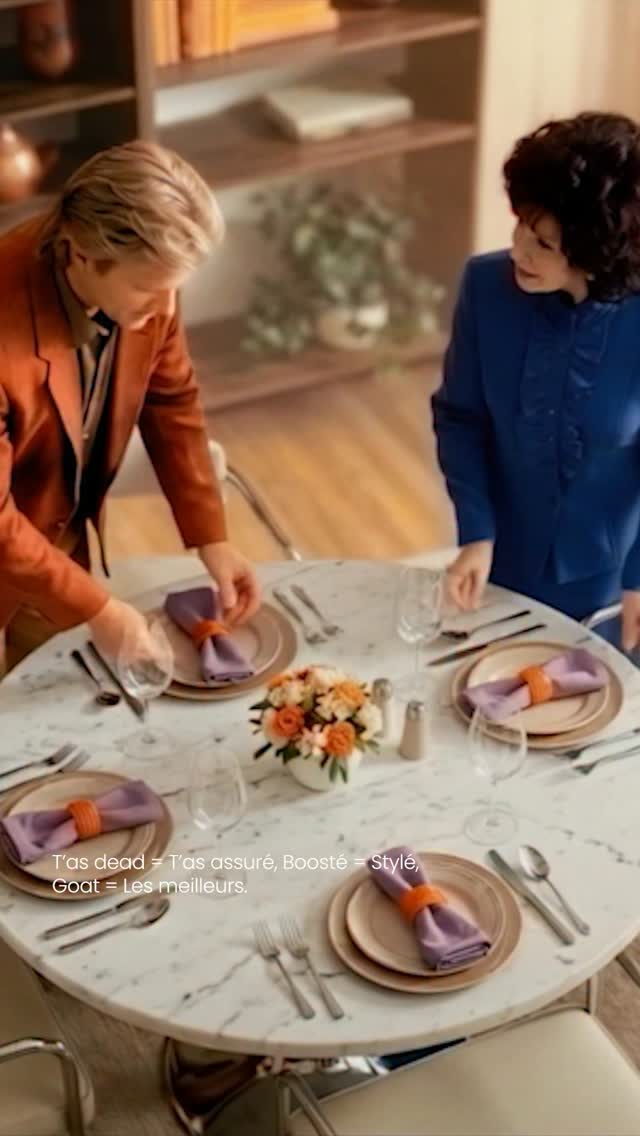
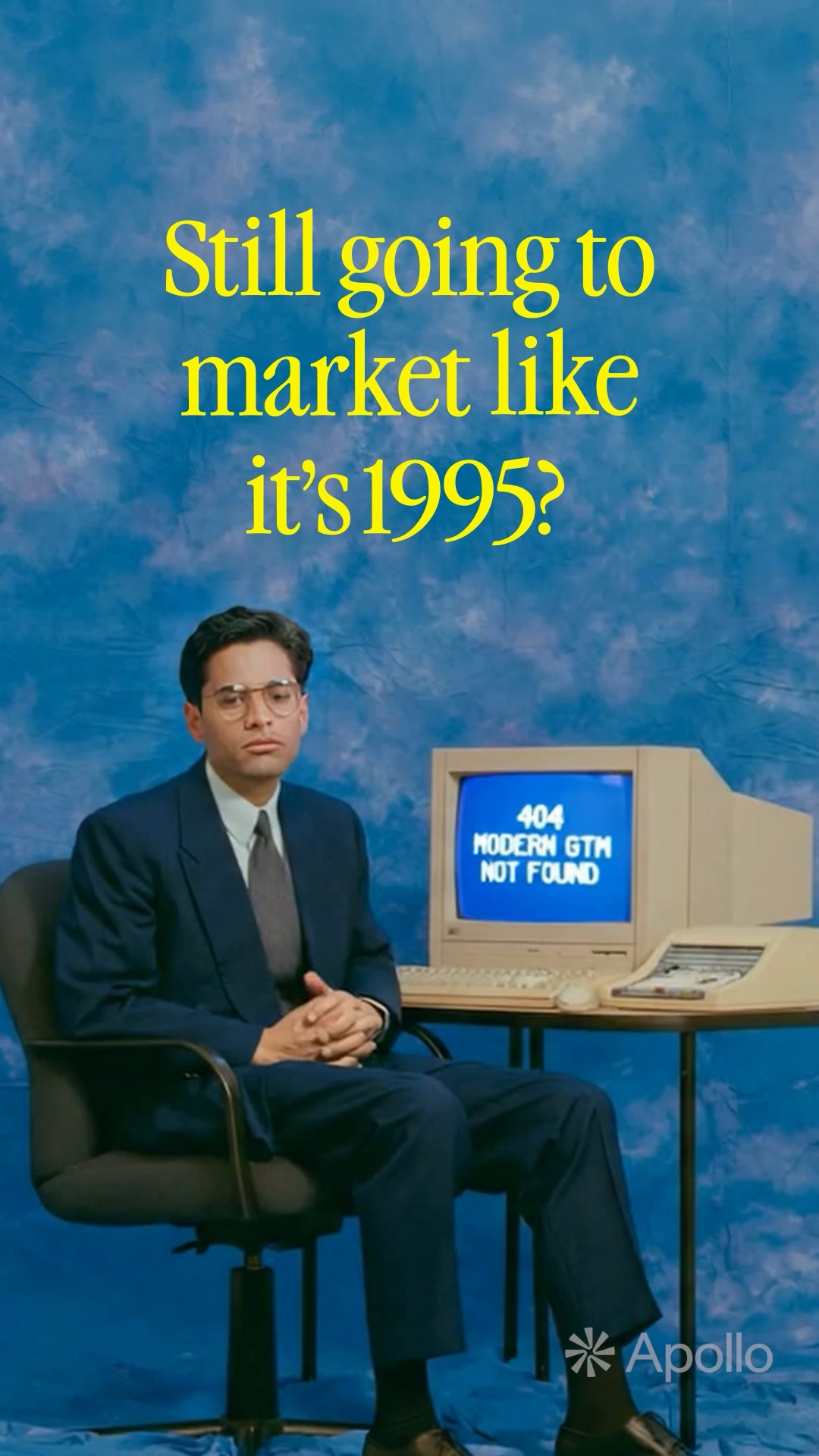
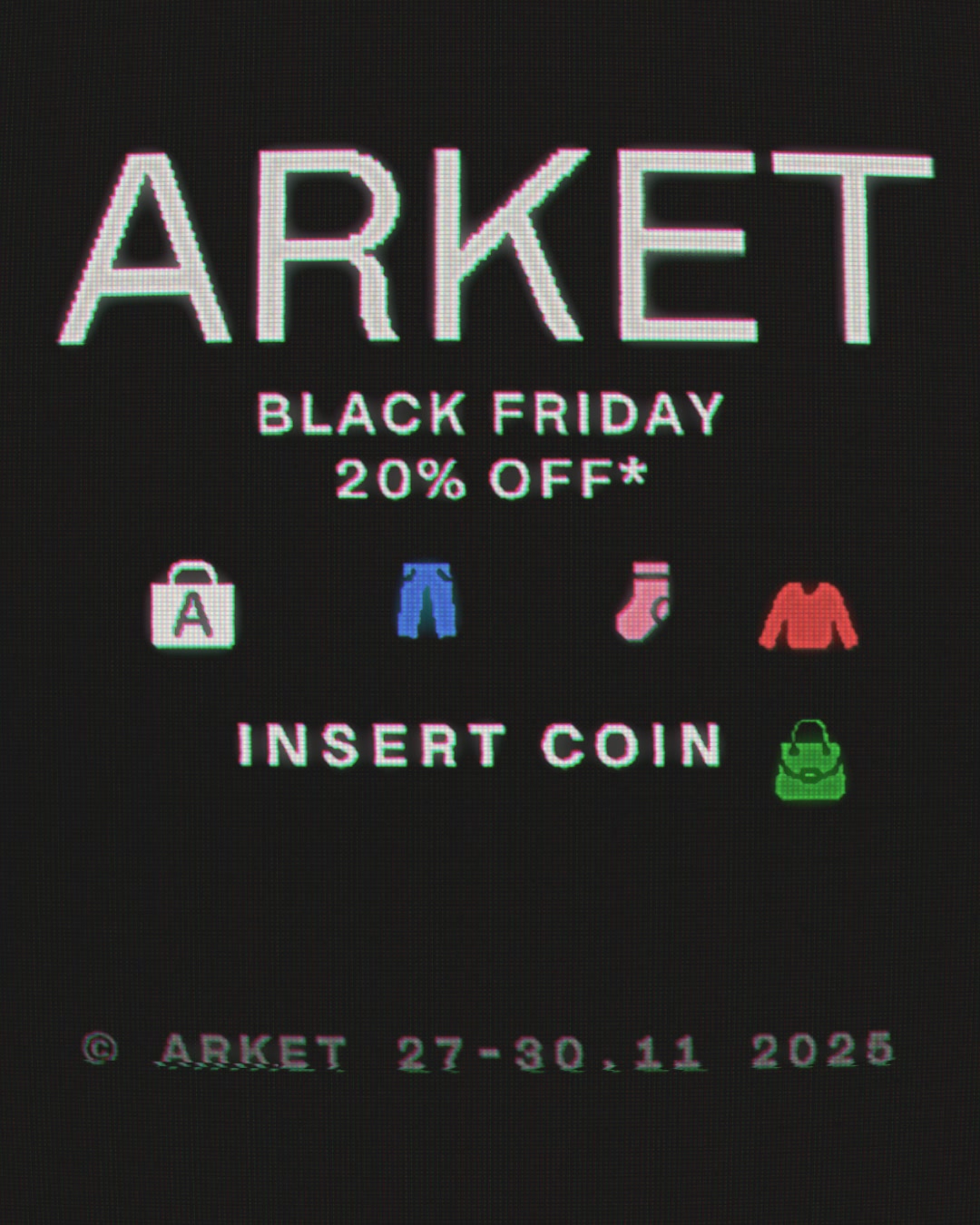
- Ads
- 39
- Top niche
- Beauty and Personal Care
- Top hook tactic
- Question
- Most ads from
- Harry's
- Longest run
- 219 days
How this format is built
Anatomy of a Nostalgia ad
A nostalgia ad uses the look or sound of an earlier era as the creative: a retro layout, an old interface, a throwback photo, a toy or a song people remember from childhood. The viewer feels recognition before they read the message, and that warm feeling attaches to the product. As a visual format it is about the era the ad evokes, not the age of the brand. It is different from a trend ad, which rides something happening now, and from a heritage ad that tells a company's history. Brands use it to sell products with a sentimental pull, to refresh something old or to make a new product feel trusted from the first frame.
Be specific about the era
A general retro look is easy to ignore. Name the decade through its fonts, colours, devices or packaging, so the right viewer recognises it at once.
Match the reference to the buyer
A throwback only works for people who lived it. Check the age of your audience before choosing which decade to borrow from.
Connect the past to the product
The old reference should lead to something the product does today. Without that link, the ad is a pleasant memory with no reason to click.
Keep the craft convincing
A retro look done carelessly reads as a costume. Use real period details, such as the right type, texture and aspect ratio, so the effect feels earned.
Respect the source
Borrowing a recognisable character, song or brand name can raise rights questions. Use original assets built in the style of the period unless you hold the licence.
It is a Nostalgia ad when
- The look or sound comes from an earlier era: a retro layout, an old interface, a throwback photo, a toy or a song.
- The era is one the buyer will recognise, so recognition comes before the message.
- The past is used as a style, not told as the brand's own history.
Near misses
- A sound, challenge or template moving on the platform right now is a trend.
- An old meme template rewritten for the product is a meme, unless the ad leans on the era itself.
- A modern photo with film grain or a faded filter, and nothing else from a past era, is still a lifestyle image or a studio shot.
Quick test
Would the ad lose its point if it were set in the present day?
Related formats and niches
Ask your AI agent about Nostalgia ads
Claude or ChatGPT searches the 39 Nostalgia ads here and answers with real ads: the hooks, the niches and the brands that kept them running.
Pull the longest-running Nostalgia ads and their hooks
Ranked by how long the brand kept them running on Meta
Write five hooks for my product from these Nostalgia ads
Each with the real ad it learned from
How does Harry's build its Meta ads?
Formats, hooks and offers across its 7 ads here
Questions about Nostalgia ads
- What is a nostalgia ad?
- A nostalgia ad is an ad that uses the look, sound or references of an earlier era to make a product feel familiar. The viewer recognises something from their past and carries that feeling over to the brand.
- Do nostalgia ads only work on older audiences?
- Not only. Each age group has its own throwbacks, and younger audiences respond to references from their own childhood. The key is that the era you choose is one your buyer actually remembers.
- How is a nostalgia ad different from a trend ad?
- A nostalgia ad looks back to a past era, while a trend ad rides something happening now, such as a current sound or template. They can meet when a trend itself revives an older style.
- Is it safe to use old songs or characters in an ad?
- Not without a licence. Many brands build original assets in the style of the period instead, which gives the same feeling without the legal risk. Check rights before you use a recognisable name or track.
- Where can I find nostalgia ad examples?
- The gallery above shows nostalgia ads collected from real Facebook and Instagram advertisers. Sign in to search and read the copy of the first 20 ads of every list, or start the 7-day trial to open every ad and ask your AI agent to pull examples for your niche.
- What is the difference between Nostalgia ads and Trend ads?
- A trend ad rides something happening on the platform now, a sound or a challenge that will fade. A nostalgia ad borrows the look or sound of an earlier era, and its pull is that the viewer remembers it.
- What is the difference between Nostalgia ads and Meme ads?
- A meme ad reuses a template people know and rewrites the joke for the product, whatever the template's age. A nostalgia ad is about the era itself: the retro look, the old interface or the song that takes the viewer back.