
49 Press Ad Examples
Press ads show media logos, headlines or quotes to borrow trust from outlets the viewer already knows. Browse the examples below, then read how to use coverage without overreaching.
Press ads
49 ads · longest-running first
Niche, opens with the trial
- Supplements19
- Beauty and Personal Care13
- App and Software3
- Food and Beverage3
- Footwear3
- Fashion2
- Kids and Baby2
- Finance and Fintech1
- Healthcare1
- Jewelry and Watches1
- Retail and Marketplace1
- Automotive
- Consumer Goods
- Education
- Electronics and Tech
- Entertainment and Media
- Games and Toys
- Health and Fitness
- Home and Garden
- Local Services
- Other
- Pets
- Real Estate
- Services
- Sports and Outdoor
- Travel and Travel Accessories
Hook, opens with the trial
Brand, opens with the trial
SortLongest running, opens with the trial
Winning means kept running: brands rarely keep paying for ads that lose.
49 ads
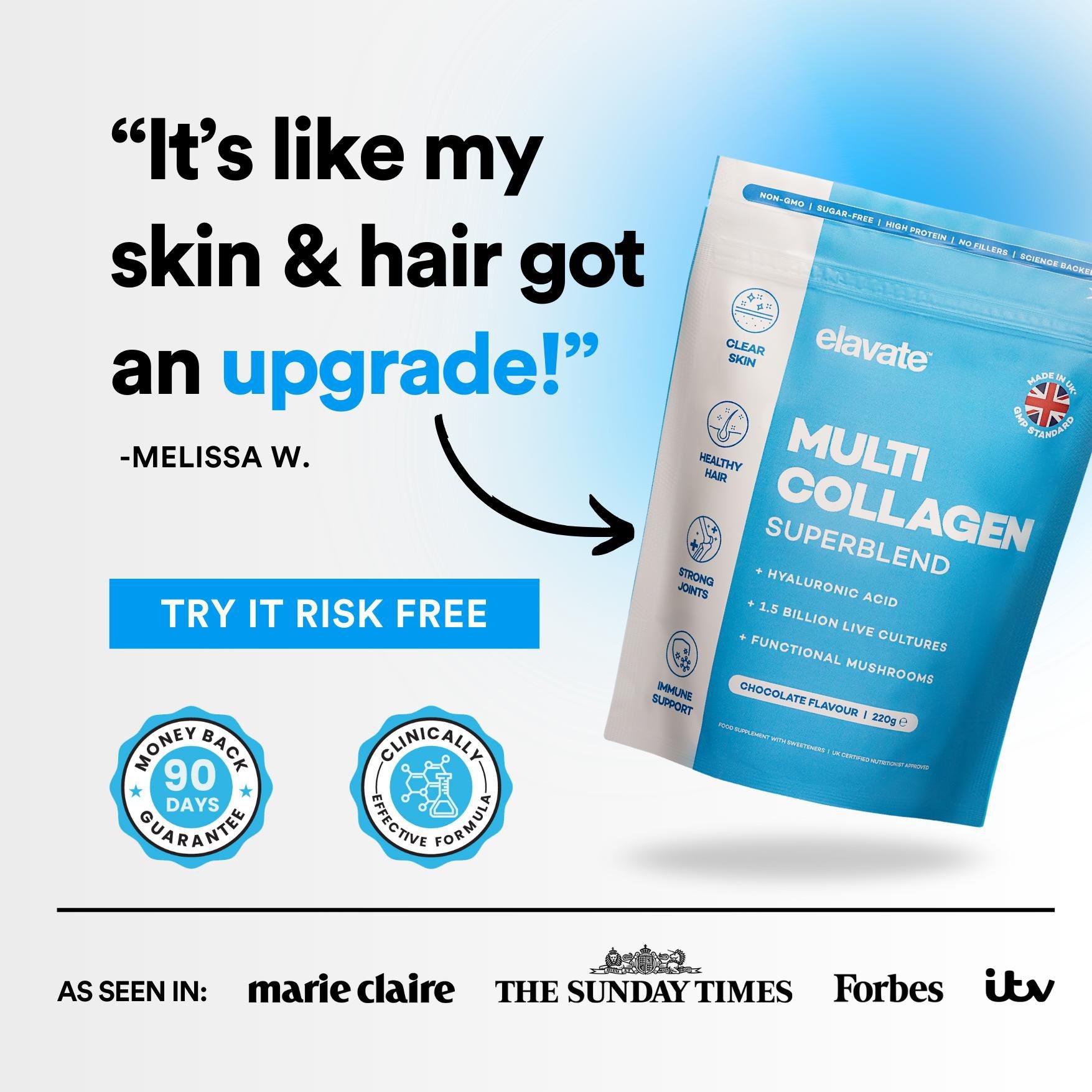
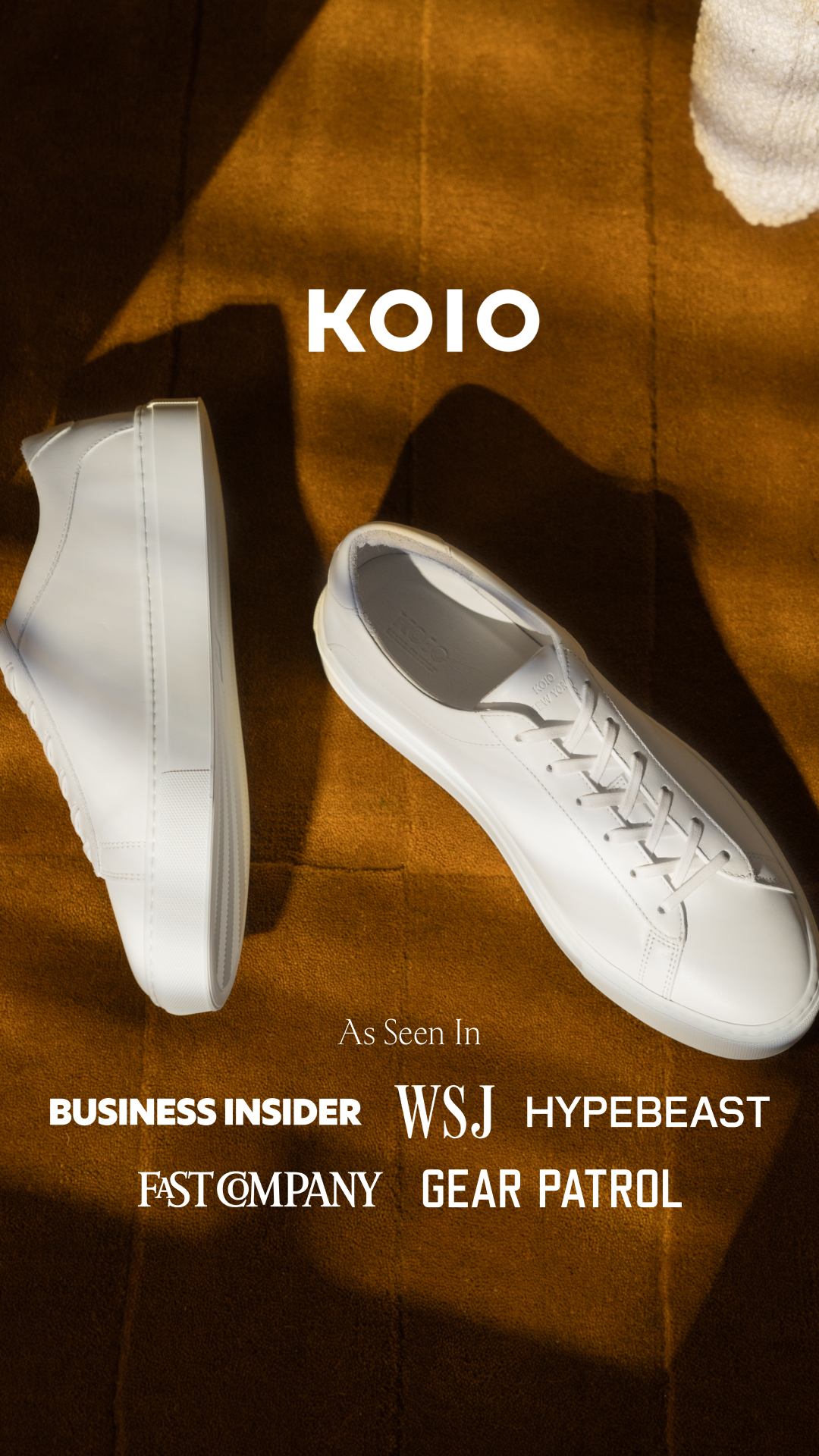
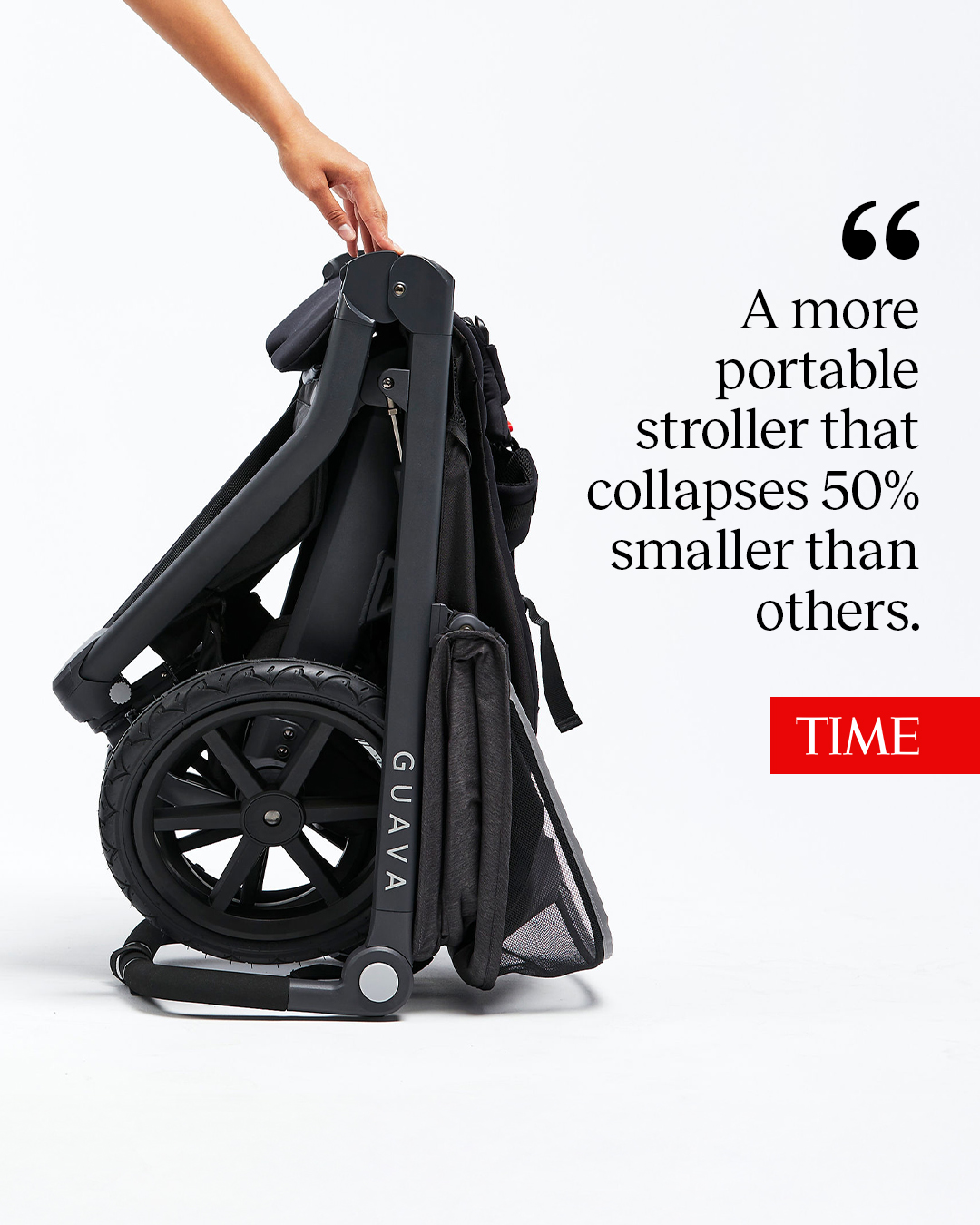
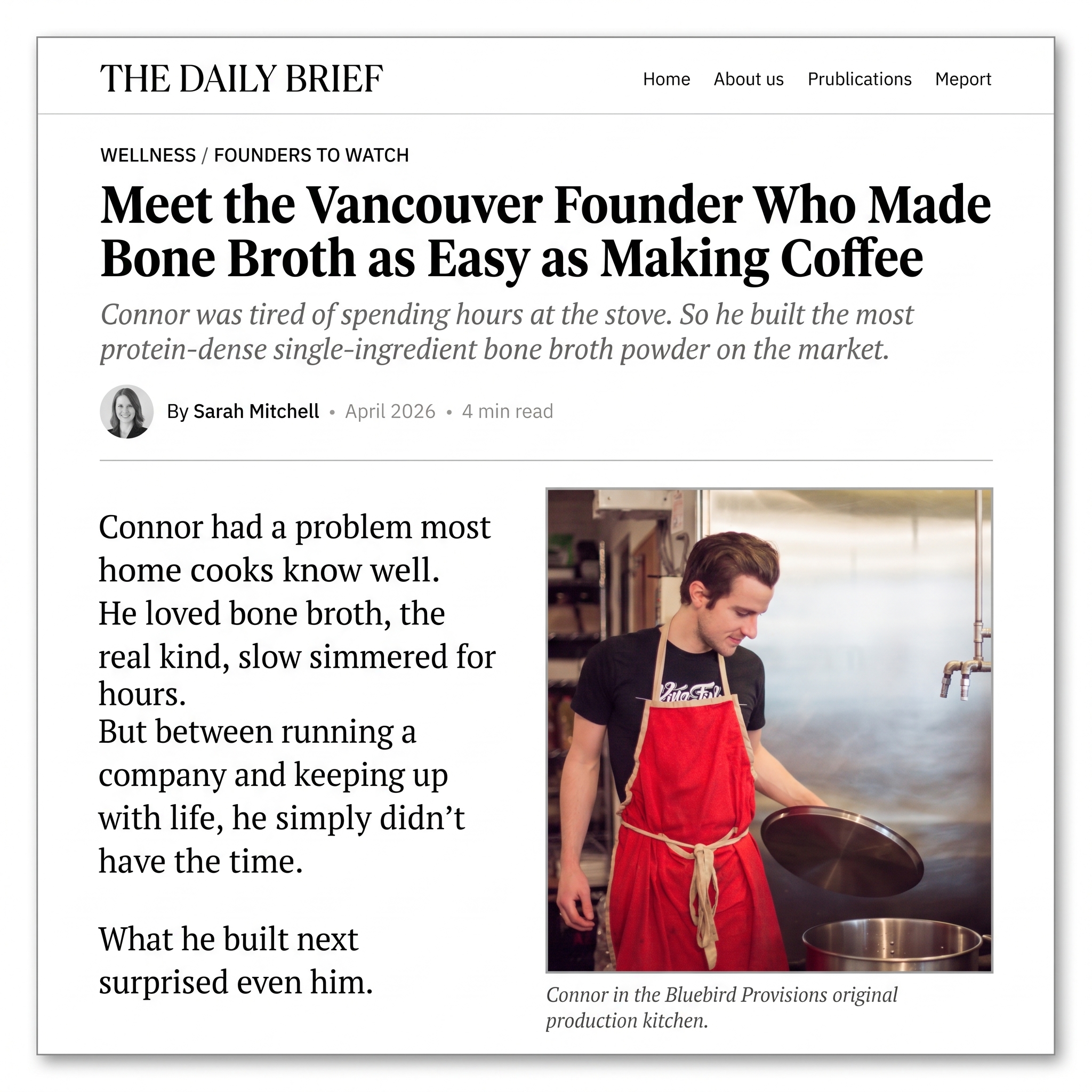

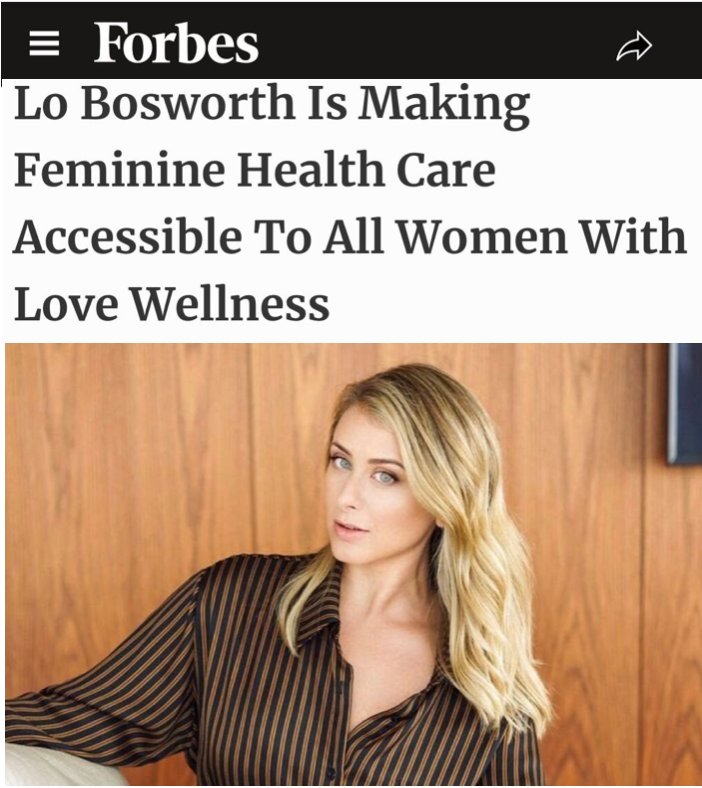
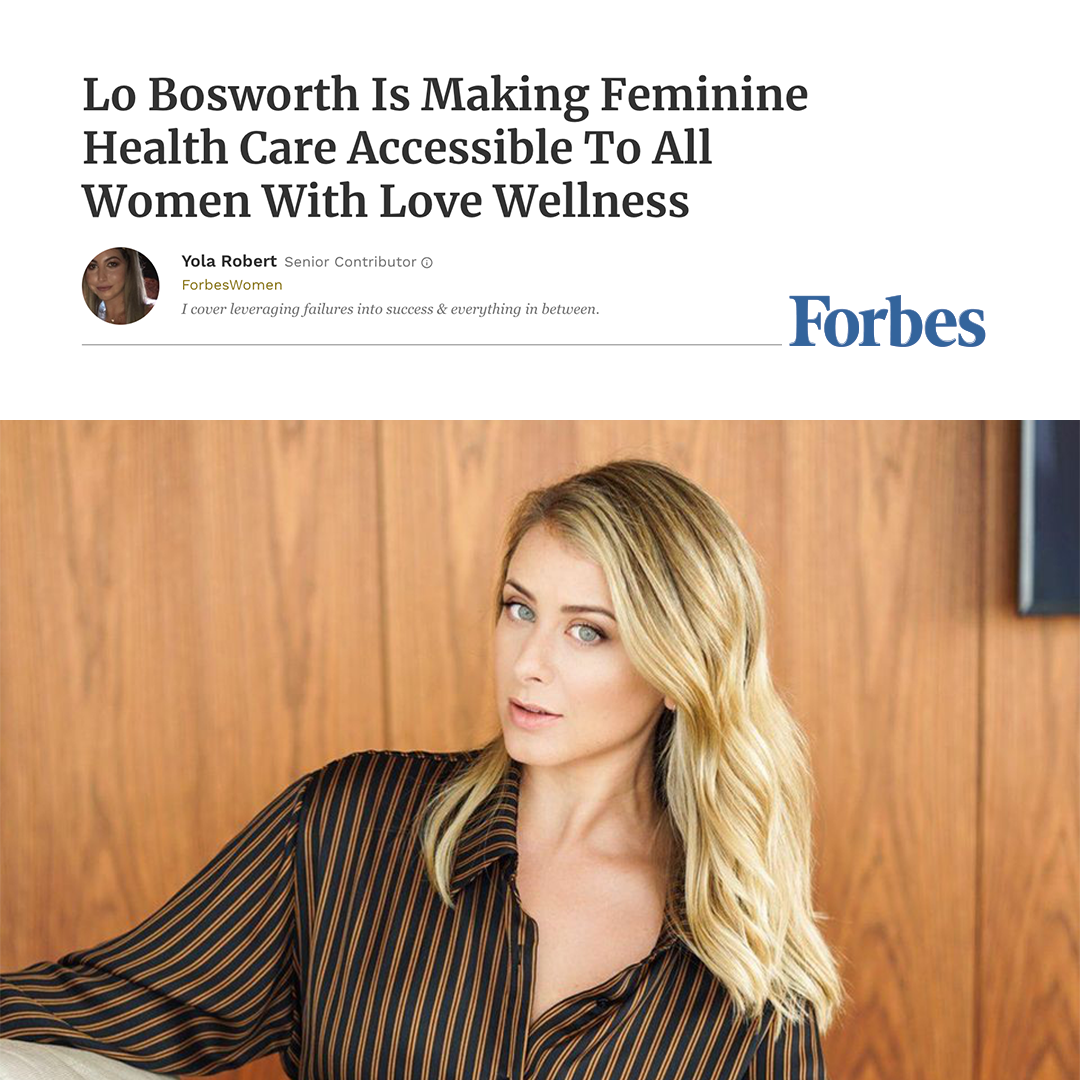

- Ads
- 49
- Top niche
- Supplements
- Top hook tactic
- Authority
- Most ads from
- Your Heights
- Longest run
- 512 days
How this format is built
Anatomy of a Press ad
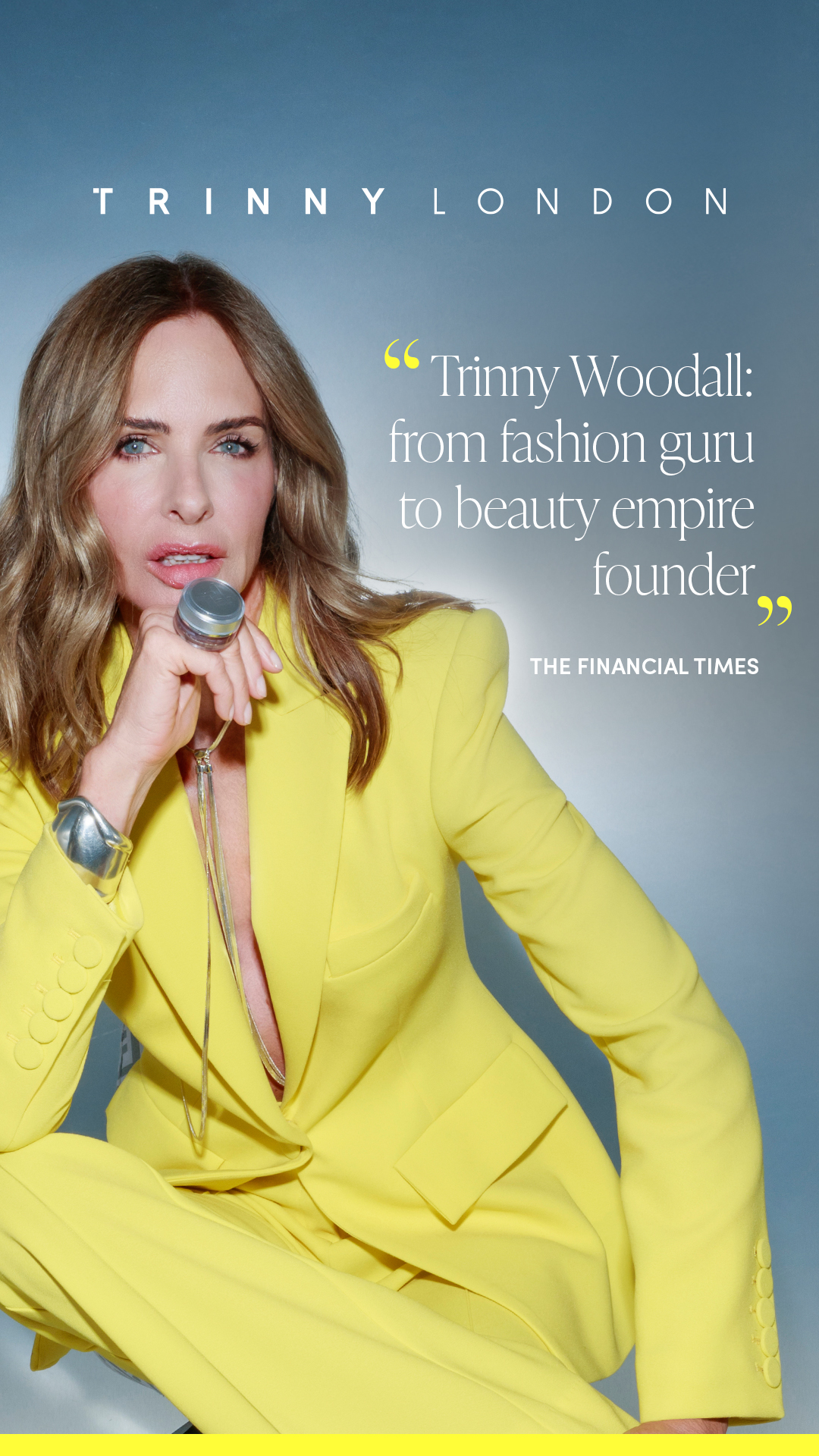
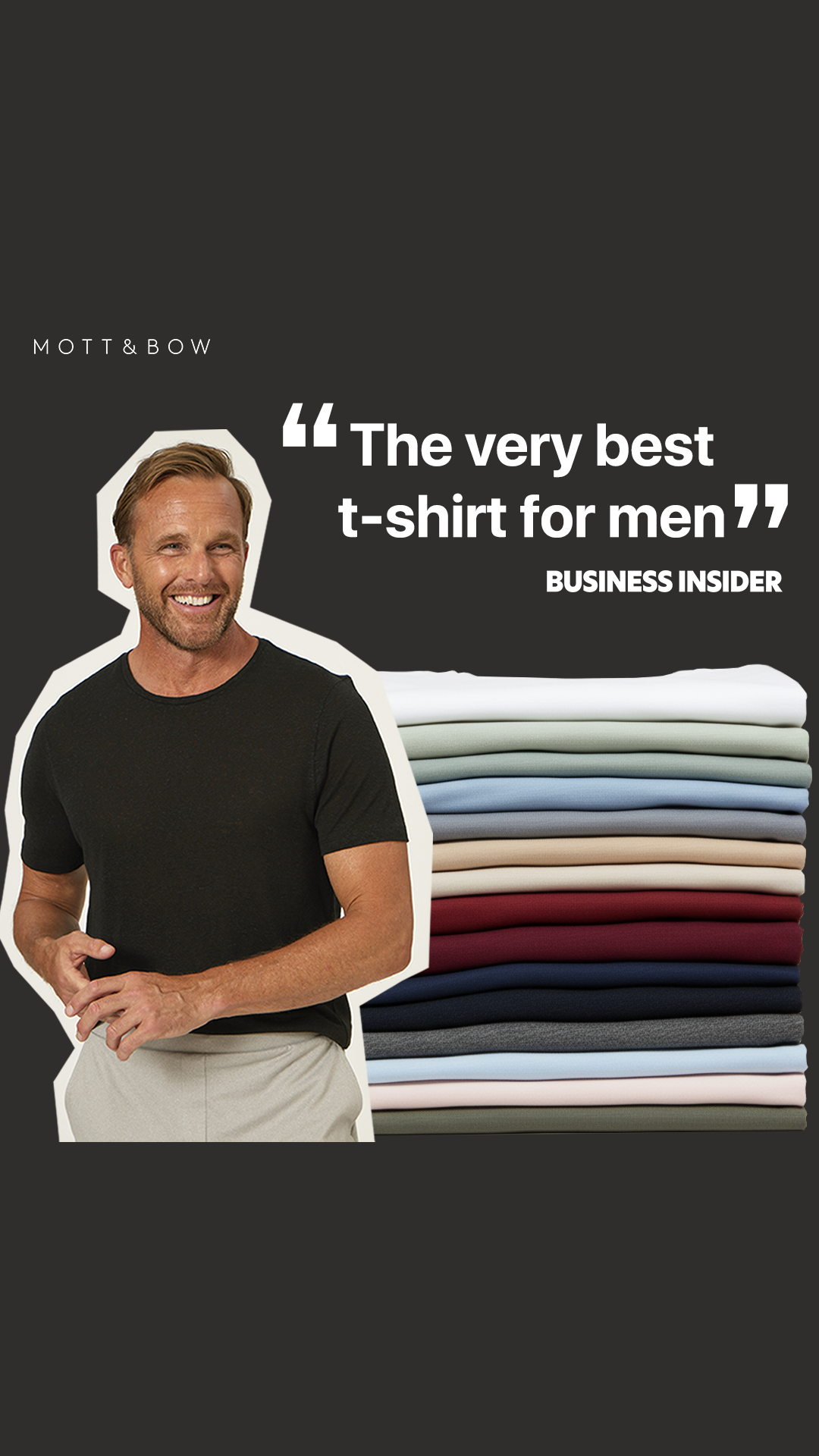
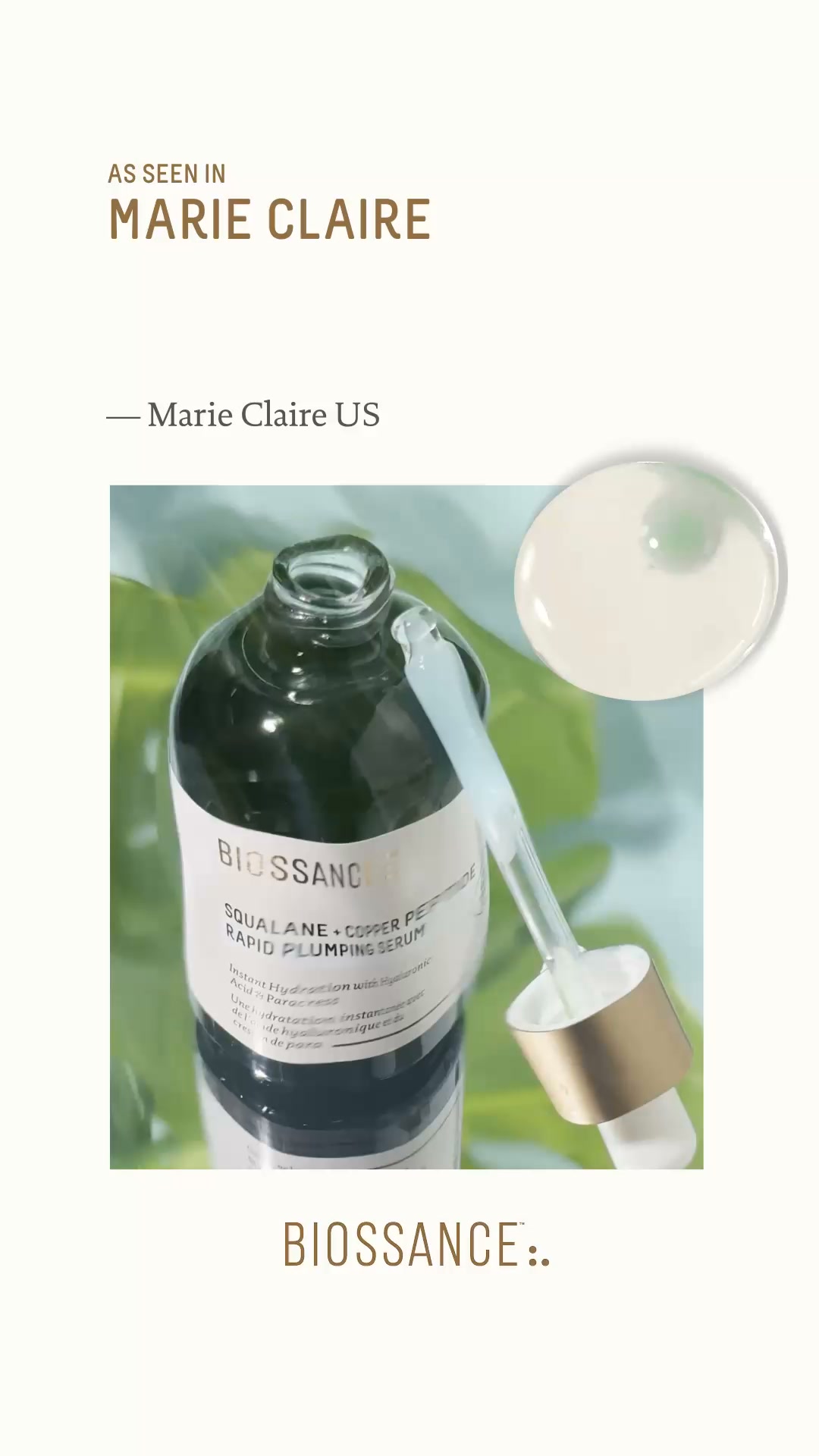
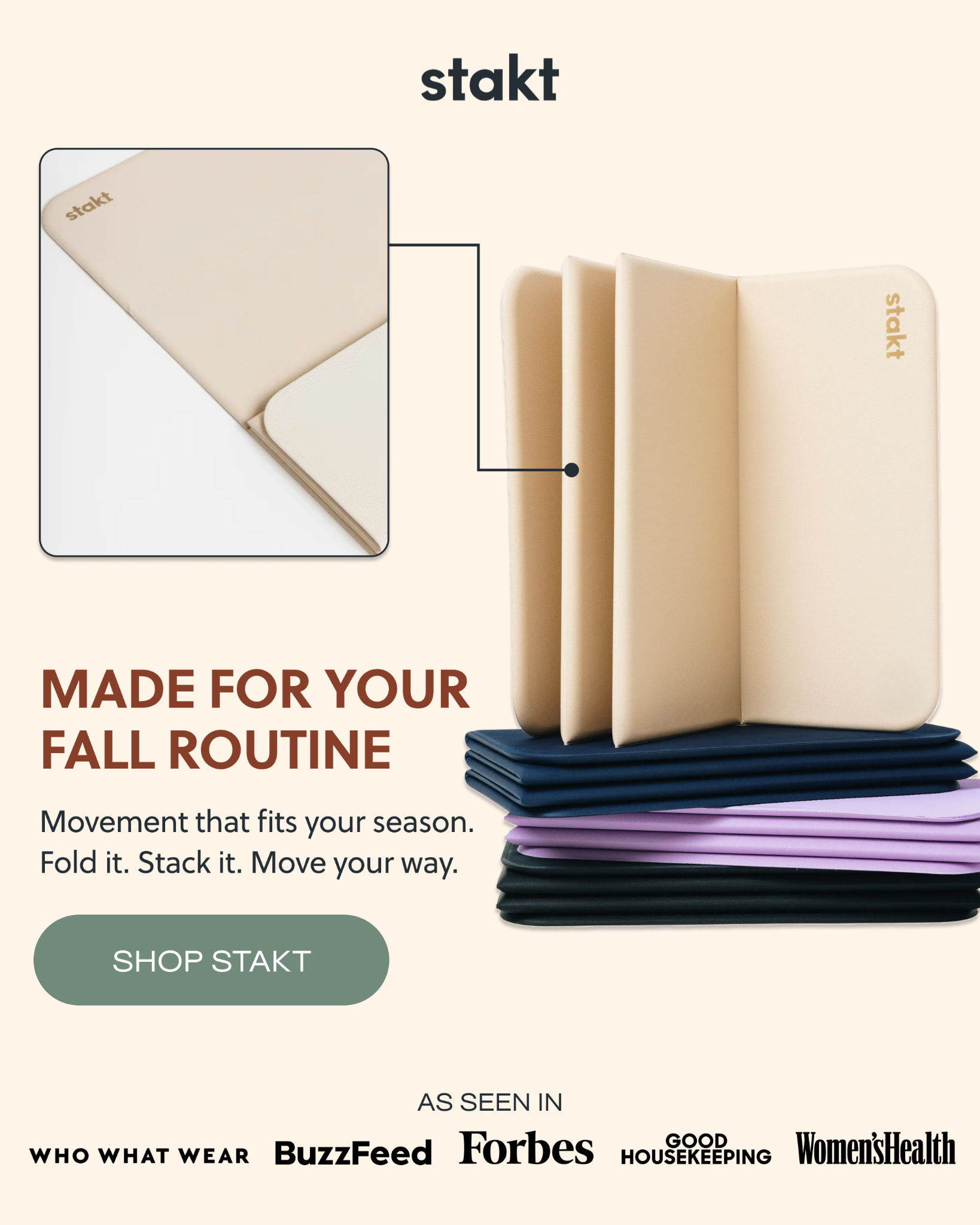
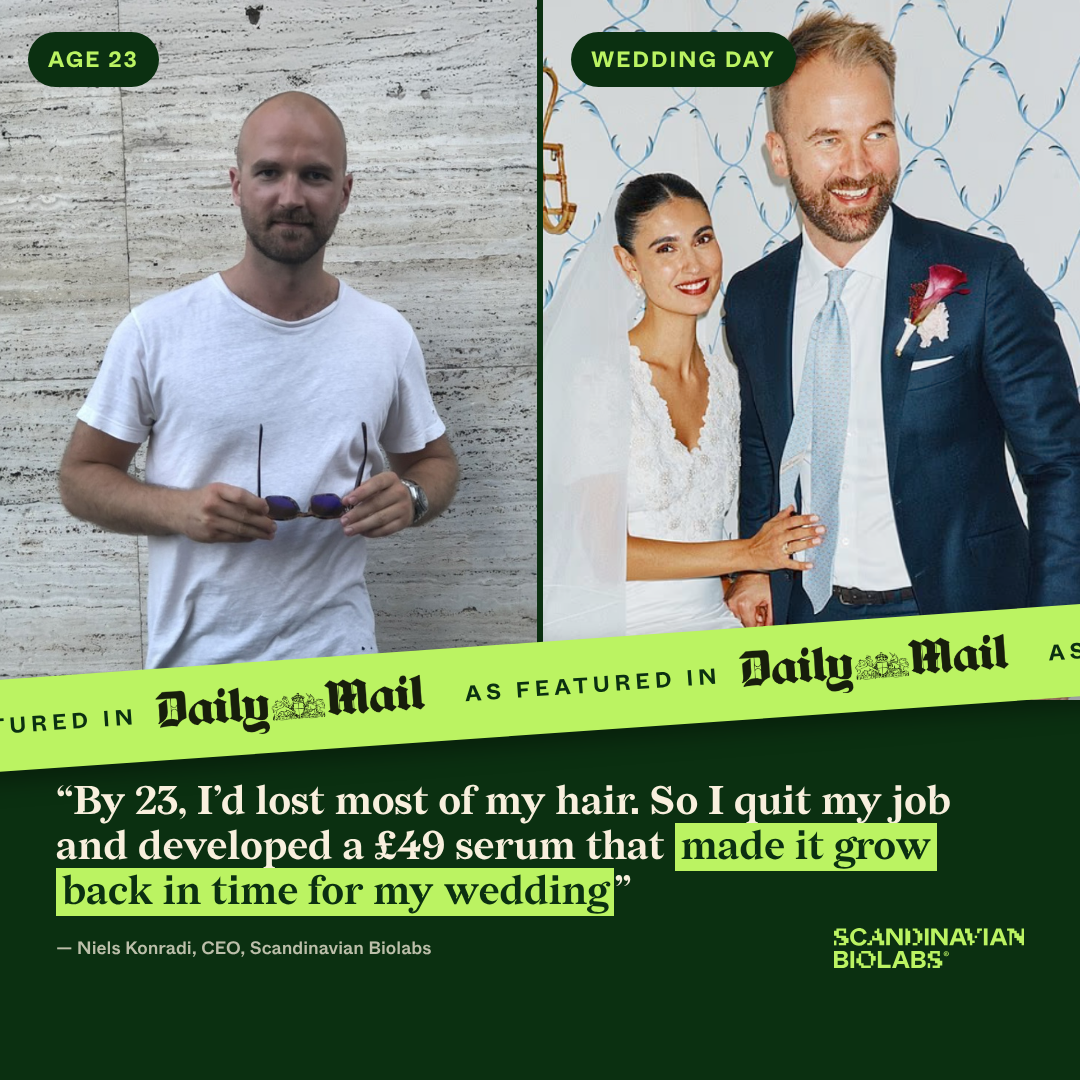
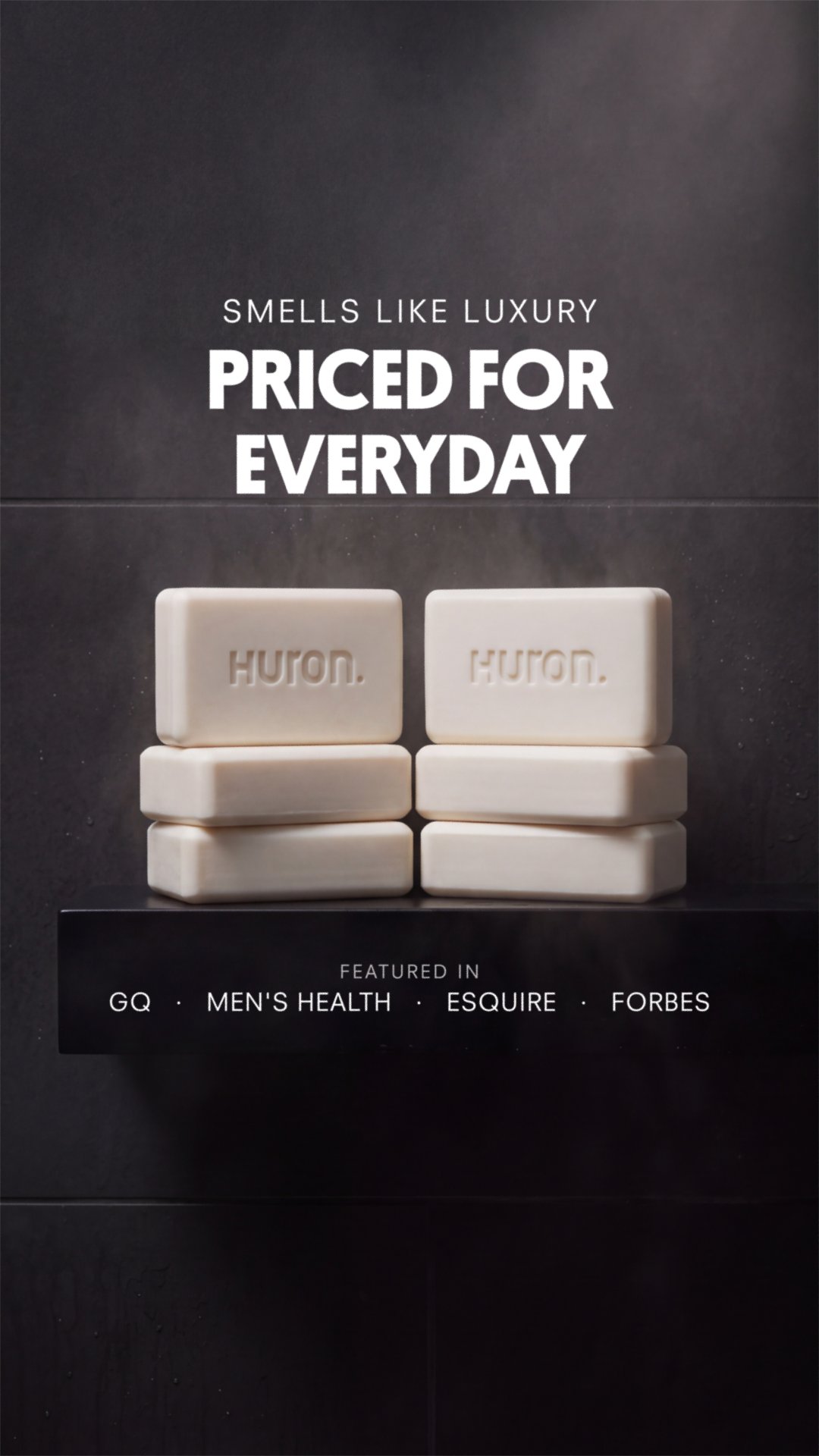
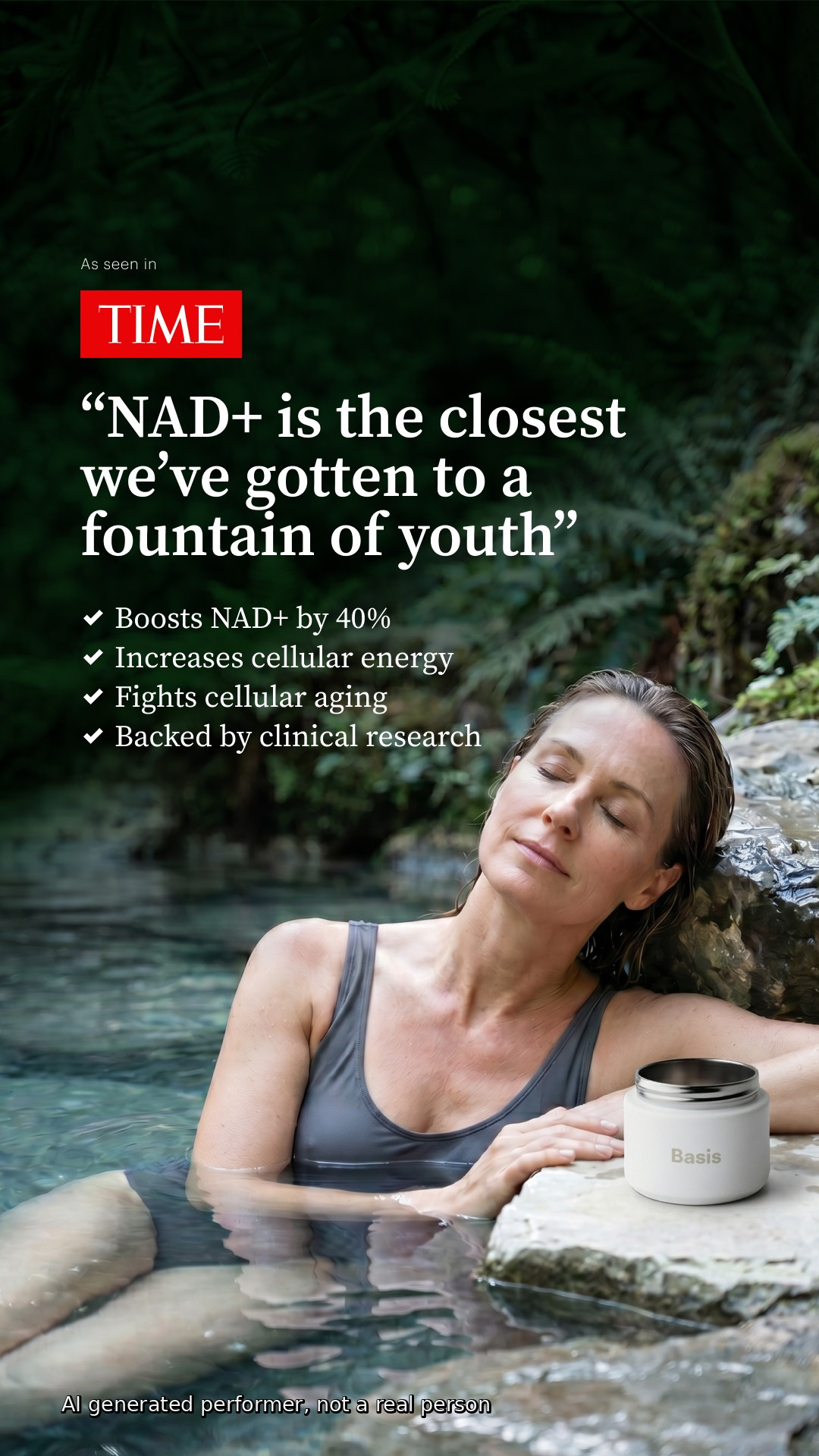
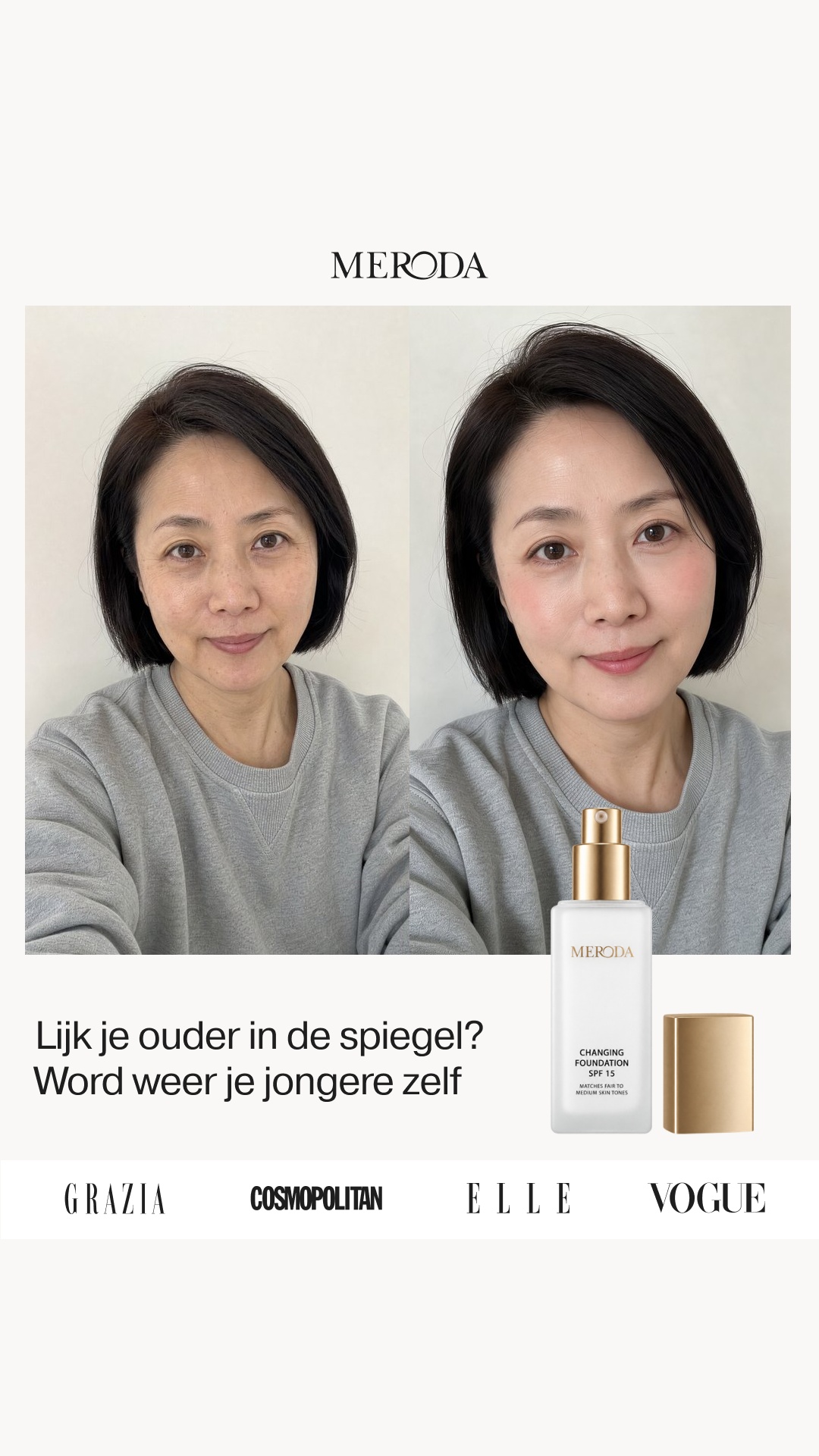
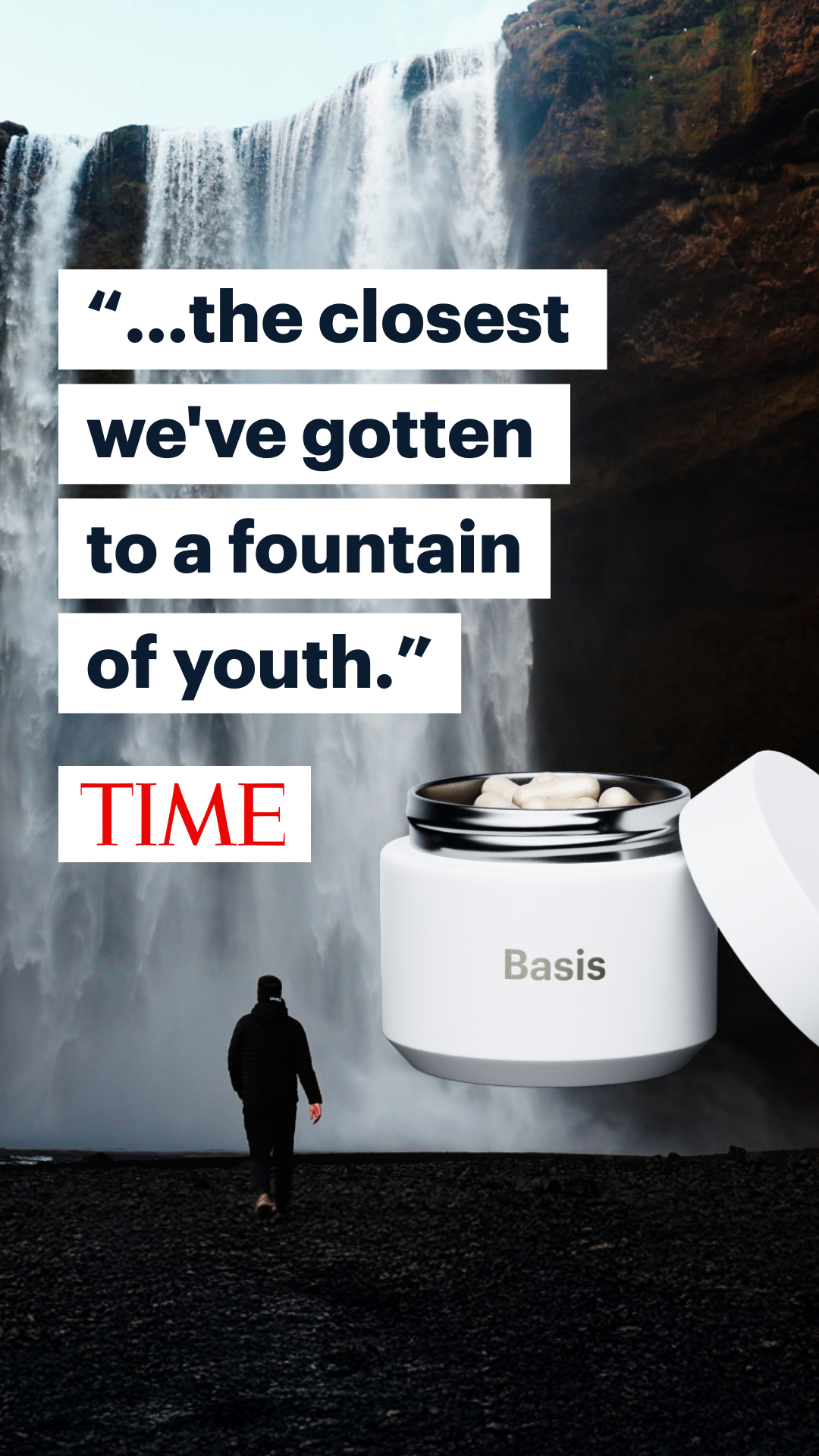
A press ad builds its creative around coverage the brand has earned. The usual pieces are a row of outlet logos under an As seen in line, a headline pulled from an article, or a short quote with the publication's name beside it. The pitch is borrowed credibility: someone with an editor and a reputation looked at the product and wrote about it. The format is most useful for a newer brand the viewer has never heard of, because the name of a familiar outlet does the introduction. It works as a whole static ad or as an end card on a video.
Use only coverage you can point to
Quote and show logos only for articles that exist and say what you claim. Keep the link or the clipping on file, and check the outlet's rules for using its name and mark.
Quote the best line, word for word
Pull a short phrase that says something about the product, and do not edit it into something warmer. A shorter true quote is stronger than a stretched one.
Put the logo with the sentence
A name beside a quote tells the viewer who is speaking. A bare row of logos with no words is weaker, since the viewer cannot tell what the outlet said.
Lead with the quote when it is the hook
If the line is strong, make it the headline of the ad and move the logo below it. If the coverage is thin, keep the logos as a supporting strip under a different hook.
Keep the strip clean and readable
Use consistent sizing and spacing for the logos, in one colour if the brand allows it, and leave room around them so they do not look like clutter.
It is a Press ad when
- The creative is built around media coverage: outlet logos, a headline from an article or a quote with the publication named.
- The coverage is the proof, borrowing trust from outlets the viewer already knows.
- The outlets or the quotes fill a visible part of the creative, a whole static or an end card.
Near misses
- A customer review or a star rating shown as the creative is a review.
- A badge, seal, award or rating from a certifier is a certification badge.
- A magazine-style layout with no real coverage behind it is editorial.
- A creative styled as a TV news report or a news ticker is a news broadcast.
Quick test
Does it name a media outlet that wrote about or featured the product?
Related formats and niches
Ask your AI agent about Press ads
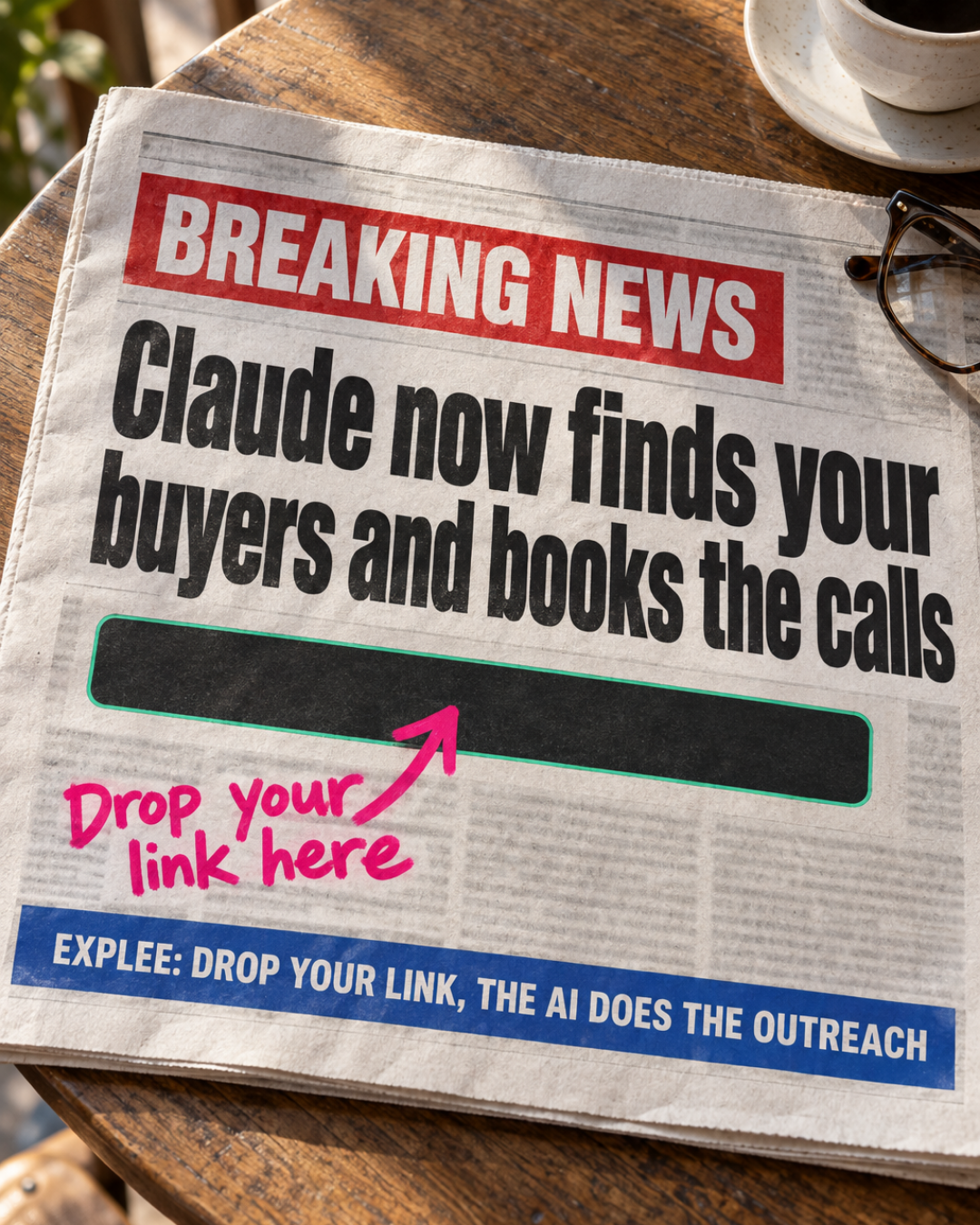
Claude or ChatGPT searches the 49 Press ads here and answers with real ads: the hooks, the niches and the brands that kept them running.
Pull the longest-running Press ads and their hooks
Ranked by how long the brand kept them running on Meta
Write five hooks for my product from these Press ads
Each with the real ad it learned from
How does Your Heights build its Meta ads?
Formats, hooks and offers across its 7 ads here
Questions about Press ads
- What is a press ad?
- A press ad uses media logos, headlines or quotes as its main creative. The point is to show that outlets the viewer knows have covered the product, so the brand gets the benefit of their credibility.
- Can I use any outlet's logo in an ad?
- Not automatically. Logos are trademarks, and outlets set their own rules for how their name and quotes may be used. Check the permissions and the platform's ad policies, and only show coverage that is real and current.
- How is a press ad different from a review ad?
- A review ad features a customer's words and often a star rating. A press ad features a journalist's or publication's words, so it signals editorial authority rather than customer experience. Brands often use both in different ads.
- Where in the ad should the press proof sit?
- It depends on the hook. When the quote is strong it goes on top as the headline. When the hook is something else, it works as a strip under the product or as the final frame of a video. Study how the ads in the gallery place it.
- Does a press ad suit a small brand?
- Yes, if the coverage is real. A single mention from a trusted outlet or niche publication can do the work of an introduction, so long as the ad quotes it accurately and does not suggest more coverage than exists.
- What is the difference between Press ads and Review ads?
- A review ad shows what a customer said or how they rated the product. A press ad shows what a media outlet said, with the outlet's logo or name as the source.
- What is the difference between Press ads and Certification Badge ads?
- A certification badge ad leads with a seal, award or rating from a body that tested or certified the product. A press ad leads with coverage: the logos and quotes of outlets that wrote about it.
- What is the difference between Press ads and Editorial ads?
- An editorial ad borrows the look of a magazine, its layout and photography. A press ad cites real coverage, the outlet's logo, its headline or a quote, whatever the layout.