
30 Press Ad Examples
Press ads show media logos, headlines or quotes to borrow trust from outlets the viewer already knows. Browse the examples below, then read how to use coverage without overreaching.
Niche1 selected
Hook
Brand
SortNewest
Top hook tactics in Press ads
Top brands running Press ads
What are Press ads?
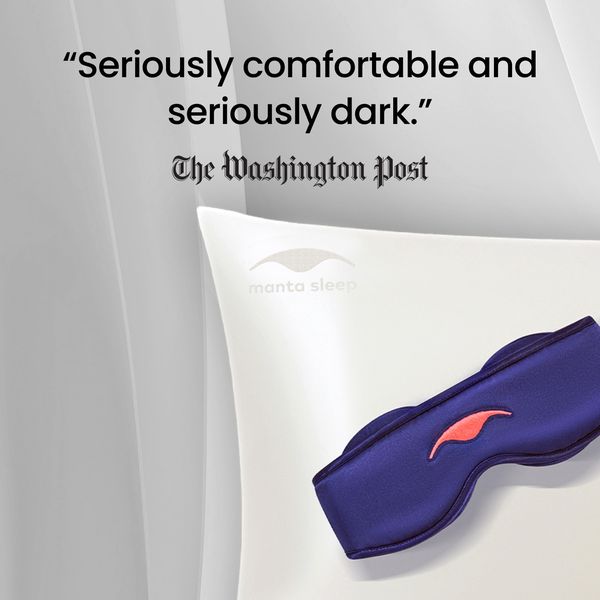
A press ad builds its creative around coverage the brand has earned. The usual pieces are a row of outlet logos under an As seen in line, a headline pulled from an article, or a short quote with the publication's name beside it. The pitch is borrowed credibility: someone with an editor and a reputation looked at the product and wrote about it. The format is most useful for a newer brand the viewer has never heard of, because the name of a familiar outlet does the introduction. It works as a whole static ad or as an end card on a video.
When to use Press ads
- A real outlet has written about the product, and you want a cold audience to see that before they see a price.
- You are a newer brand in a category where trust is the barrier, such as supplements, skincare, finance or tools.
- You need a proof element for the end of a video, a retargeting ad or a page that has to match a landing page.
- Your angle is authority and a quote from a named publication is more convincing than your own claim.
- You have a list of publications and want a simple static that can be resized across placements.
Press ad best practices
Use only coverage you can point to
Quote and show logos only for articles that exist and say what you claim. Keep the link or the clipping on file, and check the outlet's rules for using its name and mark.
Quote the best line, word for word
Pull a short phrase that says something about the product, and do not edit it into something warmer. A shorter true quote is stronger than a stretched one.
Put the logo with the sentence
A name beside a quote tells the viewer who is speaking. A bare row of logos with no words is weaker, since the viewer cannot tell what the outlet said.
Lead with the quote when it is the hook
If the line is strong, make it the headline of the ad and move the logo below it. If the coverage is thin, keep the logos as a supporting strip under a different hook.
Keep the strip clean and readable
Use consistent sizing and spacing for the logos, in one colour if the brand allows it, and leave room around them so they do not look like clutter.
Brands running Press ads
Niches with the most Press ads
Related formats
Related niches
Press ads: frequently asked questions
What is a press ad?
A press ad uses media logos, headlines or quotes as its main creative. The point is to show that outlets the viewer knows have covered the product, so the brand gets the benefit of their credibility.
Can I use any outlet's logo in an ad?
Not automatically. Logos are trademarks, and outlets set their own rules for how their name and quotes may be used. Check the permissions and the platform's ad policies, and only show coverage that is real and current.
How is a press ad different from a review ad?
A review ad features a customer's words and often a star rating. A press ad features a journalist's or publication's words, so it signals editorial authority rather than customer experience. Brands often use both in different ads.
Where in the ad should the press proof sit?
It depends on the hook. When the quote is strong it goes on top as the headline. When the hook is something else, it works as a strip under the product or as the final frame of a video. Study how the ads in the gallery place it.
Does a press ad suit a small brand?
Yes, if the coverage is real. A single mention from a trusted outlet or niche publication can do the work of an introduction, so long as the ad quotes it accurately and does not suggest more coverage than exists.