
446 Curiosity Hook Ad Examples
A curiosity hook opens a question the viewer has to stay to close. Browse real ads below, then read how to tease without tricking anyone.
Niche2 selected
Format
Brand
SortNewest
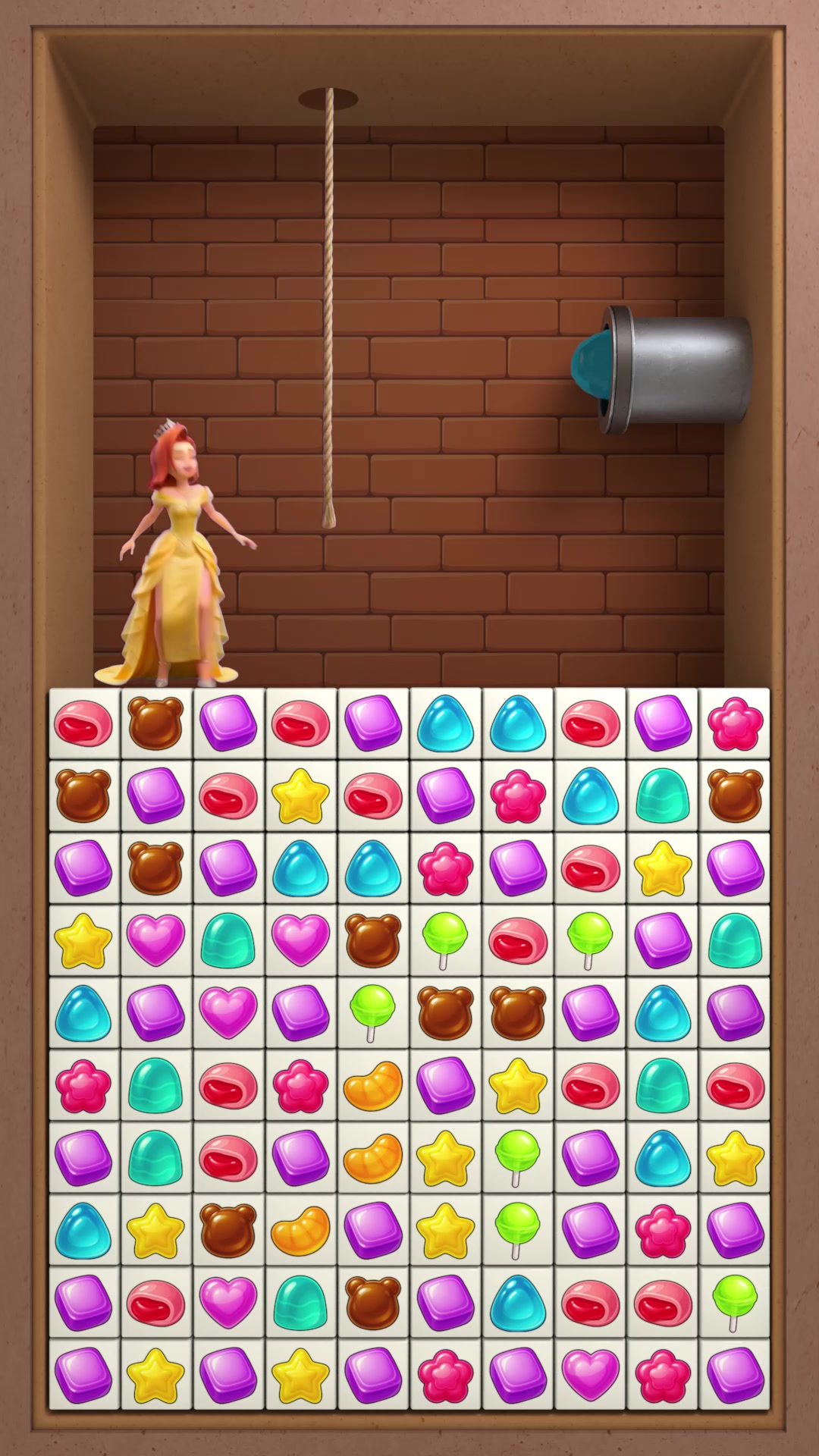
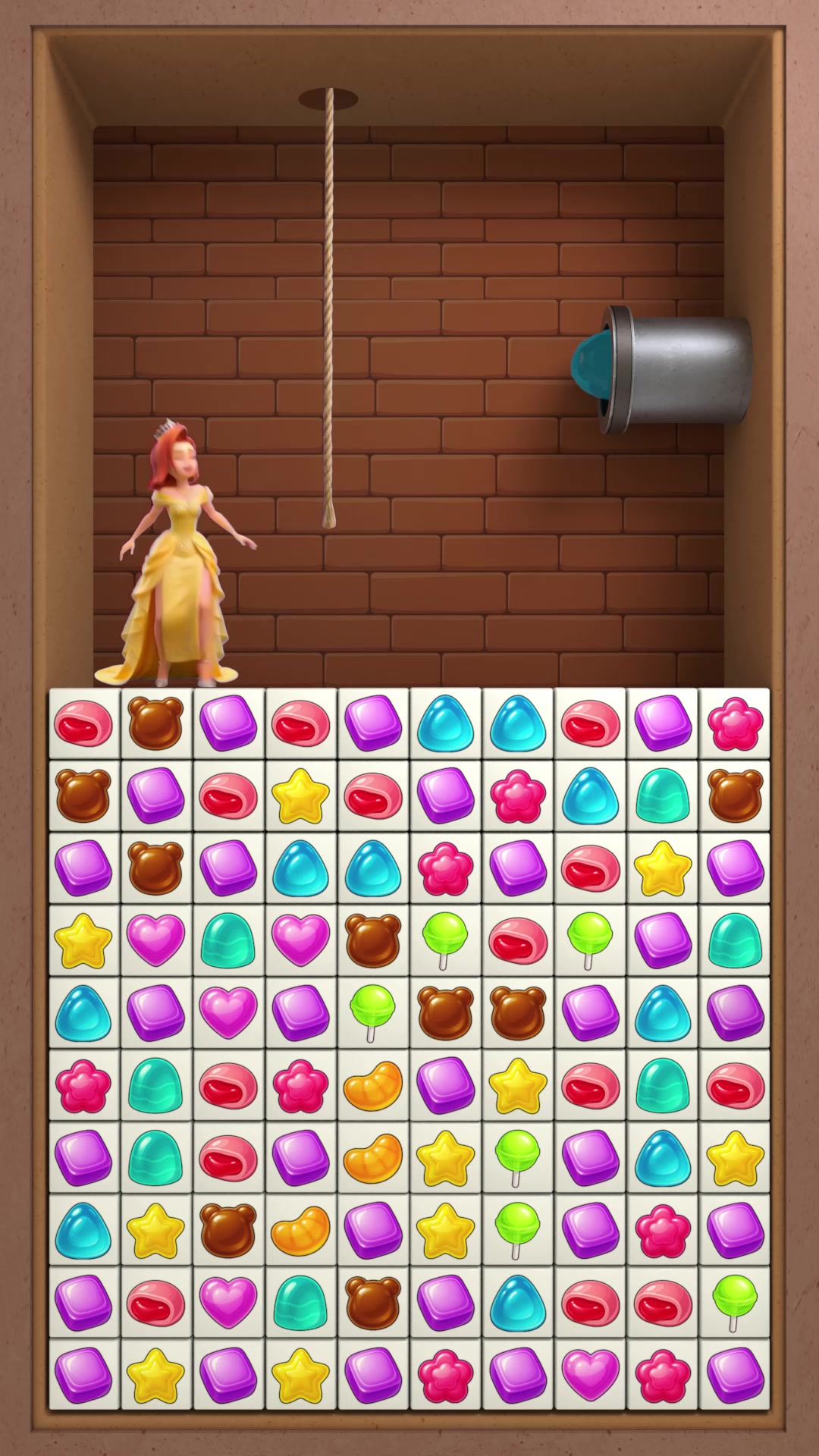
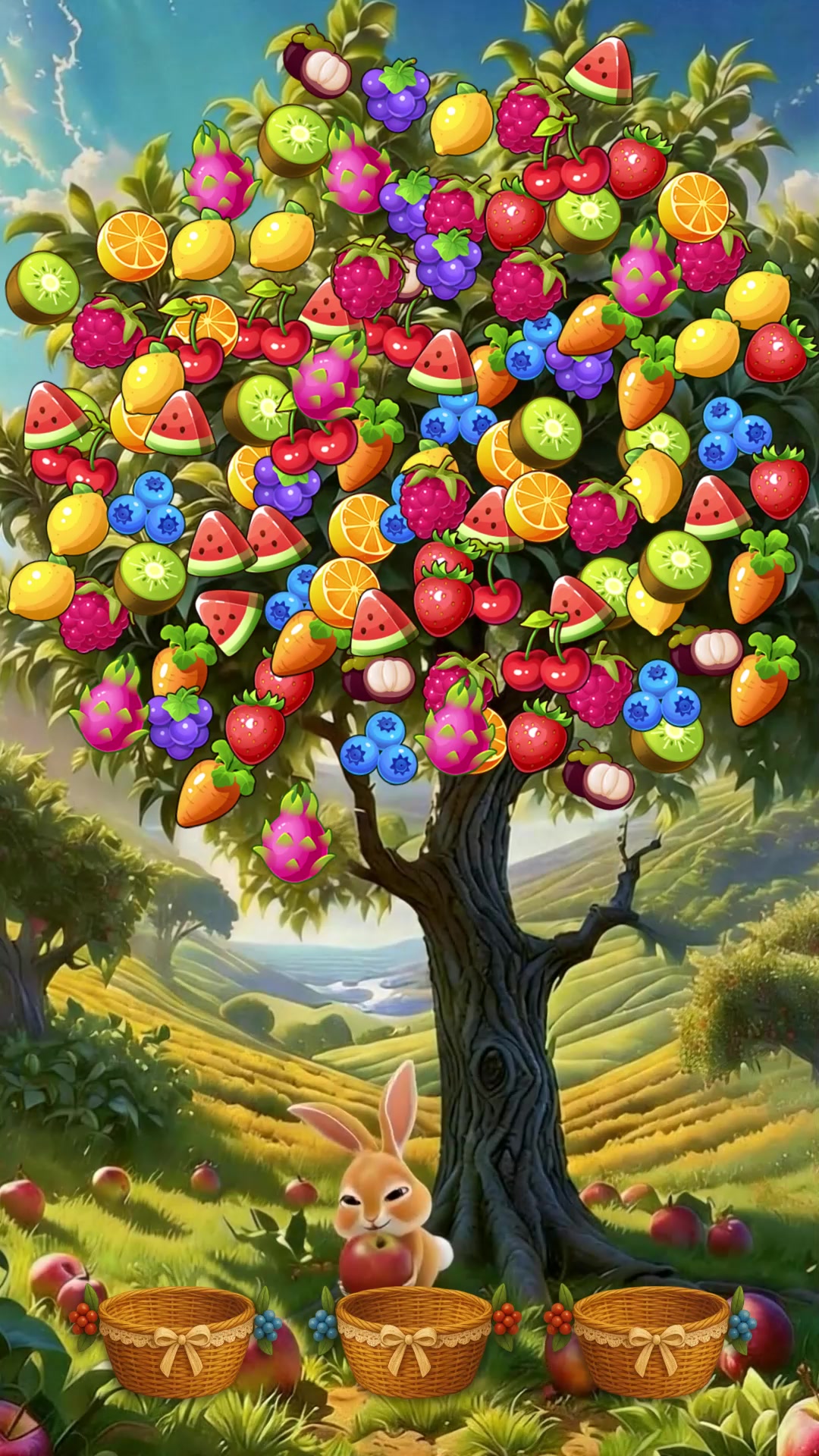
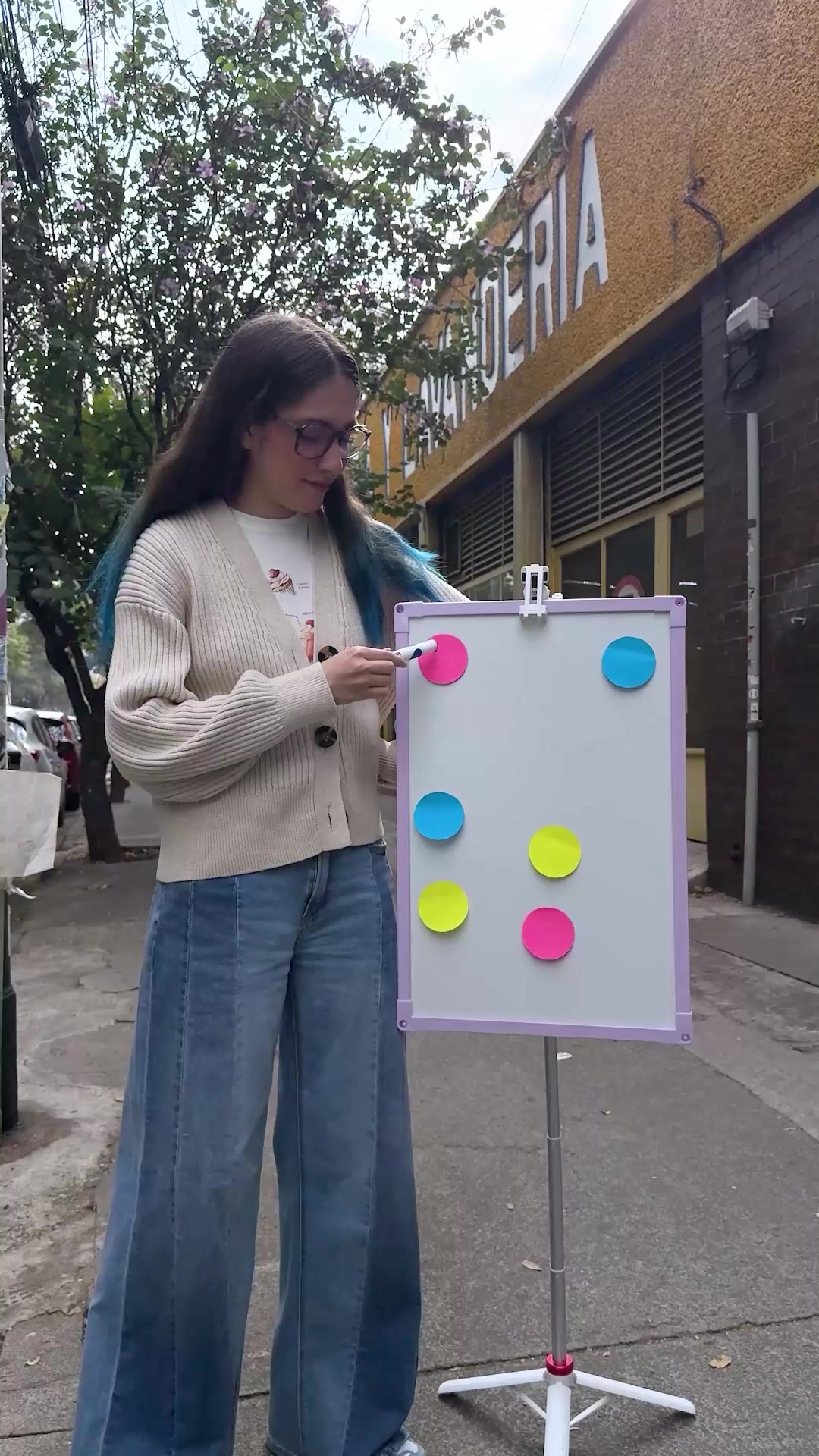
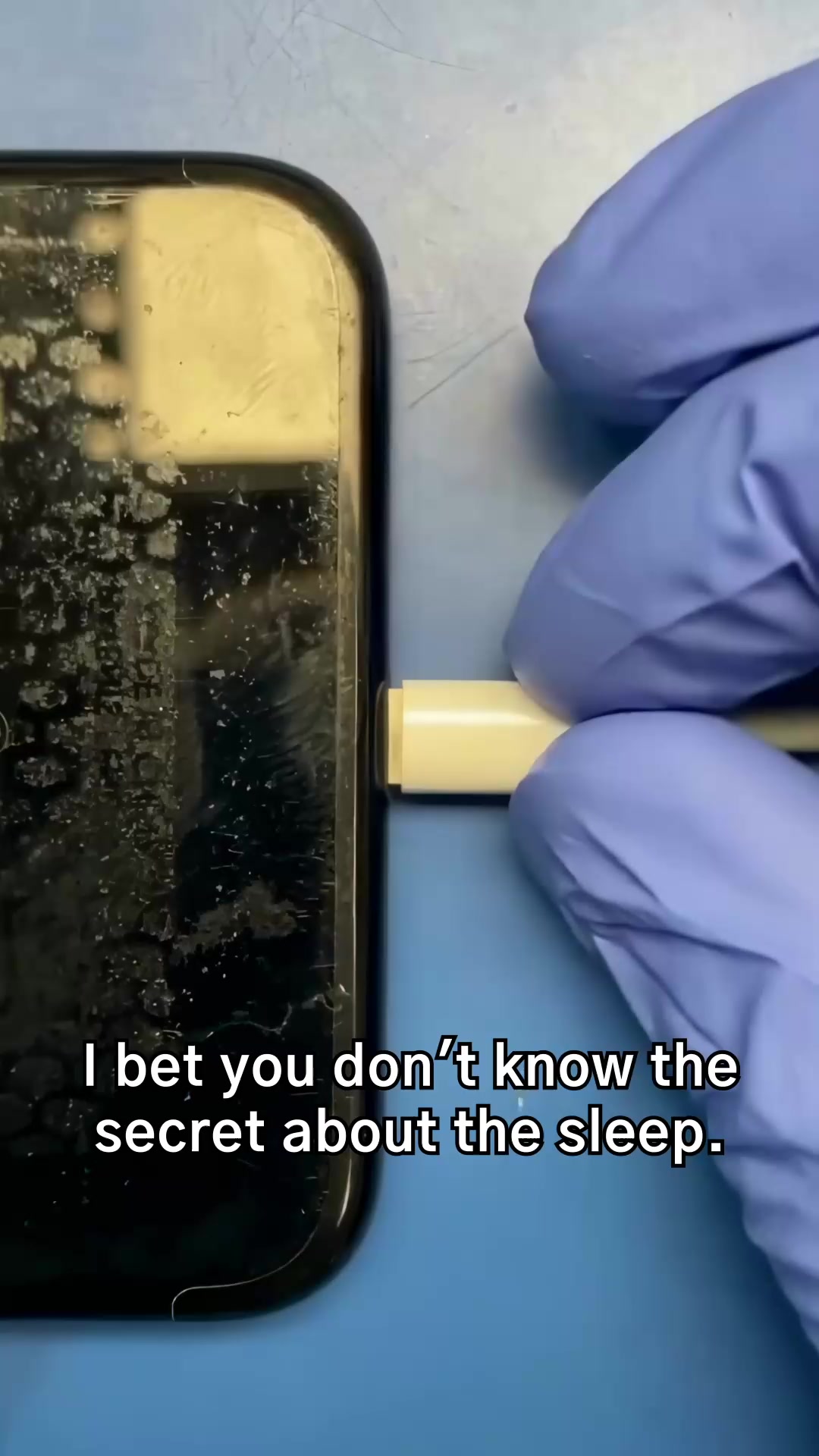
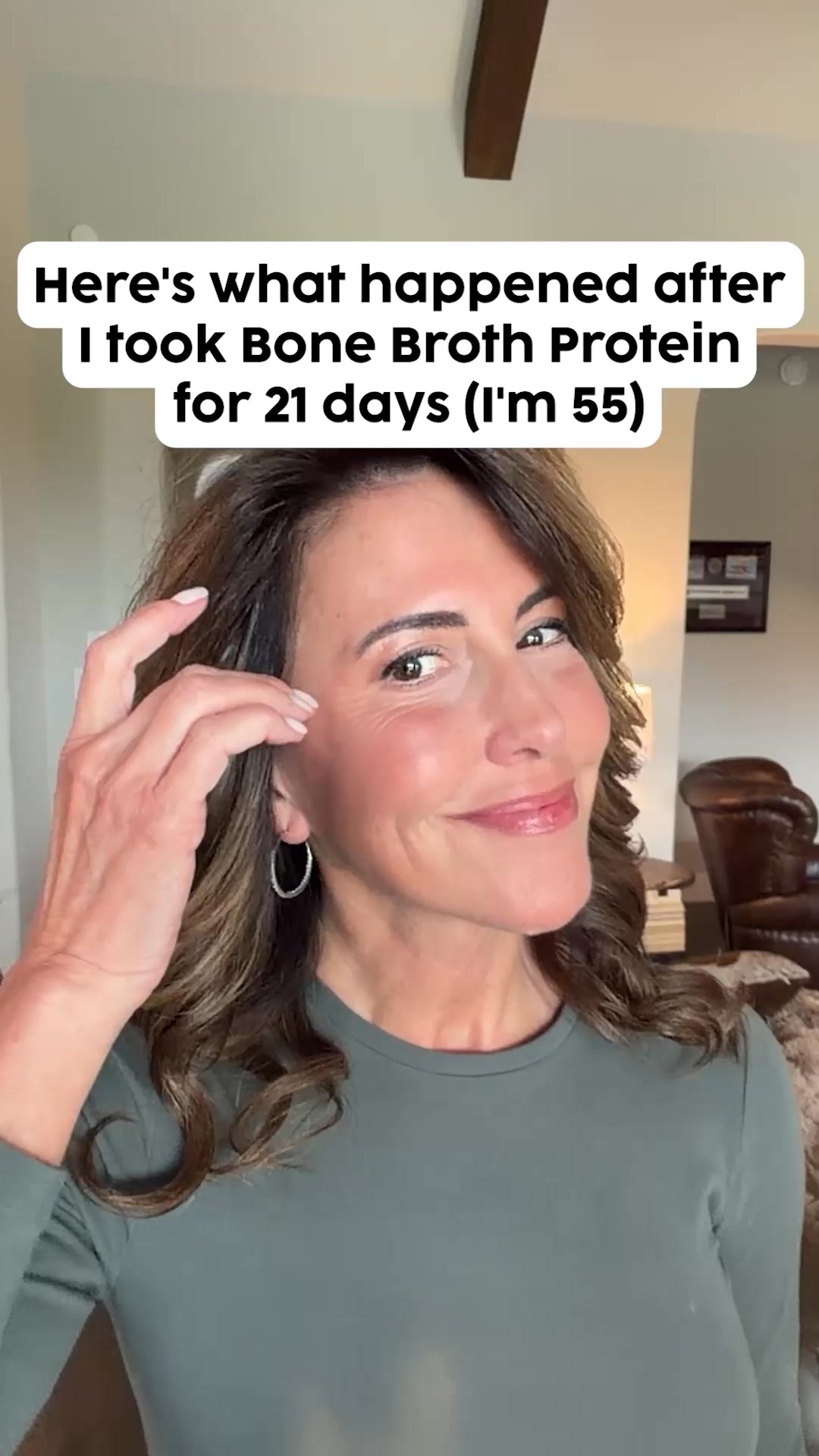
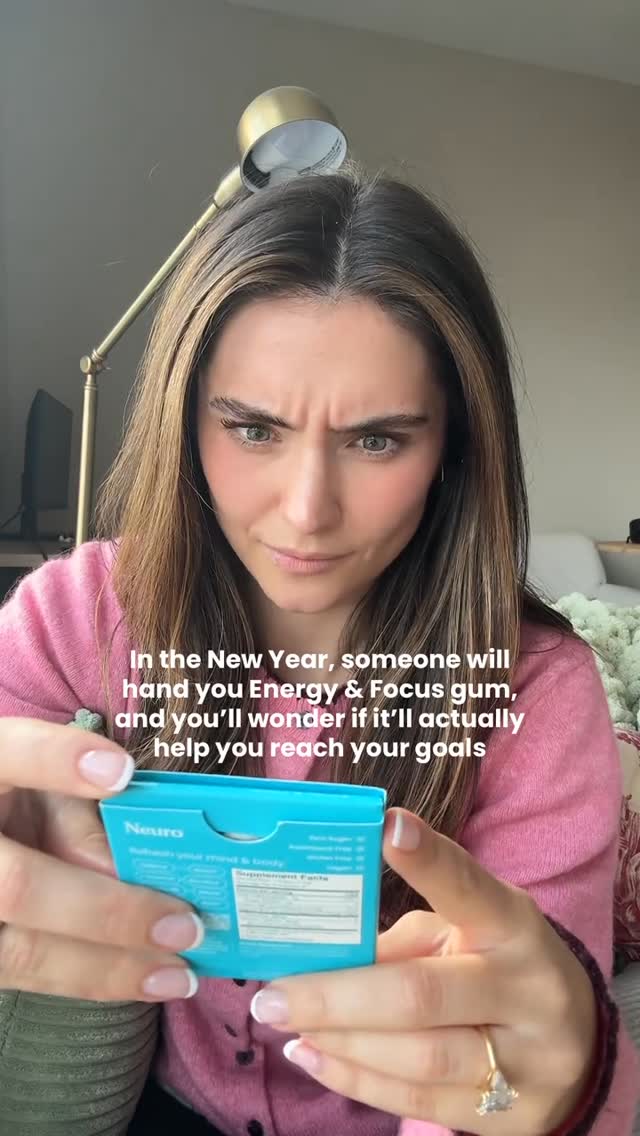
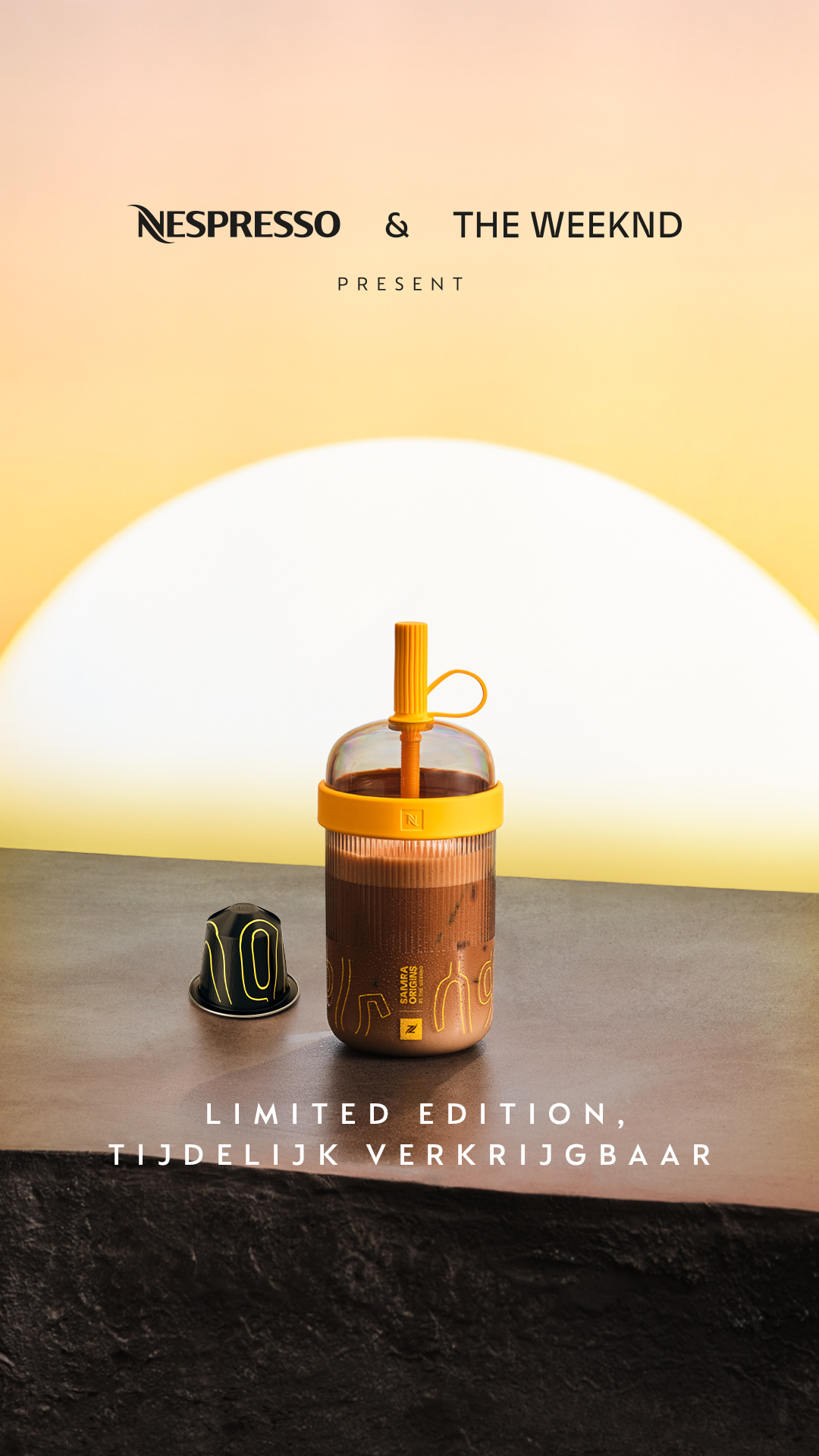
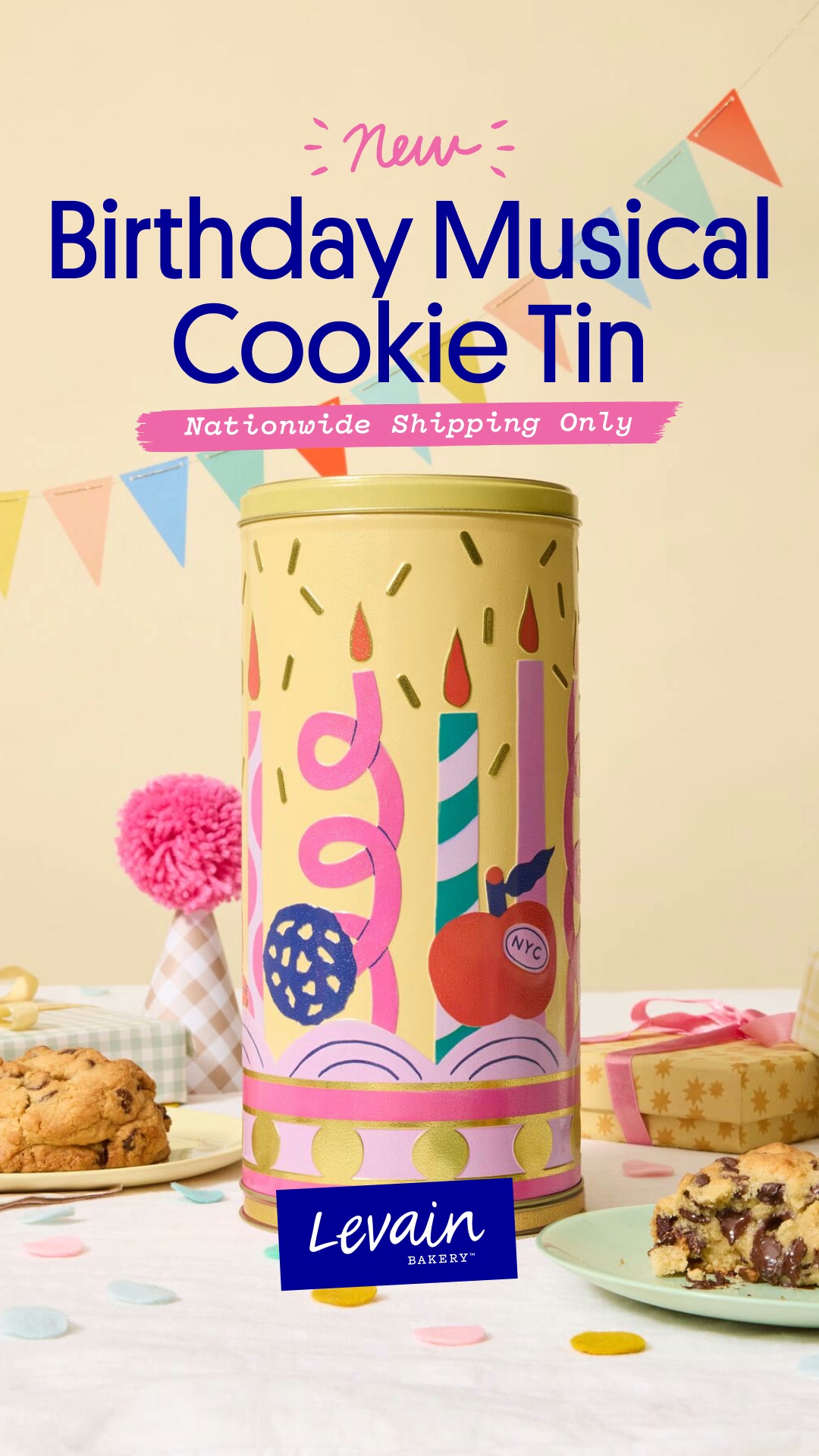
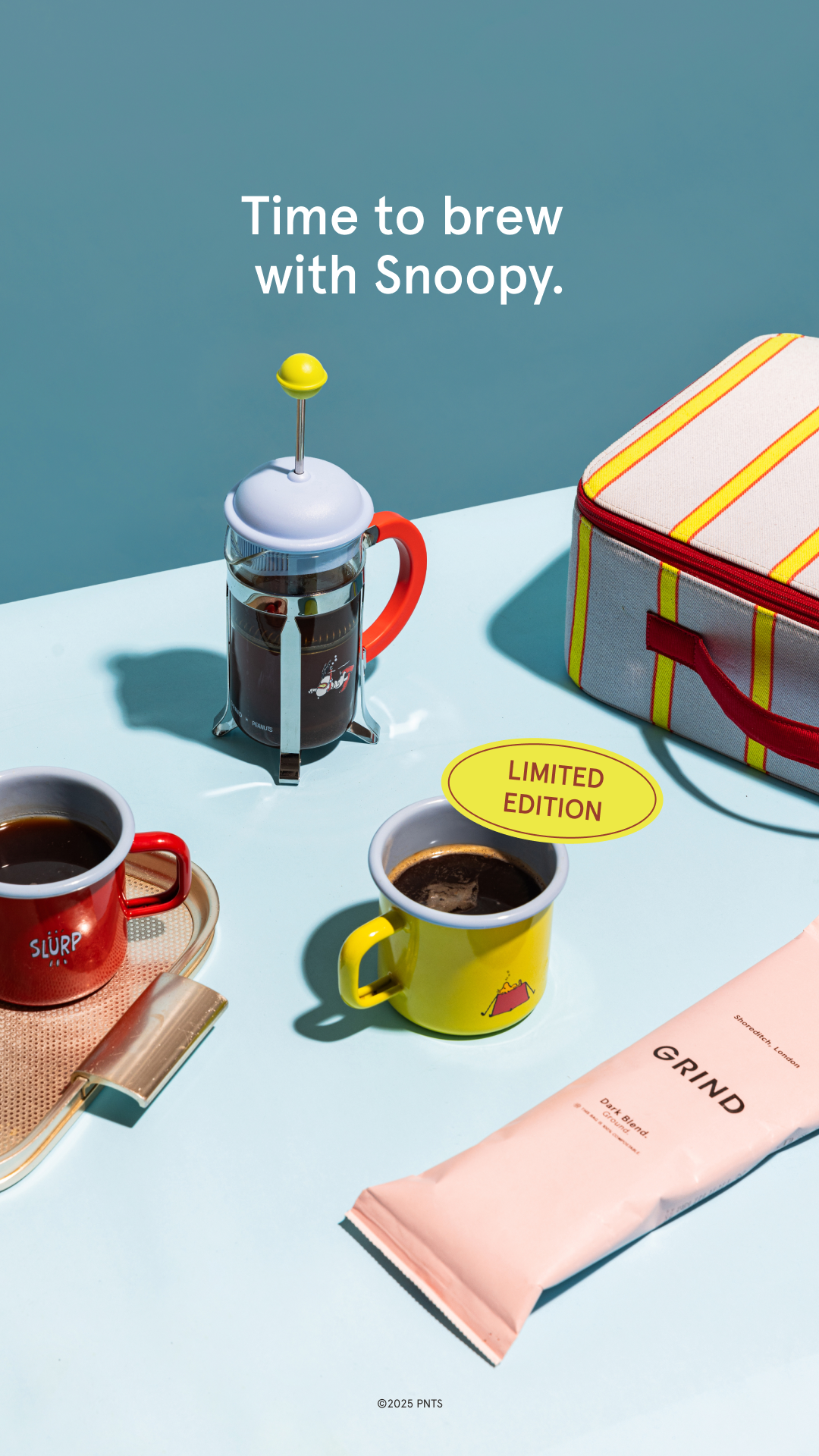
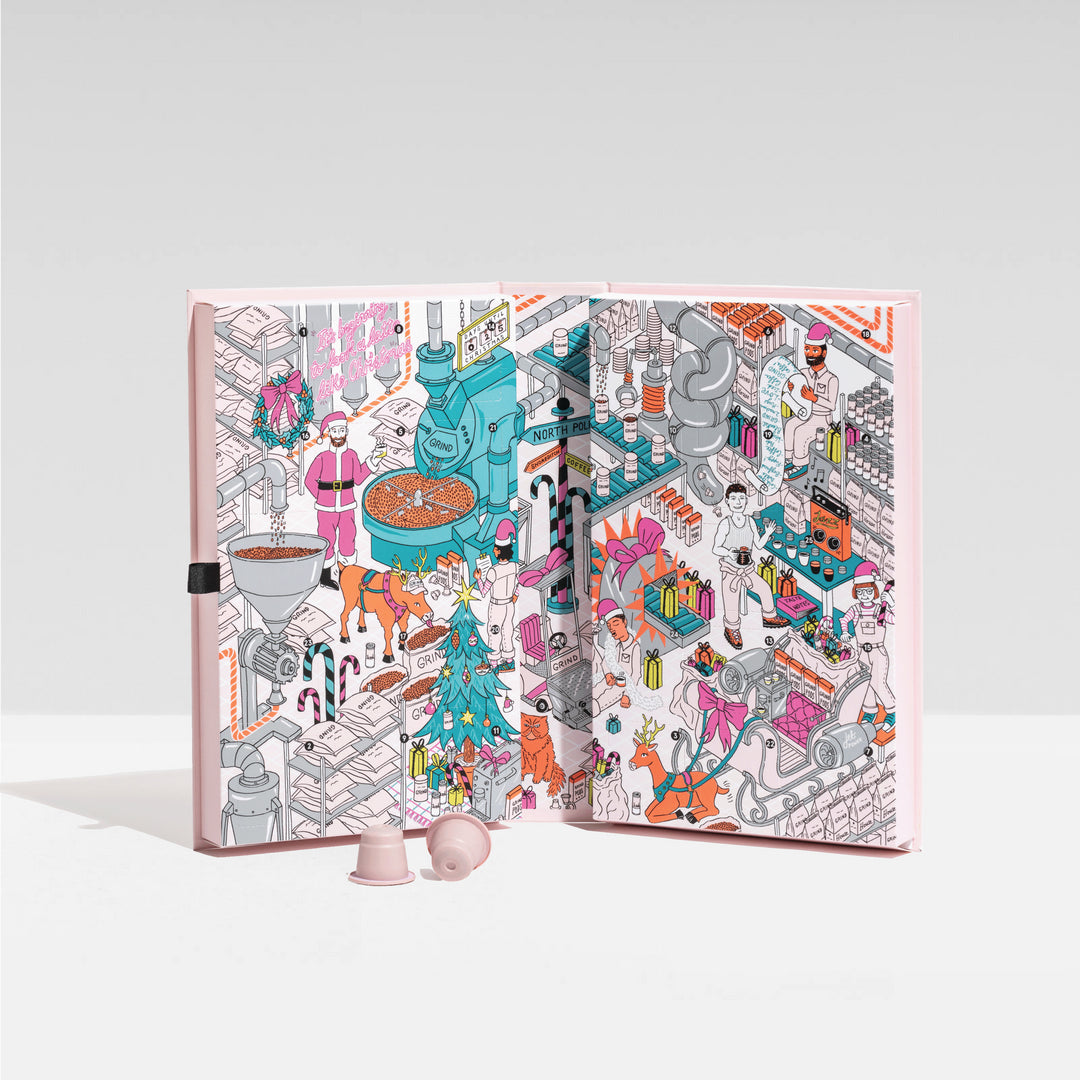
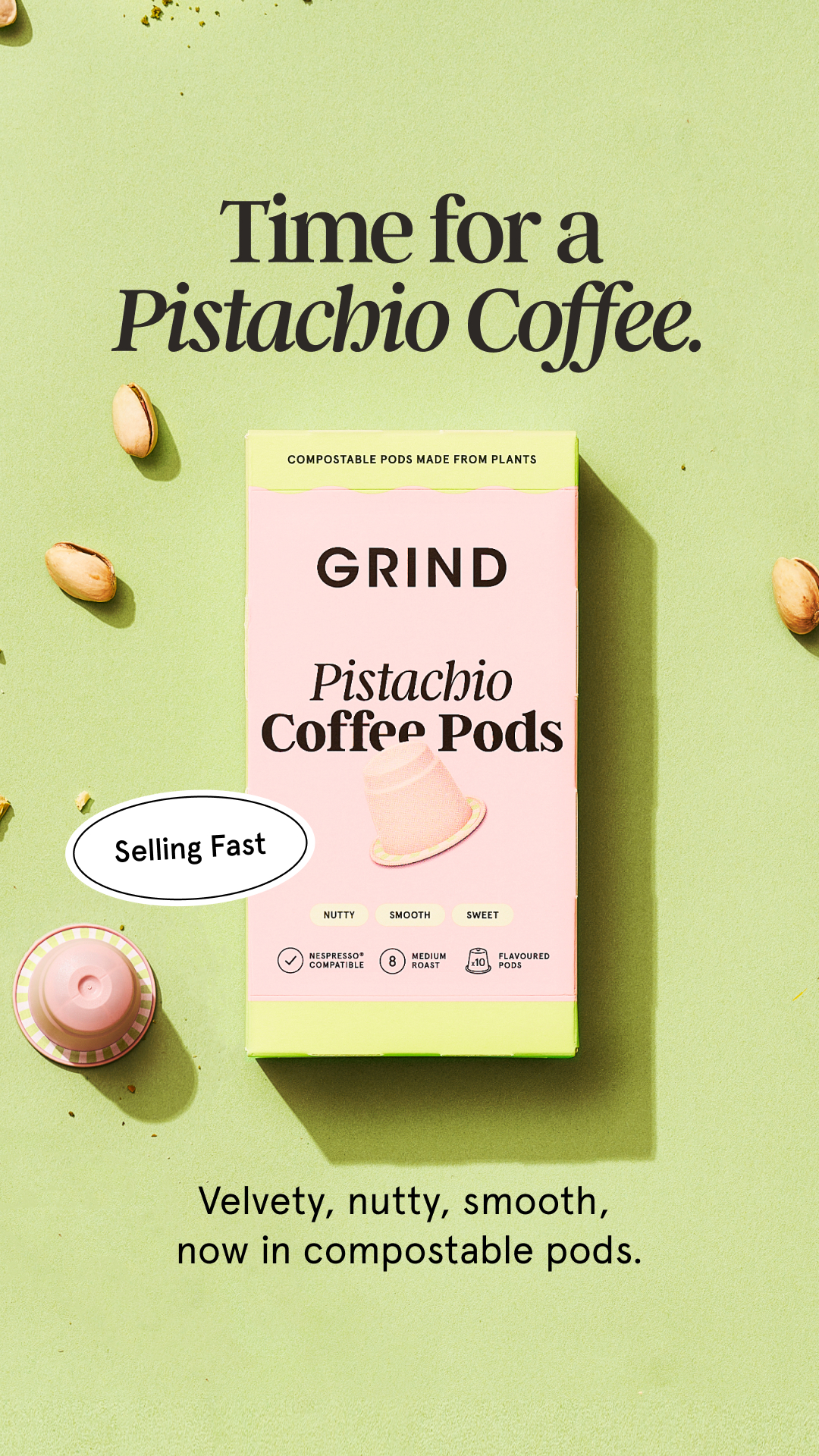
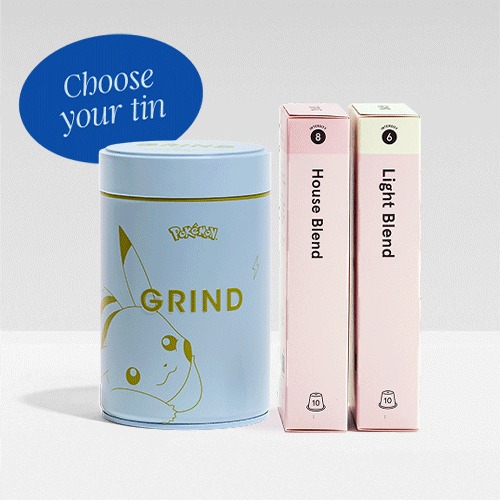
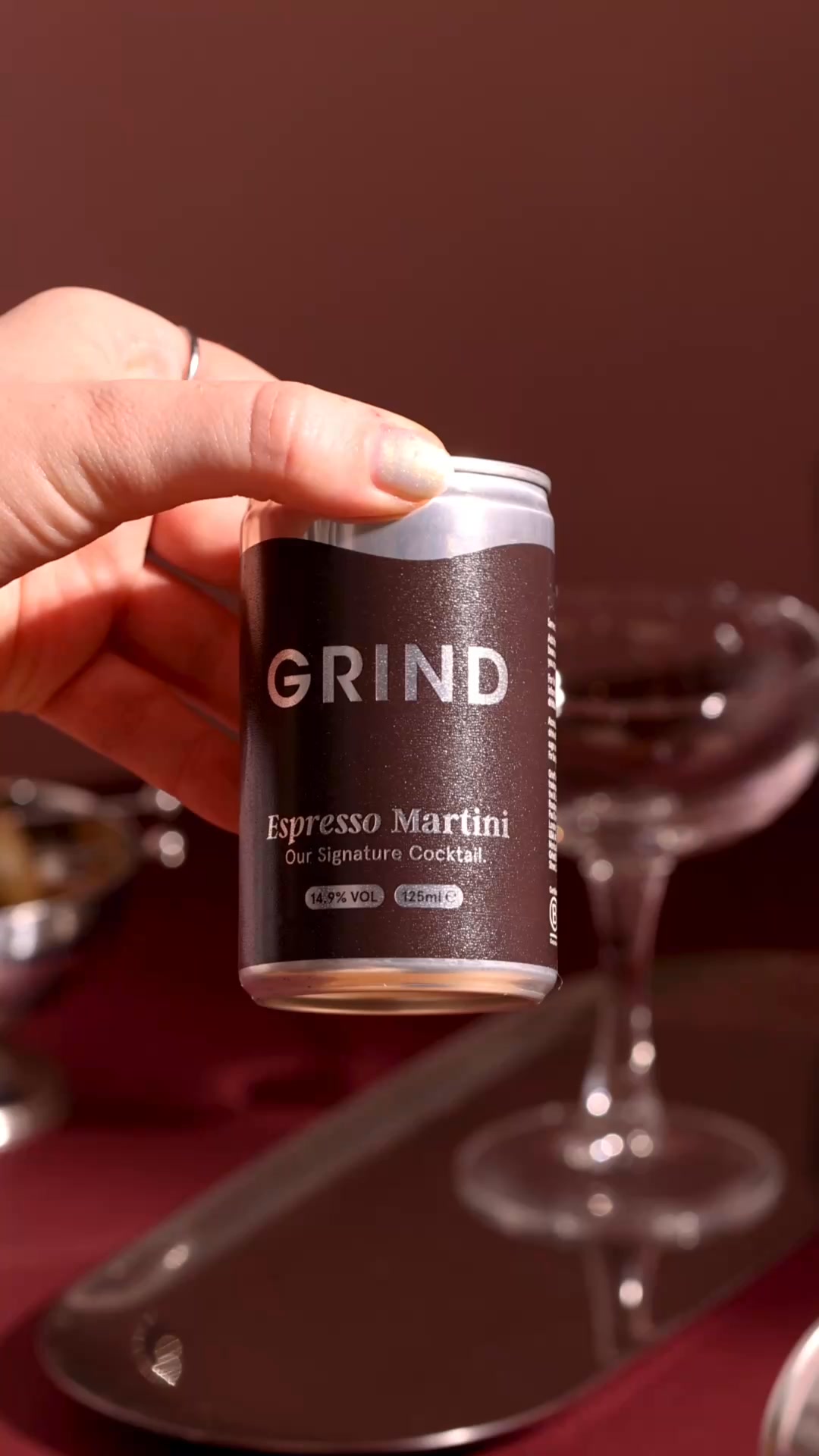
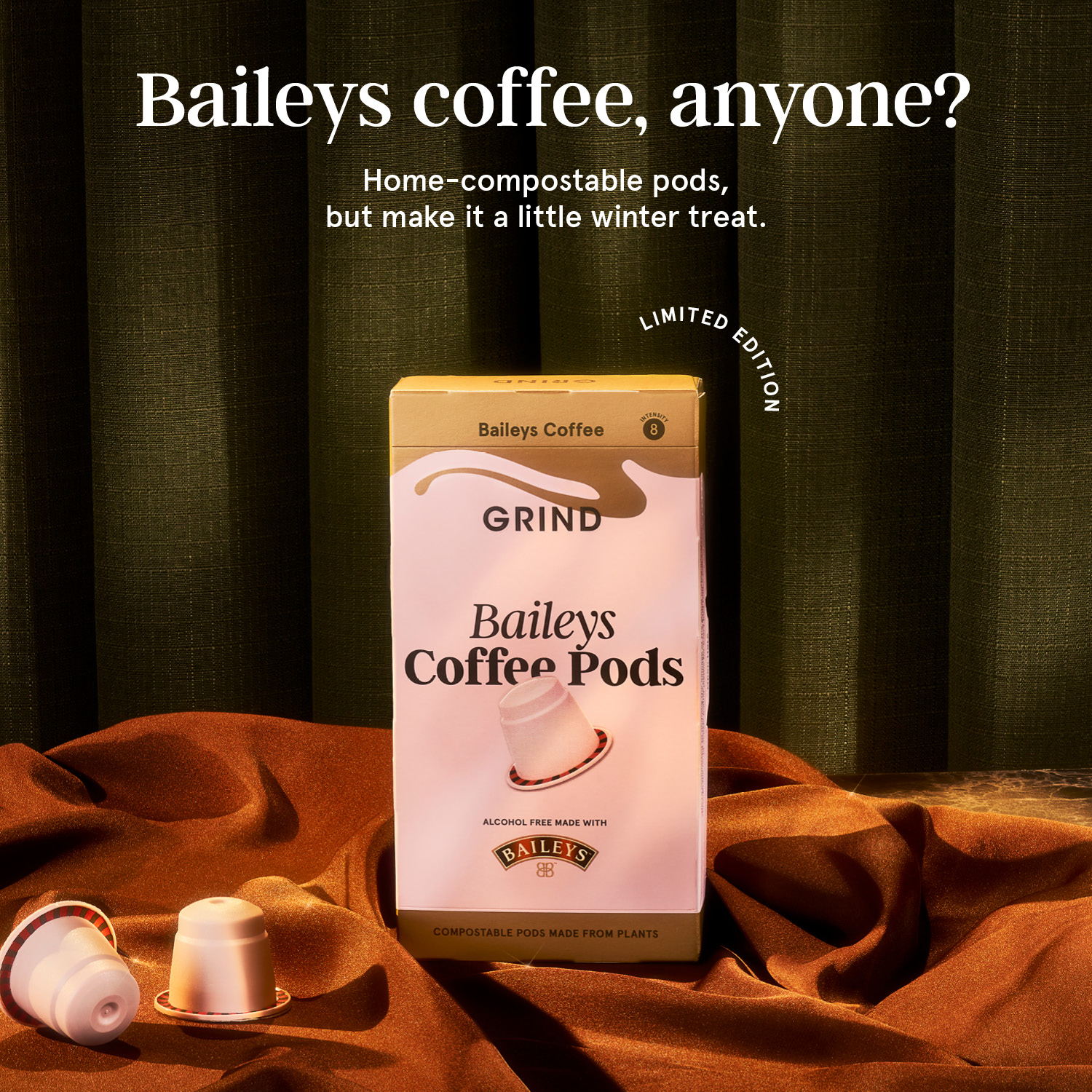
Top visual formats for Curiosity Hook ads
Top brands running Curiosity Hook ads
What is the Curiosity Hook?
A curiosity hook opens a gap: it shows or says just enough to make the viewer want the rest, then makes them stay to get it. It might be an odd object in frame, a half-finished sentence, a result with the cause hidden or a line like I did not expect this to work. The gap has to close inside the ad, with an answer that pays off the question, or the hook becomes a trick the viewer remembers for the wrong reason.
When to use the Curiosity Hook
- The product has a surprising feature, result or origin that is more interesting once it is revealed than when it is stated.
- Your audience is cold and does not yet know why the product matters, so you need a reason for them to watch past three seconds.
- Competitor ads in your ad library open with claims and prices, and an unanswered question would break the pattern in the feed.
- You are testing angles quickly and want a hook that changes the first frame without changing the product story.
- The video is long enough to deliver the answer, so the payoff arrives while the viewer is still watching.
Curiosity Hook best practices
Open a gap about something the viewer cares about
Curiosity needs a subject. A question about the viewer's own problem, routine or money pulls harder than a puzzle with no stakes. Weird alone is not enough: it has to be weird about something they want to know.
Give a hint, not a blank
Show a visible clue, such as a before state, an unexpected tool or a number with the reason missing. A hook with nothing to look at gives the viewer nothing to wonder about and no reason to wait.
Close the loop inside the ad
Plan the payoff before you write the opening. If the answer comes only on the landing page, many viewers will never see it. Deliver the reveal in the video or the body copy, then point to the product.
Keep the tease honest
A hook that promises a secret and delivers a discount code teaches people to scroll past you. Match the size of the reveal to the size of the curiosity, and avoid implying results you cannot show.
Brands using the Curiosity Hook
Niches with the most Curiosity Hook ads
Related formats
Related niches
Curiosity Hook: frequently asked questions
What is a curiosity hook?
A curiosity hook opens a question or gap that the viewer has to keep watching or reading to close. It hints at something surprising without giving it away, and the ad then delivers the answer.
Is a curiosity hook clickbait?
It becomes clickbait when the payoff does not match the tease. A hook that opens a real gap and closes it inside the ad is simply good structure. A hook that hides the point and delivers nothing damages trust.
How do I write a good curiosity hook?
Start from the payoff, then remove the one detail that explains it. Show the clue, such as the odd result, and withhold the cause. Test two or three versions of the missing detail against each other, with the rest of the ad unchanged.
What is the difference between curiosity and a question hook?
A question hook asks the viewer something directly. A curiosity hook can do it without a question mark, by showing a puzzle or leaving a sentence open. The two overlap, but curiosity is about the gap, not the grammar.